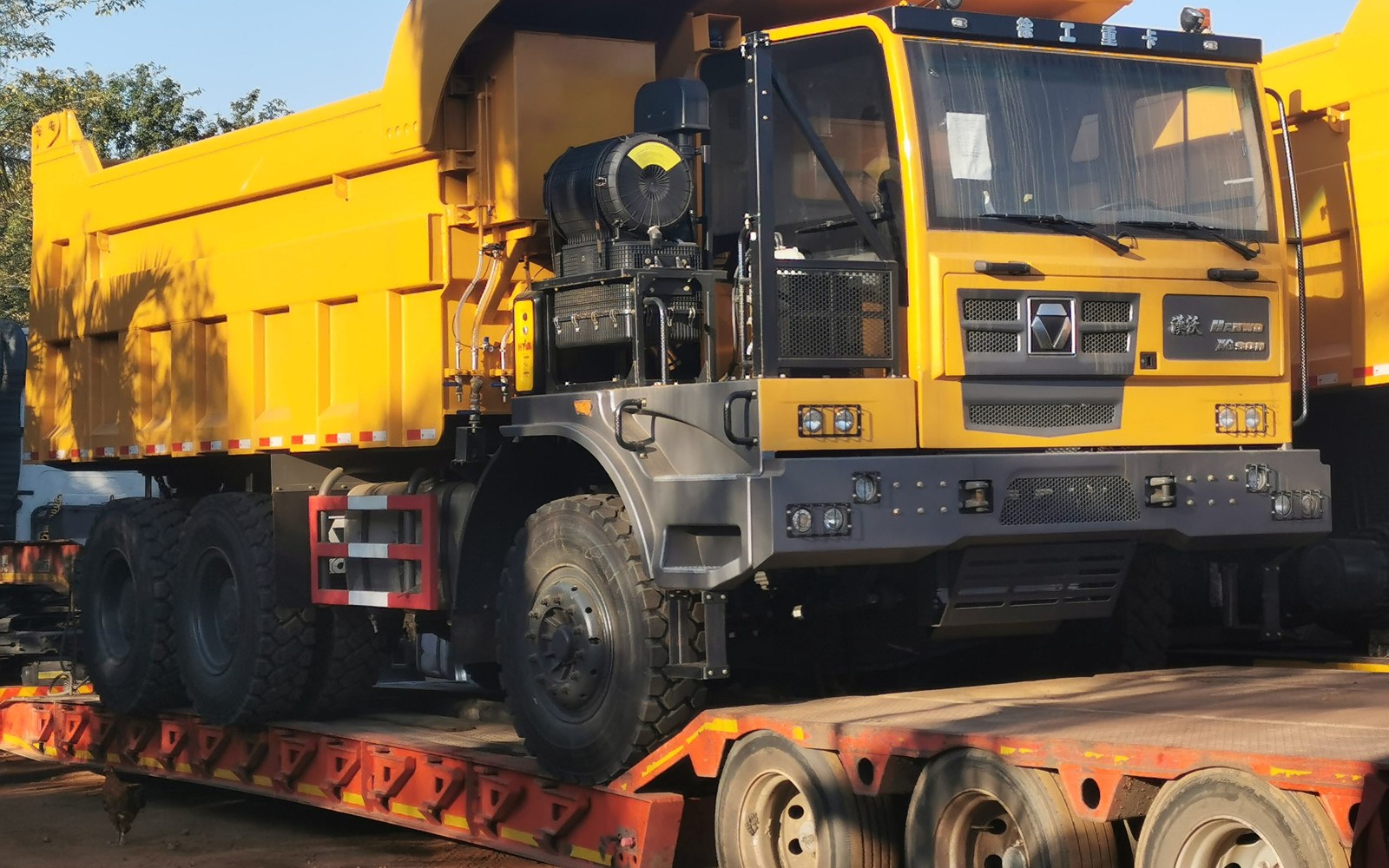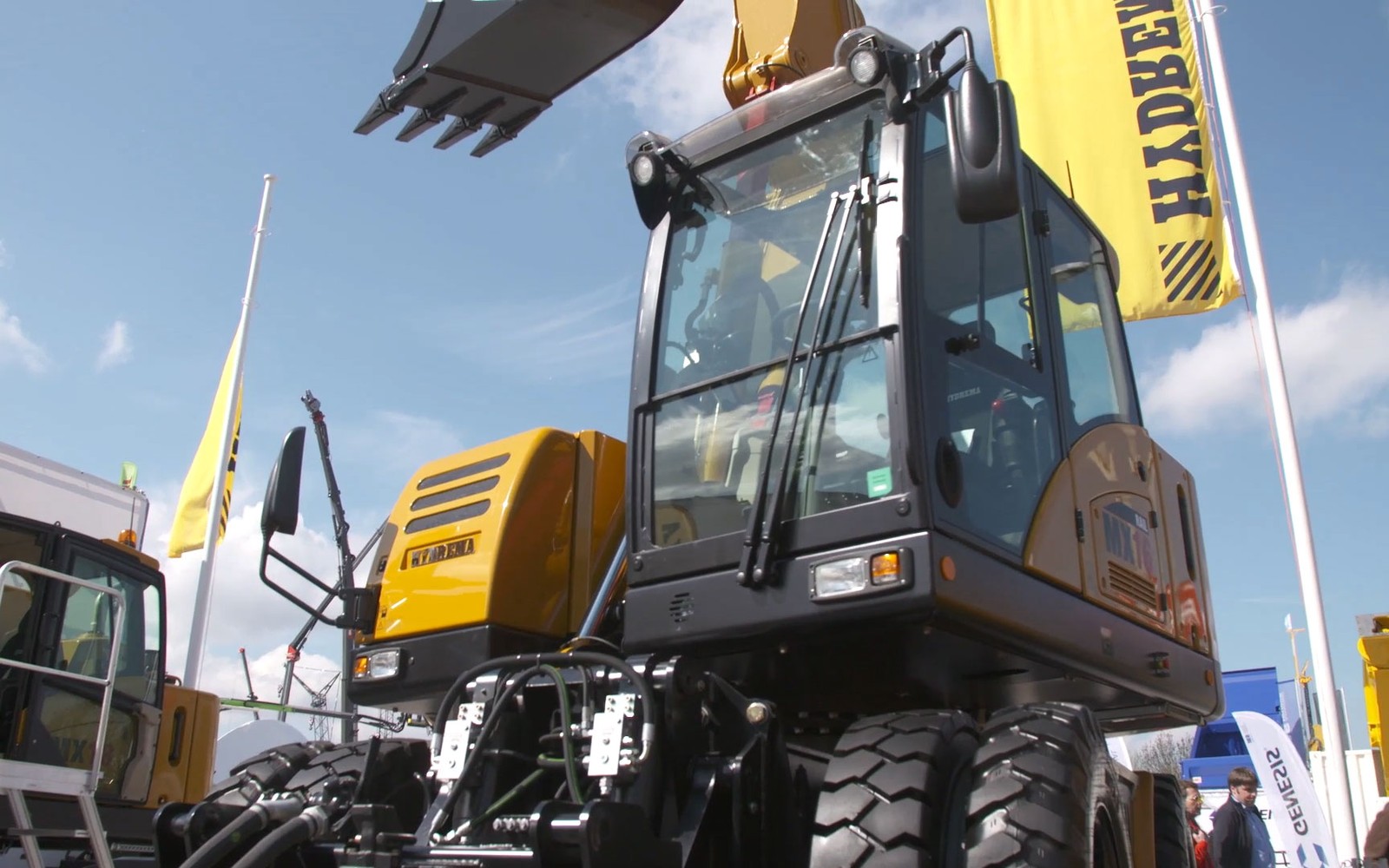

Rough-terrain cranes go where other cranes cannot. Four-wheel drive, large pneumatic tires, and a compact footprint let them set up on unprepared ground, muddy jobsites, and tight commercial construction lots where an all-terrain unit on a multi-axle carrier would not fit or would tear up the site getting there. If your crew lifts steel, precast panels, or mechanical equipment on sites that do not have a paved crane pad waiting for you, this is the machine. And financing it correctly means working with a lender who understands that this equipment earns every time it rolls onto a site and that a machine sitting in the yard waiting for a bank decision is a cost you are absorbing every day.
Rough-terrain cranes in the 40 to 120 ton capacity range are the workhorses of commercial construction and industrial maintenance lifting. New units from major manufacturers can run $400,000 to $1,000,000 depending on capacity and configuration. Quality used machines with service history often sit running about $150k to $500k. Either way, this is a financing deal, not a credit card purchase. We have structured rough-terrain crane loans and leases for contractors from startup operations to established multi-crane fleets, and we know how to get the deal to the right lenders quickly. A crane that is earning on a job next month covers its payment from the revenue it generates, and that is the math that makes this investment sensible.
Understanding Rough-Terrain Cranes as Collateral
The major rough-terrain crane brands include Grove (a Manitowoc brand), Liebherr, Link-Belt, Tadano, and National Crane. Boom trucks and carry-deck units occupy a different market segment below rough-terrain cranes in terms of capacity, while all-terrain cranes step up in highway capability and multi-axle complexity. For lenders, rough-terrain cranes are well-understood collateral with an active auction market and established dealer networks throughout the country, which makes them easier to finance than some specialty lifting equipment.
Outrigger pads, boom extensions, and hook blocks are often purchased with the crane and can typically be included in the financing package. The more complete and functional the configuration, the better the machine performs as collateral. Hours matter more than age for hydraulic cranes, and a well-maintained unit with 3,000 to 5,000 hours is typically in its prime working life. For buyers looking at related lifting options, our all-terrain crane financing page covers the next class up, and our mobile crane financing overview covers the broader market if you want to compare multiple crane types before committing.
Financing Terms for Rough-Terrain Cranes
Loan terms typically run 48 to 72 months for rough-terrain cranes, with longer terms available on newer machines with strong collateral value. Down payments range from minimal for strong-credit buyers on newer units to 10 to 20 percent for B/C credit situations or older equipment with limited lender appetite. Application-only underwriting is available for deals up to approximately $400,000, which covers many used units in this category and some new compact models without requiring a tax return review.
A lease structure via a fair market value lease is worth considering if you want lower monthly payments and flexibility to upgrade the machine at end of term rather than carrying aging equipment on your books. If you prefer to own the machine outright at the end, a dollar buyout lease or a standard equipment loan both accomplish that ownership goal with potentially different accounting treatment. We will present the comparison in real payment numbers so you can make the call based on your cash flow needs and tax position.
Who Needs Rough-Terrain Crane Financing
Crane rental companies adding capacity to serve commercial construction contractors are one of the biggest buyers. Independent lifting contractors who do structural steel and mechanical placements on industrial sites use rough-terrain cranes because they can move from site to site on their own tires without a permit load or escort that a larger all-terrain crane might require for short hauls between nearby projects. Concrete and foundation contractors use them for precast panel setting and tilt-up construction where quick setup and compact outrigger footprint are priorities.
A contractor who is stepping up from a boom truck to a purpose-built rough-terrain crane for the first time is a buyer we see often. The machine capability jump is significant, and financing the upgrade makes more sense than depleting the working capital your business needs for operations. For contractors financing multiple machines at once, our fleet financing page outlines how we handle portfolio deals that combine multiple pieces under a coordinated structure.
Getting the Deal Done Fast
Rough-terrain crane deals close in about one to two weeks once we have complete documentation in hand. For application-only deals under $400,000, the timeline can be shorter because there is less document back-and-forth involved. Larger deals or used machines that require an appraisal may add a few days to the process. If you are buying at auction where the timeline is compressed and you need a decision before the sale date, tell us upfront. We have placed auction purchases with tight closing windows when the buyer had documentation assembled and ready to go from the start.
The application process starts with a one-page credit application and basic machine information including year, make, model, serial number, and hours. From there we request supporting documents based on deal size and structure. We do not string you along for weeks asking for documents one at a time. The package goes out complete to the lender, and the decision comes back with a real answer rather than another list of follow-up requests. Proof of insurance naming the lender as loss payee is the final step before funds release, and having that ready in advance eliminates the last potential delay in getting the machine transferred and on the job.
Related Financing to Consider
If you own a rough-terrain crane outright, a Sale-Leaseback can convert that equity to working capital while you keep the machine running on jobs. Contractors who have an existing crane loan and have built up equity can explore equipment refinancing to lower monthly payments or access cash for other equipment needs on their list. For buyers who want to minimize upfront cash outlay, ask about no-money-down equipment financing to see if your specific credit and cash flow profile supports that structure for the machine you are targeting. Contractors who prefer to compare Section 179 treatment on a crane purchase should review our Section 179 financing page, which explains how financing preserves the deduction while keeping cash in the business rather than tied up in a machine.
Rough-Terrain Crane Financing FAQs
Common buyer questions answered below.
Finance Your Rough-Terrain Crane Today
Send us the machine details and your timeline. We will build the deal and get it in front of lenders who fund cranes, not just equipment in general. Fast decisions, real terms, no runaround.