
Grade tolerances do not forgive cheap equipment or slow financing. A grading contractor delivering a pad to half-inch tolerance with a machine that is breaking down mid-project is losing money every day of delay. The right iron, properly maintained, changes that math entirely. We finance the equipment grading and earthwork contractors rely on, structured around how the grading business actually works: project-based revenue, variable mobilization costs, and equipment that needs to be in the ground before the first invoice goes out.
Our program covers motor graders, dozers, scrapers, production excavators, and support equipment. We work with contractors who are buying new or used, purchasing from dealers or at auction, and refinancing iron they already own. If the asset is used in grading or mass earthmoving and holds its value, we can usually structure financing around it.
Minimum transaction: $50,000. Application-only approval available to approximately $400,000 for strong credits. Funding in one to two weeks on most files.
The Iron That Grading Contractors Finance Most
The core asset for a grading crew is the motor grader, but most grading operations also run dozers and excavators for cut and fill work before the grader takes final pass. Here is how we see grading contractor fleets:
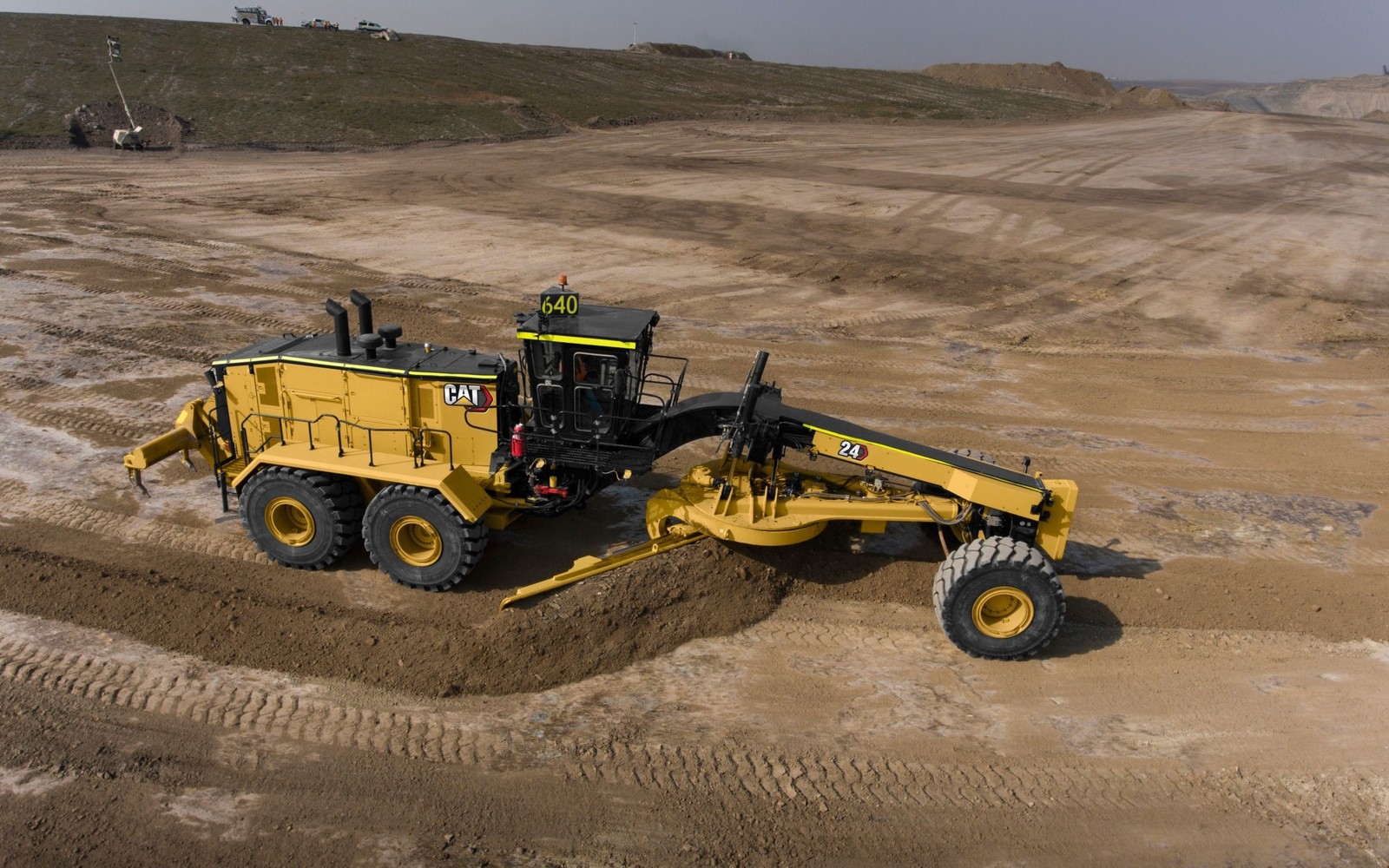
- Motor graders (120H to 16 class and above): The backbone of a grading operation. Caterpillar 12, 14, and 16 class graders and Komatsu GD series machines command strong values and are well understood by equipment lenders. Terms of 48 to 72 months are standard.
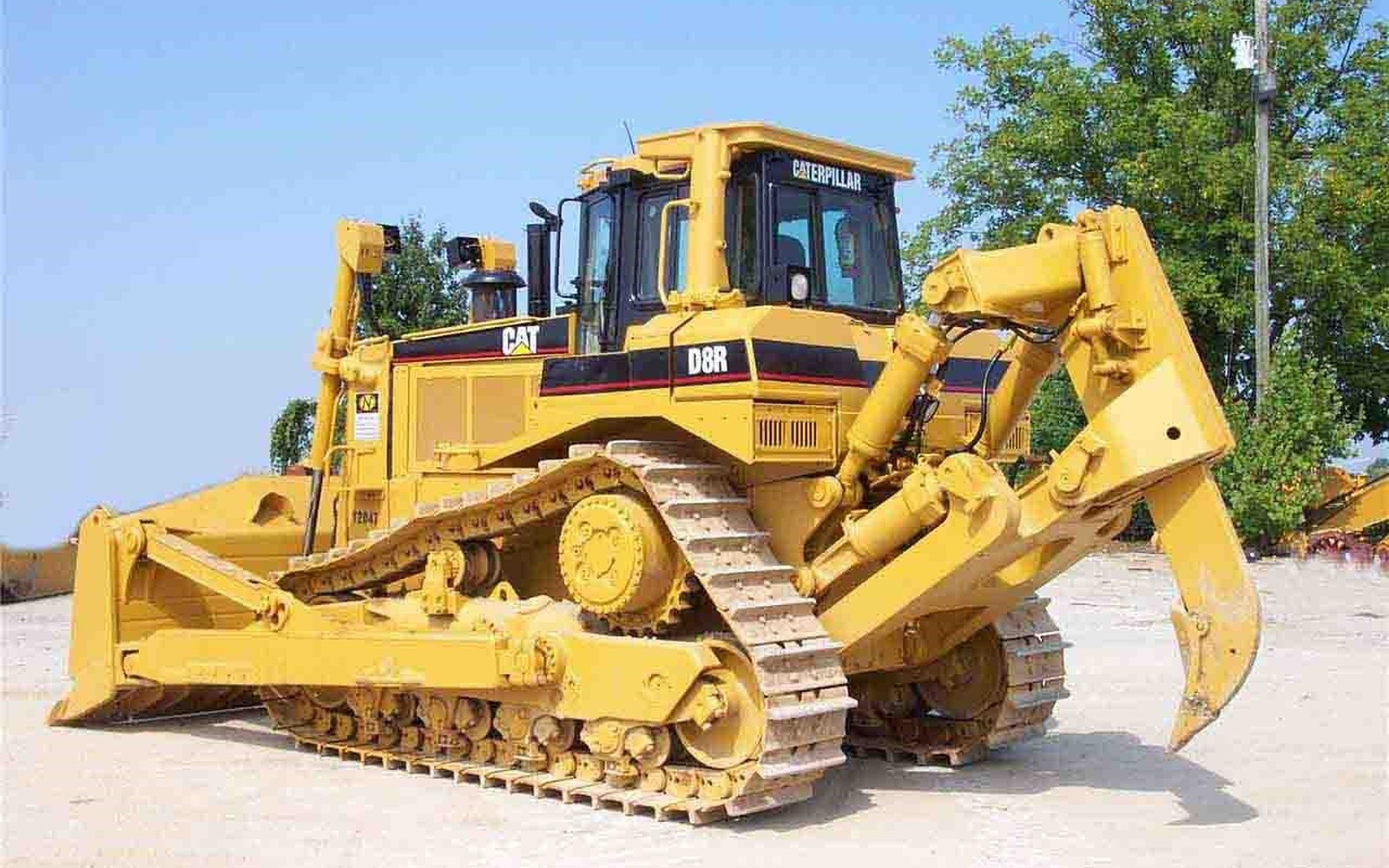
- Crawler dozers for rough cut: A crawler dozer handles the bulk material before the grader takes over. D6-to-D8 class CAT and comparable Komatsu D51/D65 machines are common on grading sites.
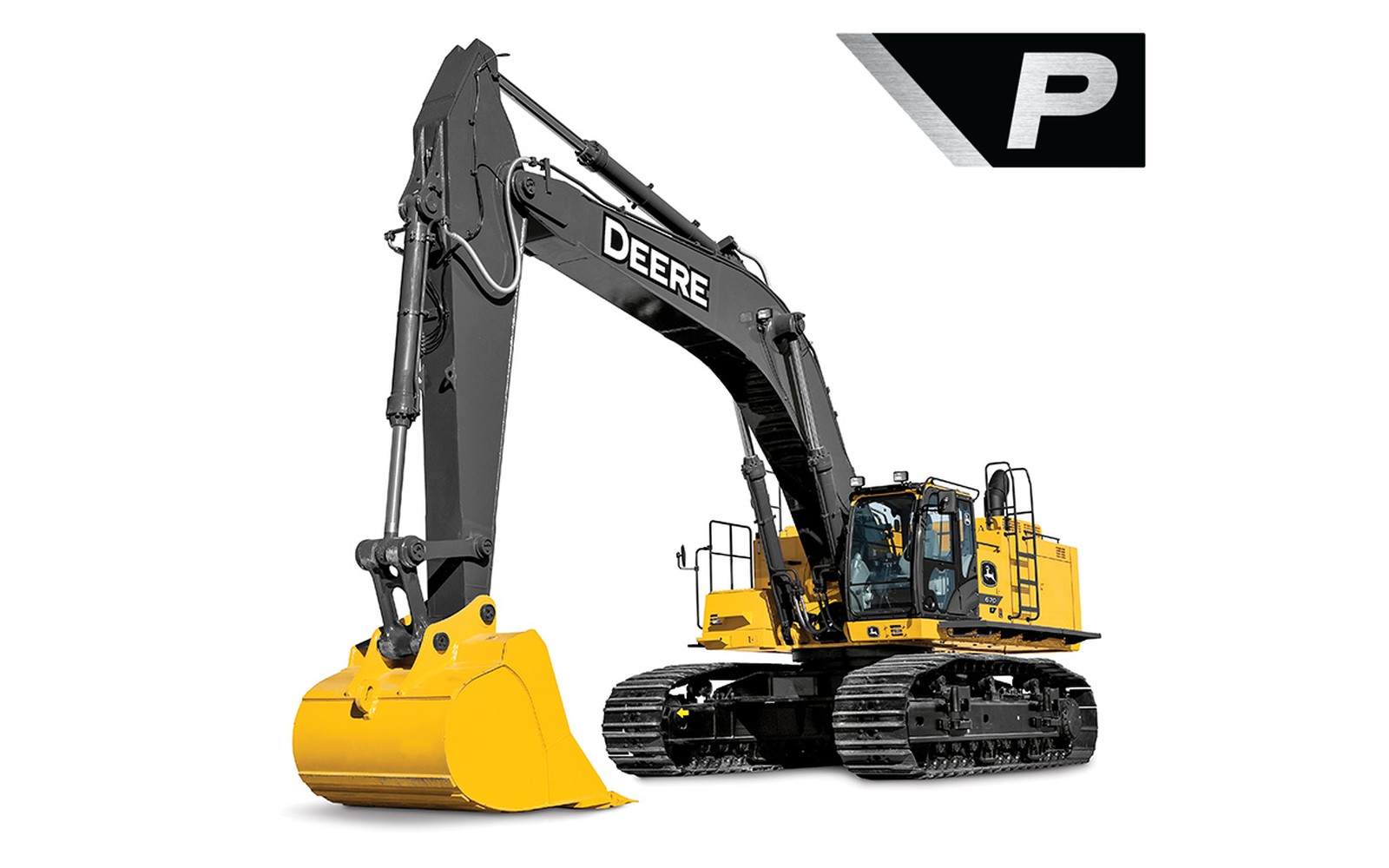
- Production excavators for cut and benching: Mid-size excavators handle the cut work that a dozer cannot reach in tight spots or steep terrain.
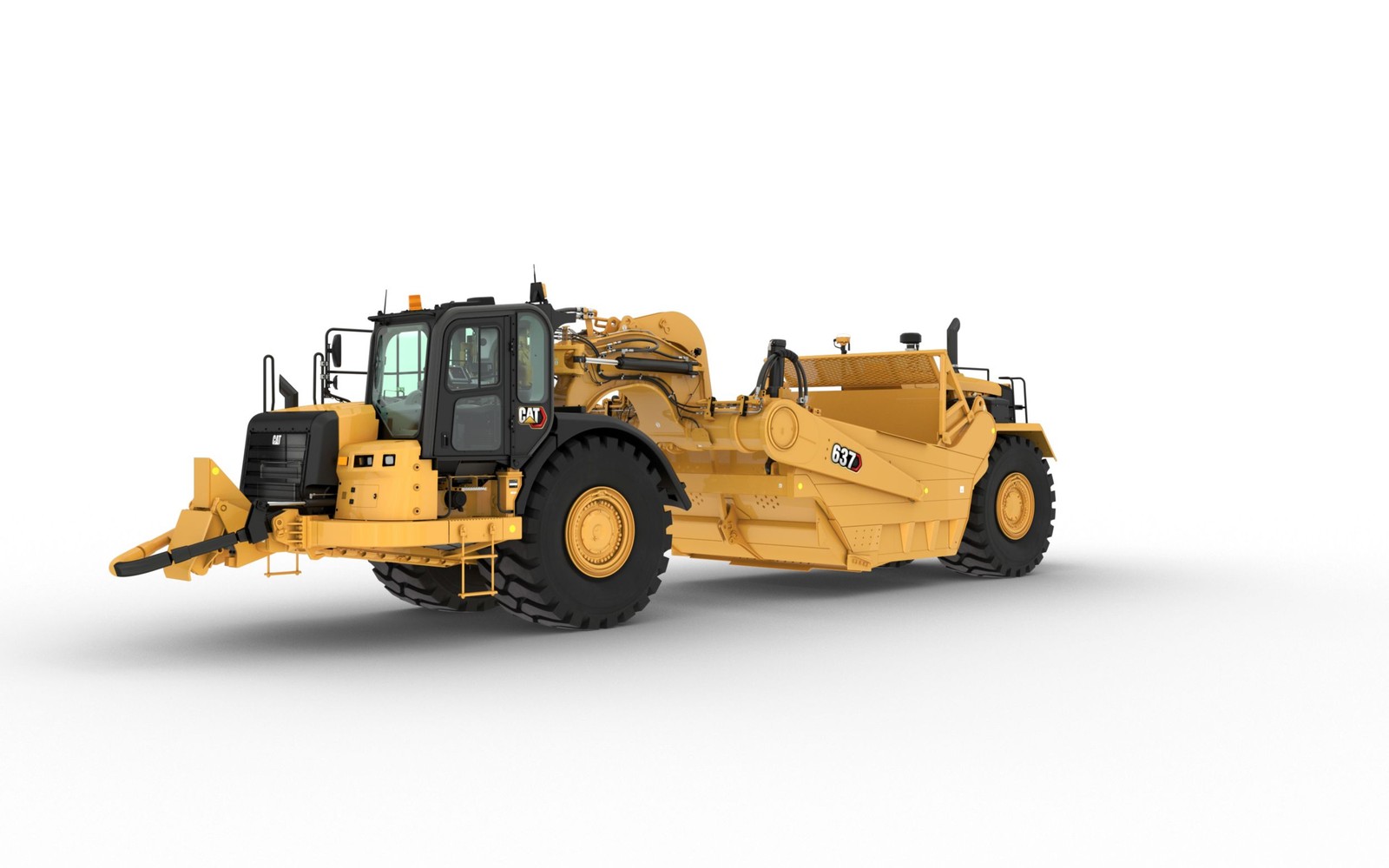
- Scrapers for large, flat earthmoving: On highway projects or large commercial pads, a motor scraper is the most efficient tool for moving large yardage. Self-propelled and push-pull configurations both qualify for financing.
- Compaction equipment: Drum rollers and padfoot compactors are typically financed alongside the grading package on projects that require certified subgrade compaction.
Used equipment in all these categories has deep financing availability. A late-model used grader with a documented service history and reasonable hours is often the sweet spot for grading contractors who want production capability without the full cost of new iron.
Credit and Documentation for Grading Contractors
Grading contractors are often mid-size businesses with a mix of subcontract and prime work. Their financials can look lumpy because large invoices come in at project completion rather than monthly. We account for that when we evaluate a file.
What we look at:
- Three months of business bank statements: We want to see cash flow patterns, not just averages. A contractor who received a large project payment in month two and used it to cover payroll is showing responsible cash management, not a problem.
- Time in business: Two years minimum for standard programs. Less than two years moves to our startup or newer-business program, which has more conditions but is not a dead end.
- Equipment value relative to the loan amount: A loan-to-value ratio that leaves the lender comfortable if the machine needed to be liquidated is a key underwriting factor.
- Current lien status: If you already carry loans on your equipment, we look at the total debt service relative to the business's ability to pay. Multiple liens are not automatically disqualifying.
Contractors with B or C credit profiles are considered. We work with specialty lenders who understand the construction equipment sector and the nature of project-based businesses. Down payments of ten to twenty percent often make a deal work that would not otherwise qualify.
Using Existing Equipment Equity in Grading
Many grading contractors own one or two paid-off machines that represent significant capital. A paid-off Caterpillar 14M grader or a D8 dozer can carry enough value to fund a meaningful sale-leaseback transaction. That cash goes toward a new machine, bonding, or operating capital while the original machine keeps working under the new lease.
A Sale-Leaseback is not a last resort. Used strategically, it is how growth-oriented contractors fund fleet expansion without taking on additional debt they cannot service. We structure these deals at current market value, which for grading equipment has remained solid.
Contractors carrying an existing lien can sometimes refinance the balance at a lower rate or extend the term, reducing monthly payment pressure during a lower-volume quarter. We present both scenarios so you can see what the numbers actually look like before committing.
New vs. Used Grading Equipment: Financing Differences
New equipment from a dealer comes with manufacturer warranty, documented hours of zero, and predictable maintenance costs in the early years. Financing terms on new equipment are typically the most favorable: lower rates, longer available terms, and higher loan-to-value ratios.
Used equipment offers a lower acquisition cost and often delivers equivalent production if it has been maintained. The financing trade-offs are real: older machines or high-hour units may have a shorter maximum term and a lower available loan-to-value. A used grader with eight thousand hours is still a productive machine, but the lender's exposure window needs to account for that.
For grading contractors, the used market for motor graders, dozers, and large excavators is deep and well-established. A three-to-five-year-old machine from a major manufacturer with maintenance records is often the most cost-effective acquisition, and our used equipment financing program is designed to make that deal happen without unnecessary friction.
Get Equipment Financing Quotes for Your Grading Business
Graders, dozers, scrapers, excavators. Whatever the bid calls for, we structure financing around the project timeline and the machine's value. Submit your quote request and get real terms, not a rate range, within one business day.