
Demolition is not the same business as excavation, and the equipment is not the same either. A high-reach demolition machine pulling down a ten-story structure in an urban core needs a different financing conversation than a mid-size excavator digging a utility trench. We work with demolition contractors specifically, and we understand the asset values, the attachment packages, and the job types that define this sector. Financing that closes before the demo permit does is the goal.
We finance demolition excavators, material handlers, high-reach machines, and the attachment packages that go with them. New builds from dealers, used purchases at auction, and sale-leasebacks on equipment already in the fleet are all within scope. Minimum $50,000 per transaction, with most demolition equipment deals running well above that threshold.
The Equipment Demolition Contractors Finance
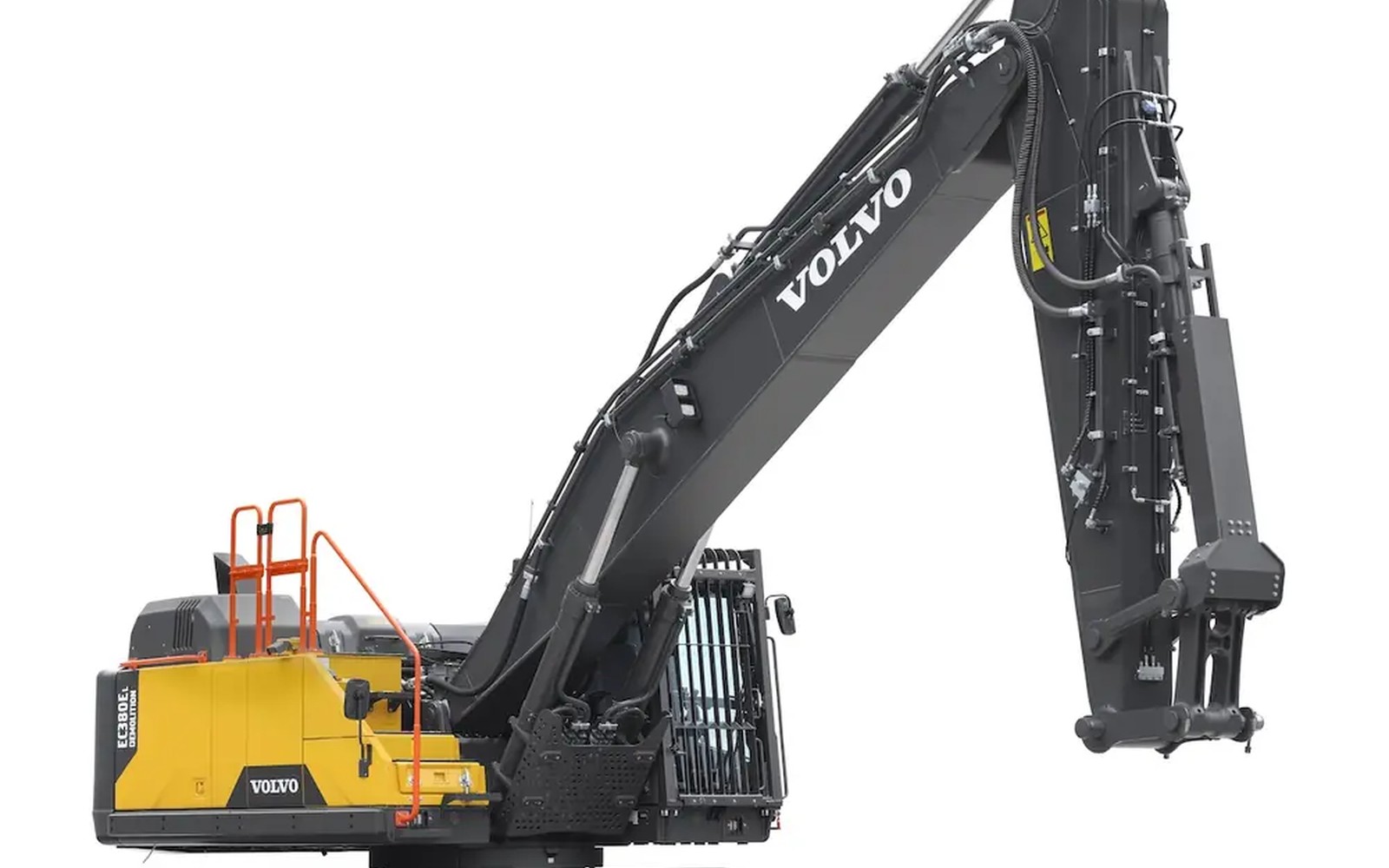
Demolition equipment is a specialized category where asset values require some explanation to lenders unfamiliar with the sector. A high-reach excavator with a specialized demolition boom is worth significantly more than the base machine alone. Attachment packages including hydraulic shears, pulverizers, and multi-processors represent meaningful capital. Here is how we approach each:
- High-reach and demolition-configured excavators: These machines command premium values and have a smaller resale market than standard excavators, which affects lender appetite. We work with lenders who actively finance demolition-specific configurations.
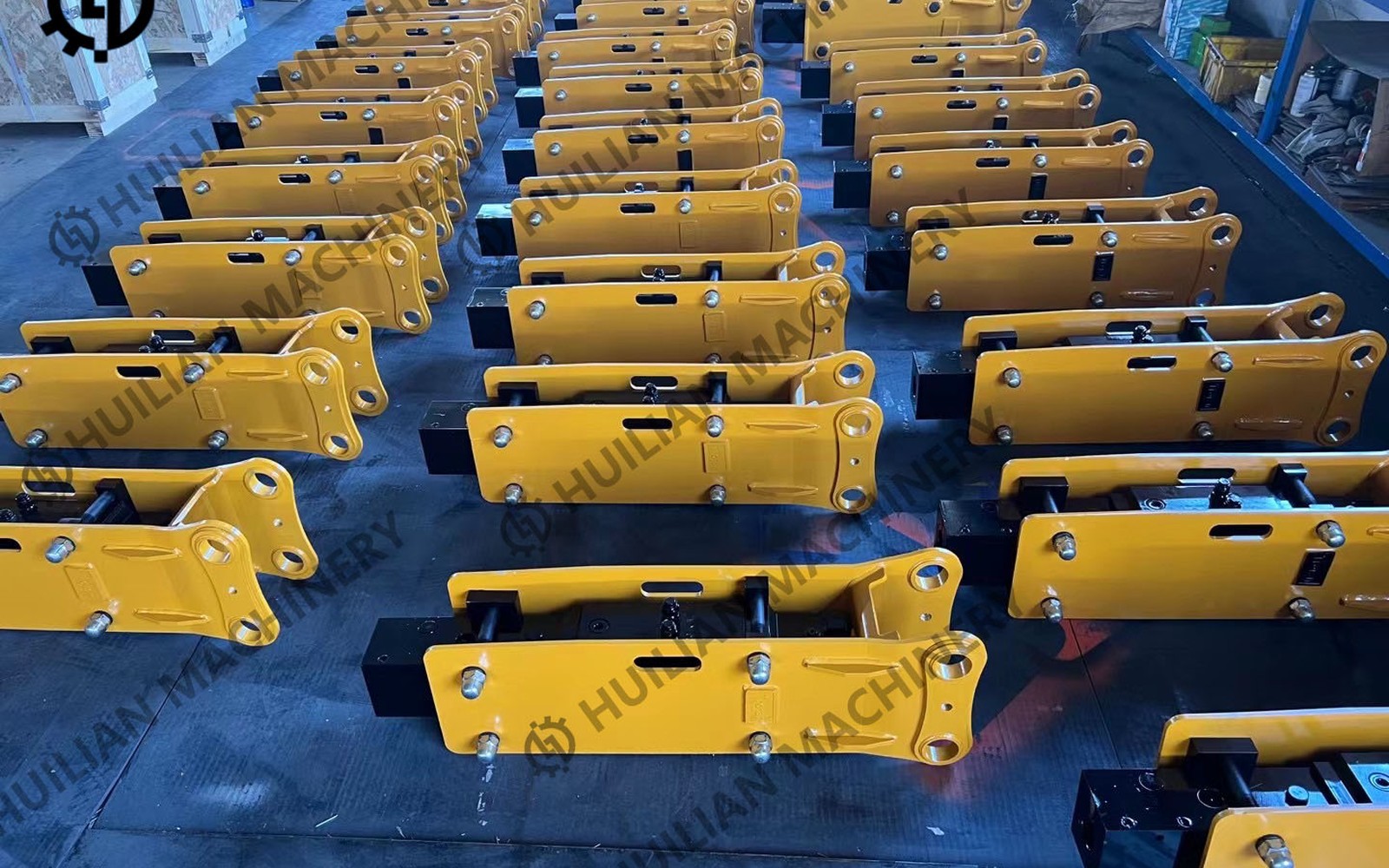
- Hydraulic breakers: A hydraulic breaker is one of the most commonly financed attachments in demolition. It pairs with mid-to-large excavators for concrete and rock breaking on selective demo and site prep jobs.
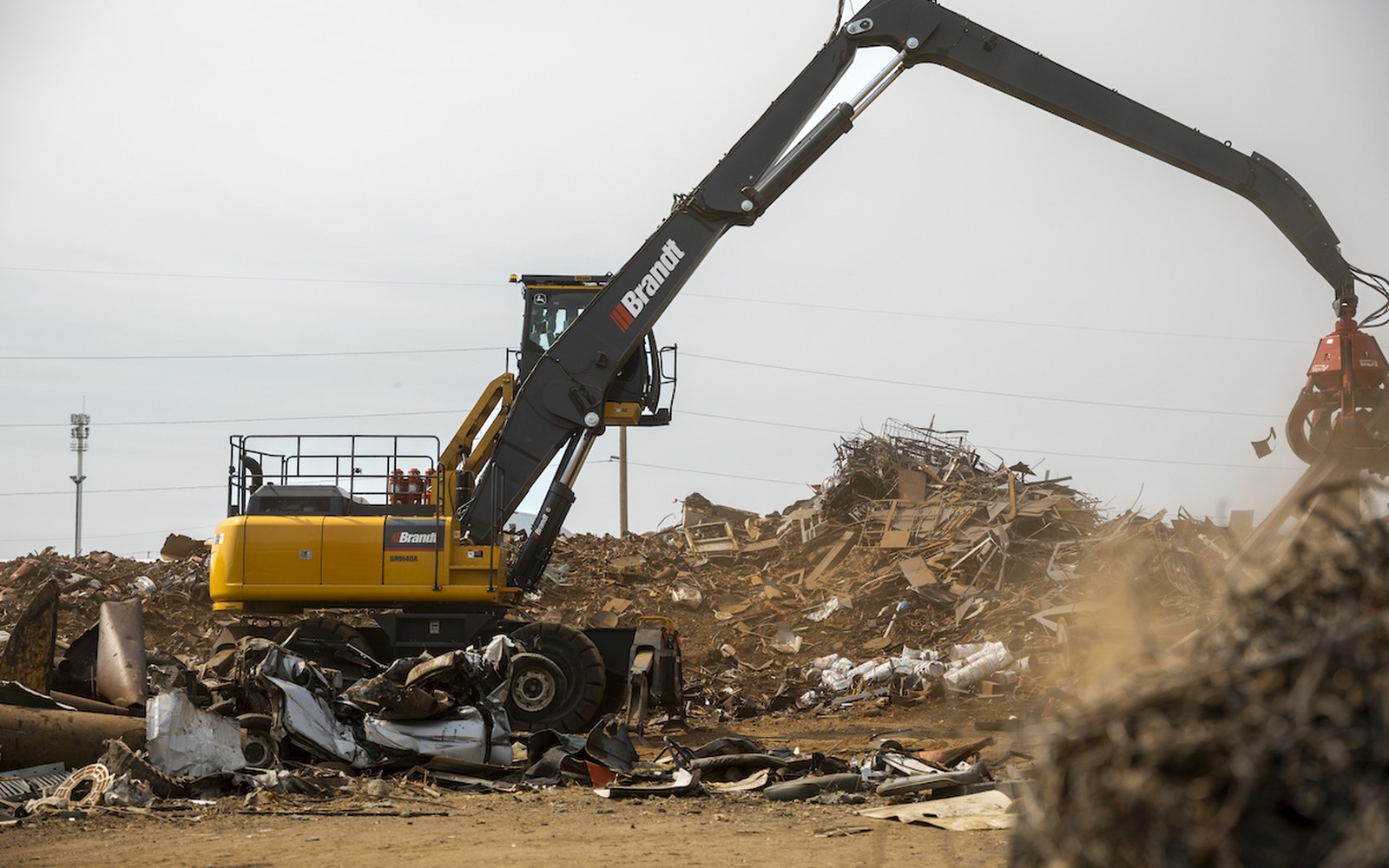
- Material handlers and sorting grapples: A material handler configured for demolition debris sorting is a dedicated asset that carries standalone value. Material recovery and scrap separation is increasingly important on larger demo projects that require material diversion from landfill.
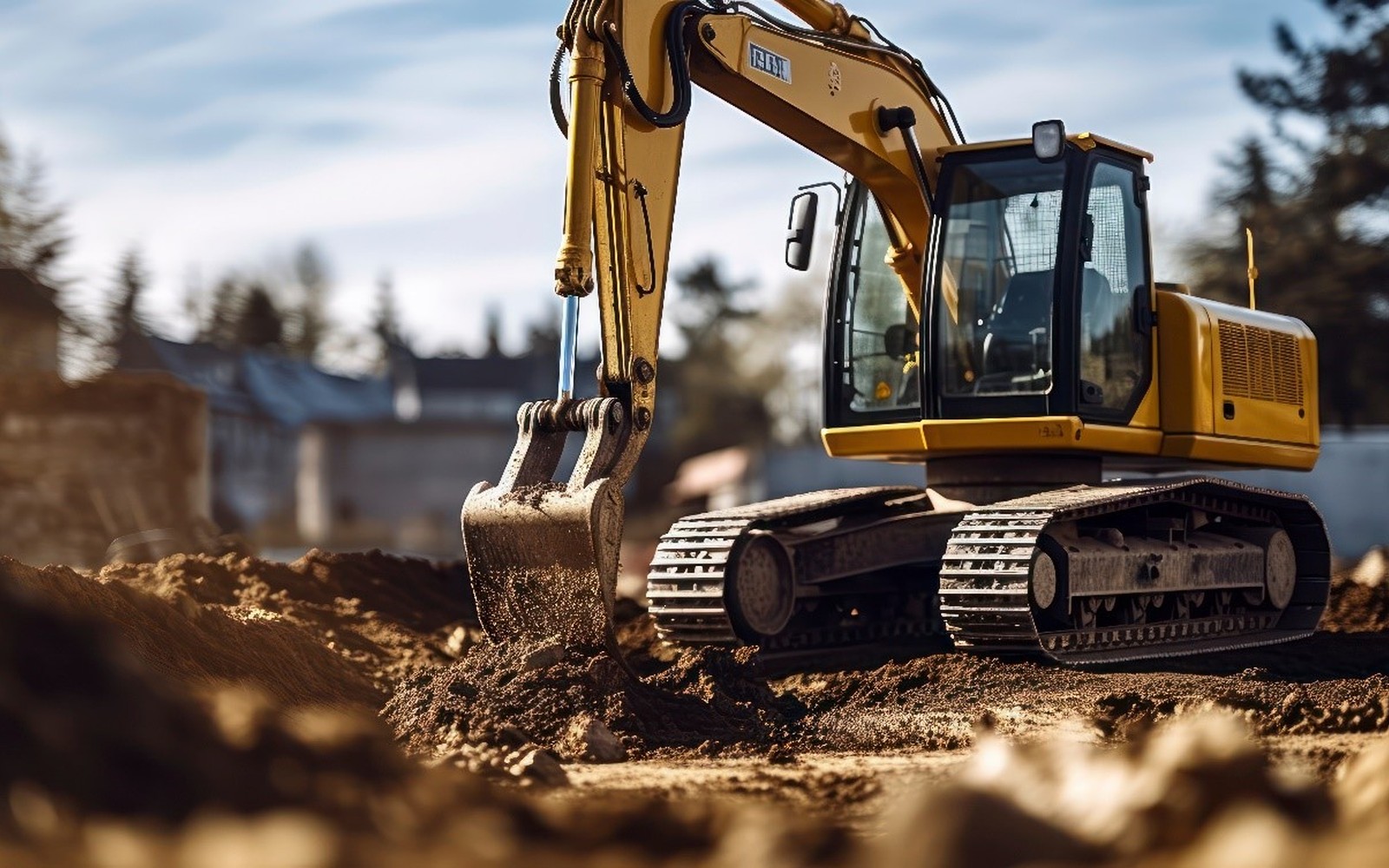
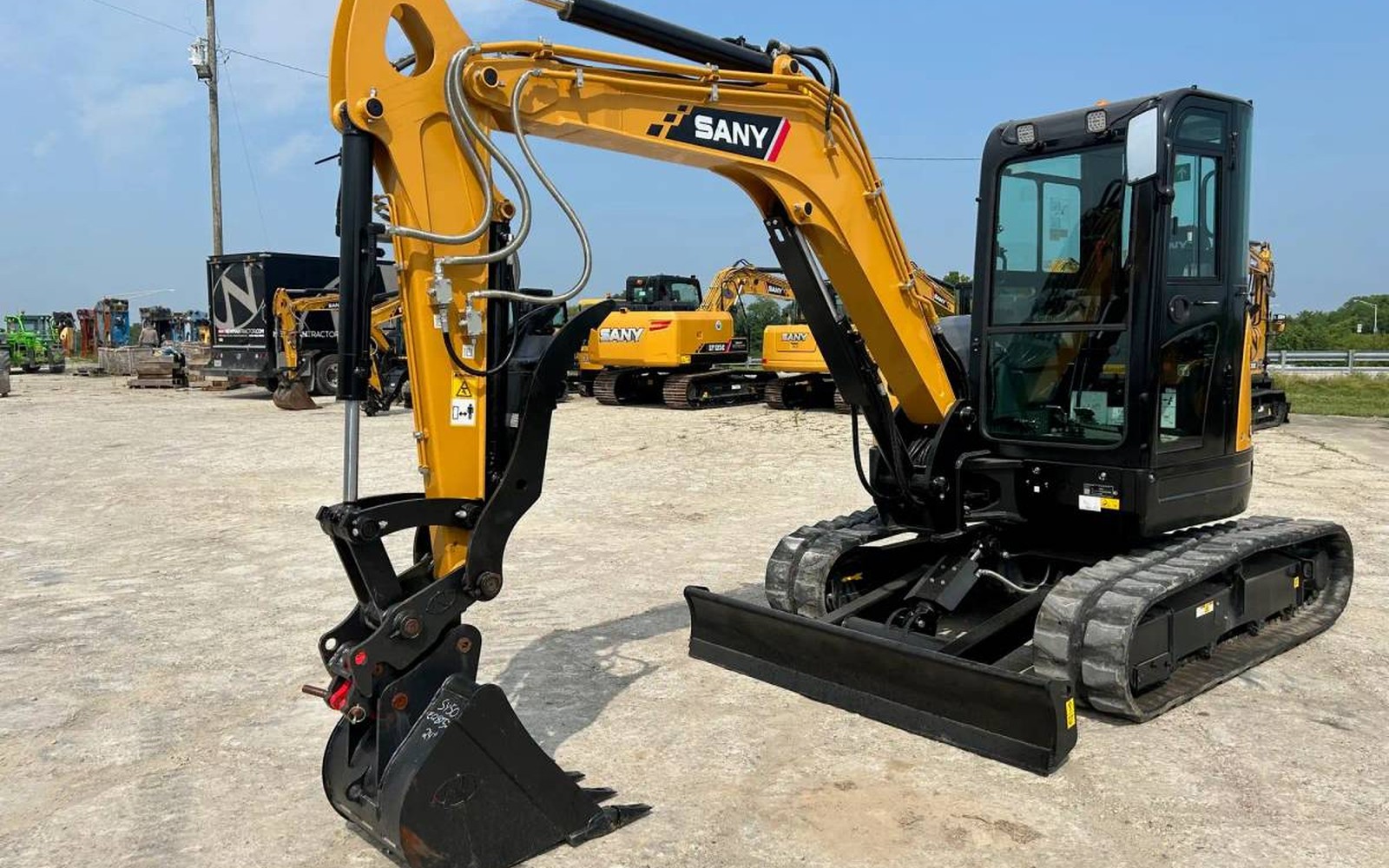
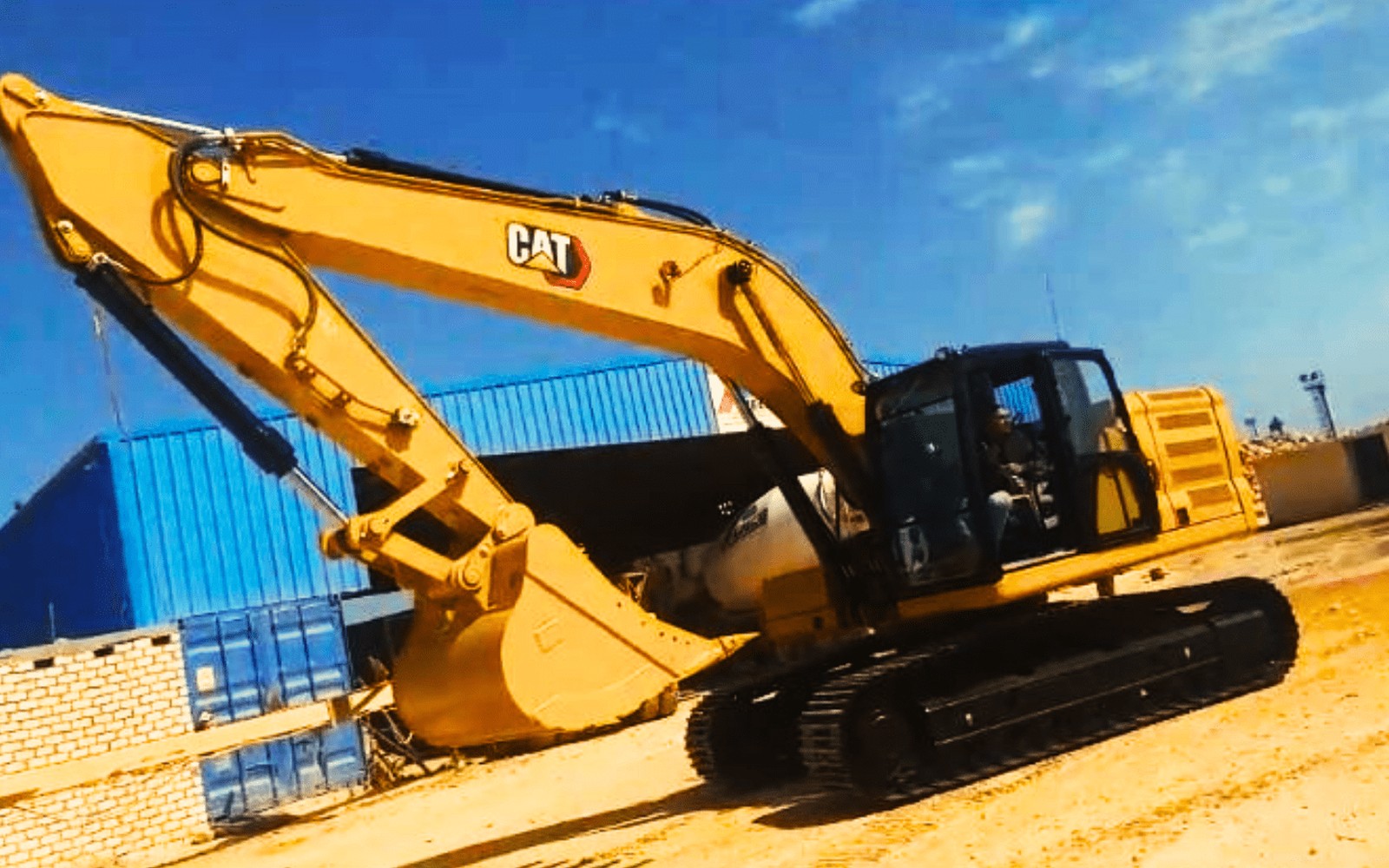
- Standard 20-to-35 ton excavators with quick couplers: Many demolition contractors run production excavators with multiple interchangeable attachments rather than dedicated demo machines. The base excavator finances like any production unit, and the attachment package can be bundled or financed separately.
Attachments, including shears, crushers, and pulverizers, can be financed as excavator attachment packages. Bundling the carrier and attachment often produces better loan-to-value terms than financing each piece separately.
Which Demolition Contractors We Work With
The demolition sector spans a wide range of contractor types, and we deal with most of them:
- Full-service structural demolition: Contractors taking down buildings, bridges, and industrial structures. These operators typically run heavy, specialized equipment and handle both interior strip-out and exterior structural demo.
- Interior demo and selective strip-out: Contractors working inside existing structures to prepare for renovation. Smaller machines dominate here, including mini excavators and skid steers capable of fitting through doorways.
- Concrete and pavement demolition: Contractors who specialize in breaking and removing concrete slabs, pavements, and foundations. Hydraulic breakers, jackhammers, and saws make up much of the equipment list.
- Industrial demolition: Plants, refineries, and processing facilities require contractors with specific experience in handling hazardous material, working around live equipment, and meeting tight environmental standards.
Regardless of sub-specialty, demolition contractors share a common financing need: equipment that is expensive, gets hard use, and needs to be funded quickly when a job comes in. We have seen demolition contracts awarded and executed in very short windows, and our process is built to respond to that pace.
How Fast We Move on Demolition Equipment Deals
Demolition project windows are often short and unpredictable. An owner or GC issues a contract, the demo contractor has a start date, and the machine needs to be on-site. We have funded demolition equipment deals in under a week when the file was complete and the credit was clean. Here is how the process works:
- Submit a quote request with equipment details and your business information.
- We come back with a pre-qualification assessment, usually within one business day.
- Application and documentation. For deals under roughly $400,000 on strong credit, application-only approval is available. Larger deals or complex credit require bank statements and business documentation.
- Approval and term sheet. You see the rate, term, and payment before signing.
- Documents signed, vendor or seller paid. Most deals close within one to two weeks of the initial request, sometimes faster.
For used demolition equipment or auction purchases, appraisal scheduling may add a day or two. We work to minimize that timeline wherever the file allows.
New and Used Demo Equipment: Financing Considerations
New demolition equipment from a dealer carries manufacturer warranty and zero hours, which simplifies financing and gives the lender maximum collateral comfort. The trade-off is price: a new high-reach machine or heavy-duty demolition excavator is a significant capital outlay, and not every contractor wants to carry that note.
Used demolition equipment, particularly base excavators from major brands, finance well on our used equipment financing program. The important variable is the attachment configuration. Highly custom demolition booms may have lower resale value than a standard reach configuration, which can affect available loan amounts. We will walk through the collateral picture honestly so you know what to expect before applying.
Contractors buying at auction, which is common in demolition for both base machines and attachment packages, should look at our auction financing program. We work with auction documentation rather than requiring a formal dealer invoice.
Get Equipment Financing Quotes for Your Demolition Business
High-reach machines, breakers, material handlers, or a complete demolition package. Tell us what you need and we will bring you real terms within one business day. Demolition timelines are tight; our process is built to match them.