
Not every contractor wants to own every piece of iron on the yard. A lease keeps the payment lower, preserves working capital, and gives you a clean exit if the job mix shifts in three years. The machine earns its keep on the current bid cycle without you committing to a six-year ownership story you may not need.
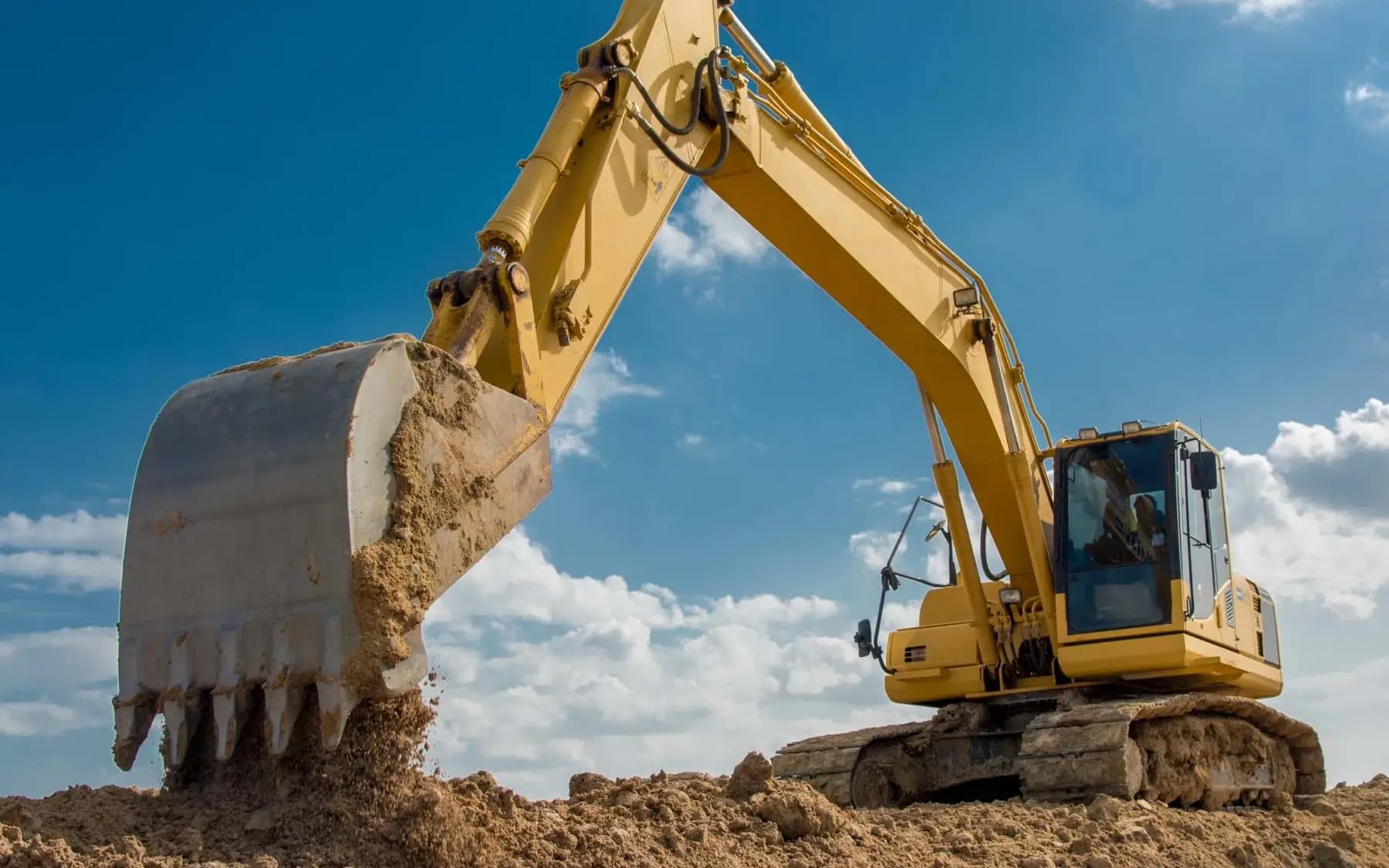
We structure leases on excavators, loaders, dozers, and the full range of earthmoving equipment. Depending on how you want the deal to end, we can set you up with a fair market value lease, a dollar buyout, or something in between. Each structure has a different payment profile and different tax treatment, so picking the right one matters before you sign.
Lease Structures for Dirt Equipment
There are two primary lease structures most contractors encounter. A fair market value lease sets lower monthly payments because you are not paying down the full purchase price. At the end of the term, you can buy the machine at its current fair market value, return it, or roll into a new lease. This structure works well when you want to keep capital fluid or plan to upgrade equipment every few years as technology and efficiency improve.
A dollar buyout lease functions more like a loan, where payments are higher because you are essentially paying off the full value. At the end, you pay one dollar and own the machine outright. Contractors who want clean ownership at term end but prefer the accounting treatment of a lease payment over a loan often land here.
Both structures are legitimate and common in the excavation and earthmoving trades. The right call depends on your tax position, how long you plan to use the machine, and whether you want flexibility or certainty at the end.
Payment Profiles and Term Length
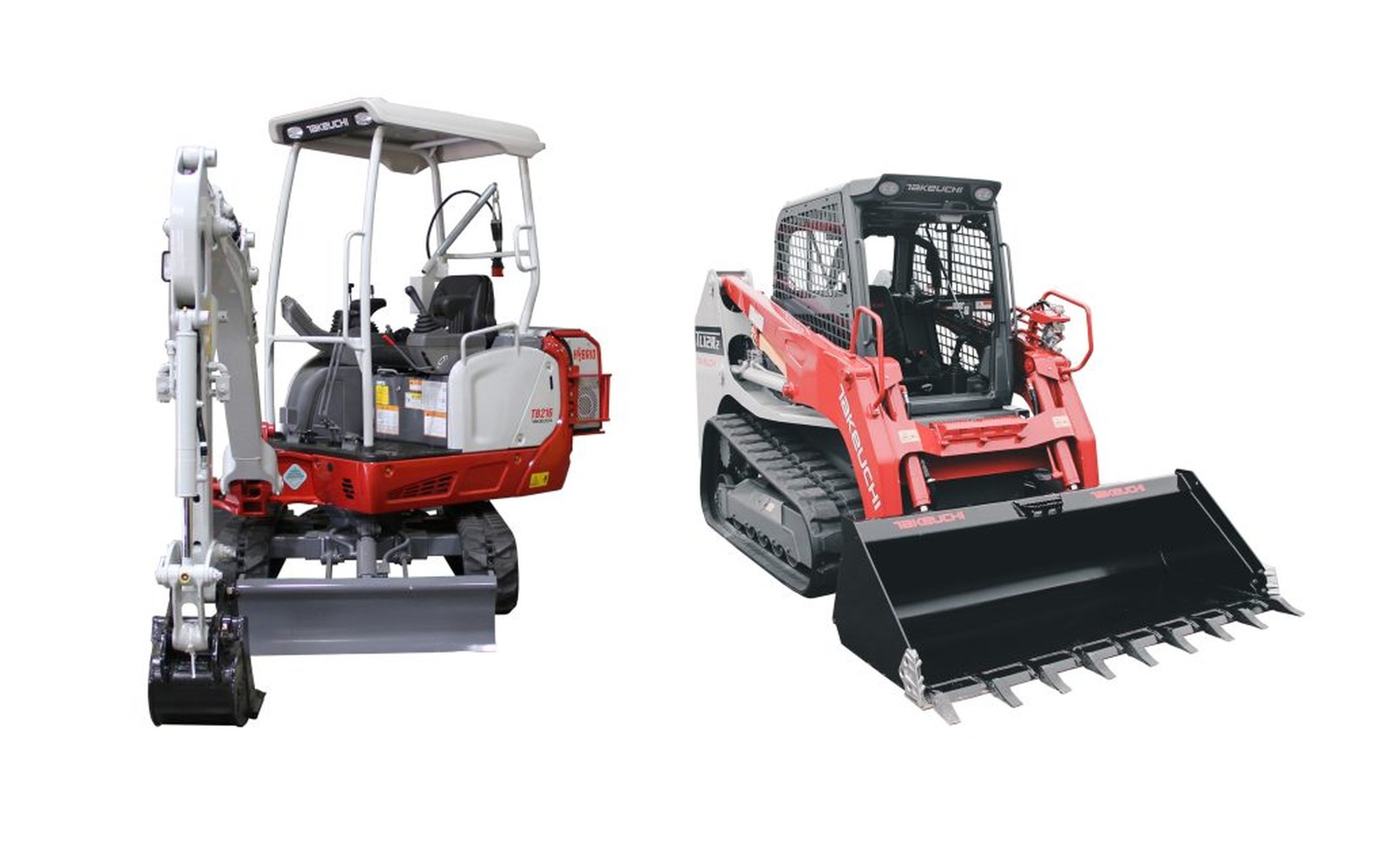
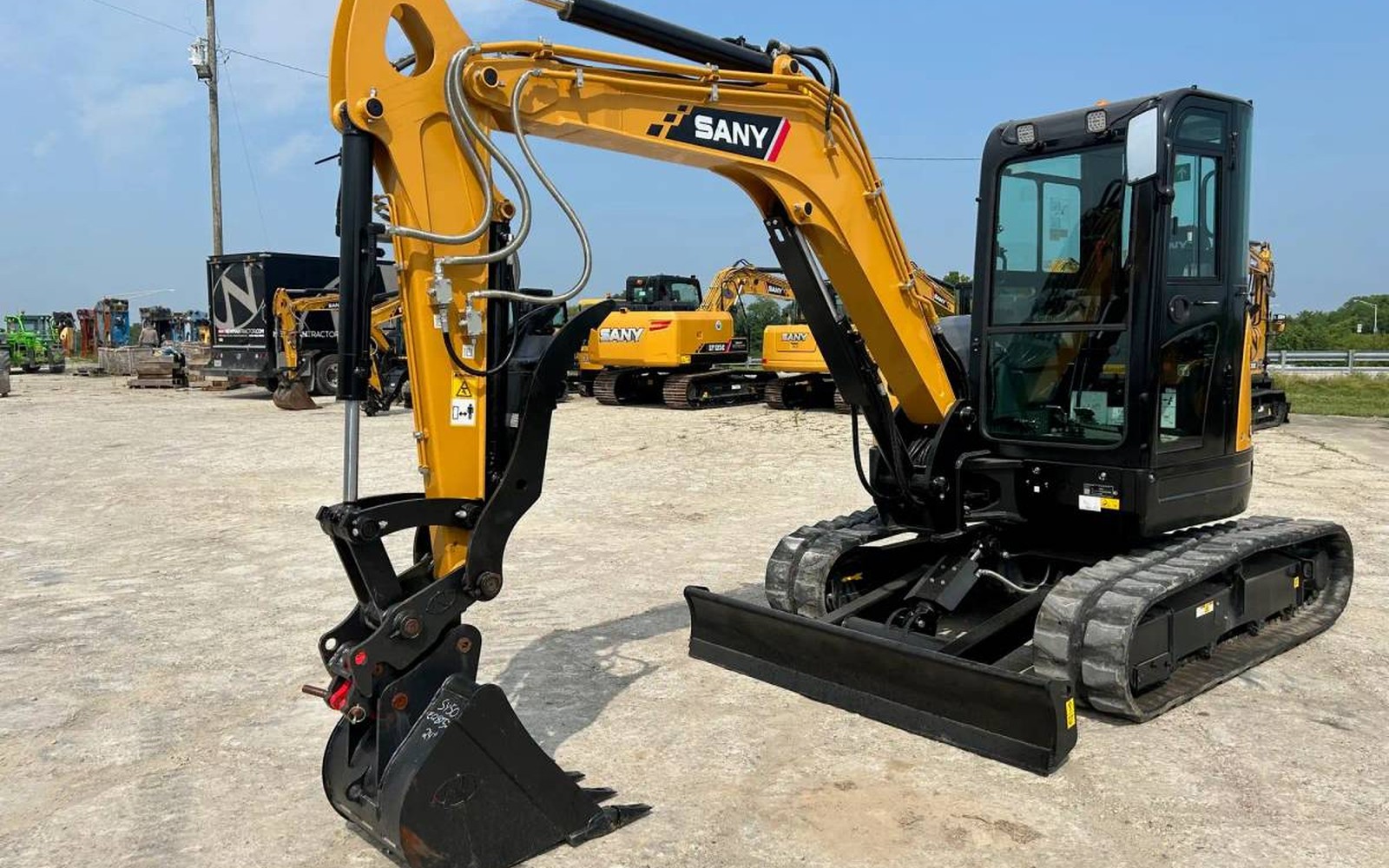
Lease terms on heavy equipment typically run 24 to 72 months. Shorter terms mean higher monthly payments but faster turnover. Longer terms drop the monthly cost but expose you to holding an aging machine past its most productive years. For compact excavators and mini excavators, where models and features evolve quickly, a 36 to 48-month term keeps you current without overpaying.
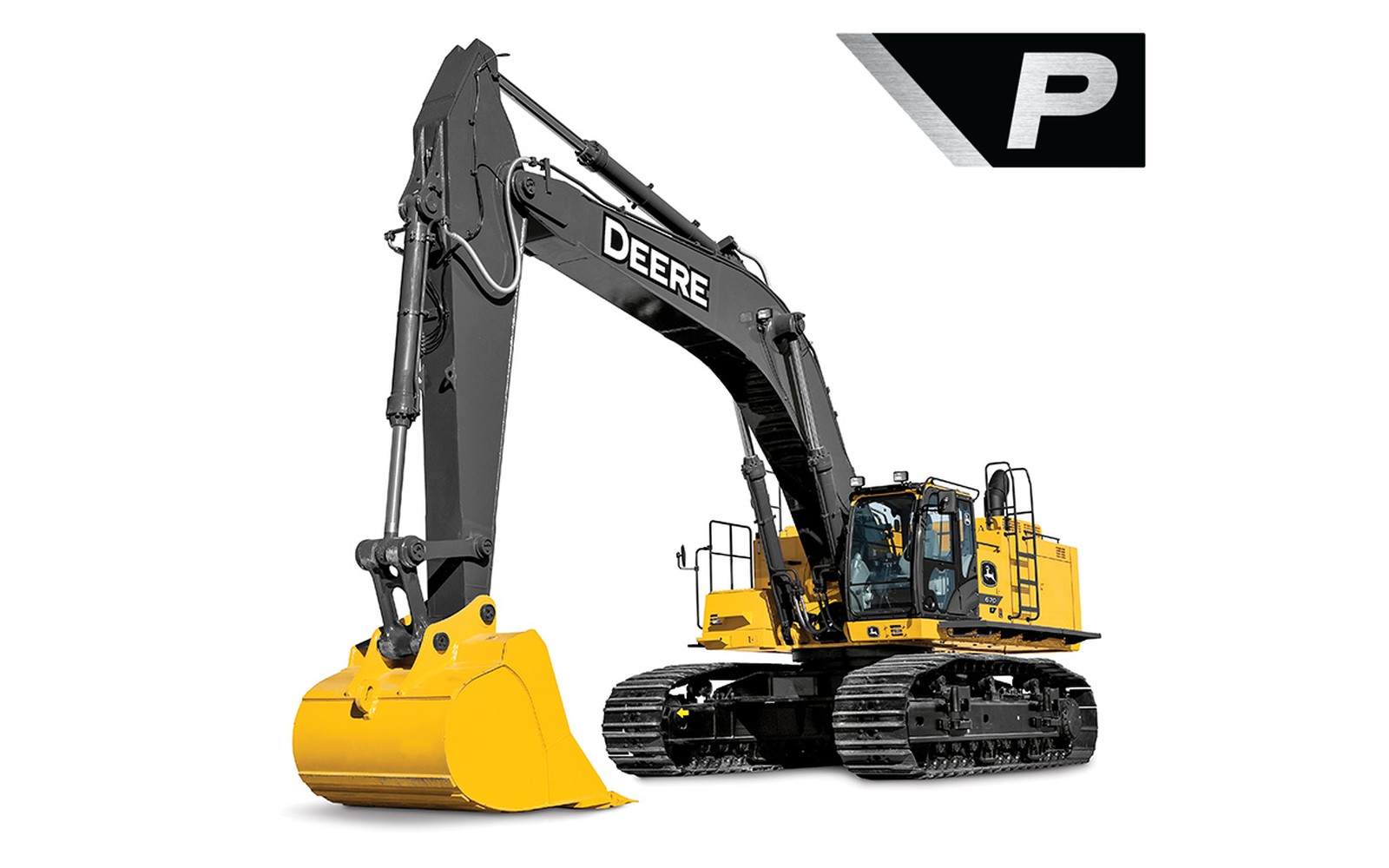
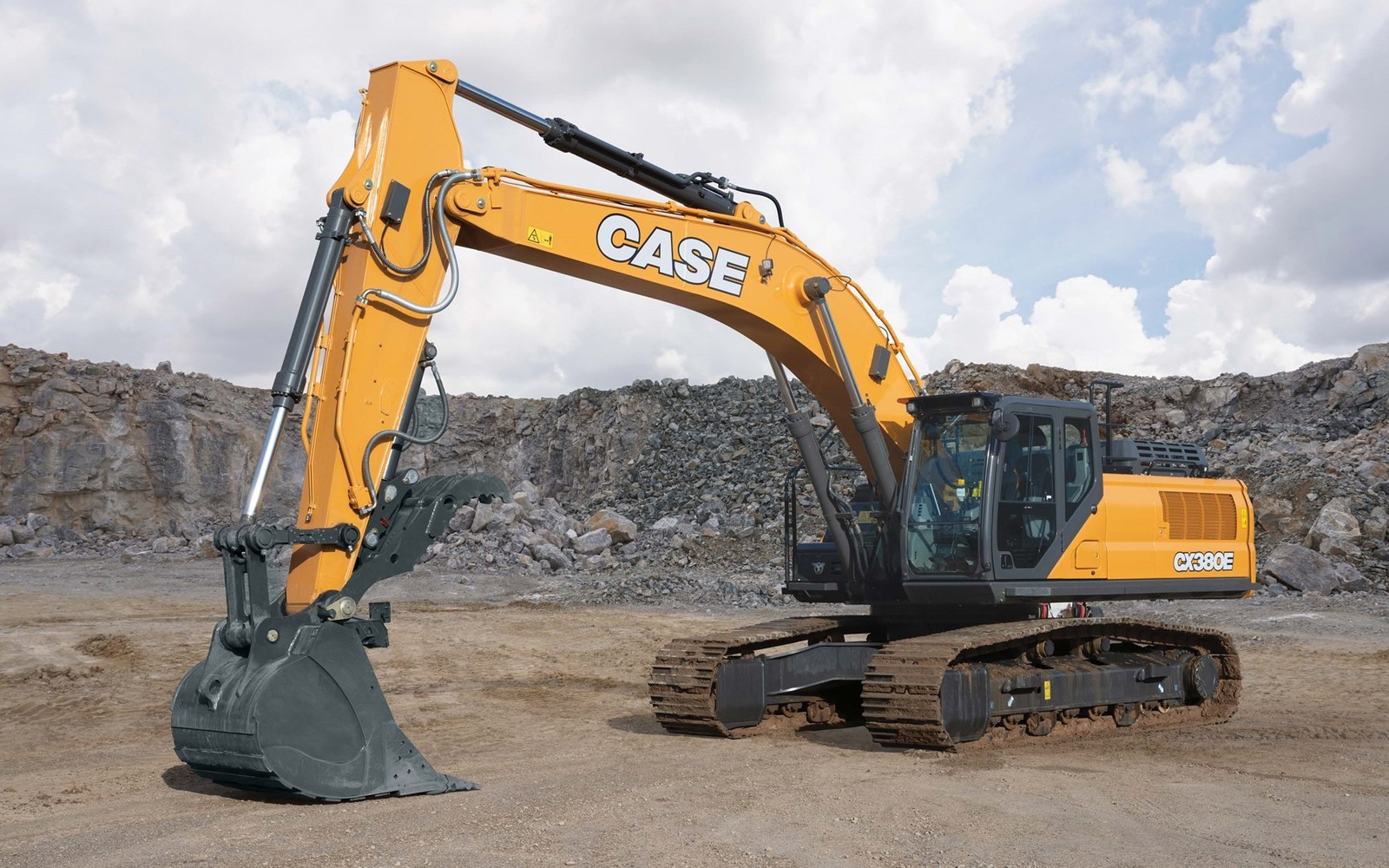
For larger iron, a large excavator in the 50-ton class has a long productive life, and a 60 to 72-month lease often makes sense. Payment amounts also depend on the machine's residual value at lease end, which the lender sets at origination. A higher assumed residual means lower payments; a lower residual means higher payments but less risk that the machine is underwater at the end.
Most leases require a security deposit equal to one or two monthly payments. Some programs have first-and-last payment structures at signing. We lay out the full payment-one cash requirement before you commit.
Who Uses Equipment Leasing
Leasing is common among contractors who bill consistent project revenue and want predictable monthly expenses rather than variable loan balances. Site development contractors who work on multi-year residential subdivisions often lease the primary dig machine and buy support equipment outright. The lease keeps the biggest single payment under control while they own the smaller fleet pieces free and clear.
Contractors expanding into a new service line sometimes lease a first machine in that category to test the work before committing to ownership. A demolition contractor adding high-reach demolition work to their scope might lease a specialized machine for the first contract cycle before deciding whether it belongs in their permanent fleet.
Tax-motivated leasing also shows up in healthy years. When a business has had a strong year and wants to reduce taxable income, lease payments are deductible as operating expenses in full. Compare that to loan payments, where only the interest is deductible and depreciation is claimed separately over the asset's useful life.
Lease vs. Loan: Picking Your Path
The direct comparison most contractors ask about: if you know you want the machine long term, an equipment loan usually wins on total cost. If you want lower monthly payments, the ability to upgrade, or a deductible operating expense rather than a capitalized asset, a lease has real advantages.
Hybrid approaches exist. Some contractors lease primary production machines and take out loans on support equipment they know they will run for a decade. Others use sale-leaseback transactions to pull equity out of owned machines and reinvest in new capacity. The capital structure question is worth thinking through with your accountant before you pick a structure, because the tax implications can be meaningful at the volumes most excavation businesses operate.
Get Lease Options on Your Next Machine
Tell us the machine, the dealer, and roughly how long you expect to use it, and we will come back with FMV and dollar-buyout payment comparisons side by side. No commitment to run the numbers. Minimum deal size is $50,000. Most contractors have an answer within a business day.