
A contractor with one machine can do one job at a time. Two machines means two jobs, two revenue streams, and twice the capacity to take on what the market is offering right now. At some point, growing a fleet stops being an ambition and starts being how you stay competitive in your market and stop turning down work because you do not have the equipment in the yard to do it. The question is not whether to add machines, it is how to structure the financing so you are not running out of operating capital every time a new piece of iron comes into the yard. Fleet financing is that structure, and getting it right means the machines earn before the payments become a burden on the business that owns them. That calculation starts with matching the right deal structure to the right growth trajectory.
Fleet financing is not a single product. It is a strategy for financing multiple pieces of equipment in a way that fits your cash flow, your growth rate, and your business cycle. Whether you are adding two excavators for a large site contract, equipping a complete new paving crew from scratch, or building out a heavy earthmoving operation across multiple project sites simultaneously, the approach to financing the fleet has to match the scale and the timeline of the work you have already won and plan to pursue in the coming season. Done right, the machines fund themselves from the contracts they enable you to take.
How Fleet Financing Works
Fleet financing can work through several structures depending on deal size and business profile. The most common is a series of individual equipment loans packaged together under a single application, which simplifies the approval process and can produce better terms than placing each machine separately with different lenders. For larger fleets, a master equipment financing agreement or revolving facility allows a contractor to draw down financing for machines as they are acquired over time, without reapplying each time a new machine is identified.
At the individual deal level, application-only underwriting covers fleet additions up to approximately $400,000 per machine. Full financial packages with three months of bank statements and recent tax returns unlock the broadest lender market for larger machines and higher total fleet values. A single credit review for a multi-machine package is often more efficient than separate applications for each piece. We handle the packaging and present the fleet to lenders as a coherent business investment rather than a collection of independent requests from a single contractor.
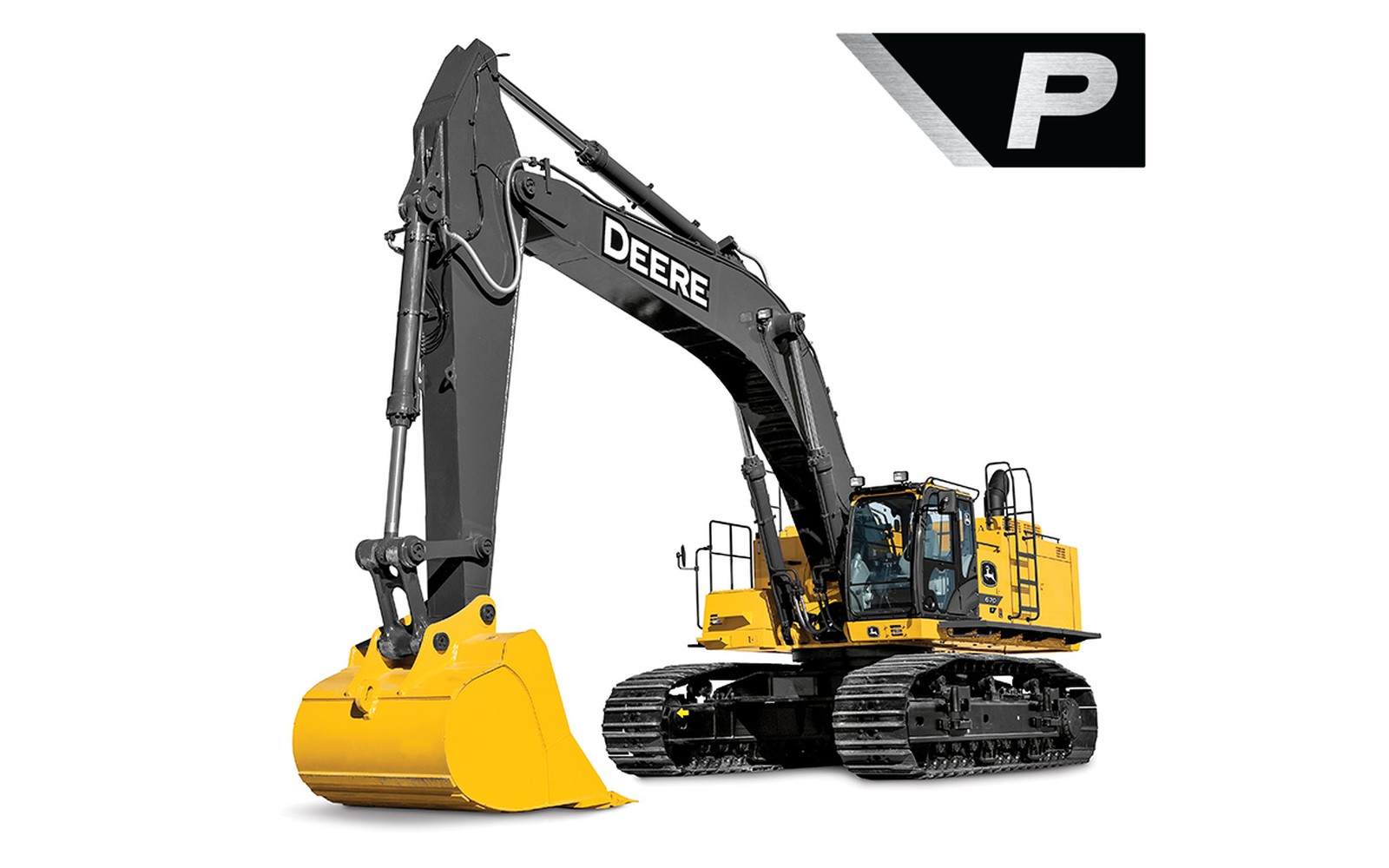
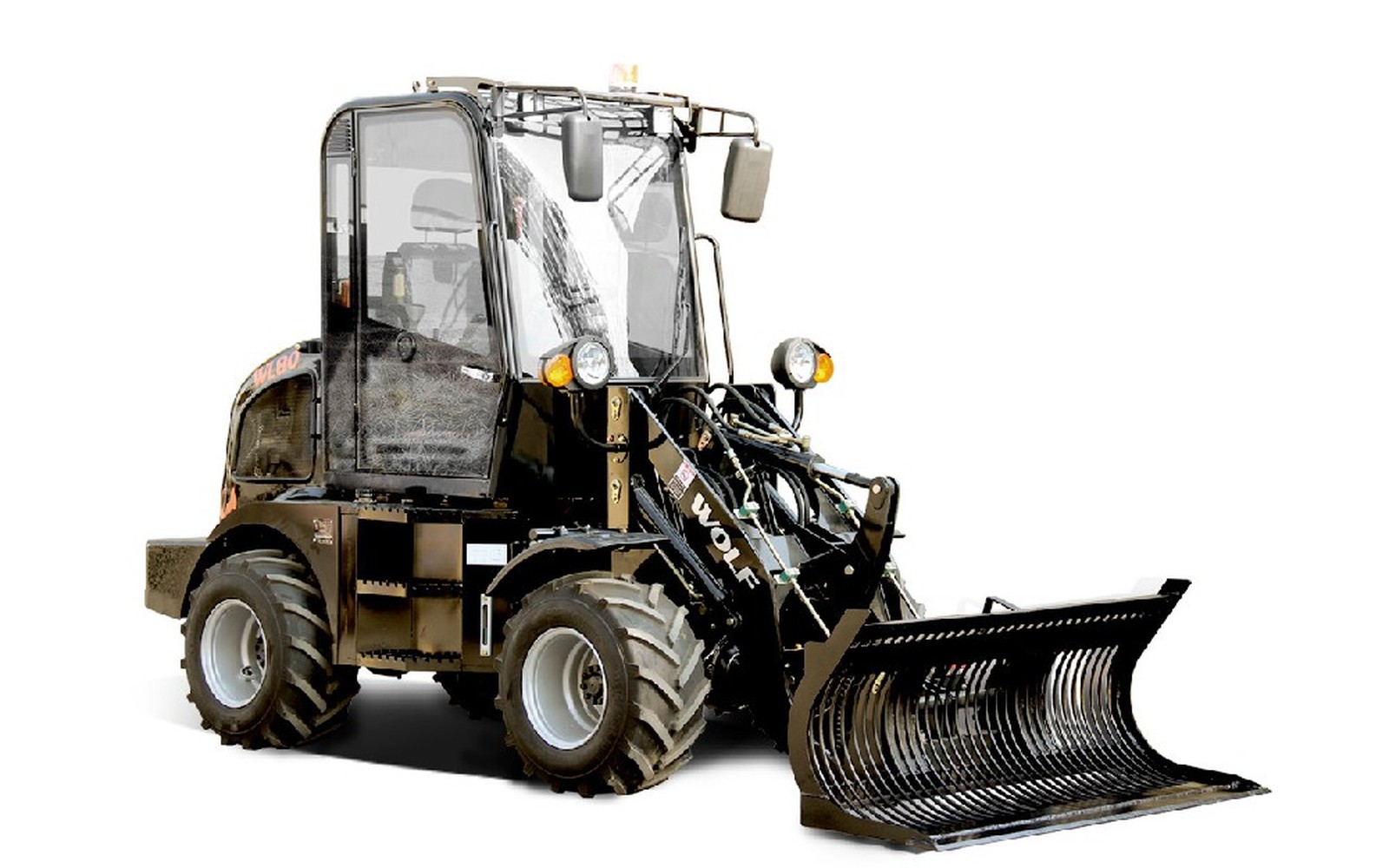
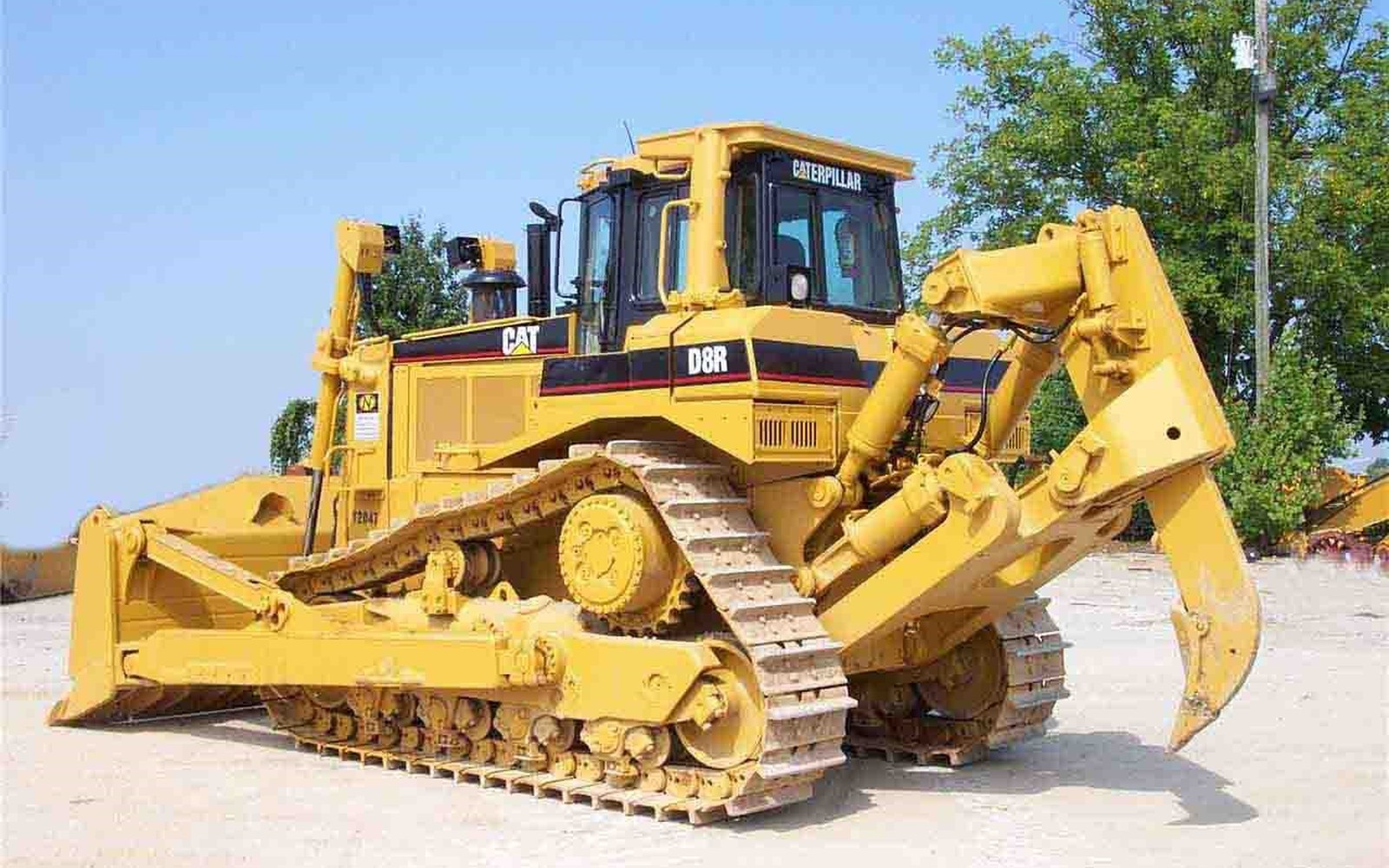
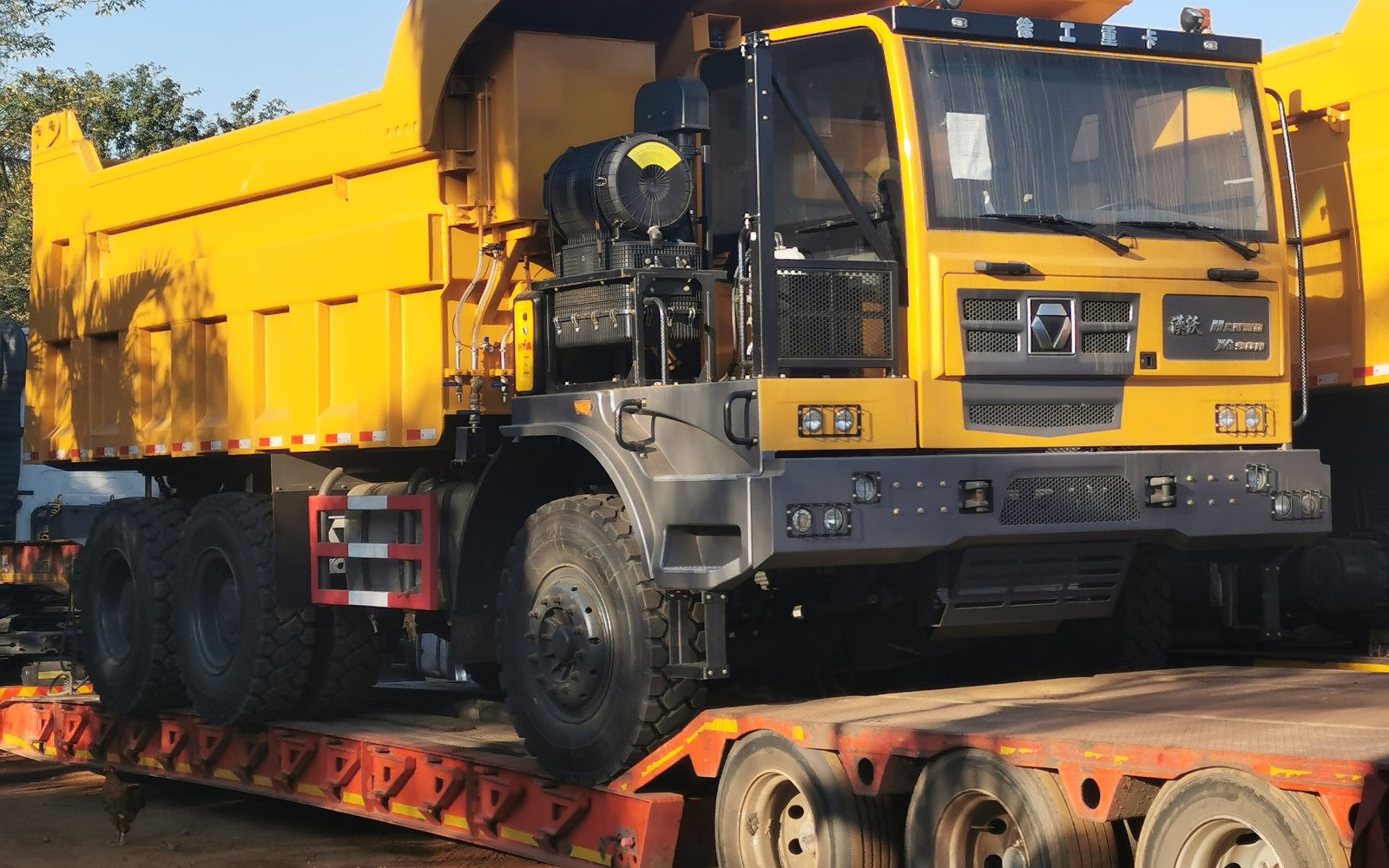
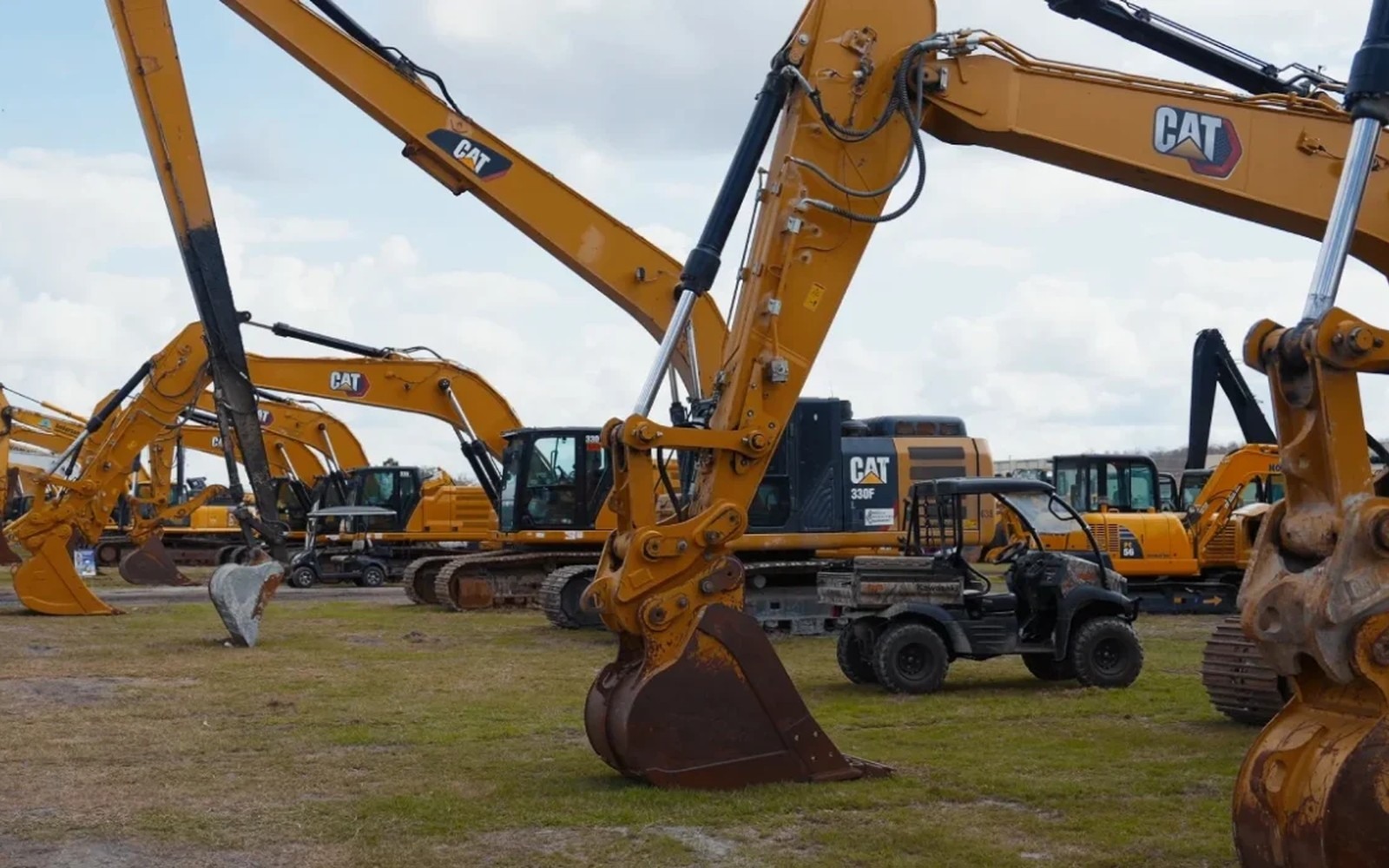
For contractors building a mixed fleet, we finance excavators, wheel loaders, bulldozers, articulated dump trucks, and supporting equipment like compaction rollers all under the same coordinated approach.
Who Uses Fleet Financing
Excavating contractors scaling from one or two machines to a full multi-crew operation are a core fleet financing client. A contractor who lands a large subdivision site contract, a highway median project, or a multi-year utility installation deal suddenly needs the equipment to execute the work. Financing the required machines in a coordinated package is the practical path that avoids either depleting working capital entirely or turning down work because the equipment is not in place.
Crane rental companies building out their lifting fleet, paving companies adding a second or third paving crew to take on more DOT work, and demolition contractors expanding into new market segments all use fleet financing to manage their growth without the cash flow problems that come from paying for multiple machines out of operating income. Commercial construction companies that prefer to own rather than rent their site equipment are another significant fleet financing market, particularly when a multi-year project justifies the capital investment.
Fleet Financing Terms and Structures
Terms on fleet deals vary by machine age and size, but a coordinated package often achieves better average terms than individual machines placed separately. Lenders who see a $1.5 million fleet package with a strong operator and solid financials behind it may price more aggressively than the same lender would for a single $300,000 machine deal from the same borrower. We negotiate on your behalf with that leverage rather than treating each machine as a standalone request that has to stand on its own merits.
Down payment requirements on fleet deals can sometimes be structured across the package rather than requiring the same percentage on each machine. Newer machines may require less down payment, older machines more, and the blended requirement for the whole package may be lower than what the worst-case individual machine would demand on its own. For contractors who want to minimize cash outlay, ask about No-Money-Down Equipment Financing options and Application-Only Financing structures that can reduce both the document burden and the cash requirement on qualifying fleet additions.
Fleet Refinancing and Sale-Leaseback
A fleet that has been built over several years may have mixed financing ages, rates, and payment structures across the machines, which creates administrative complexity and potentially high total monthly obligations if some early loans were placed at unfavorable rates. Consolidating those obligations under a single refinanced facility simplifies cash management and may reduce total monthly payments if rates have improved or terms can be extended across the fleet.
A fleet-level Sale-Leaseback converts equity across multiple machines to working capital simultaneously. For a contractor with four or five paid-off machines and a large contract that requires significant working capital upfront, a fleet sale-leaseback can unlock the capital needed without selling a single machine. We have structured these transactions for earthmoving operations that needed liquidity for a new contract without wanting to permanently reduce their fleet capacity.
Related Financing Options for Fleet Builders
Contractors who are buying at auction to build out their fleet quickly benefit from our auction and private-party financing approach, which handles the compressed timeline of auction purchases where decisions are needed before bidding. For operators dealing with a challenging credit period while trying to add fleet capacity, our bad-credit equipment financing page covers the lender options and deal structures that apply to that profile. Tax-focused buyers should look at Section 179 financing, which can produce meaningful first-year deductions on a fleet acquisition and effectively subsidize part of the purchase price through the tax code.
Fleet Financing FAQs
Questions from contractors building and managing equipment fleets.
Build Your Fleet the Right Way
Tell us what machines you need, the purchase prices, and your timeline. We will structure the fleet deal and get lender approvals fast. Apply or call us to get started on the full package.