
Every dollar sitting in your account waiting to become a down payment is a dollar not bidding jobs, not paying operators, and not covering the fuel bill on next week's project. Zero-down equipment financing keeps that capital liquid while the machine goes to work immediately. It is not available to every borrower or on every deal, but for qualified contractors, it is a real option that some lenders offer on the right equipment at the right terms.
The trade-off is honest: a higher loan balance means higher monthly payments and more total interest over the term. Whether that trade makes sense depends on what the capital you would have spent on a down payment can actually earn if it stays in the business. For a contractor with profitable work in the queue and the cash flow to handle the payment, zero-down is a legitimate financial tool, not a desperation move.
Who Qualifies for Zero Down
No-money-down financing is primarily available to borrowers who present minimal credit risk. The lender is taking on 100 percent of the machine's purchase price without the cushion that a down payment provides. That exposure requires confidence in the borrower's ability and willingness to pay. The factors that drive that confidence:
- Strong personal and business credit. A personal score above 700 and a business credit history with clean payment records on prior equipment notes is the clearest path to zero-down approval.
- Established operating history. Two or more years in business with consistent revenue substantially improves the case. A lender seeing three years of bank statements with steady deposits from recognizable industry revenue has a clear picture of repayment capacity.
- New or low-hour equipment. The collateral quality matters more with zero down because the lender's coverage is thinner. A new machine from a major manufacturer, or a low-hour certified used unit, is an easier lender story than a 10-year-old unit with high hours.
- Strong debt service coverage. Lenders want to see that after covering existing obligations, the business has enough cash flow margin to absorb the new payment comfortably. Bank statements and tax returns that show healthy operating cash flow make this case.
The True Cost of Zero Down
Financing 100 percent of a machine's price means a larger loan balance and, all else equal, more total interest paid over the term. On a $200,000 machine over 60 months, the difference between 10 percent down and zero down is $20,000 more borrowed, which translates to a higher monthly payment and more interest across the life of the loan. The exact difference depends on the rate.
The relevant question is whether the $20,000 you kept in the business earned more than the incremental cost of financing it. If it funded a down payment on a second machine that is now billing, if it covered payroll during a gap between milestone payments on a large project, or if it let you bid a job you otherwise could not have mobilized for, the math can easily work in your favor. If it sat idle in a checking account, the cost of the zero-down structure was unnecessary.
We show the side-by-side comparison before you commit. The right structure is the one that fits your actual capital deployment plan, not a default assumption.
Situations Where Zero Down Makes Sense
A site development contractor who just closed a large subdivision grading contract and needs to add a machine immediately has a clear use case. The contract provides the revenue, the cash stays liquid to cover mobilization and early project costs, and the machine earns on the first week of the job. The lender sees both the contract and the cash flow history, which makes the approval straightforward.
Contractors upgrading primary machines and wanting to recycle the capital from their existing equipment into the new acquisition sometimes combine a zero-down loan on the new machine with a sale or leaseback on the old one simultaneously. The proceeds from the old machine fund working capital while the new machine operates under a zero-down loan. This requires coordinating two transactions but can be structured efficiently.
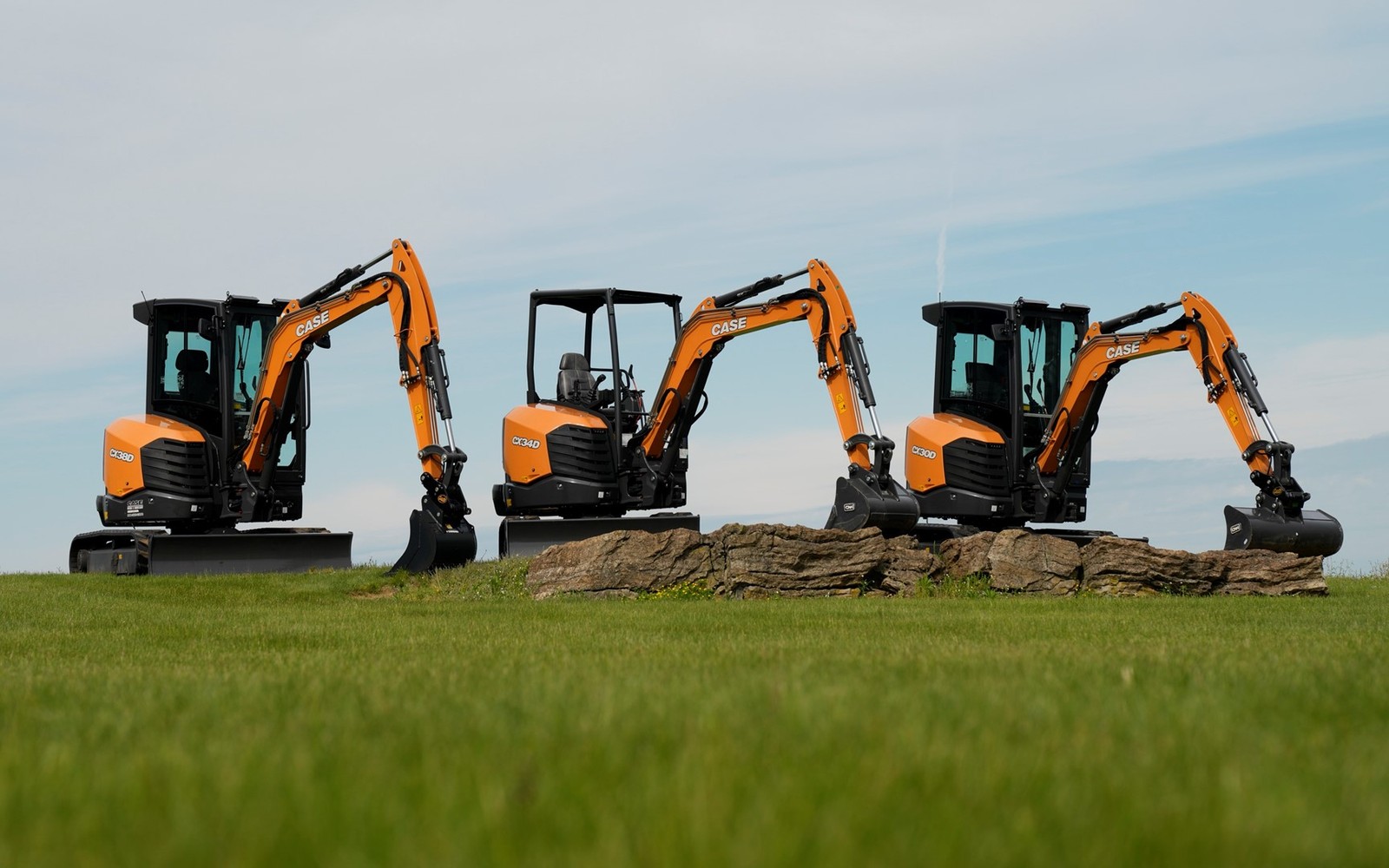
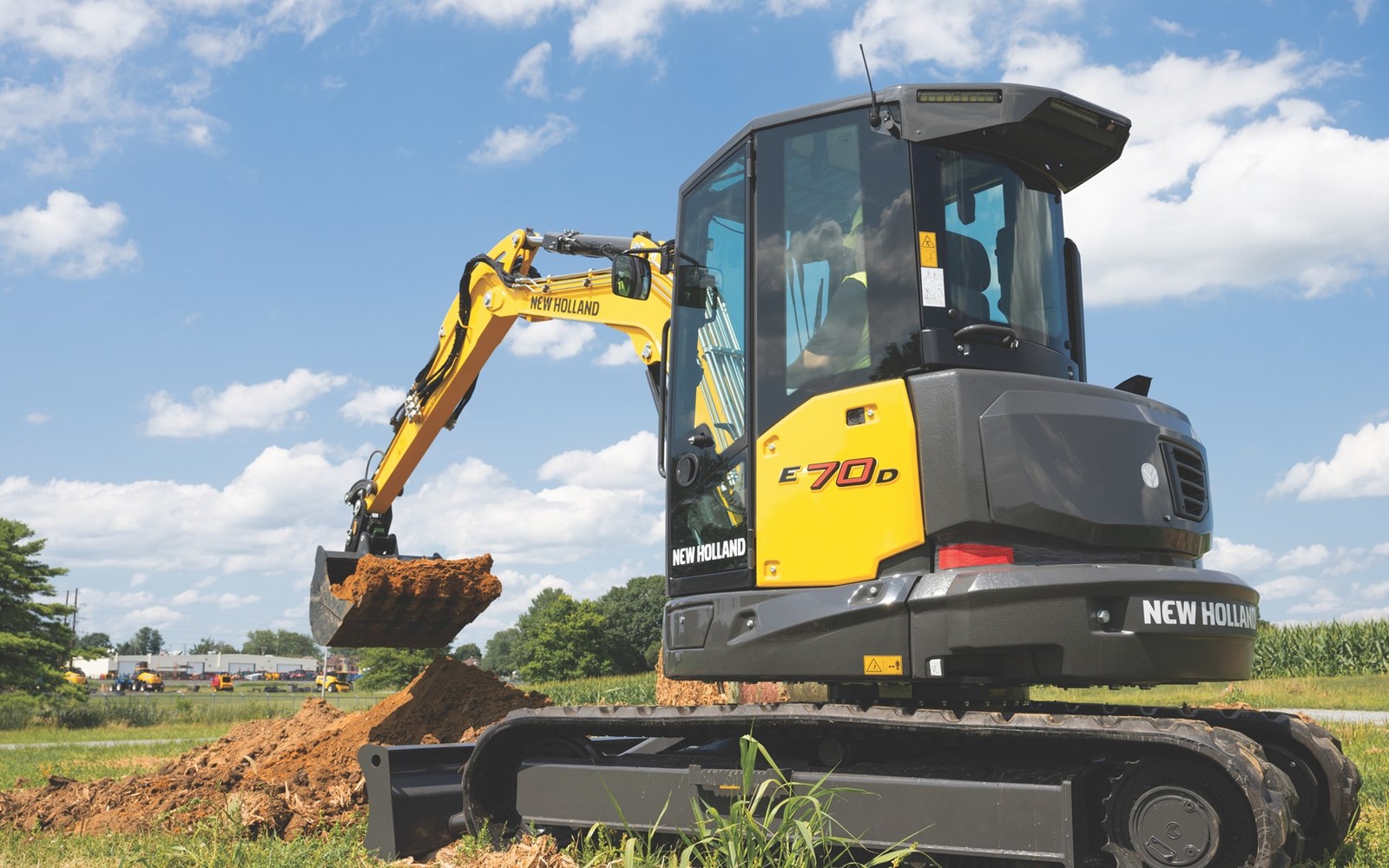
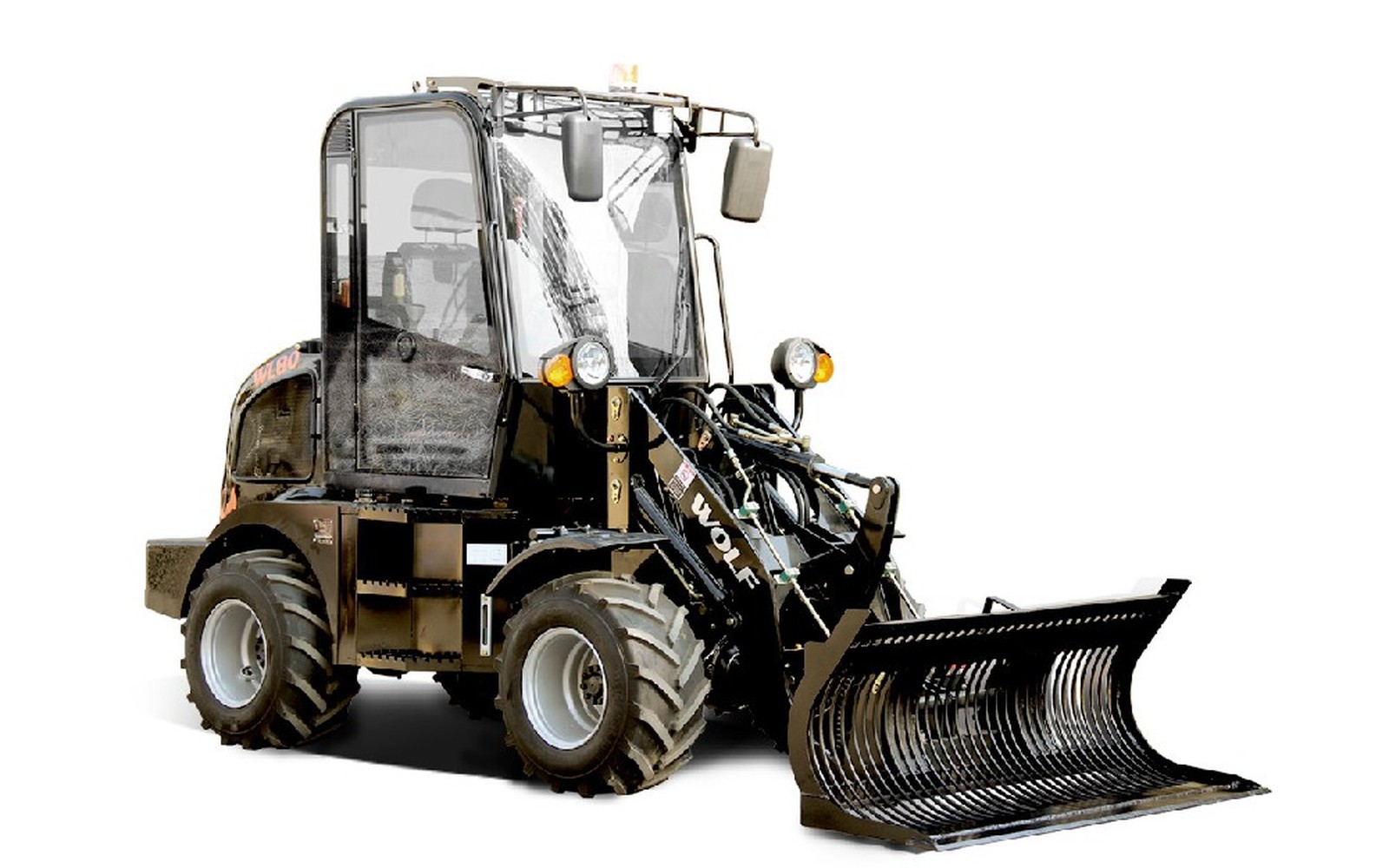
Midi excavator and wheel loader purchases from dealers who offer manufacturer-backed financing programs sometimes come with promotional zero-down terms during strong sales cycles. When those programs are available, they are often competitive with or better than what third-party lenders offer on comparable terms.
When Zero Down Is Not Realistic
If your credit file has challenges, your business is relatively new, or the machine you are targeting is older and higher-hour, zero-down is unlikely to be available at terms that work. In those scenarios, a solid 15 to 20 percent down payment is both more realistic and often a better financial decision anyway. Our page on B/C credit financing covers the landscape for borrowers where zero-down is off the table. Our startup financing page covers new businesses where some down payment is almost always required.
Check Whether Zero Down Is Available for Your Deal
Give us the machine, your business profile, and your credit range. We will tell you honestly whether zero-down is on the table and what terms look like versus putting something down. Minimum $50,000. Response within one business day.