
Chicago runs 24 hours and the dirt work keeps pace. Deep sewer rehab in the city grid, foundation excavation for high-rises in the Loop, massive site clearing for industrial parks along the I-55 corridor, and residential site prep in the collar counties all have one thing in common: you need the machine before the job starts, and the bid window does not wait for a bank to finish underwriting. We put excavator financing together for Chicago-area contractors on a timeline that matches how this market actually moves.
Deal size starts at $50k. Most transactions run $100k to $150k and above. Application-only financing is available up to roughly $400k on standard construction equipment, which covers the majority of single-machine purchases without requiring a full financial package. We finance new dealer iron and used equipment from auctions and private sellers, and we handle B/C credit without steering you to substandard terms without explanation.
The Work Driving Chicago's Equipment Demand
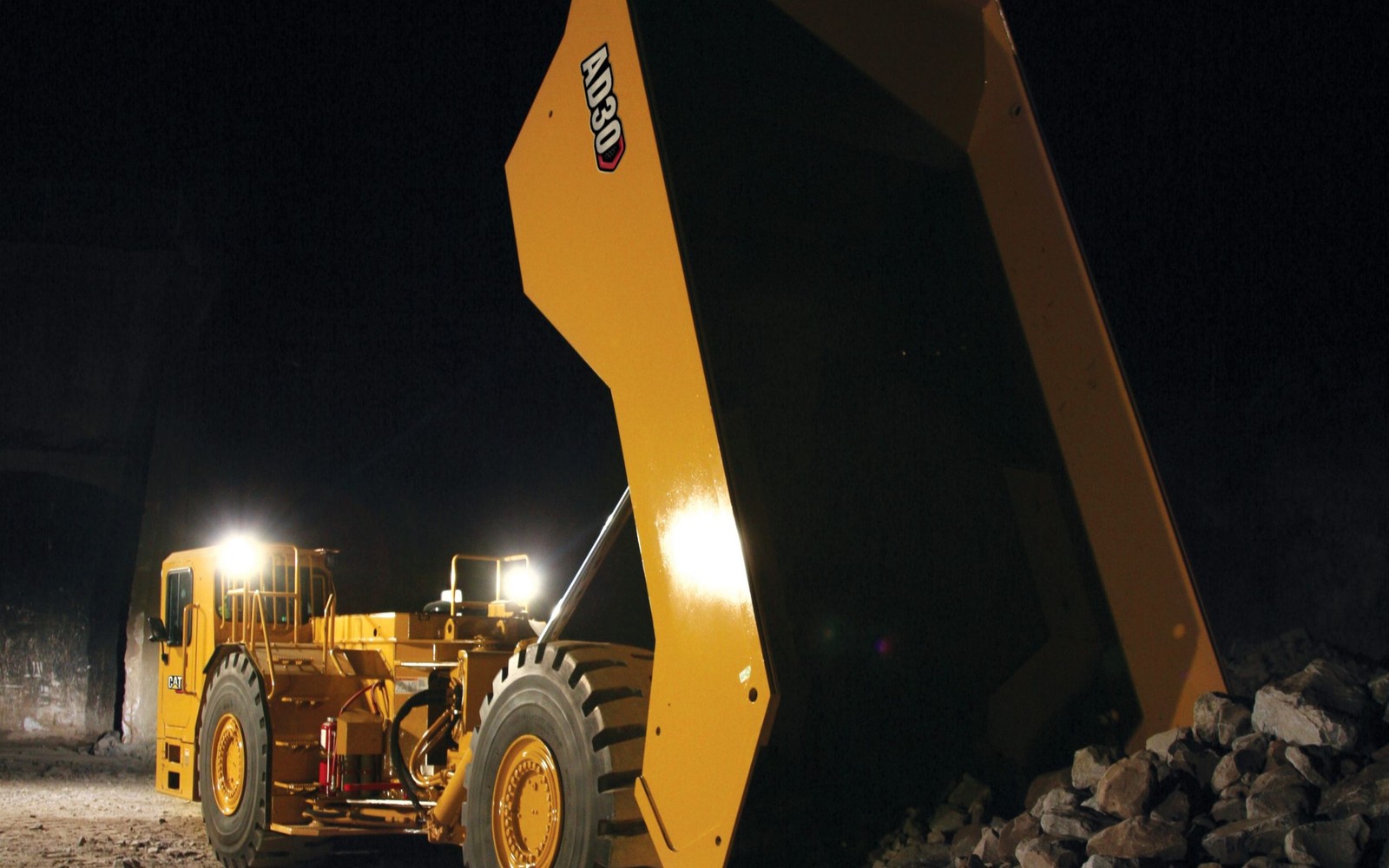
Cook County and the immediate collar counties represent one of the most complex construction markets in the country. The city's infrastructure is old and the replacement cycle is continuous: water mains, combined sewer overflows, vaults, tunnels, and the deep tunnel system all require specialized excavation and underground work. Underground and sewer contractors working Chicago run a different kind of job than most suburban site work, and their equipment reflects that.
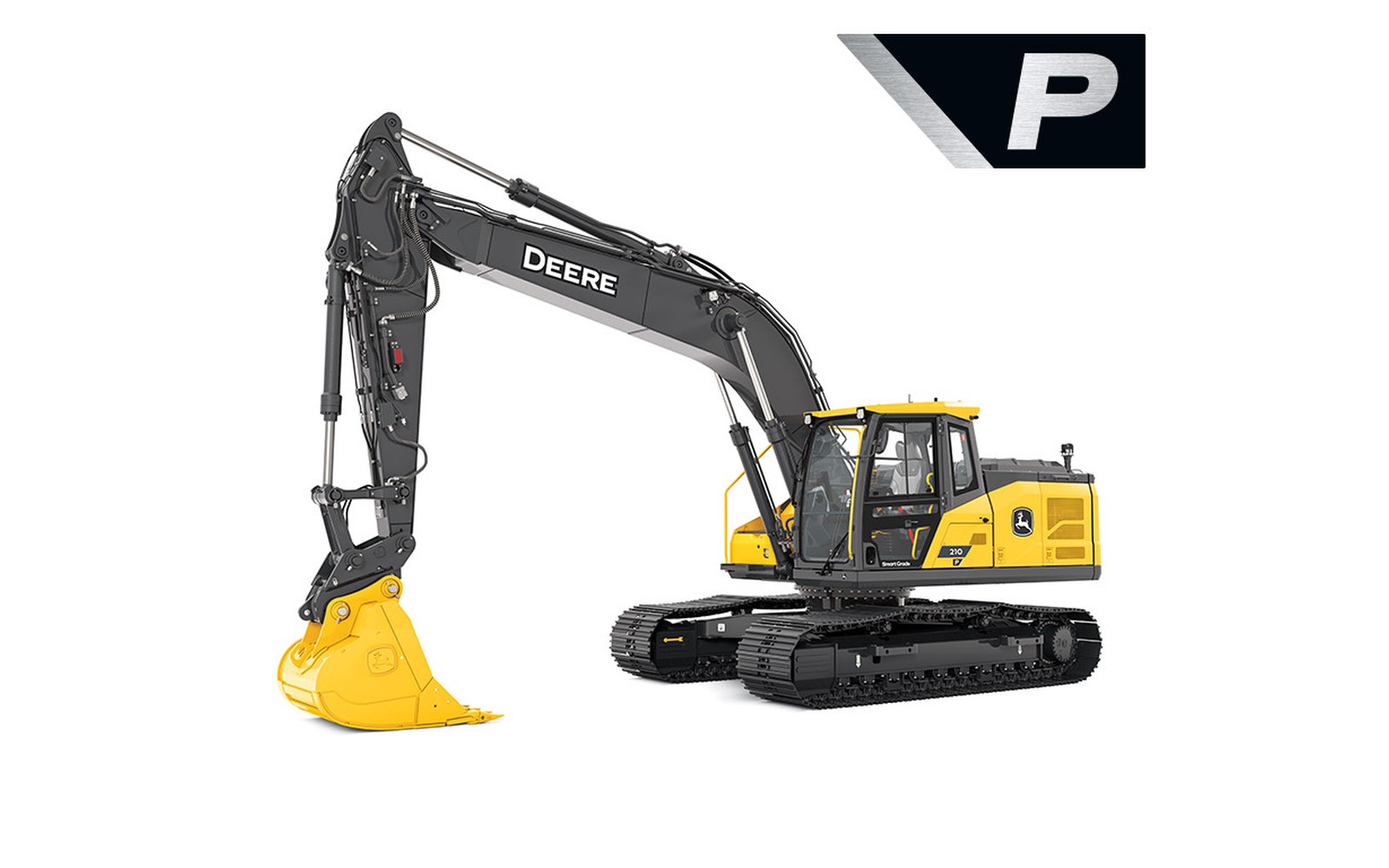
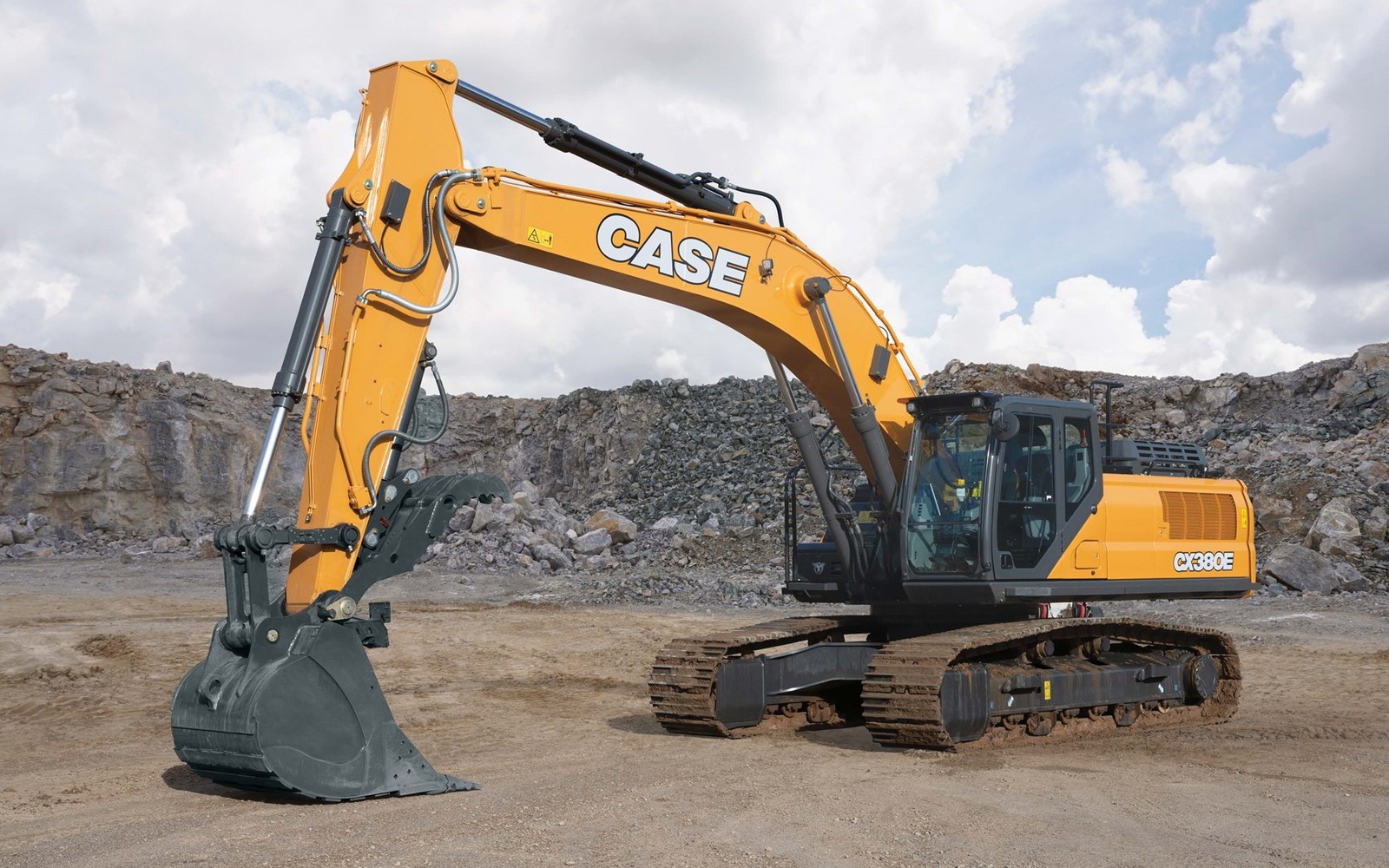
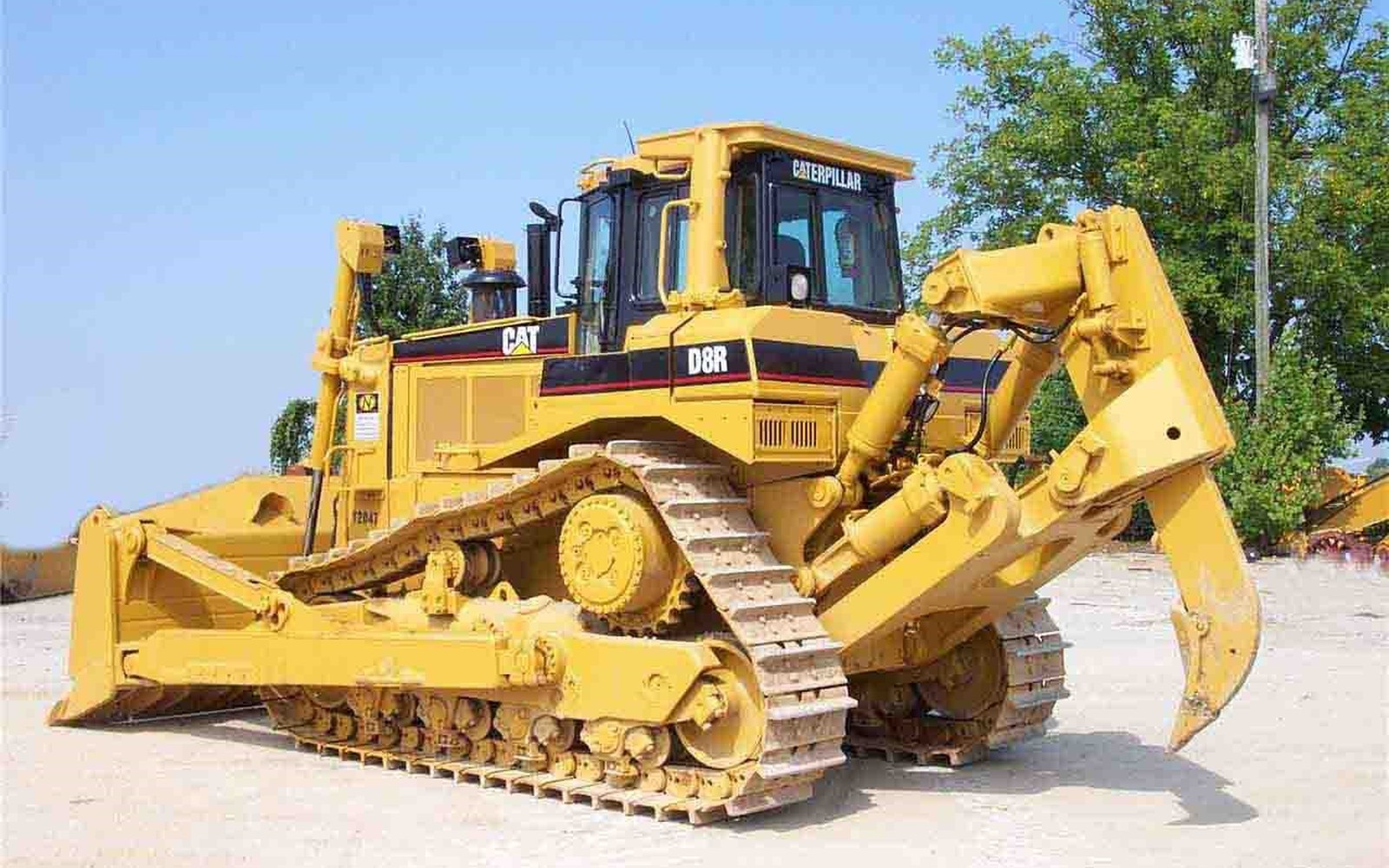
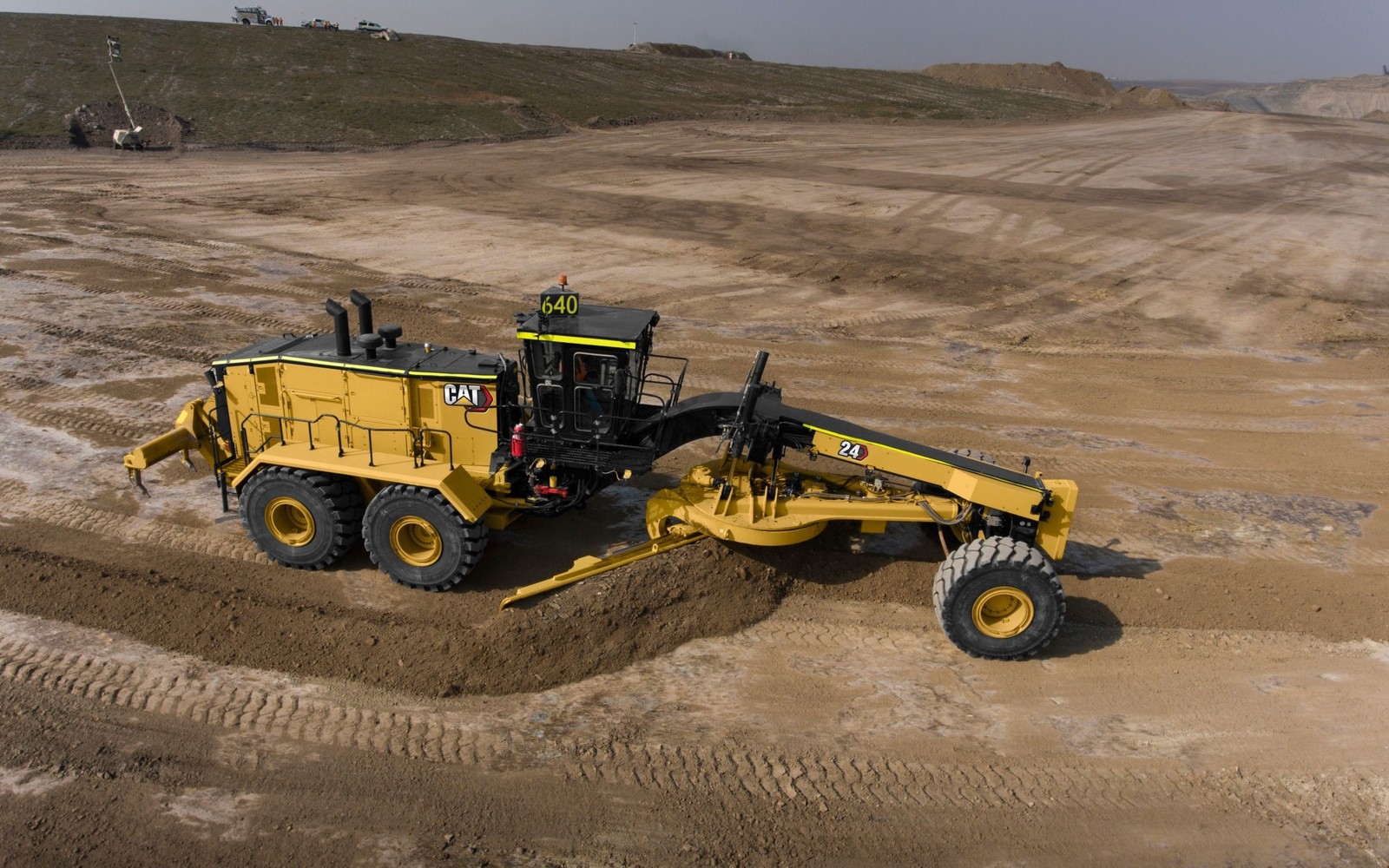
The I-80 and I-55 logistics corridors south and southwest of the city have been magnets for industrial and distribution development for over a decade. Site prep on a million-square-foot warehouse campus in Joliet, Romeoville, or Bolingbrook requires large machines: 30-ton-class crawler excavators, bulldozers for bulk push, and motor graders for final finish. Those are not five-day jobs and they are not small equipment budgets.
In the collar counties, DuPage, Kane, Will, and Lake continue to develop. Mixed-use projects, residential subdivisions, and commercial retail pads create consistent demand for mid-size equipment and the contractors who run it. The variety of project types in the Chicago market means a contractor here often needs to spec a different machine class depending on what month the work lands.
What Chicago Contractors Are Financing
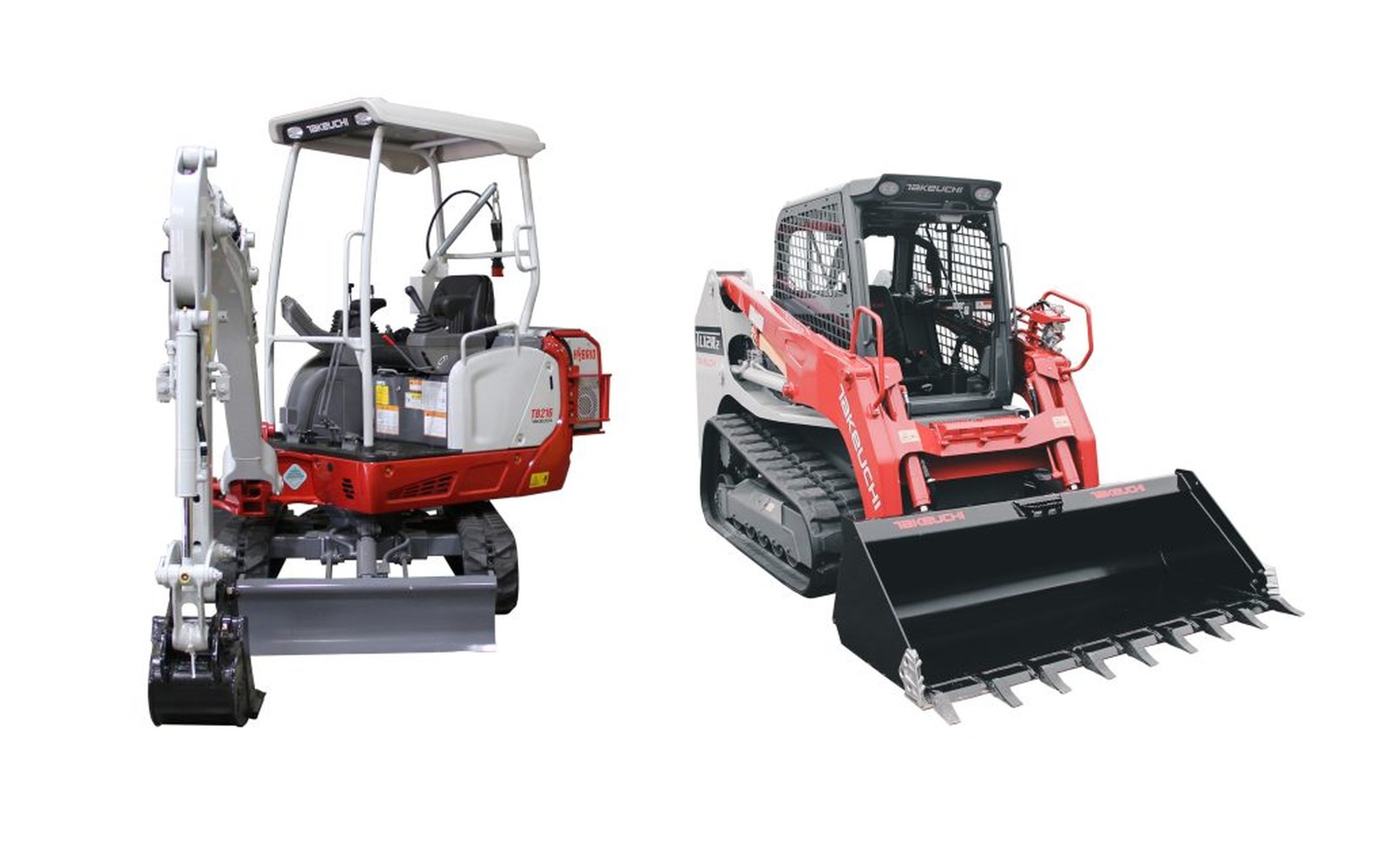
The urban core demands compact and mid-size machines that can access tight sites, navigate street corridors, and move between jobs without complex permitting. Compact excavators in the 5- to 8-ton range and midi machines in the 12- to 18-ton class do most of the work inside the city limits. Hydraulic thumbs and hydraulic breakers are standard accessories for the demo and remediation work that precedes new construction.
Suburban and exurban contractors tend toward the 20- to 35-ton class: enough machine to move real yardage on a commercial pad without going into oversize transport territory on most Illinois roads. Used equipment in this class is plentiful in the Chicago market and often priced attractively. A three- to six-year-old machine with verifiable service history and reasonable hours is a sound buy, and used equipment financing terms are competitive on well-maintained iron.
Credit and Documentation: What the Process Actually Requires
Chicago contractors come with a range of credit profiles, from clean and conventional to complex business histories with some credit events. We work across that range. The strongest profiles access the best terms on a simple application. Contractors with lower scores or prior credit issues typically need a stronger down payment, a shorter term, or both, but approval is possible in most cases.
Documentation for most transactions in the $100k to $400k range is three months of business bank statements plus the equipment information. Tax returns are sometimes requested on larger transactions or more complex credit situations. The lenders we work with understand construction business cash flow patterns, including seasonal fluctuations, heavy depreciation on existing equipment, and the difference between paper income and actual cash available.
If you are a Union contractor or a prevailing wage shop, your contract structure may include certified payroll and project documentation that actually strengthens your application profile. We know how to present that context to lenders. For contractors who need B/C credit equipment financing, we match the deal to programs designed for that profile rather than routing you through a process that will generate a decline.
Other Structures Worth Knowing
If your operation has owned equipment that has appreciated or been paid down, a Sale-Leaseback is a capital tool worth understanding. You sell the machine to a finance company, lease it back immediately, and the cash proceeds go to your business. The machine stays working. The monthly payment is fixed and predictable. For Chicago contractors juggling bonding capacity and working capital on large municipal projects, having liquidity from existing assets without selling the equipment can make the difference on a bid.
For fleet buyers or contractors adding multiple machines, equipment loans on individual units sometimes compete with a fair market value lease on total cost of ownership depending on how long you keep the equipment. Running the math on both structures before committing is worth the ten minutes.
Chicago-Area Contractors We Work With
Excavating contractors working the suburban commercial and industrial site market across the collar counties make up a large share of our Chicago business. They run a mix of public and private work, often on multi-month or multi-year projects, and they need equipment financing that does not require a separate full financial package every time a new machine is added to the fleet.
General contractors who self-perform their own earthwork rather than subcontracting it are another active borrower group in this market. Keeping excavation in-house improves margins and project control. A GC who self-performs needs a capable machine and financing terms structured around a project schedule rather than just a credit score.
For contractors in the infrastructure sector, road and highway contractors working Illinois DOT projects and county road work around the metro use our programs for both standard excavators and specialty equipment like cold planers and motor graders. Those machines justify the financing on the length and value of the contracts that put them to work.
Chicago Jobs Don't Wait. Neither Should Your Financing.
Submit an application and we will have a decision back before the next job comes up. New machine from a dealer, used iron from auction, or equity pulled from equipment you already own, we handle all three. Chicago contractors work in one of the most competitive construction markets in the country, and the ones with equipment funded and ready consistently outbid the ones still waiting on paperwork. Get started online or give us a call and we will get moving immediately.