
Iron sitting on your yard represents capital that is not working. A sale-leaseback converts that idle equity into cash without removing the machine from service. You sell the equipment to a financing company, receive the purchase price in cash, then immediately lease the same machine back under a payment schedule. The machine never leaves your job site. The cash does go to work.
This structure is used by contractors who need a significant cash infusion without selling equipment they rely on, without taking on unsecured debt, and without waiting for a banking relationship to develop. If you own excavators, loaders, or other heavy iron free and clear, that ownership position is leverage. We can structure a leaseback that gives you access to that value while keeping the machine on the clock.
How a Sale-Leaseback Transaction Works
The mechanics have three parts. First, a lender agrees to purchase your equipment at an agreed value, which is typically based on an appraisal or established market comps. Second, the lender simultaneously enters into a lease agreement with you to lease the same equipment back. Third, you receive the purchase price in cash at closing and begin making lease payments on the schedule you agreed to.
From an operational standpoint, nothing changes. The machine is still on your jobs. Your operators run it the same way. You are responsible for maintenance and insurance. What changes is the ownership line on the title: the lender holds it during the lease, and at lease end you either return the machine, buy it at fair market value, or roll into a new agreement depending on the lease structure.
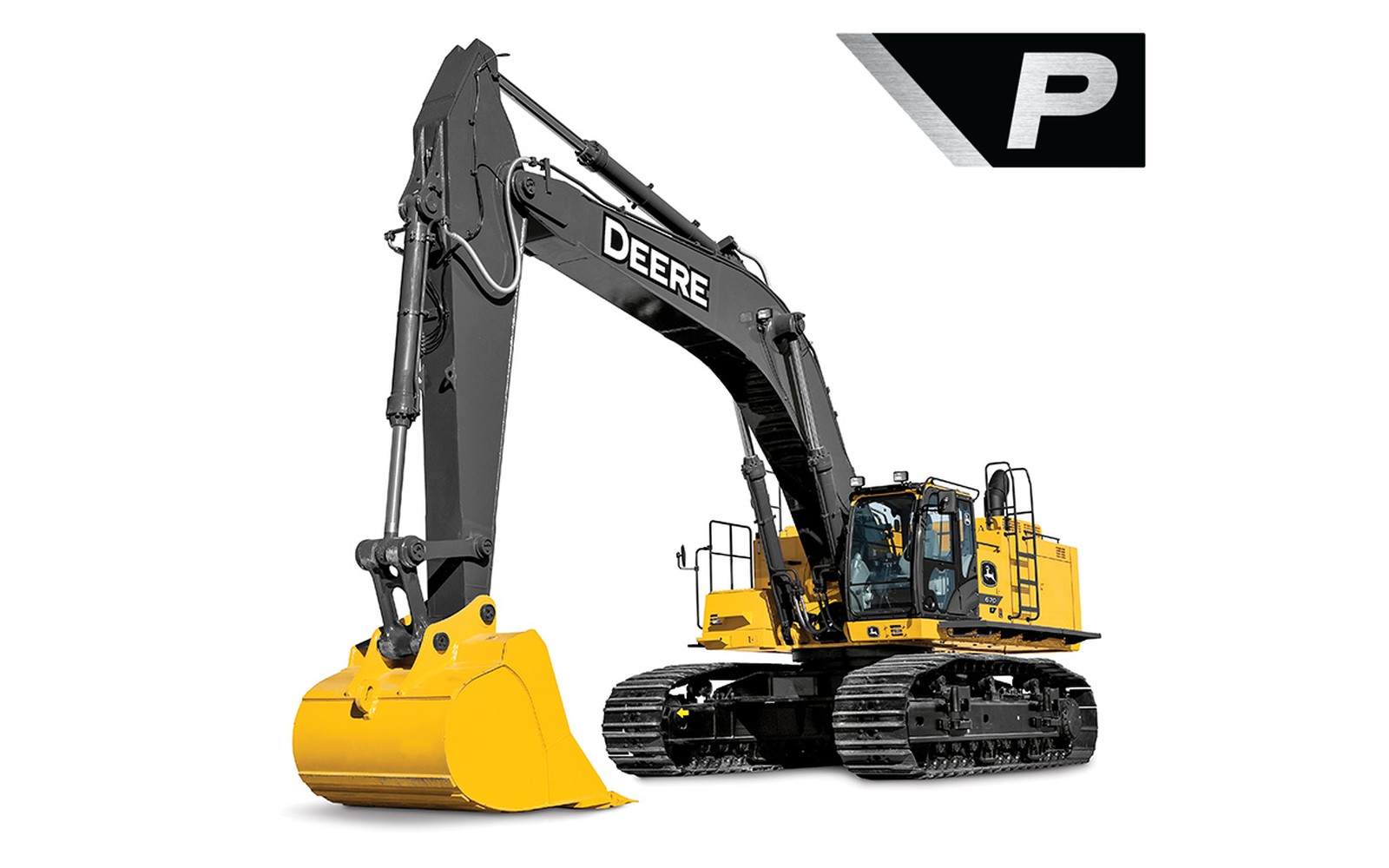
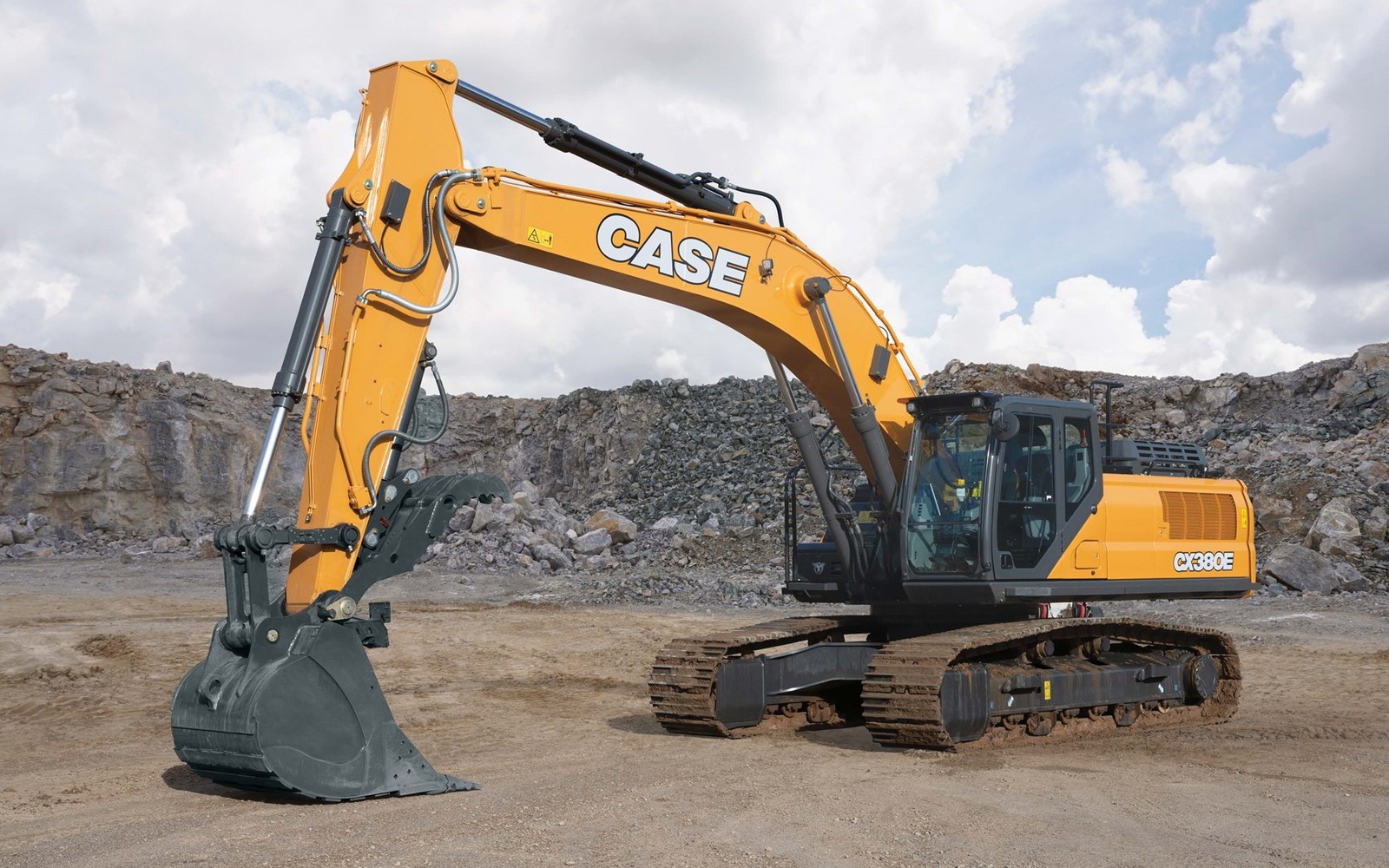
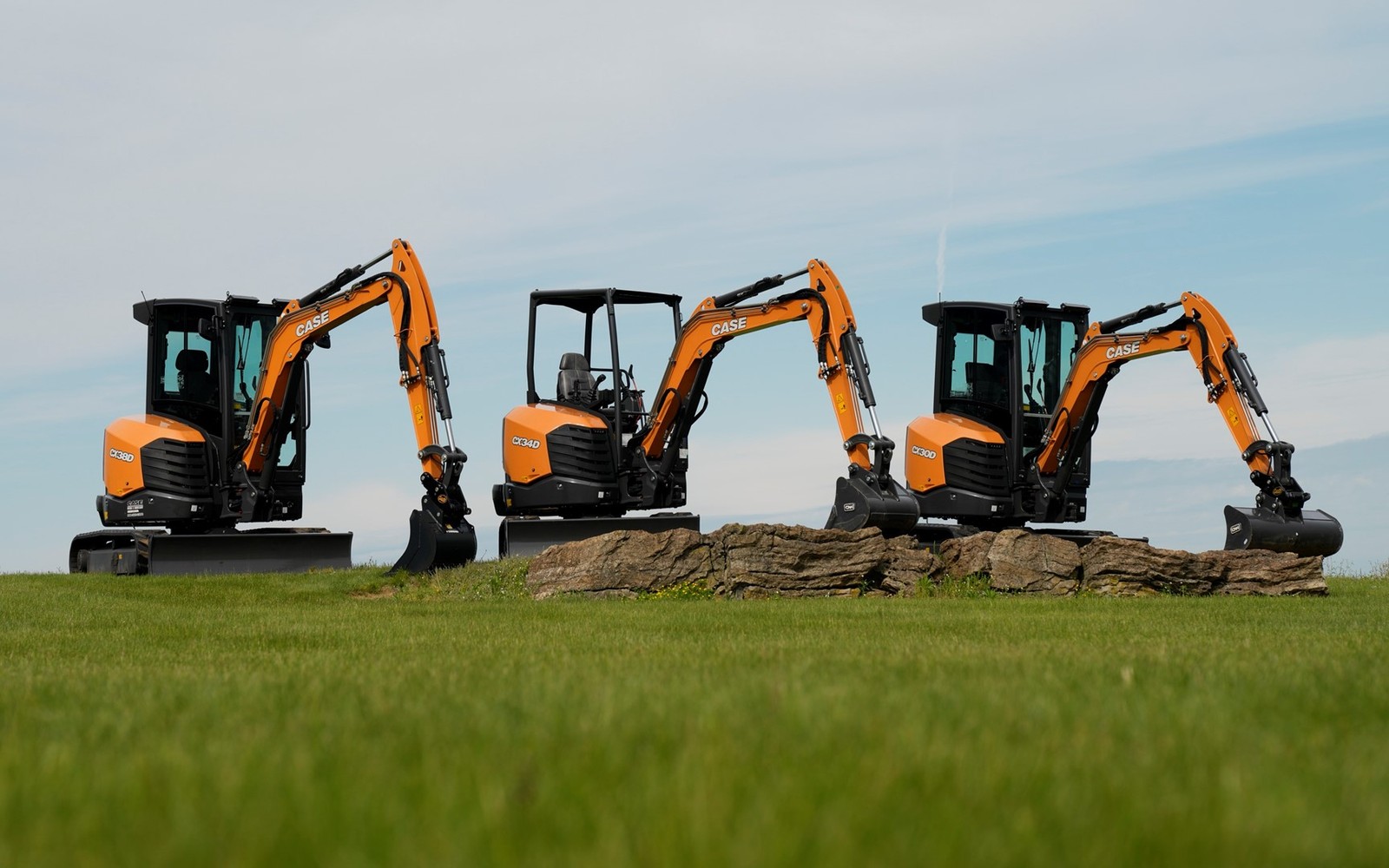
Sale-leasebacks on heavy equipment like crawler excavators or large excavators tend to generate meaningful cash because of the asset values involved. A well-maintained 40-ton excavator can support a substantial leaseback transaction. The appraisal drives the number, and machines with clean service records and documented hours command better valuations.
Contractors Who Use Sale-Leasebacks
The sale-leaseback is a capital tool, not a rescue mechanism. The contractors who use it well are typically in solid shape operationally but have most of their net worth tied up in iron they paid cash for years ago. That capital is sleeping while the business could be using it to bid more work, hire, or acquire new equipment.
Grading and earthwork contractors who have accumulated a fleet over time often have six or seven figures of equity locked in machines that are fully paid off. Unlocking that equity through a leaseback and redeploying it as a down payment on new iron, or as working capital during a gap between project payments, is a straightforward capital allocation decision.
Contractors entering a large new project and needing cash for mobilization also find leasebacks useful. The iron you already own funds the setup for the next bid, and the lease payments are built into your project costs going forward. Site development contractors doing major residential projects sometimes use this approach when the front-loaded mobilization costs are heavy.
What Machines Work for a Leaseback
Lenders want equipment with documented value, clear title, and remaining useful life. The best candidates are machines that are paid off (no existing lien), have a known service history, are not excessively hours-heavy for their age, and are in a category with an active resale market. Most excavators, dozers, loaders, and articulated dump trucks in reasonable working condition qualify.
Machines that are very old, have had major structural repairs, or lack any service documentation are harder to get appraised favorably and may not support a leaseback transaction. The lender's exposure is real: if you stop paying and they have to recover the machine, they need to be able to resell it.
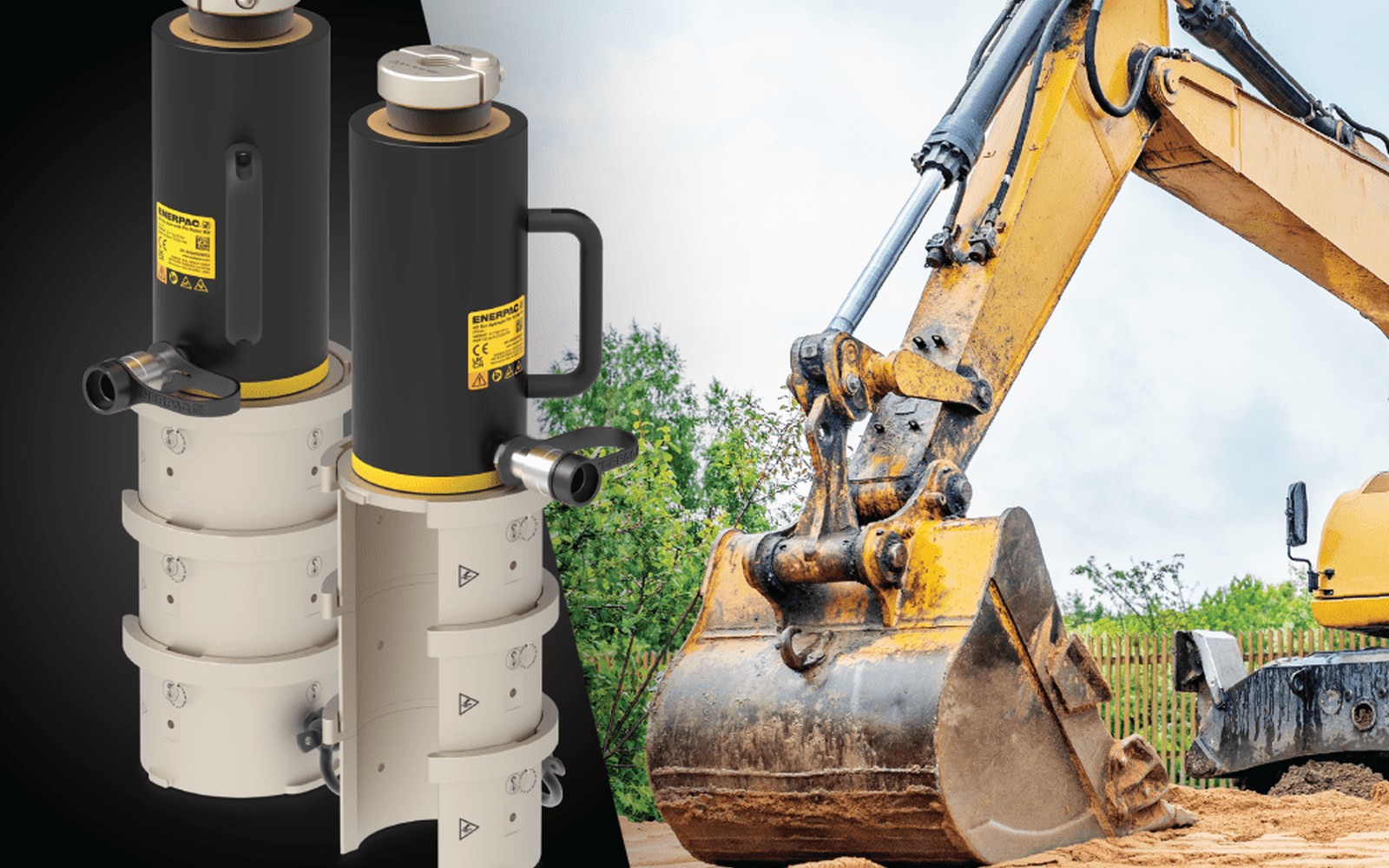
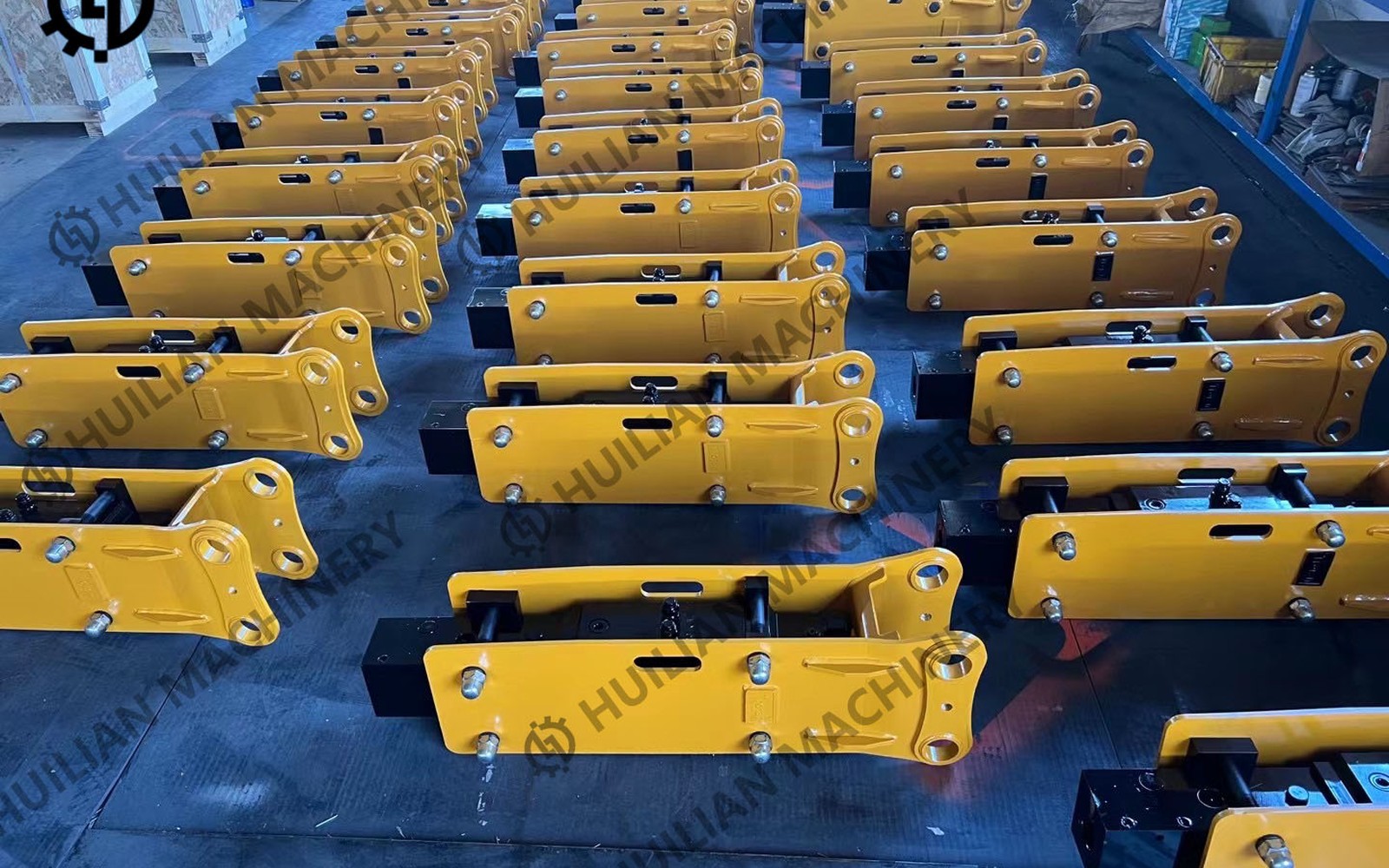
Attachments like hydraulic breakers or buckets can sometimes be included in a leaseback package if they are attached to or normally used with the primary machine. Standalone attachment leasebacks are less common but possible for higher-value items.
We typically work with minimum transaction values of $50,000 on leasebacks. A single large machine or a package of smaller machines can both qualify if the aggregate value meets that floor.
Comparing a Leaseback to Other Cash-Out Options
A cash-out refinance on a machine you still owe on accomplishes something similar: pulling equity out in cash while continuing to use the equipment. The key difference is that a refinance leaves you as the owner with a lender's lien, while a leaseback transfers ownership to the lender entirely. Each has accounting and tax implications worth discussing with your accountant.
A leaseback also gives you more flexibility than selling the machine outright to raise cash. You do not have to replace the equipment, which saves you both the purchase cost and the transaction friction. You raise the capital, keep operational continuity, and structure the lease payments to fit your expected cash flow.
Find Out What Your Iron Is Worth in a Leaseback
Give us the machine details: make, model, year, approximate hours, and any major recent work. We will give you a rough leaseback range before any formal appraisal. Minimum $50,000. Response within one business day.