
You bid the job assuming a CAT in the yard. That assumption only holds if the financing closes before the mobilization date. Caterpillar iron is the benchmark on most commercial bids, and we work every day to put contractors in the seat without a six-week wait. Whether it's a 320 for a residential site package or a 349 on a large earthworks contract, we match the structure of the deal to what the machine actually earns on your specific jobs.
CAT equipment holds value well and lenders understand it, which usually means cleaner approval paths than some newer brands. We leverage that residual strength to build terms that don't bury you in the first year. Our minimum is $50,000 and the sweet spot is $100,000 to $150,000 and up, which covers most CAT excavator and dozer purchases whether you're buying dealer-new or pulling a good unit from auction.
Caterpillar's Lineup: What We See Most Often
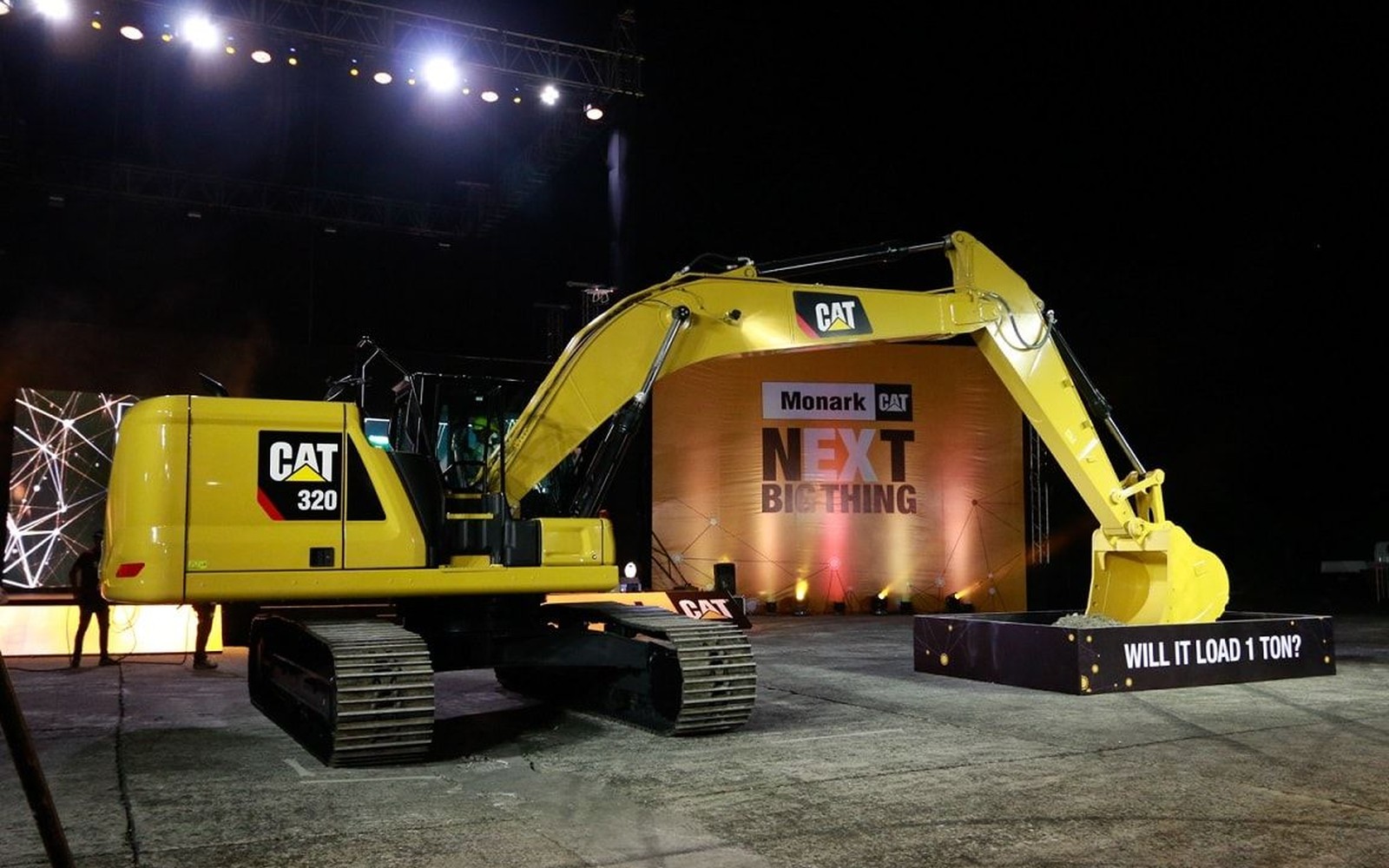
The machines we finance most frequently tell you something about where the money is actually flowing. The CAT 320 is the workhorse of the mid-size class, a 20-ton machine that handles foundation excavation, utility trenching, and general site prep with a standard 21-foot dig depth. It is versatile enough that contractors run it across a wide variety of job types, which means lenders view it as strong collateral.
Step up in the lineup and the CAT 336 handles heavier production digging and works well paired with a fleet of articulated trucks on larger cut-and-fill contracts. For the biggest commercial earthworks bids, the 349 is a serious production machine, pulling well over 100,000 lb operating weight, and it prices accordingly.
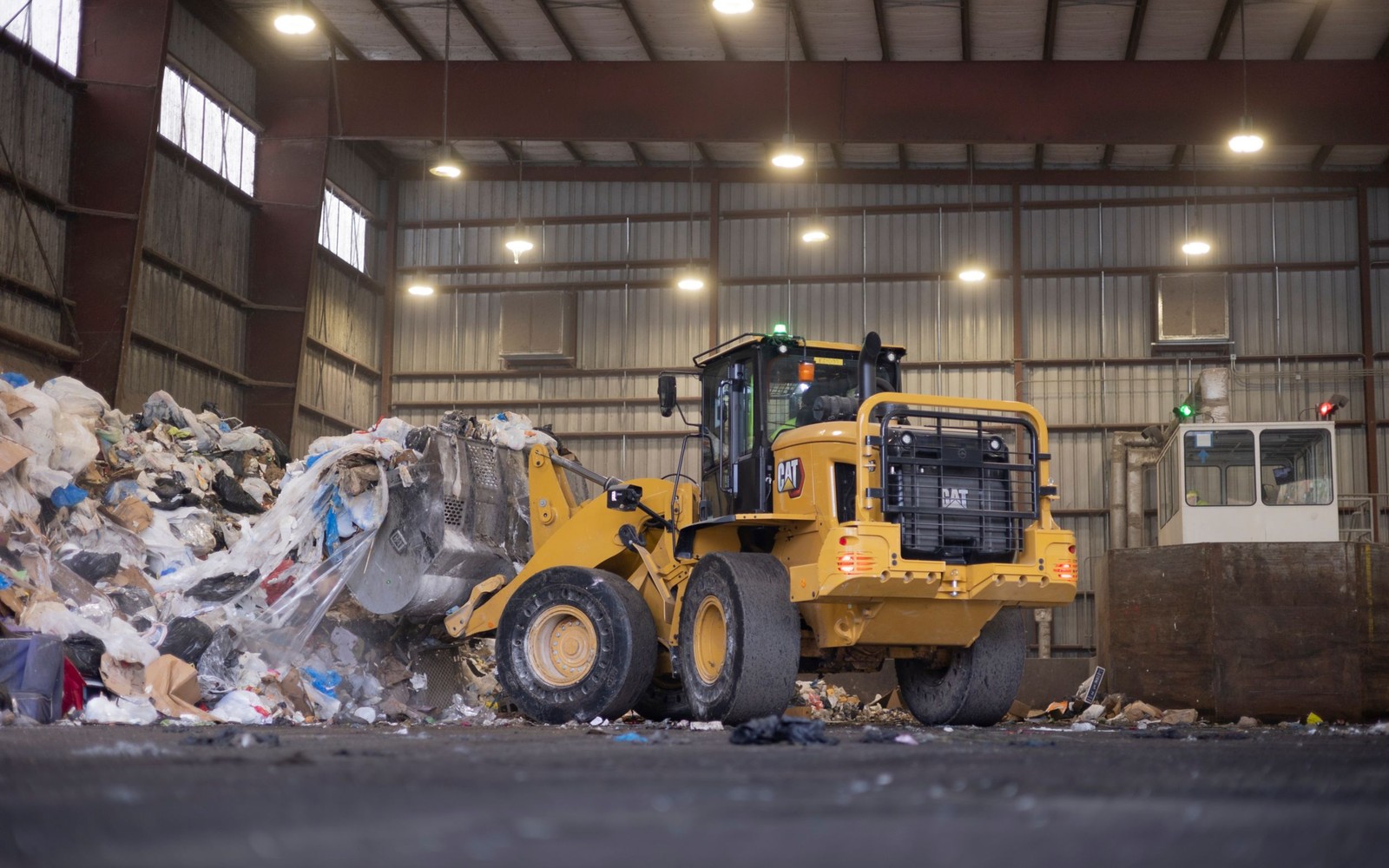
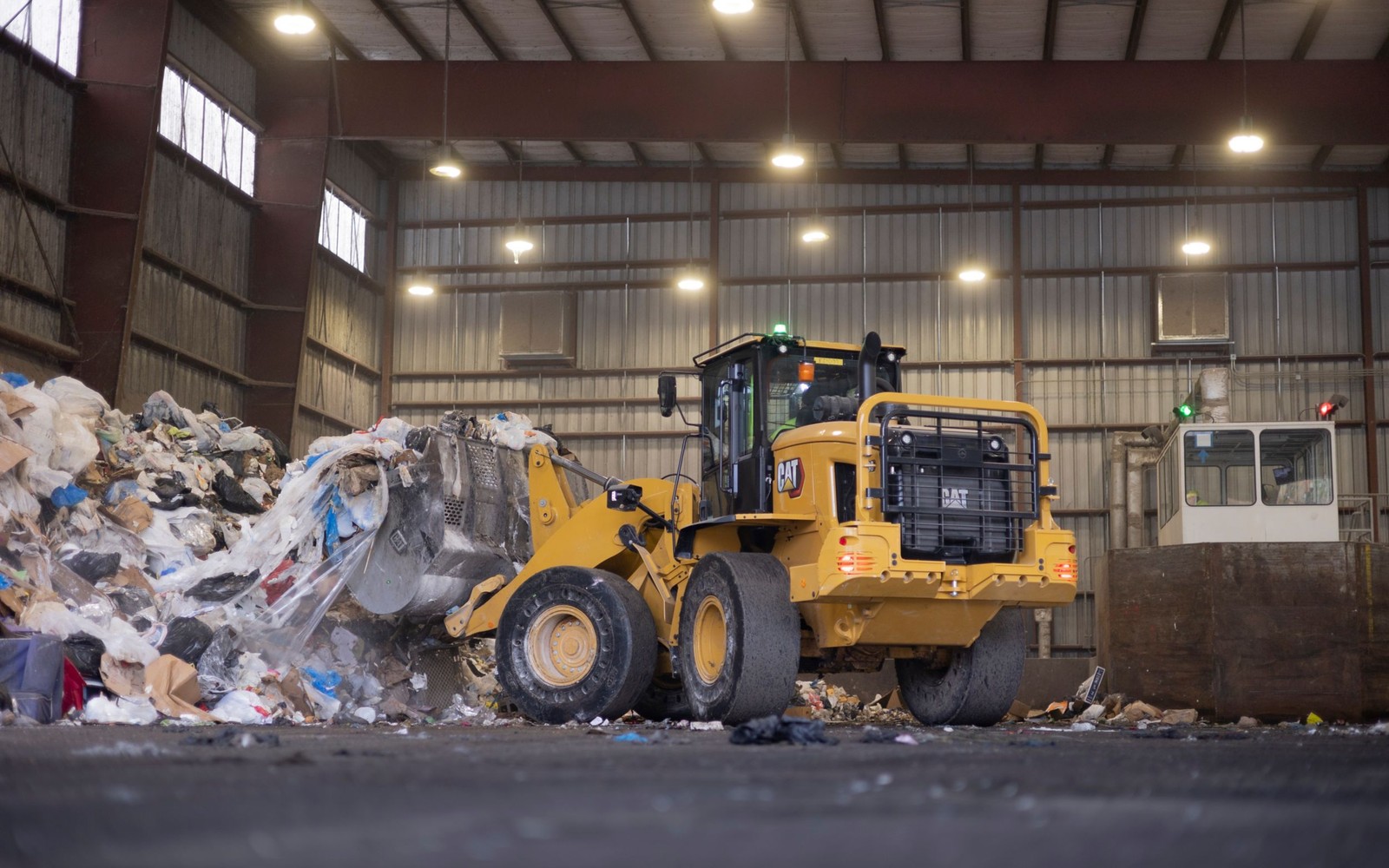
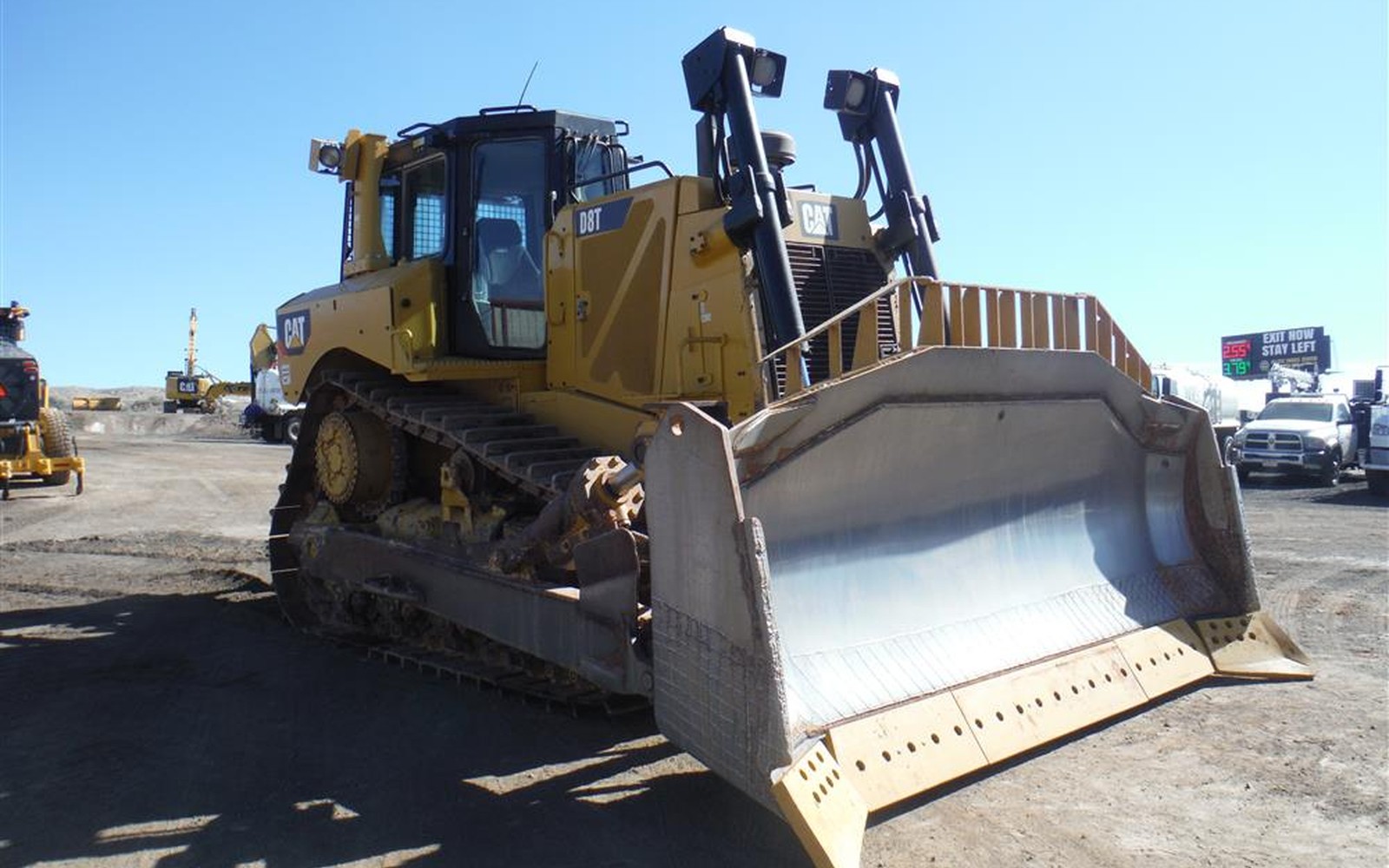
On the loading side, the 950 wheel loader is a staple at aggregate yards and on site prep work, and the 966 steps up for higher-tonnage aggregate and quarry applications. Dozers round out most dirt-contractor fleets, and the D6 is the model we see most often in site-development and land-clearing quotes.
- 320 series: mid-size crawler excavators, roughly 20 metric tons
- 336 series: large-frame production excavators, roughly 35 metric tons
- 349 series: heavy-production machines, 49 metric ton class
- D6 dozer: medium crawler dozer, suitable for grading and push work
- 950/966 loaders: 4-5 cubic yard class, quarry and site-prep applications
New CAT vs. Used: Where the Financing Logic Changes
New Caterpillar equipment carries a full factory warranty, which lenders treat as risk mitigation. That often translates to slightly lower rates and longer available terms on new iron versus used. The tradeoff is that purchase price is higher, so your monthly payment may not move as favorably as the rate alone suggests.
Used CAT is where a lot of smart operators find value. A well-maintained 320 or 336 with 4,000 to 6,000 hours can be financed at a significantly lower purchase price, and Caterpillar's parts availability means a repair cycle doesn't become a months-long parts hunt. We finance used CAT purchased from dealers, private parties, and auction, including auction and private-party deals that some lenders won't touch. If the machine has a recent undercarriage inspection and clean title, the deal usually works.
We also handle used equipment financing on higher-hour machines where you're getting into a unit specifically to rebuild it for a contract. Those deals require more documentation but they close when the underlying asset and contract support the number.
Which Contractors Come to Us for CAT Deals
Most of our CAT financing requests come from excavating contractors adding a second or third machine to serve a growing backlog, site-development firms scaling up for a multi-year residential project pipeline, and grading and earthwork contractors who need a specific machine class to qualify for a bid. We also work with operators buying their first CAT after years running competitive iron who want to step up for customer-facing reasons on commercial projects.
Credit-wise, we work with strong and mid-tier operators alike. B and C credit is considered. If you've had rough years in the business or are running thin on bank history, we look at the whole picture: equipment value, job backlog, and the specific machine's earning profile on your work type. An operator with contracts in hand and real receivables often qualifies when a pure credit score review would come back short.
How Fast the Deal Moves
Most CAT deals close in one to two weeks. The application-only path works on deals up to approximately $400,000, meaning no tax returns or multi-year financials, just a completed application and a look at the asset. Above that threshold or on more complex structures, we ask for three months of bank statements and standard business documentation.
The fastest deals are dealer-new machines with a clear invoice and a buyer who has a clean title history. Used-machine deals take a day or two longer for title checks and any required inspection documentation. If you're working against a specific mobilization date, tell us upfront and we'll structure the process around that deadline.