
Commercial construction is where equipment investment decisions carry the most weight. A warehouse pad that needs sixty thousand cubic yards of earthwork, a retail center with deep utility runs, a multistory office project requiring sheeted excavation and crane access, all of these projects put six-figure equipment needs on the table before the first slab is poured. Commercial construction contractors who own the right iron go into a bid with a cost structure that sub-dependent competitors cannot match. We finance that iron, from the production excavator that opens the site to the crane that sets the structural steel.
We work with commercial general contractors, specialty subcontractors self-performing site work, and concrete contractors handling foundation and flatwork. Minimum $50,000, with commercial construction deals regularly running well into seven figures for larger fleet or project-specific financing. Application-only approval to approximately $400,000 for strong credits, full documentation for larger transactions.
Commercial Construction Equipment We Finance
Commercial construction draws on a wide range of equipment categories. Here is the core inventory we finance for this sector:
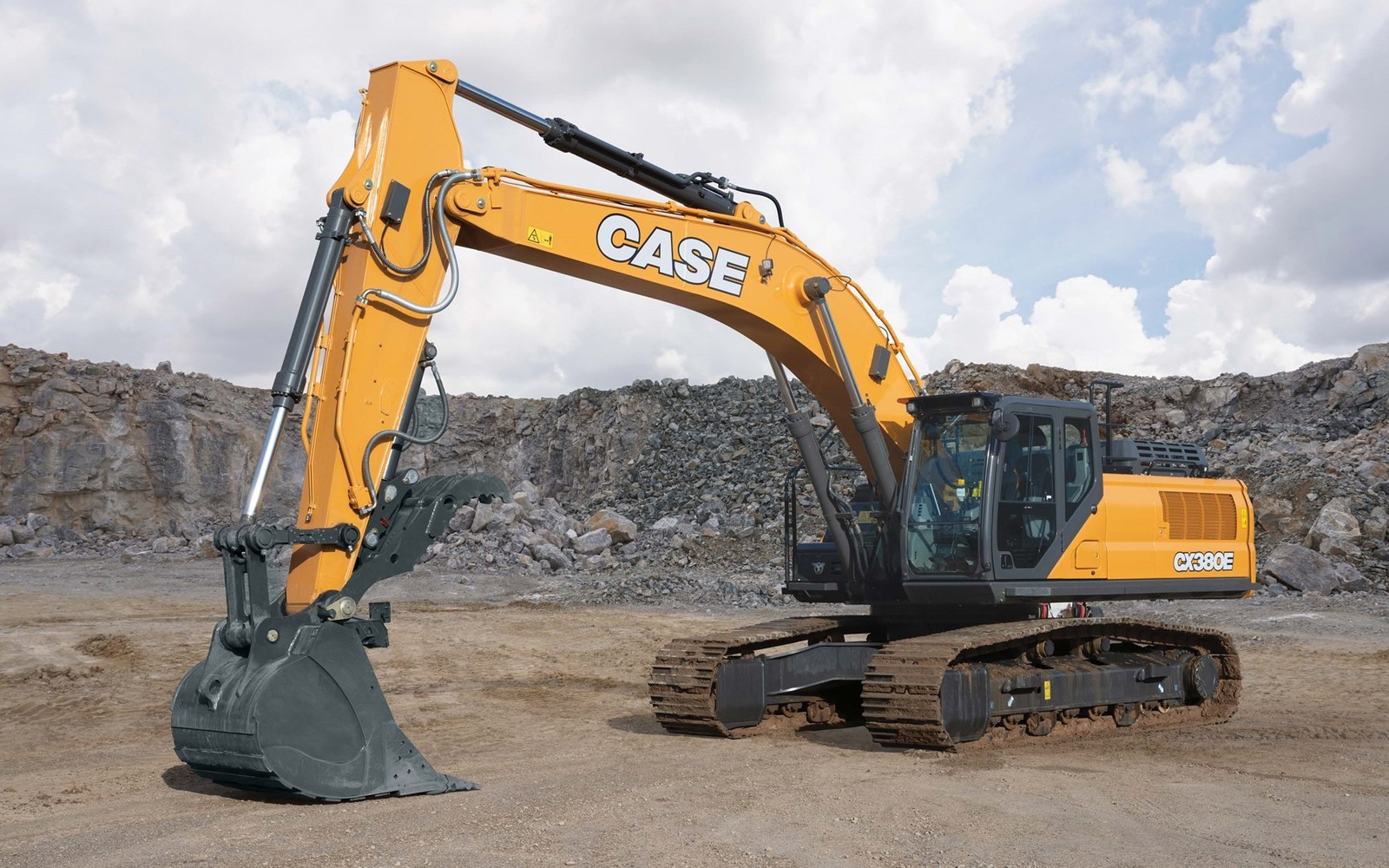
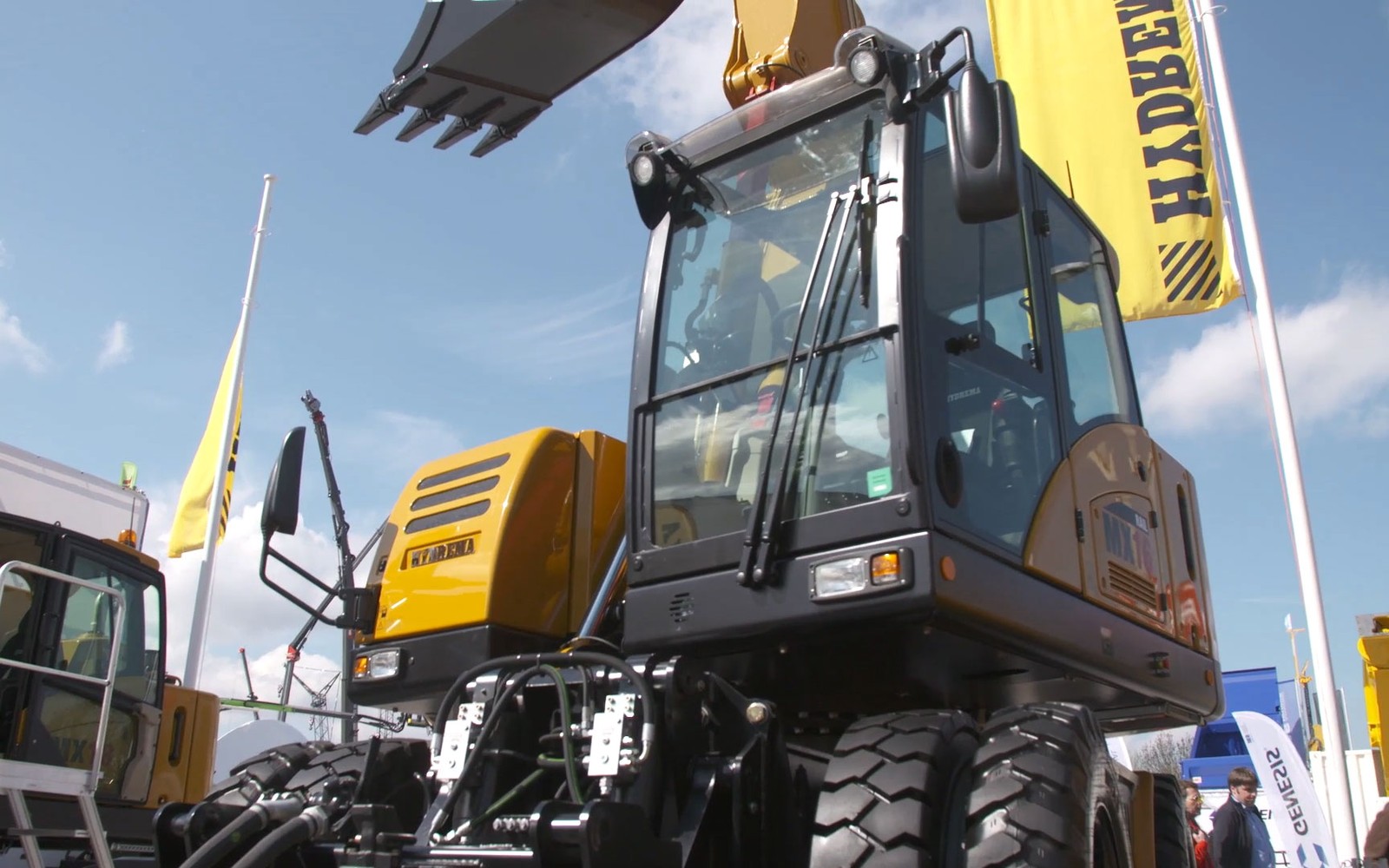
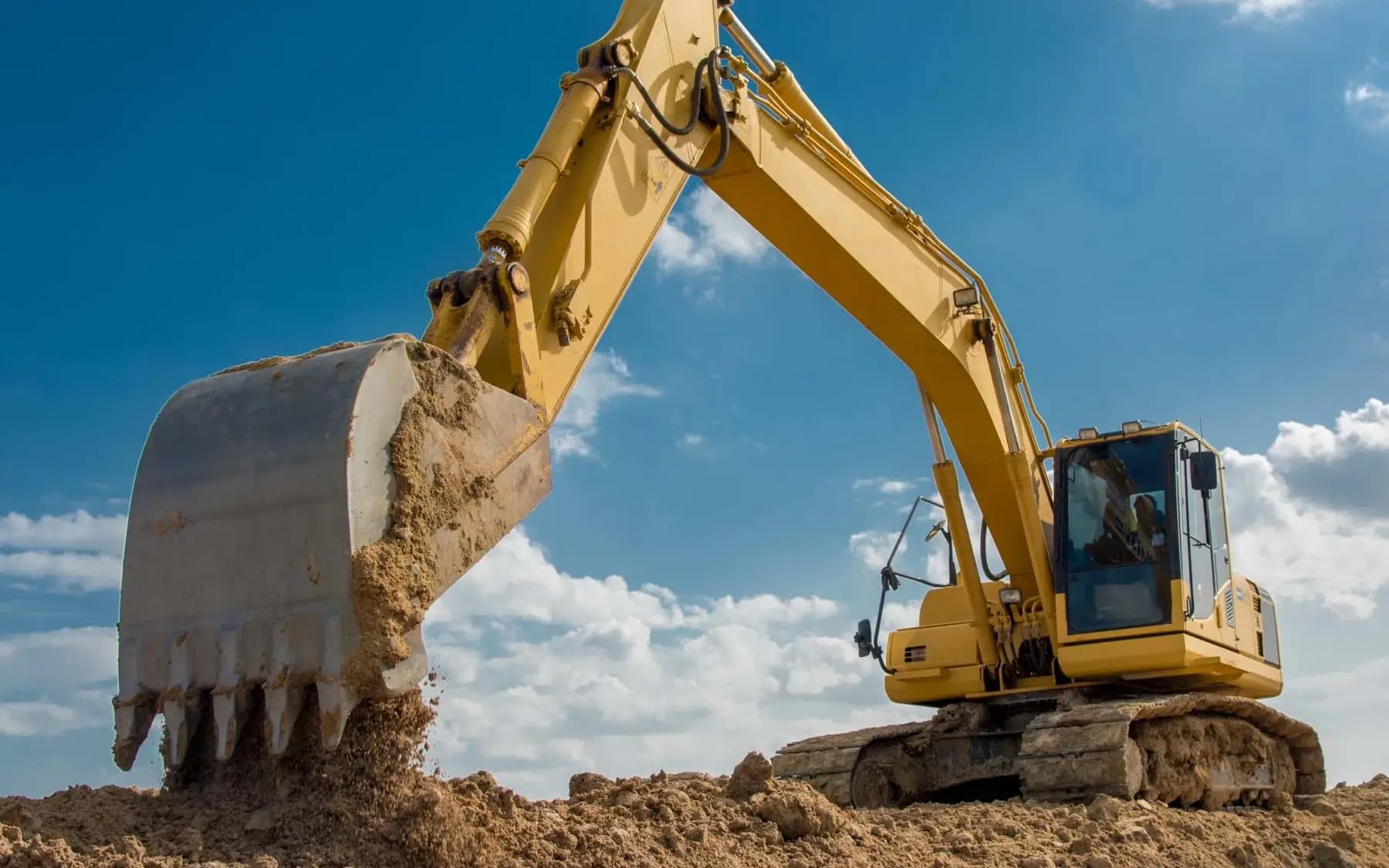
- Production excavators for foundation and site work: Mid-to-large excavators handle building pad preparation, foundation excavation, utility installation, and site drainage. A large excavator in the 30-to-50 ton class is standard for parking structure excavation or deep foundation work in urban conditions.
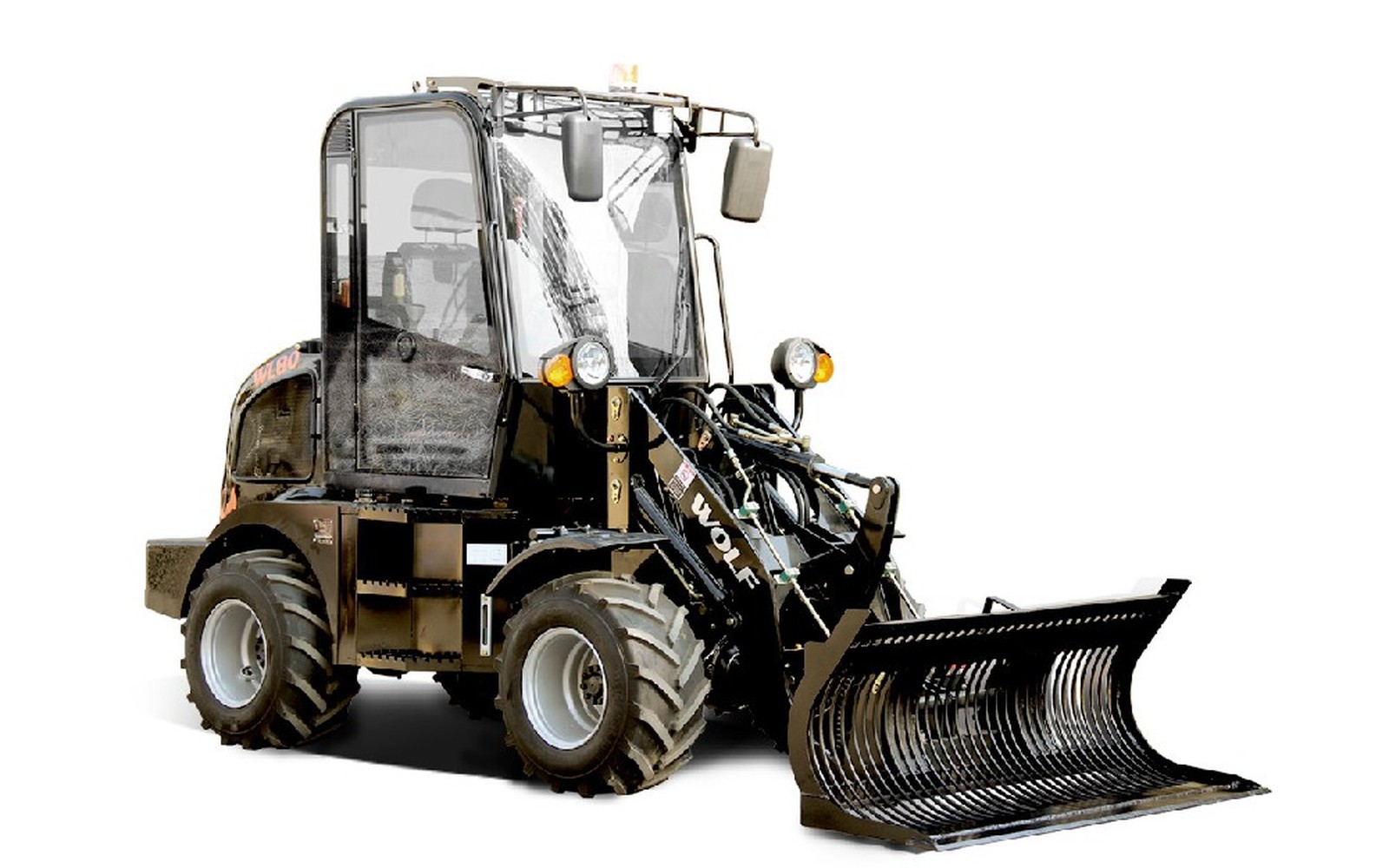
- Wheel loaders for material handling: A wheel loader moves aggregate, backfill material, and site waste efficiently on active commercial construction sites. Caterpillar, Volvo, and Komatsu wheel loaders in the 3-to-5 yard class are common in this segment.
- Mobile cranes: Commercial construction projects requiring steel erection, precast setting, or mechanical equipment lifts need a mobile crane. We finance all-terrain, rough-terrain, and crawler configurations.
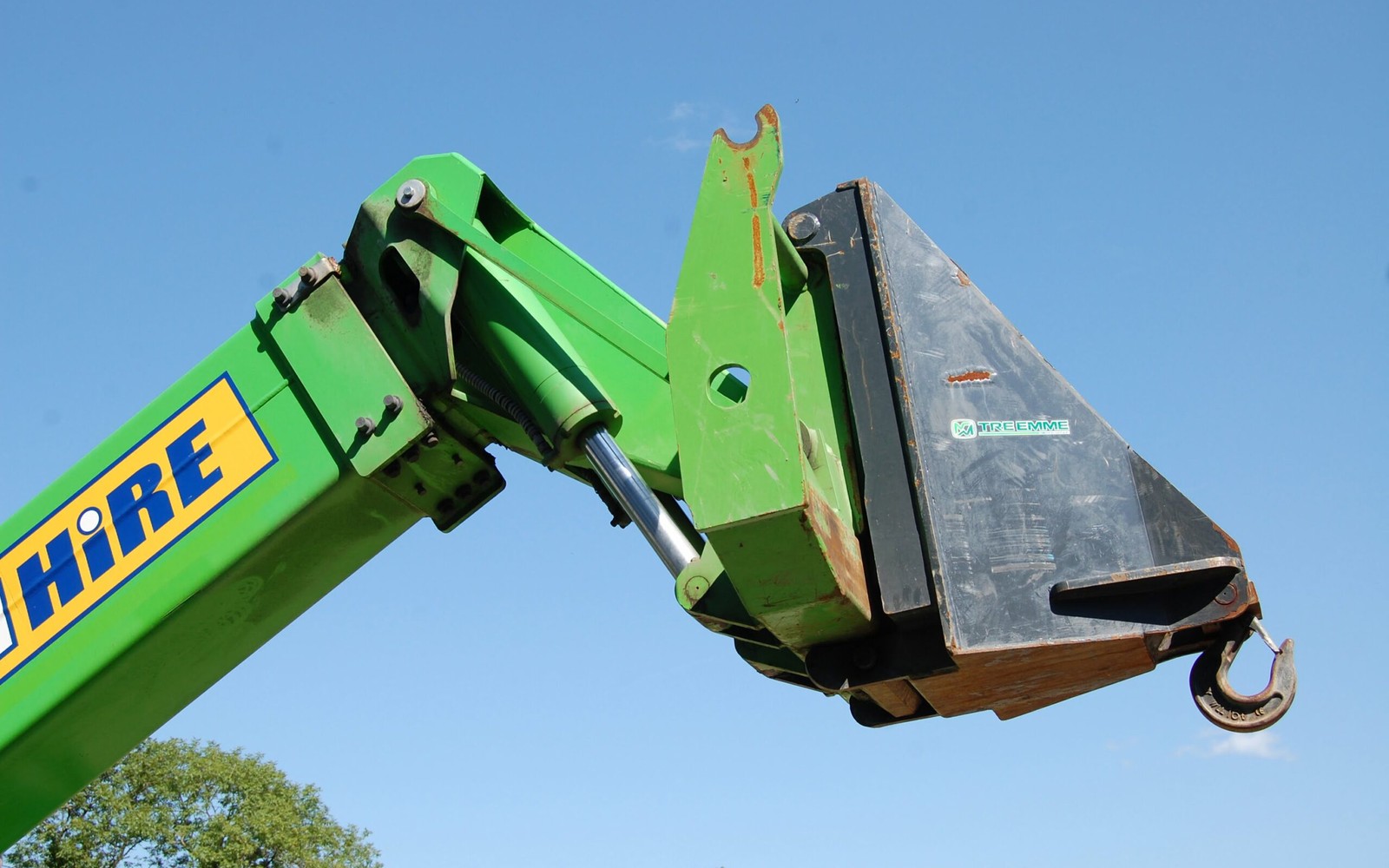
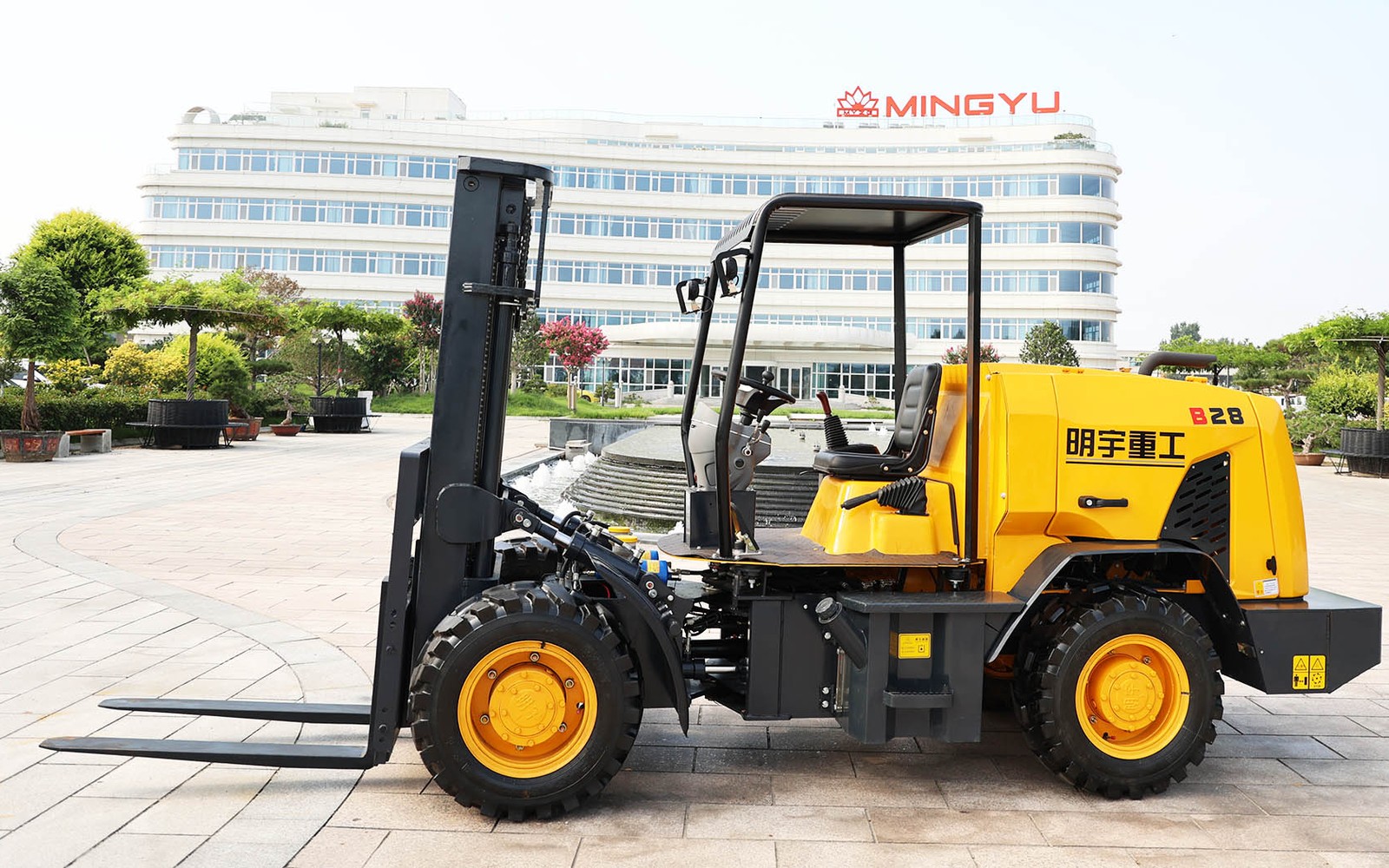
- Rough-terrain forklifts and telehandlers: A telehandler or rough-terrain forklift handles material placement at elevation on active commercial sites where conventional forklifts cannot operate safely.
- Compaction equipment: Base and subbase compaction on commercial pad work requires certified density. Drum rollers and plate compactors sized to the working area are a standard part of the commercial site equipment mix.
How Equipment Financing Works in Commercial Construction
Commercial construction contractors think about equipment ownership differently than residential or civil contractors. The deal structure, tax implications, and balance sheet effects all matter more at this scale. Here is how we approach financing for commercial construction:
- Equipment loans: Fixed payments, ownership at payoff. Standard and straightforward. Works well when the contractor plans to run the machine for its full useful life and wants to build equity in the asset.
- Operating leases: Lower monthly payment with the machine returned or purchased at fair market value at end of term. Useful for equipment that the contractor needs on a defined project cycle and may not need indefinitely.
- Capital leases: A dollar buyout lease provides ownership at the end for a nominal amount while keeping monthly payments competitive. Popular with commercial contractors who want the tax benefits of depreciation without the balloon of an FMV residual.
- Sale-leaseback for capital efficiency: Commercial contractors with significant owned equipment can run a Sale-Leaseback to unlock balance sheet equity for project capital, bonding, or pursuit costs on new opportunities.
Commercial Construction Market Context
Commercial construction has shifted toward industrial and logistics-driven demand in recent years, with warehouse, distribution center, and data center projects generating sustained site work volume across major metros. Manufacturing reshoring and advanced manufacturing facility construction has added another layer of demand in select markets.
The equipment needs on these projects are substantial. A large distribution center site requires significant cut-and-fill earthwork, extensive utility infrastructure, and heavy compaction for the pavement and floor systems. A data center campus demands equally intensive site development with added complexity around power and cooling infrastructure trenching.
Markets like Dallas, Atlanta, Columbus, and Chicago have seen consistent commercial construction activity that creates ongoing equipment demand for contractors in those regions. Owning the right equipment in those markets positions a contractor to capture project work before the competition.
What Qualifies Commercial Construction Borrowers
Commercial construction contractors come to us at different points in their growth cycle. Common profiles that qualify:
- Established commercial GCs with three or more years of history: Standard underwriting applies. Bank statements, equipment value, and personal credit are the primary factors.
- Subcontractors specializing in site work: Concrete, earthwork, and specialty subcontractors operating under GC contracts. Revenue backed by GC contracts demonstrates creditworthy receivables.
- Contractors with complex credit histories: A commercial contractor who had a difficult project, a subcontractor default, or a past credit event is not automatically excluded. We look at the current trajectory and use specialty lenders for B and C credit situations.
- Large fleet financing: Contractors financing multiple machines for a major project can consolidate into a fleet deal with a single credit review. Our fleet financing program is designed for this.
Finance Commercial Construction Equipment
Excavators, cranes, loaders, telehandlers, or a complete project equipment package. Tell us what the project requires and we will structure a financing plan that fits the job timeline and your cash flow. Submit your request and get terms within one business day.