
Metro Atlanta keeps growing outward in every direction, and the machinery moving dirt ahead of that growth is what makes the whole expansion possible. Fulton, Gwinnett, Cherokee, and Forsyth Counties together represent one of the most active suburban development markets in the Southeast. Warehouse and logistics facilities along the I-85 and I-20 corridors add a commercial layer to the residential buildout. Contractors who own their iron rather than renting it control their schedule and their margin.
We finance excavators for Atlanta area contractors on new and used machines. Minimum deal size is $50,000, with most Atlanta transactions running $110,000 to $175,000. Approvals in 24 to 48 hours, funding in about two weeks. We handle equipment loans, equipment leases, and Sale-Leaseback structures. One application, short documentation, and a term sheet that reflects the actual deal, not a bait-and-switch quote.
Atlanta's Construction and Earthwork Economy
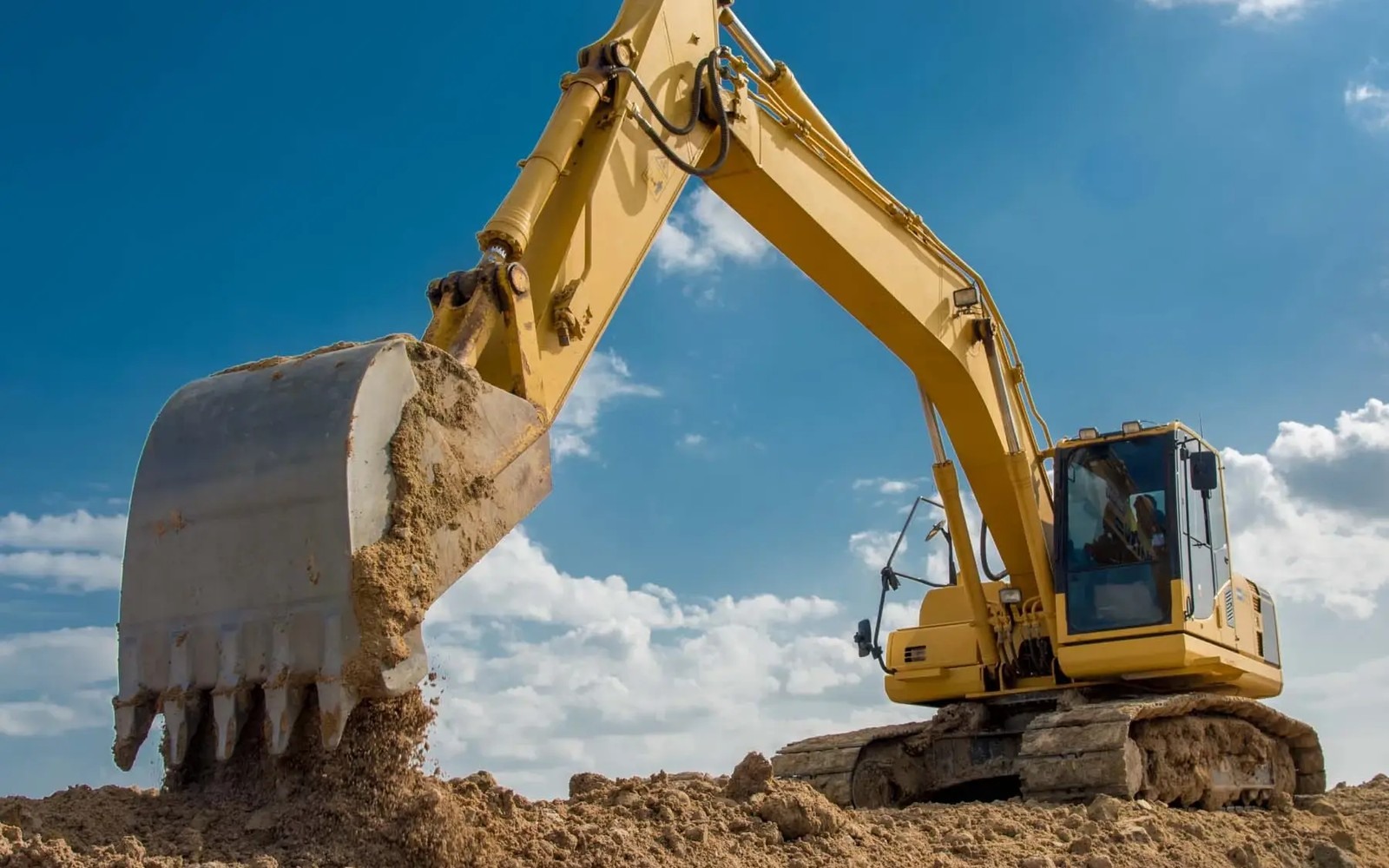
Atlanta's red clay and weathered granite create distinctly challenging excavation conditions compared to the flat sand of the Florida coast or the limestone of Texas. The decomposed granite (DG) profile that underlies much of the northern suburbs requires machines with real breakout force, especially for deep utility cuts and foundation pits. Contractors who underspecify their machine for this geology lose production hours on every job.
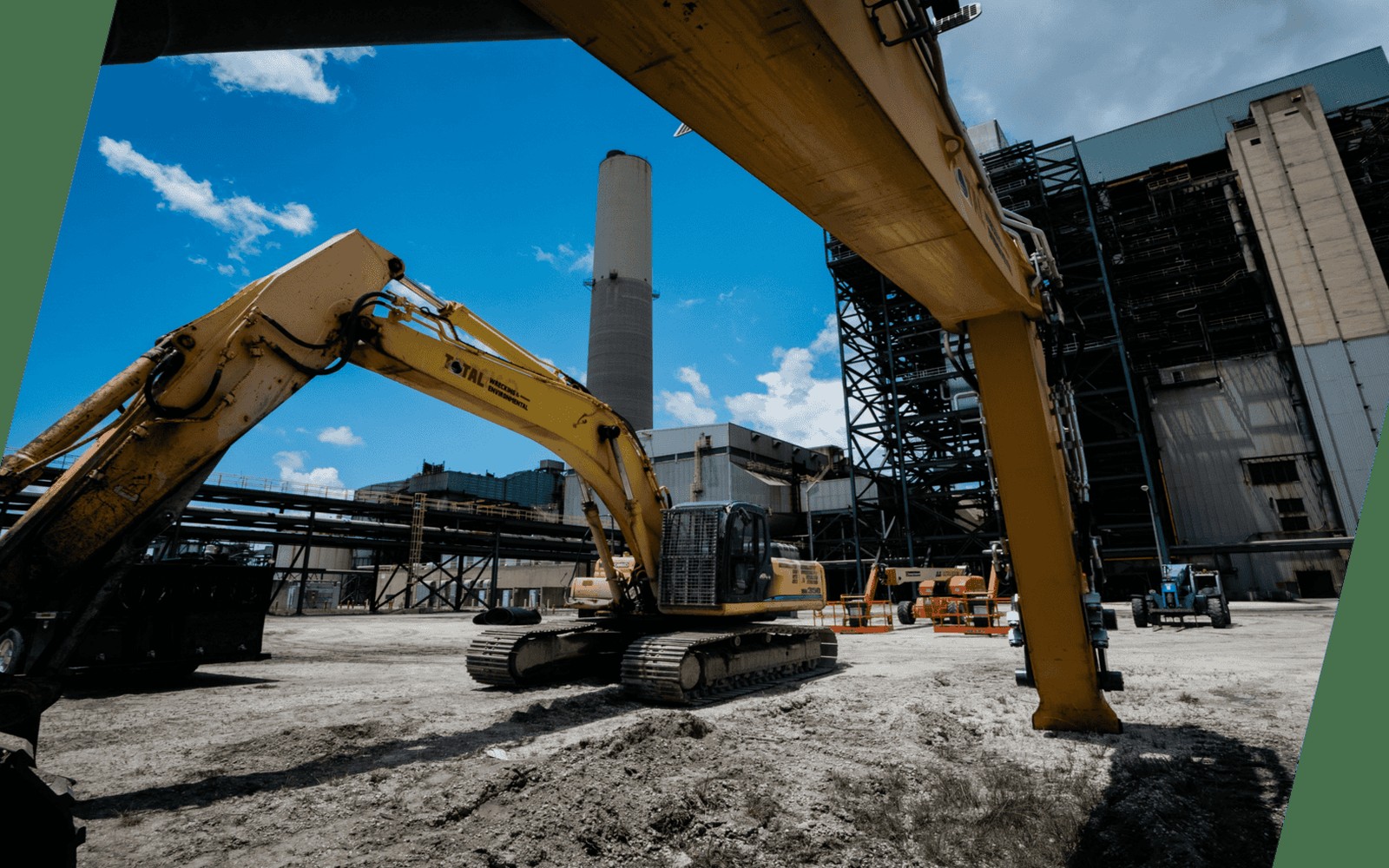
The BeltLine, Centennial Yards, and the ongoing transformation of the Gulch downtown represent some of the most complex urban redevelopment earthwork in the Southeast. Demolition contractors and foundation specialists working these sites deal with existing utility conflict, underground structure removal, and tight swing radius constraints that reward experienced operators with the right machine configuration.
Out in the suburbs, grading and earthwork contractors in Cherokee, Forsyth, and Hall Counties are running machine after machine on master-planned communities that have been in the pipeline for years. Data center development along the GA-400 corridor north of Atlanta has also generated a category of large-pad excavation that keeps bigger machines busy year-round.
How We Finance Atlanta Equipment
The process is lean. You tell us about the machine, fill out a one-page application with basic business information, and send three months of bank statements. We pull credit, underwrite the file, and issue a term sheet within 24 to 48 business hours. That term sheet shows payment, term, structure, and conditions. Sign it, return the docs, and we fund to the dealer or private seller. Typical timeline from application to funded is ten to fourteen business days on clean files.
Application-only underwriting is available up to roughly $400,000 for qualified borrowers. That means no tax returns, no audited financials for most deal sizes. The machine and your business activity are the story. Larger transactions or more complex credit profiles may require additional documentation, and we tell you exactly what we need at the start rather than asking for more in stages.
Atlanta contractors working Section 179-eligible equipment can ask about Section 179 structuring. We match the loan structure to the tax election when your advisor confirms it applies. Bonus depreciation financing structures are also available for eligible equipment purchases.
Equipment for Georgia Red Clay Work
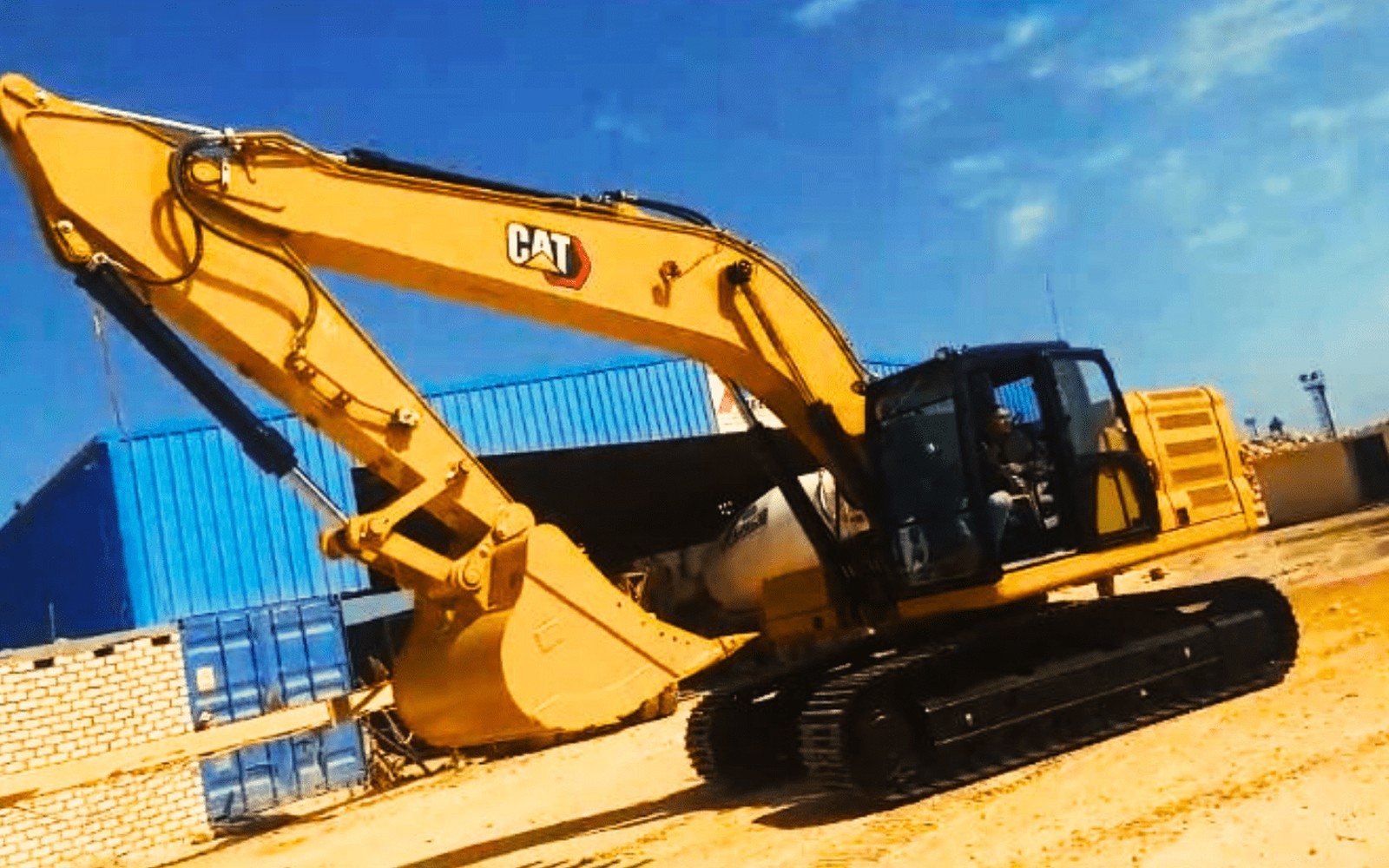
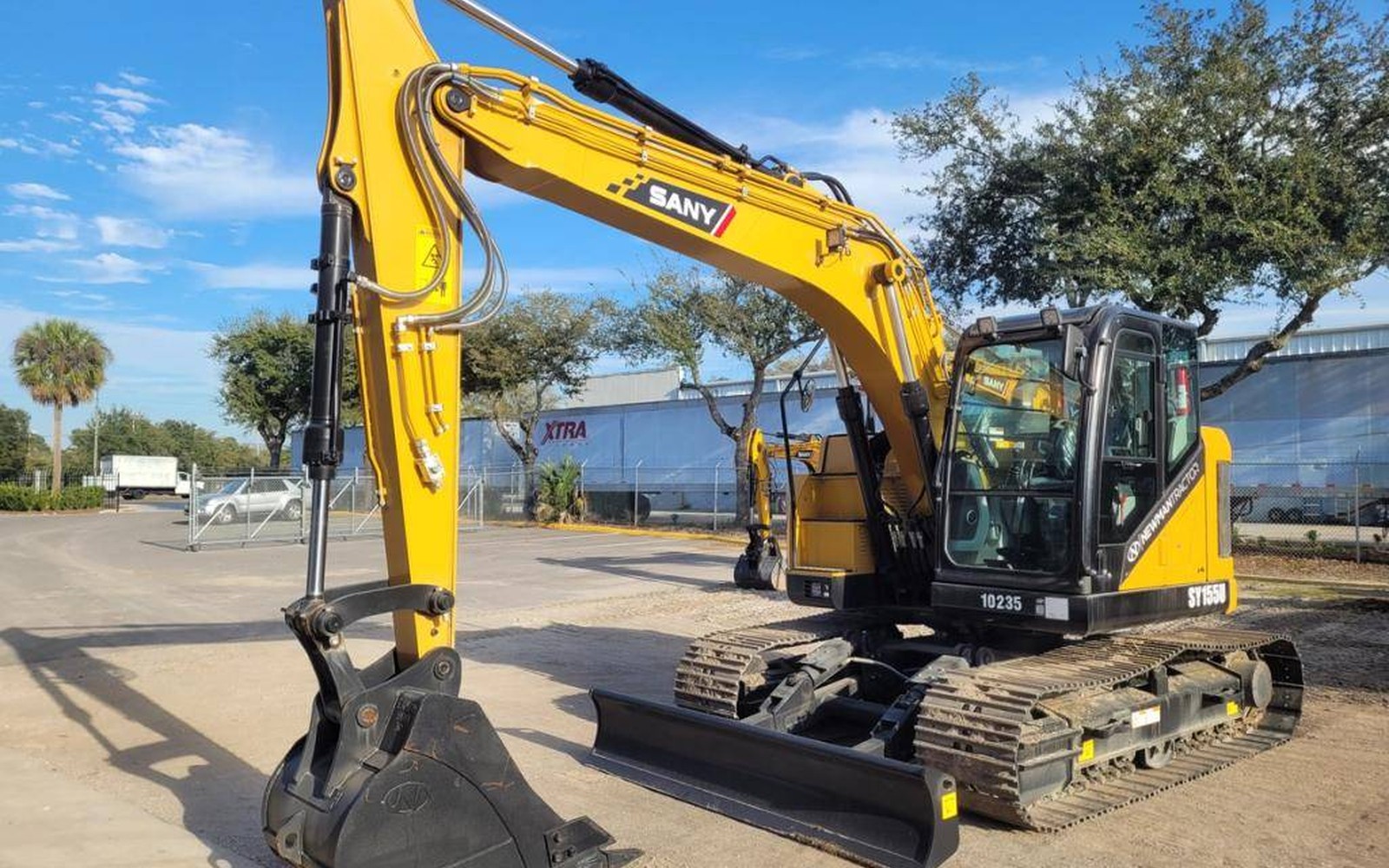
Atlanta contractors working in decomposed granite and red clay often run machines with heavier bucket options than contractors in softer markets. The breakout force requirements for deep DG cuts argue for a machine in the 22-ton to 30-ton range rather than trying to stretch a lighter unit. Komatsu and Caterpillar mid-size machines are common in Atlanta for this reason. Both have good dealer support in the metro.
Urban Atlanta jobs frequently call for a midi excavator in the 10-to-12-ton class. These machines thread through lots and alleys, work under low bridge clearances on infill sites, and can access parts of the BeltLine and urban redevelopment corridor that a 25-ton machine cannot reach. A midi alongside a full-size unit covers the widest scope without having to rent supplemental equipment.
Demolition and utility contractors also keep hydraulic breakers in rotation. Atlanta's DG is not the hardest rock in the country, but breaking through utility vault concrete, existing footings, and caliche veins is a daily occurrence on redevelopment sites.
Finance Your Atlanta Excavator
Metro Atlanta is building in every direction and the dirt under it needs to move. Submit one application and get real terms in 48 hours. Your machine should be in the yard by the time the next mobilization call comes in.