
You bid the job assuming the machine is in the yard. An equipment loan is the most direct path to putting iron in your name: you borrow the purchase price, make fixed monthly payments over a set term, and own the machine outright when the last check clears. No residuals, no buyout math, no surprises at the end. The title is yours from day one.
Most dirt contractors we work with gravitate toward loans when they know they are going to run the machine hard for years and want it on the balance sheet. If you are buying a new or used excavator and plan to keep it past the loan term, this structure keeps life simple. We fund from $50,000 on up, with terms that typically run 36 to 84 months depending on the machine, its age, and your credit profile.
How an Equipment Loan Works for Heavy Iron
The mechanics are straightforward. We take a lien on the piece of equipment as collateral. You receive funds to pay the dealer or seller, and your payments retire that lien over the agreed term. Interest accrues on the outstanding principal, so early payoff cuts your total cost. Many contractors pay down during a strong quarter and carry less interest into slower months.
For machines running about $100k to $500k, lenders typically want to see three months of business bank statements and a completed credit application. Deals under roughly $400,000 can often move on an application-only basis, which is worth knowing if the paperwork situation at your office is, say, creative. Deals above that threshold generally require tax returns and a more formal review, but funding timelines are still measured in days, not weeks.
Rate structure depends on your credit, the machine's age, and the loan-to-value. Newer iron with strong credit typically commands better terms than a 12-year-old machine with a credit file that has a few bumps. Both situations are fundable; the pricing just differs. We work with lenders who understand that a contractor's financials can look lumpy even when the business is healthy.
Collateral That Lenders Understand
Heavy excavators and earthmoving machines hold value well compared to many asset classes. A well-maintained large excavator or a crawler excavator with documented service history gives a lender solid collateral to underwrite against. That recognized resale value is part of why equipment loans on this iron tend to close at competitive rates relative to, say, unsecured lines of credit.
Undercarriage condition, hours, and whether the machine has been through a recent inspection all factor into the lender's collateral assessment. A machine you bought at auction last year with 4,800 hours and a fresh undercarriage is a stronger story than one sitting at a private seller with unknown service records. We help you frame the collateral accurately so the lender's valuation does not come in low and slow down the deal.
Attachments can often be bundled into the loan. If you are picking up a thumb, auger, or other attachment package with the base machine, including them in the loan amount is cleaner than carrying them on a separate note.
New Machine or Used: Loan Terms Differ
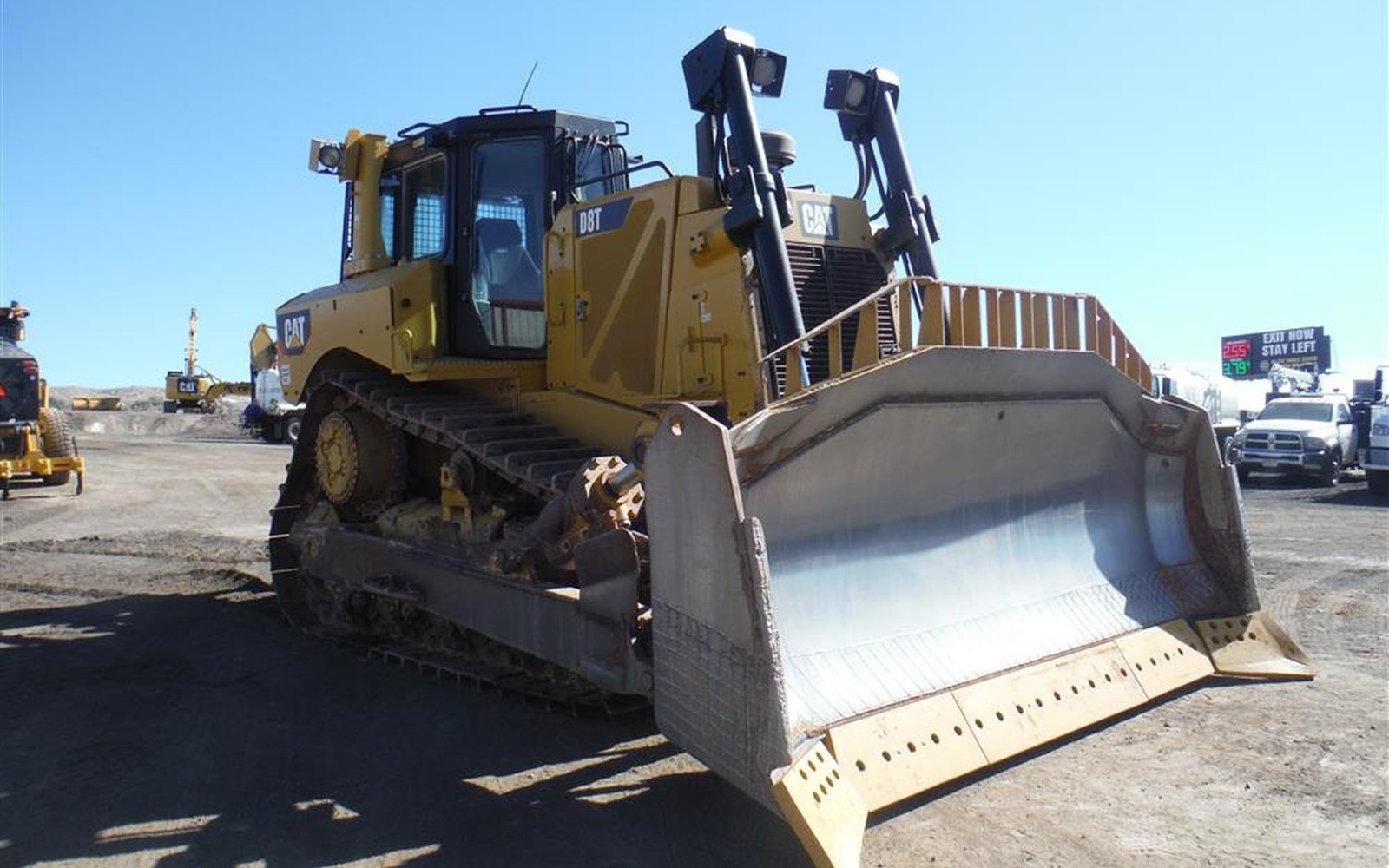
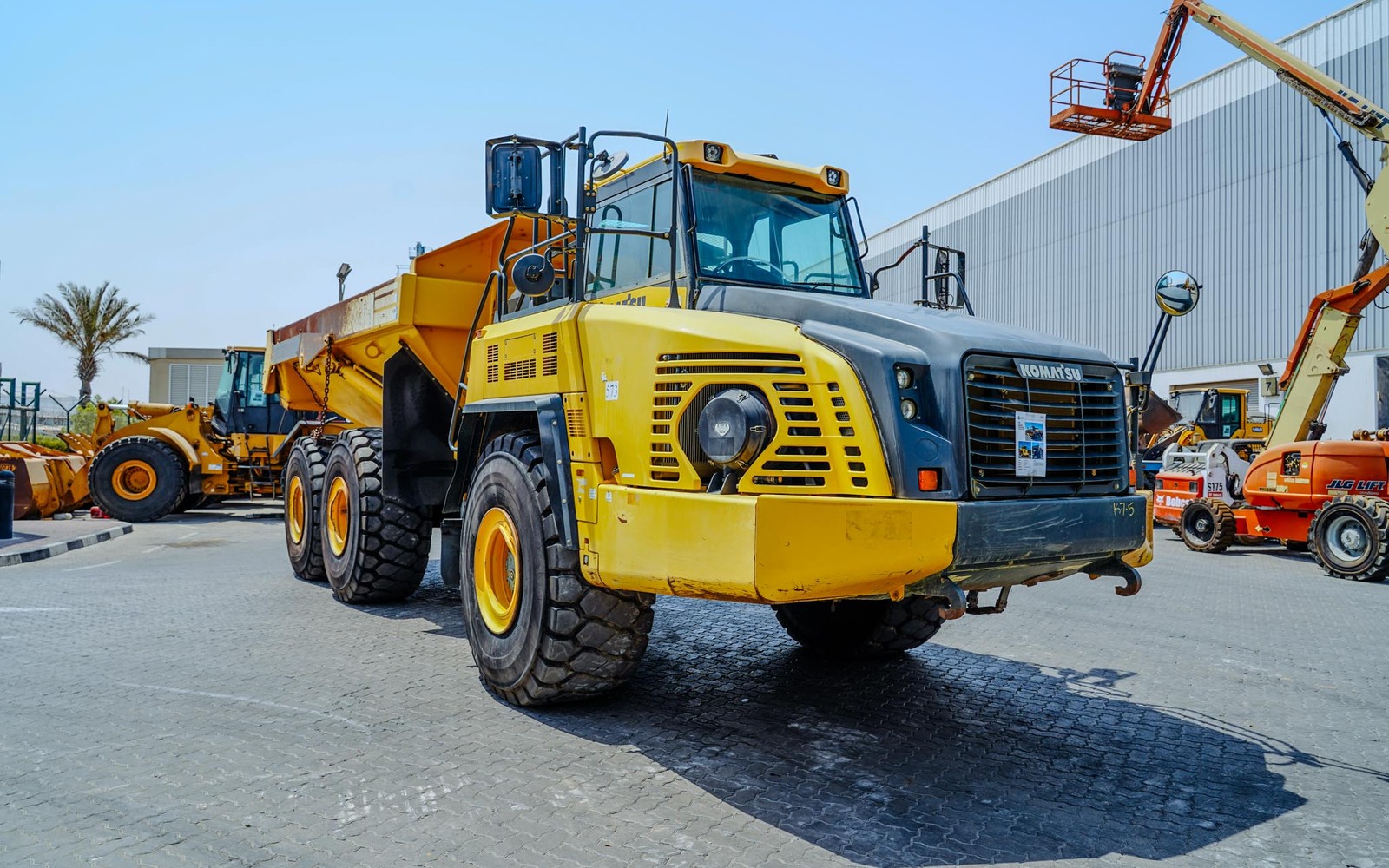
New equipment loans generally get you the longest available terms because the collateral is at peak value and the depreciation curve is predictable. A new Caterpillar or Komatsu crawler excavator coming off a dealer floor can support a 72 or 84-month note without the lender needing to worry that the iron will be underwater on the loan halfway through the term.
Used equipment loans are typically shorter, often 36 to 60 months, and lenders look more carefully at hours and condition. The sweet spot for used-machine financing is equipment that is still well within its useful life. A five-year-old machine with 4,000 to 5,000 hours and clean service records is far easier to fund than a 15-year-old unit showing 12,000 hours. That said, we have closed loans on machines in rougher shape when the borrower's credit and cash flow are strong. Lenders weigh the full picture.
If you are specifically buying used, our dedicated page on used equipment financing has more detail on the documentation and deal structure that works best in that scenario.
Credit, Documents, and What to Expect
A standard equipment loan for a mid-range machine typically needs a credit application, three months of business bank statements, and a copy of the purchase agreement or dealer invoice. For larger deals, expect to add two years of business tax returns and possibly a personal financial statement. The stronger the file, the fewer questions come back from the lender.
B and C credit borrowers are not shut out. The terms may be shorter and the rate higher, but the machine's collateral value keeps many of these deals alive. If your credit file has a judgment or a prior slow-pay period, a clean bank statement showing real revenue and low overdrafts does a lot of work. Contractors in industries like site development or grading and earthwork often have seasonal cash flow patterns that look alarming on paper but are completely normal for the business. We know how to present that context to lenders.