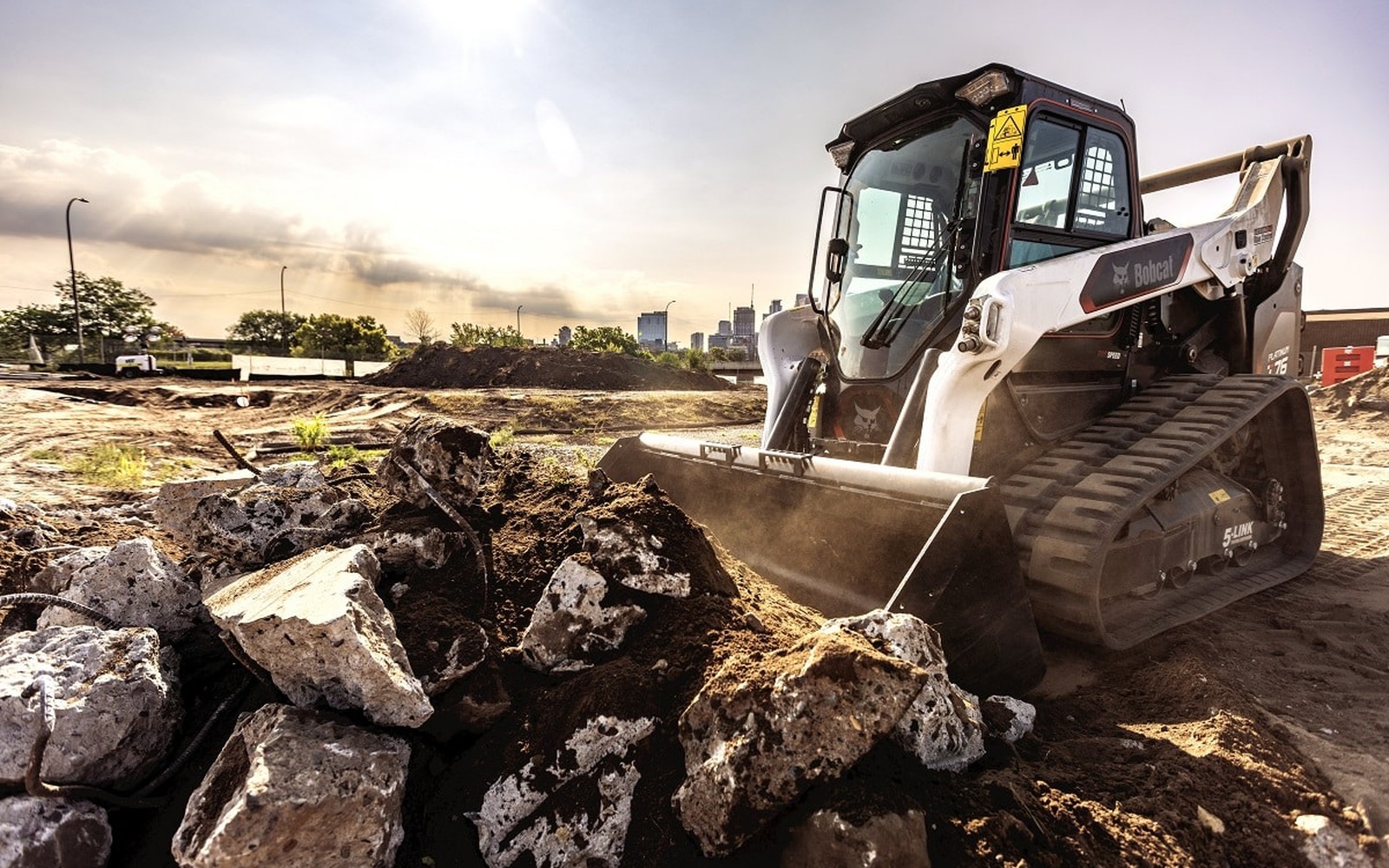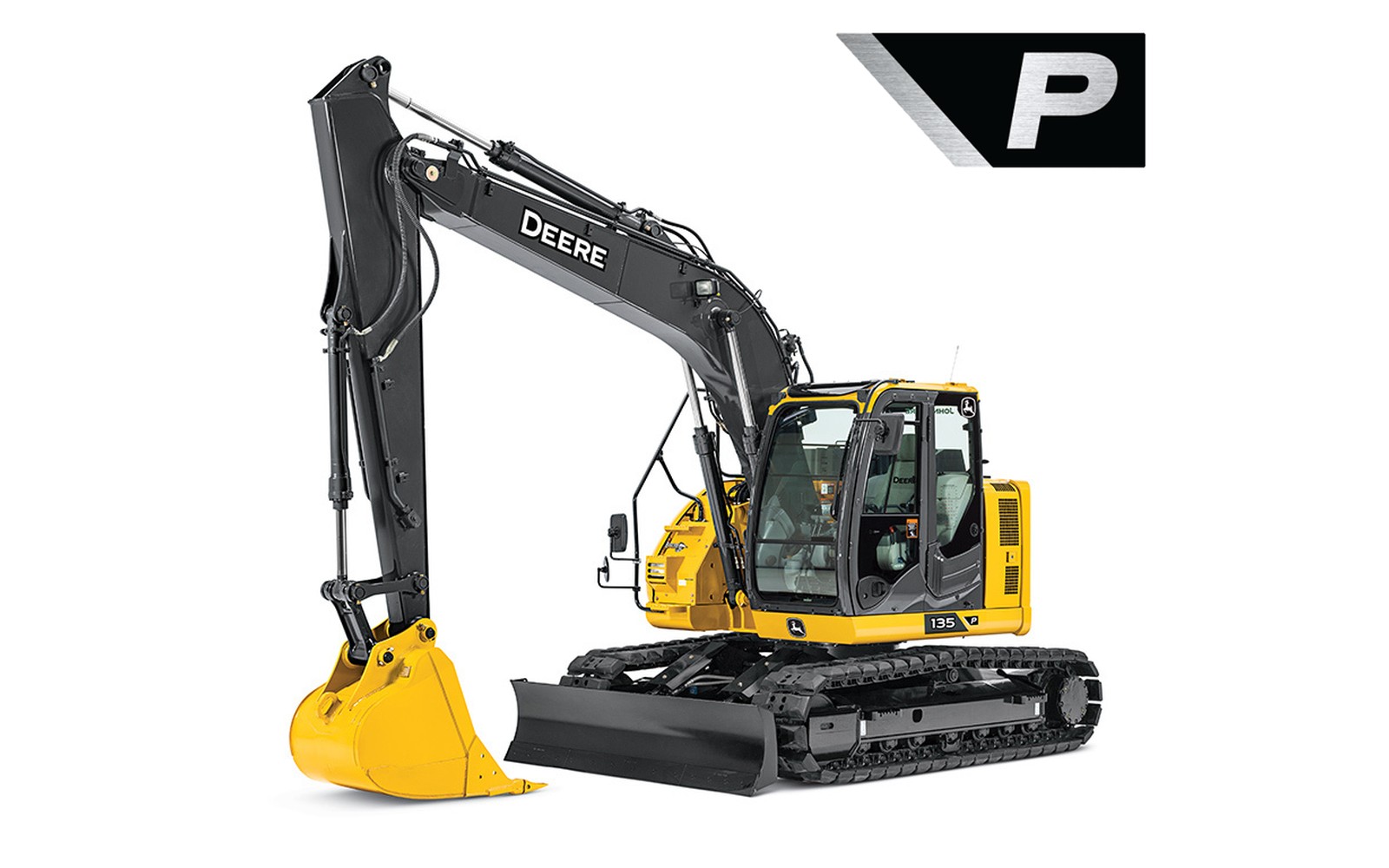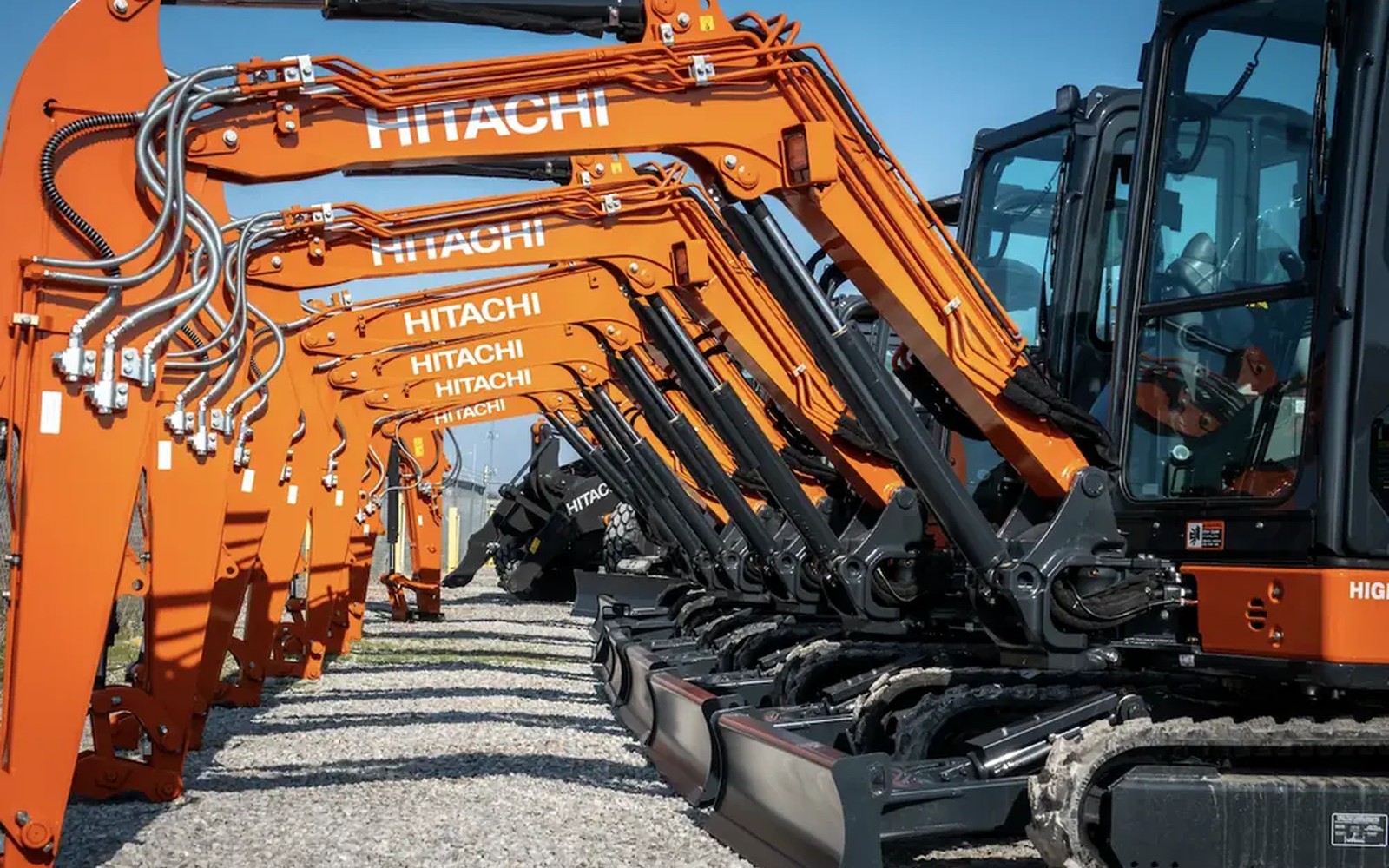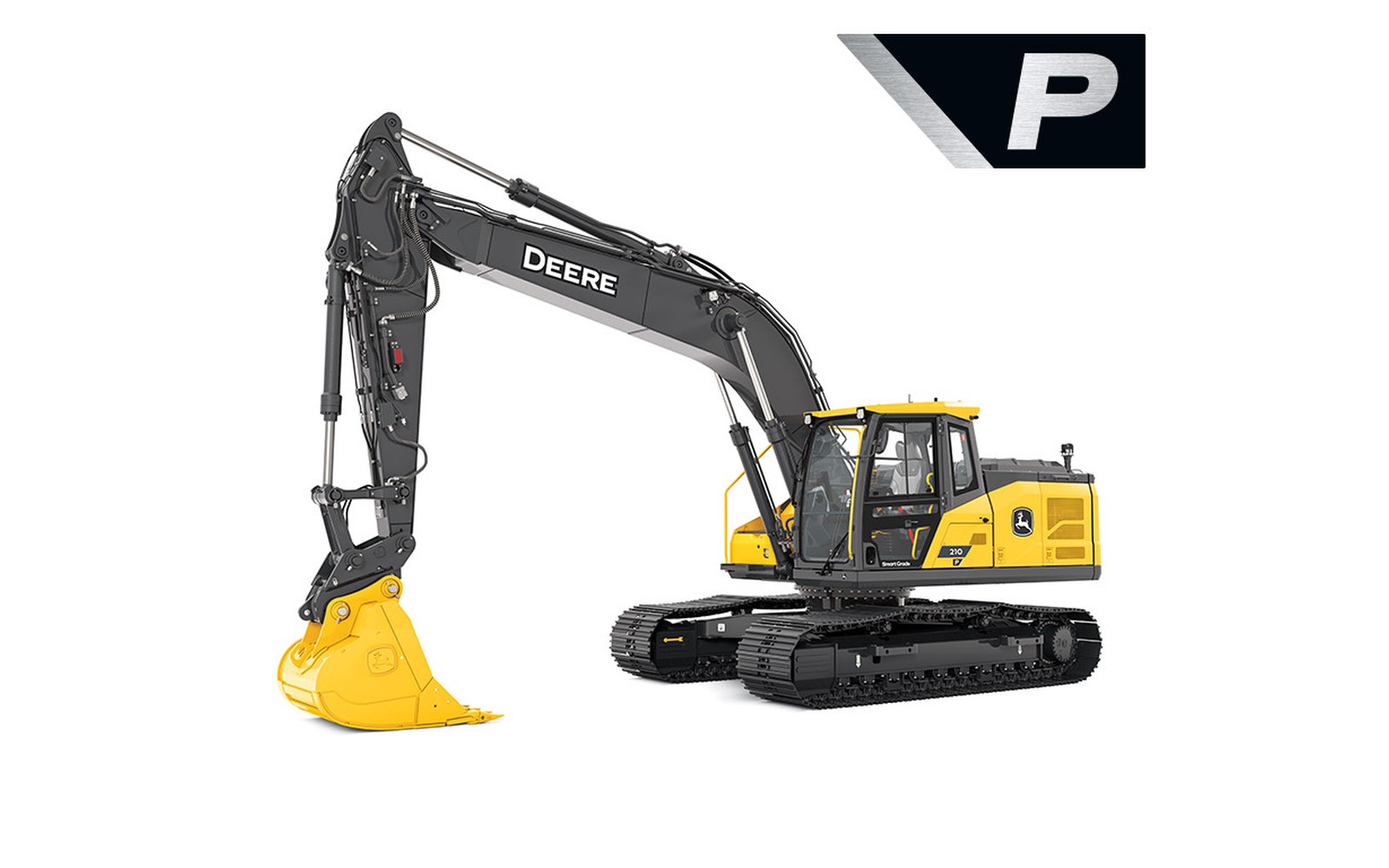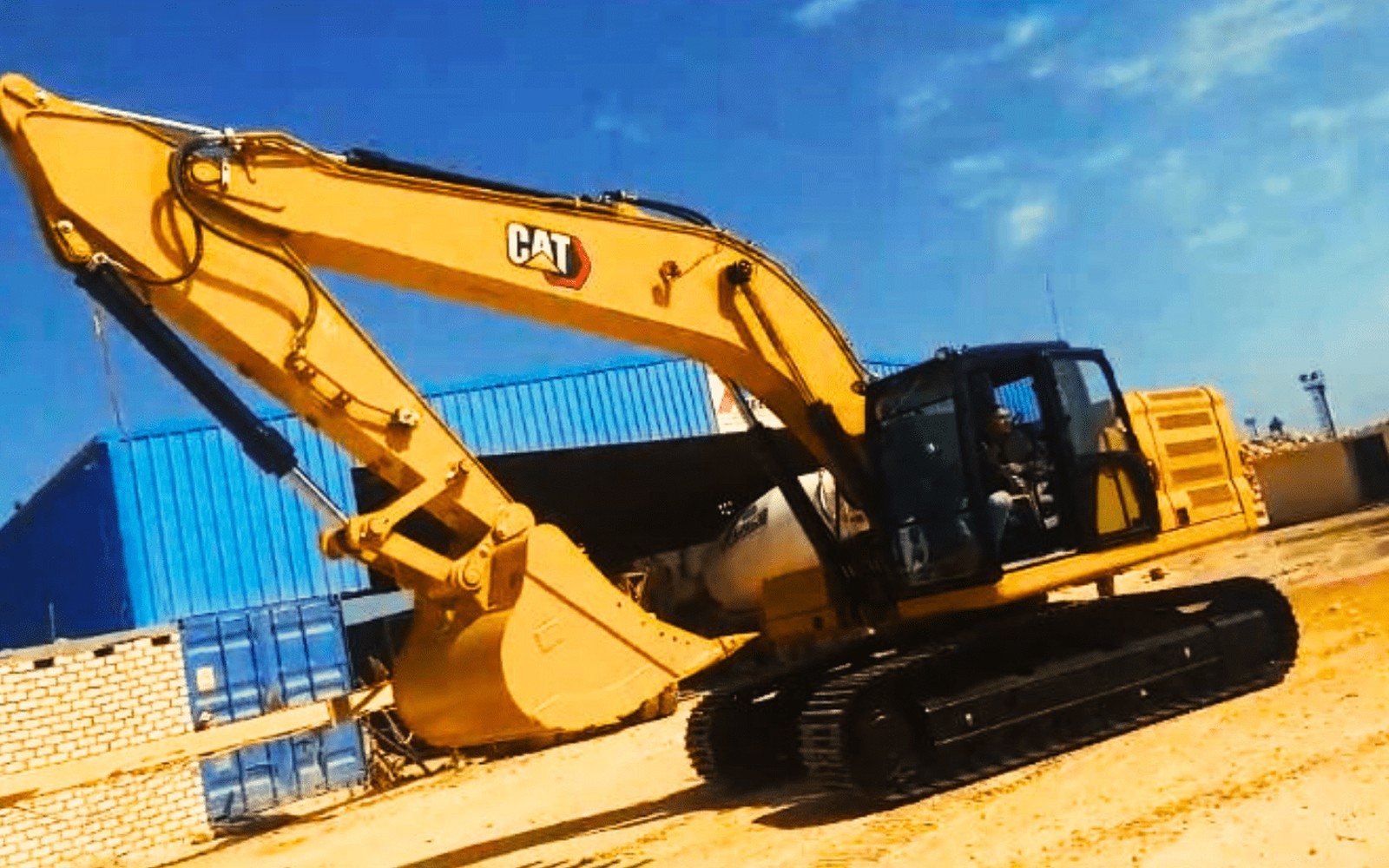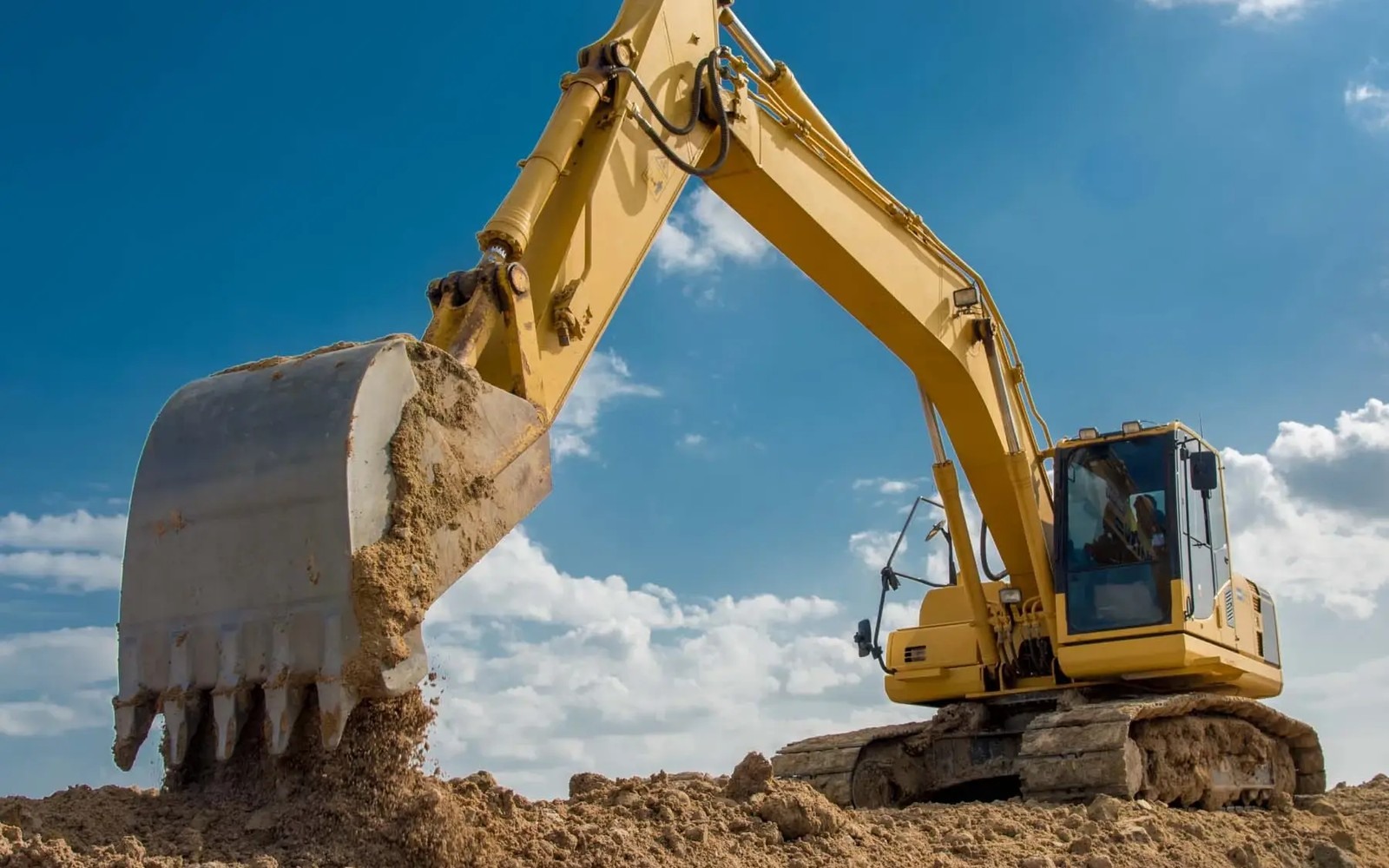

Compact excavators sit in a productive middle ground: nimble enough to work in residential and suburban job sites but capable enough to run a full day of production digging. The three-ton to ten-ton weight class covers the widest range of light-to-medium earthwork, and it is the machine class most new operators buy first and most established crews add second. Financing a compact excavator through our program is designed to be as efficient as the machine itself. We quote same-day, close in one to two weeks, and handle new, used, and private-party transactions without requiring tax returns on deals under approximately $400,000.
Whether you are financing a Bobcat, a John Deere, or a CASE model, the process is the same. We work with every major brand and most of the secondary names, and we know that compact excavators across this weight class can look very different in terms of resale value and lender appetite.
The Compact Excavator in Practice
Compact excavators in the three-to-ten-ton class do a surprisingly wide range of work. Utility contractors run them for gas and water line installation in built-up neighborhoods where a larger machine cannot maneuver. Concrete and foundation contractors use them for footing excavation, crawlspace work, and pier drilling with auger attachments. Landscaping and irrigation crews use them for bed prep, drainage runs, and retaining wall construction. For residential site builders, a compact excavator on a subdivision lot handles rough grading, utility cuts, and drainage installation without requiring the lowboy and staging logistics of a full-size machine.
What separates this class from a true mini is digging depth and bucket capacity. A six-ton compact can dig eight to ten feet on a standard stick, which covers most utility and footing applications cleanly. A ten-ton unit with an extended stick can reach twelve to fourteen feet, which opens up deeper utility work and light septic excavation. The bucket breakout force in this weight class is also significantly higher than compact machines, allowing work in harder soils and clay without losing production pace.
From a financing standpoint, machines in this class from established brands in good condition typically see loan-to-value treatment of 90 to 100 percent on newer units. The resale market for compact excavators is active and liquid, which keeps lenders comfortable with the asset class. Machines from CASE and Komatsu in this weight range trade consistently, giving lenders good comparables when evaluating collateral.
The Financing Process for a Compact Excavator
Getting a compact excavator financed starts with a simple application. We collect basic business information, a few months of bank statements if the deal warrants it, and the machine details from you. From there, we place the file with lenders who specifically work in the compact and light equipment space.
Deal approvals at this size, typically $50,000 to $200,000, are often done on an application-only basis without income documentation. For deals above that range or for credit profiles that need more context, we submit a full package to lenders who specialize in harder-to-place transactions.
Structures available include:
- Equipment loans with fixed monthly payments and a title transfer at payoff
- Equipment leases structured as FMV leases for operators who want lower payments and flexibility at term end, or dollar-buyout leases for those who want to own the machine at the end
- Cash-out refinances for operators who own other machines and want to pull equity to cover the down payment on the new unit
We can run each structure side by side so you see the monthly payment and total cost differences before you commit to a path.
Compact Excavator Market Context
The compact excavator market has been one of the more durable segments in construction equipment. Residential construction activity, utility infrastructure investment, and municipal improvement work all drive steady demand for this machine class. Operators in high-growth markets like Dallas, Phoenix, and Charlotte have seen particularly consistent demand for compact excavator capacity over the past several years, driven by subdivision development and municipal utility upgrades.
Used compact excavators from two to six years old remain actively traded. The active secondary market means lenders have good comparables and are comfortable with resale risk. If you are buying at auction or from a private party, our auction and private-party financing program handles the title and lien work to close those transactions properly.
Apply for Compact Excavator Financing Today
Tell us the machine, the price, and where you stand on credit. We will put together a same-day quote with multiple structures so you can pick what fits your cash flow. Funding in one to two weeks from completed application.