
You bid the job, the mobilization date is set, and your whole schedule depends on having the right iron on-site. That is the excavating contractor's reality: financing has to move at the speed of the bid cycle, not the speed of a bank committee. We work with excavating contractors nationwide to structure excavator financing that closes before the first survey stake goes in the ground.
Most excavating contractors we work with carry a mix of owned and financed equipment. Some machines are paid off and generating idle equity; others are still under lien with room to refinance. A few contractors are buying their first large excavator and want to preserve cash for mobilization and labor. We handle all three situations, and we do it without the six-week wait that most banks put between an application and funded equipment.
Our minimum is $50,000, the sweet spot is $100,000 and above, and application-only approvals run up to roughly $400,000 on strong credit. B and C credit is considered with additional documentation. Funding typically lands within one to two weeks of a completed application.
Who We Finance in the Excavating Sector
Excavating contractors come in every size, from a two-machine owner-operator pulling residential basements to a fifty-unit fleet handling highway grading contracts. The financing structures that work for each are different, and we do not run every contractor through the same cookie-cutter deal.
- Owner-operators on their second or third machine: A contractor running one strong machine and ready to take on a second job simultaneously. The payment needs to fit inside the margin on that second contract.
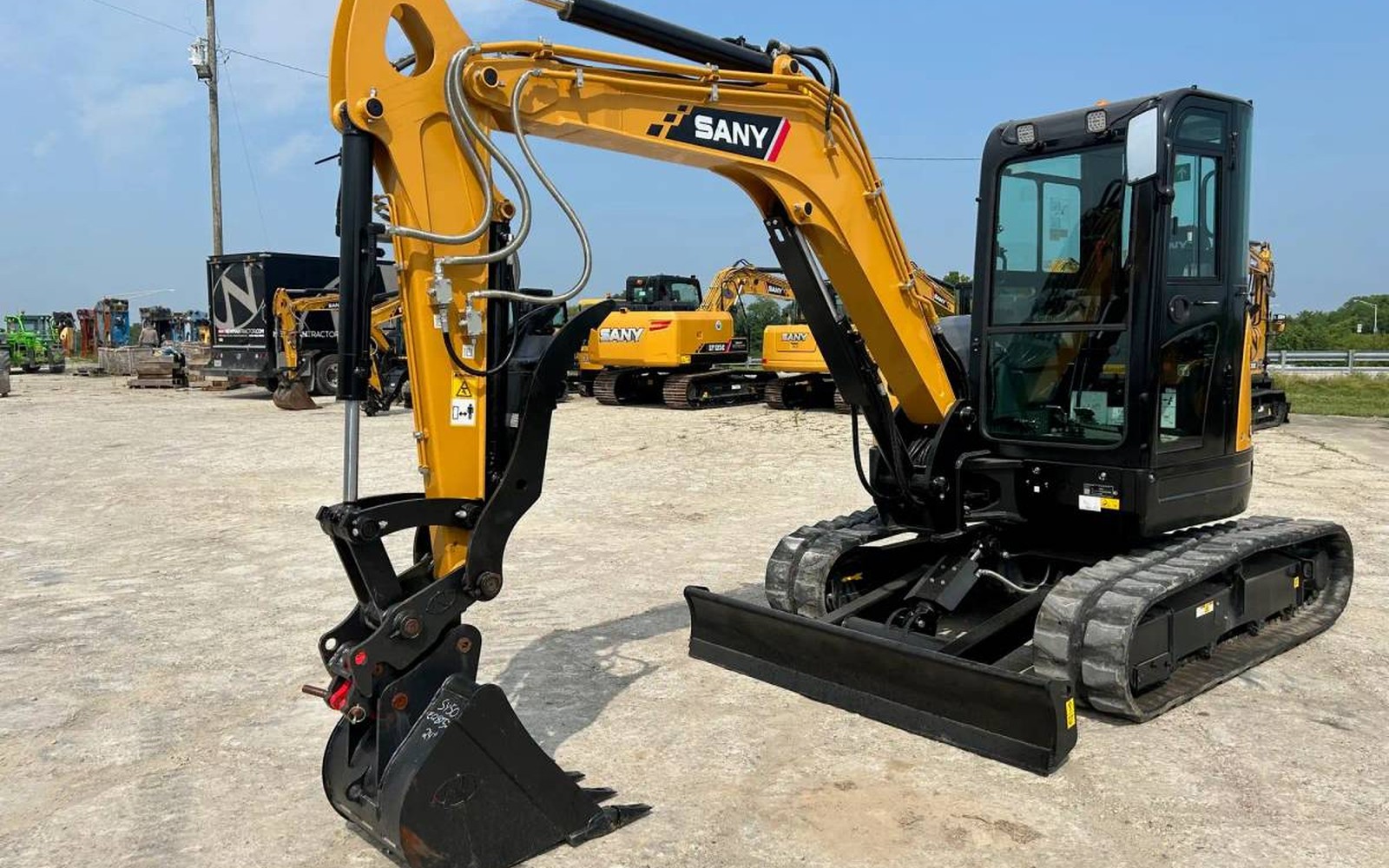
- Growing fleets building a service mix: A contractor adding a mini excavator for tight residential lots alongside their primary production machine. Two separate deals often close faster than one combined application.
- Contractors pulling equity from paid-off machines: A Sale-Leaseback converts that idle equity into working capital while the machine stays on the job. We see this used for bonding capacity, payroll during a slow invoice month, or a down payment on the next piece.
- Contractors who bought at auction: Private-party and auction purchases require different documentation than dealer deals. We finance those too. See our notes on auction and private-party financing.
Credit history in construction is often uneven. A contractor who had a tough year during a slow period is not automatically a bad risk today. We look at the full picture: current backlog, equipment value, time in business, and bank statements from the last three months.
The Equipment Excavating Contractors Actually Finance
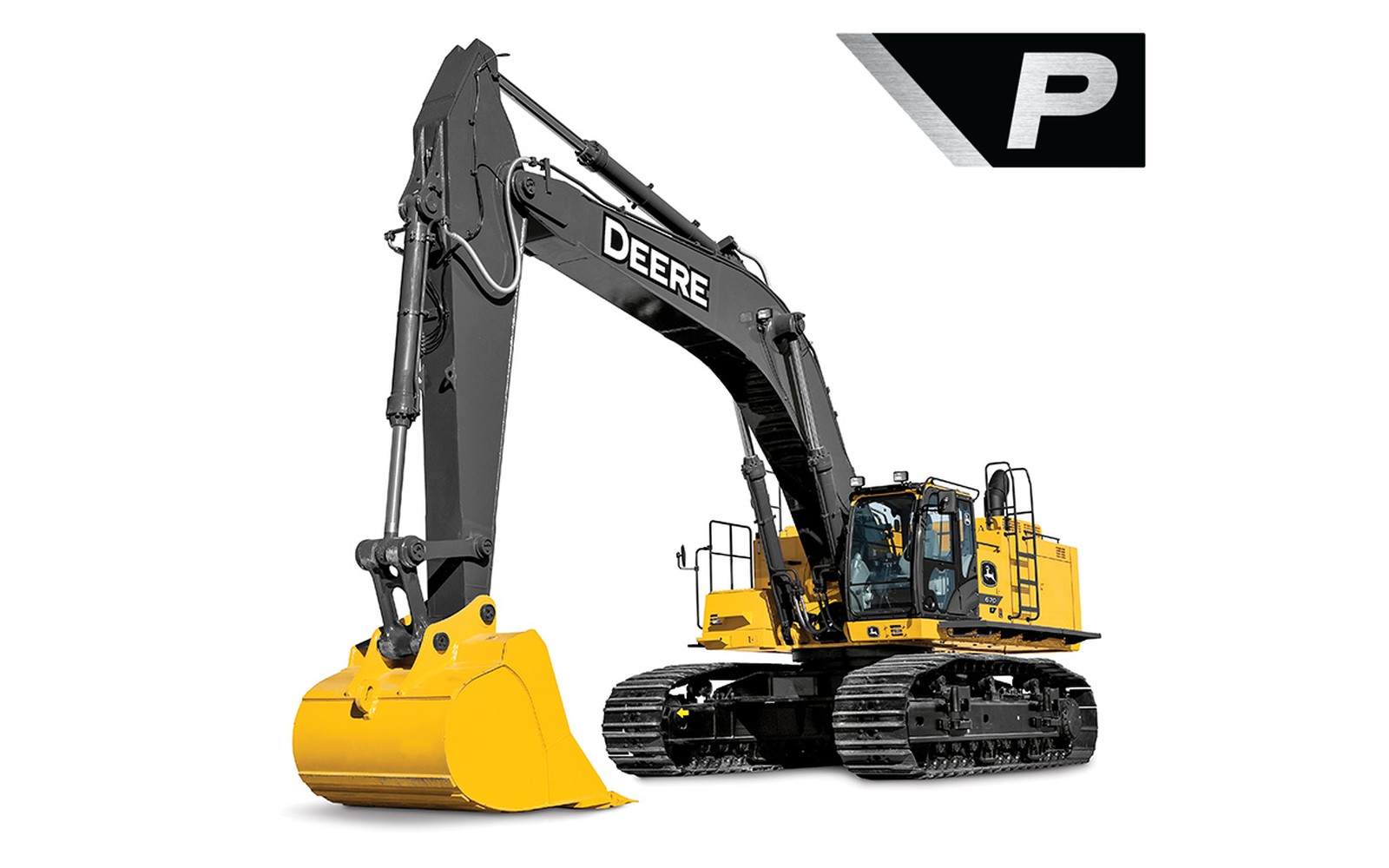
The core asset for most excavating contractors is a twenty-ton class crawler excavator, typically a Caterpillar, Komatsu, Volvo, or Hitachi in the 20-to-30 metric ton range. These machines carry strong resale values and lenders know the asset well, which keeps approval rates high and terms reasonable.
Beyond the primary excavator, contractors regularly finance:
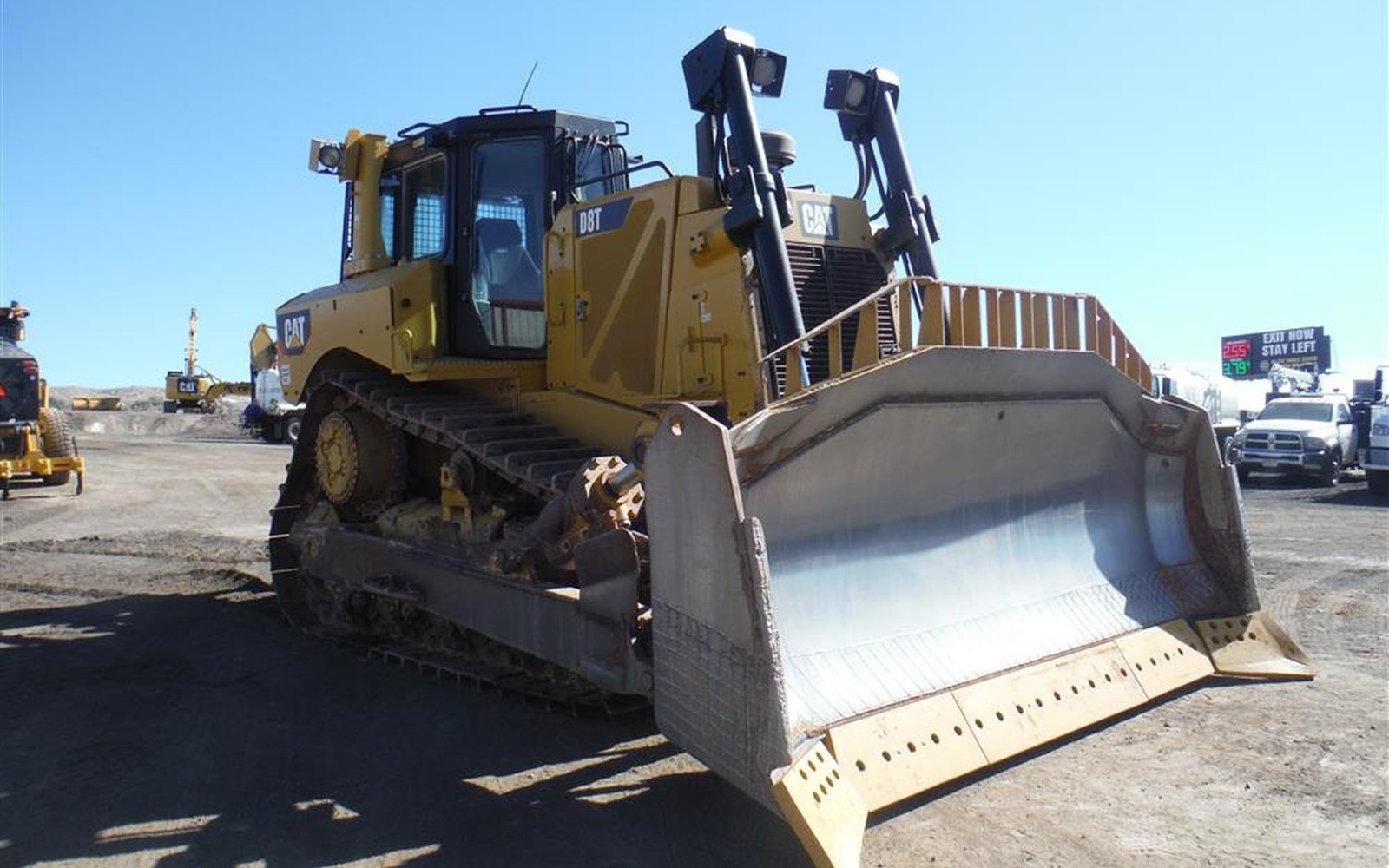
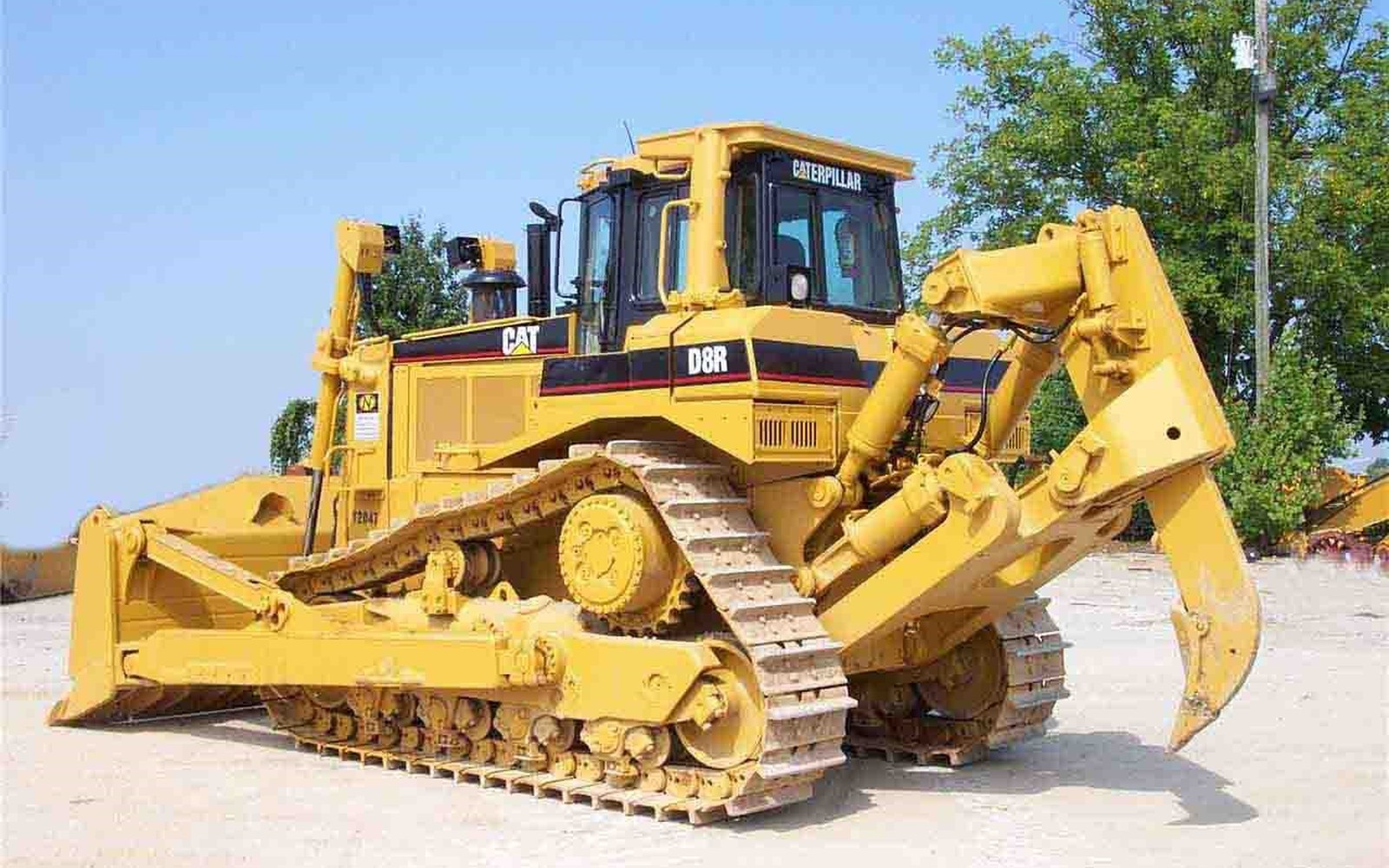
- Dozers and graders for mass earthmoving and final grade work. A dozer pairs with most mid-size excavator fleets.
- Wheel loaders and compact track loaders for loading, stockpiling, and site cleanup. A compact track loader handles what the big excavator cannot reach.
- Attachments including hydraulic thumbs, compaction wheels, and couplers. We finance attachment packages separately or bundled with the carrier machine.
Used equipment is fully financeable. A three-to-five-year-old Komatsu PC290 or a Caterpillar 320 with four thousand hours still qualifies, provided the appraisal or auction value supports the loan amount. We do not have a hard cutoff on equipment age, though very high-hour machines sometimes require a larger down payment or a shorter term.
How the Process Works for Excavating Contractors
The process is designed for the reality that dirt contractors are running jobs, not sitting at a desk. We keep the paperwork load light:
- Submit a quote request. Tell us the equipment, the price, and your business basics. No formal application yet.
- Pre-qualification call. We review credit, time in business, and the asset. Most contractors know within a day whether they are in the right range.
- Application and docs. For deals under roughly $400,000, application-only approval is available for strong credits. Others provide three months of bank statements and basic business documents.
- Approval and term sheet. You see the rate, term, and payment before signing anything.
- Funding. Once documents are signed, the vendor or seller is paid. Most deals close within one to two weeks.
For larger purchases or sale-leaseback transactions on existing equipment, the timeline can stretch slightly depending on appraisal scheduling. But we move as fast as the file allows, and we do not create delays that do not exist in the transaction.
Refinancing and Sale-Leaseback for Excavating Contractors
Paid-off iron sitting in the yard is equity you are not using. A cash-out refinance or sale-leaseback pulls that value out in cash while the machine keeps working. Excavating contractors use this to fund bonding premiums, cover a payroll gap during a slow billing month, or put a deposit on a new project that requires mobilization costs upfront.
The mechanics: we appraise the equipment, structure the deal at a percentage of current market value, and fund the difference (or the full appraised amount in a sale-leaseback) directly to you. The machine stays with you under a lease or loan, and you make monthly payments going forward.
Contractors who already carry a lien on a machine can sometimes refinance to lower the rate or extend the term, reducing monthly pressure during a lower-volume period. We do not automatically push refinancing, but we present the numbers honestly and let contractors decide what fits their cash flow.