
Foundation work does not forgive shortcuts. The tolerances on a deep foundation excavation, a drilled pier location, or a basement form are exact, and the equipment doing that work needs to be reliable from the first cut to the pour. Concrete and foundation contractors carry a specific equipment mix, some of it shared with general excavation and some of it highly specialized for deep foundations, tiebacks, and formed concrete work. We finance both ends of that spectrum.
Our program covers the excavators, compact machines, and specialty foundation equipment that concrete and foundation contractors put on the job. New and used equipment qualify. We work with contractors doing residential basement work, commercial concrete foundations, deep foundation systems, and flatwork operations. Minimum $50,000, application-only to approximately $400,000, funding in one to two weeks on most files.
Equipment Concrete and Foundation Contractors Finance
The equipment list for a concrete and foundation contractor depends on their specialty. Here is a breakdown by work type:
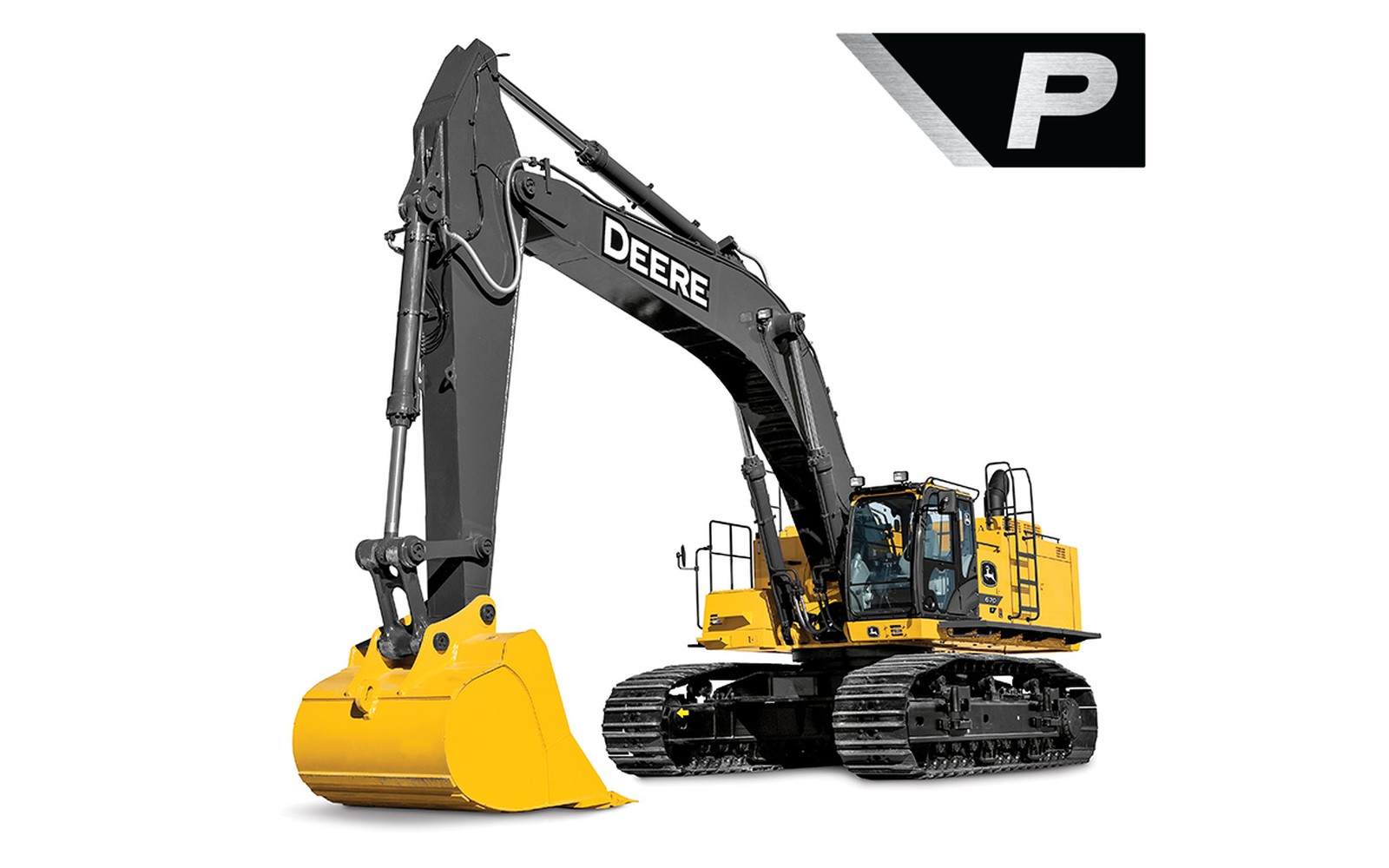
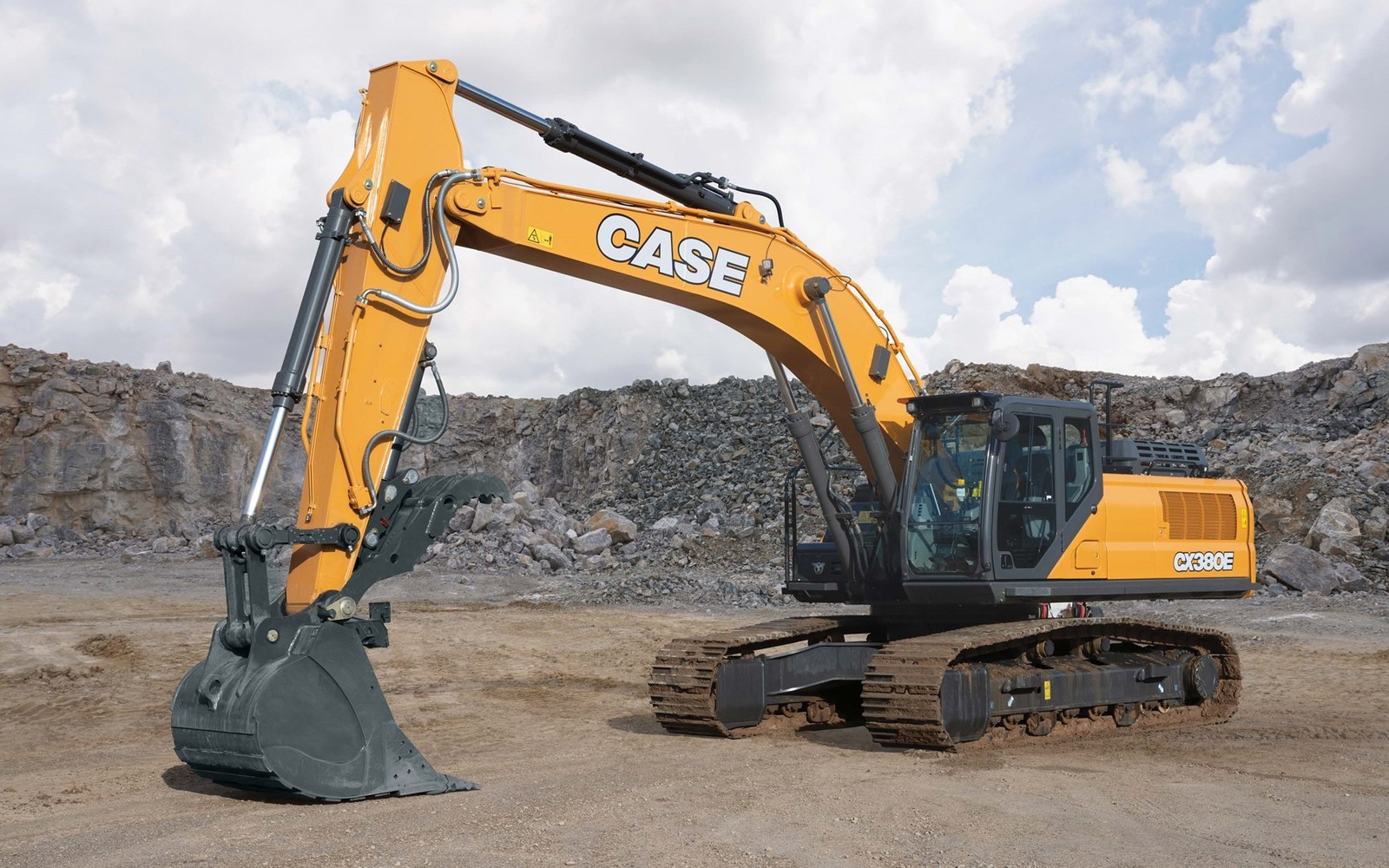
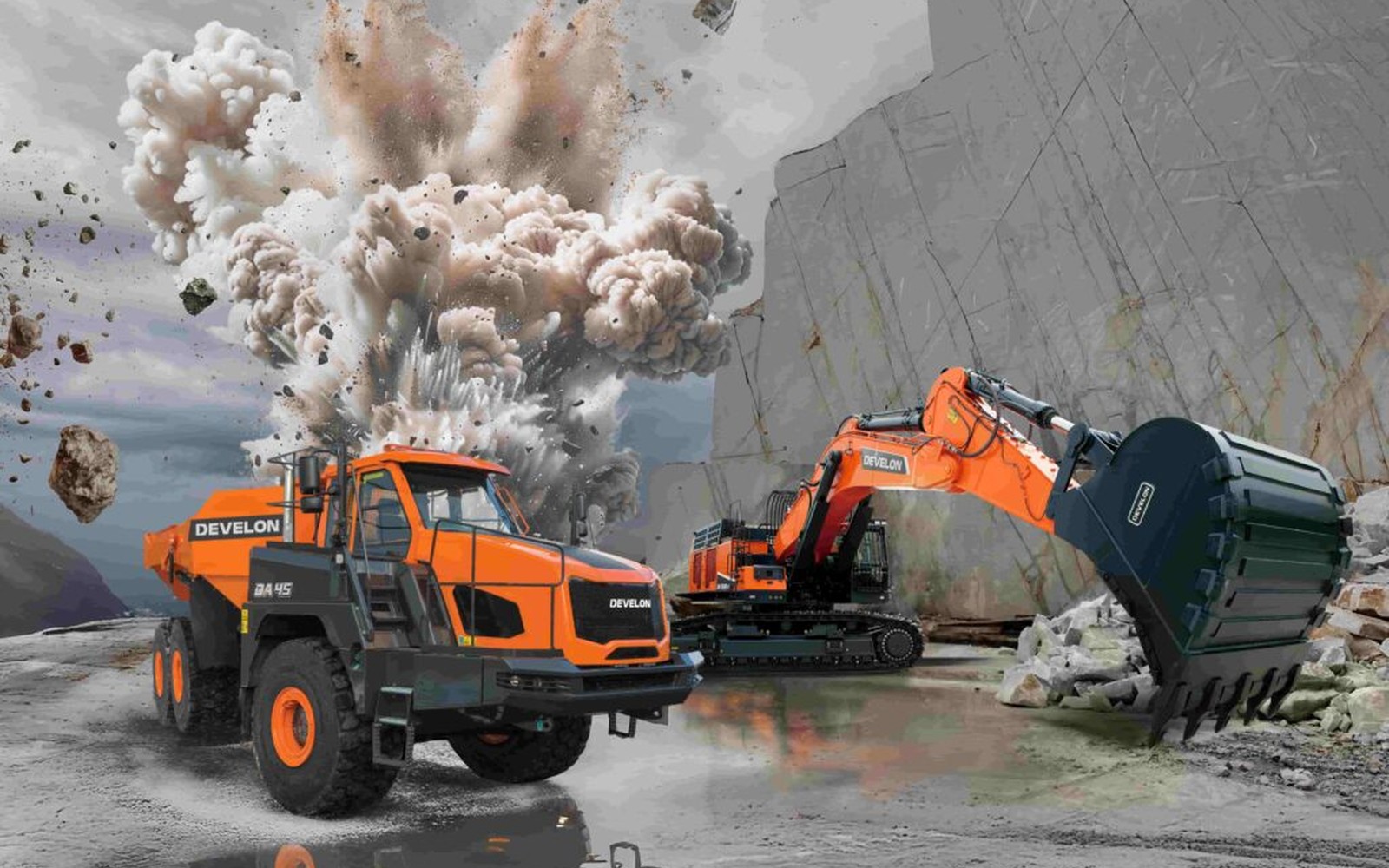
- Foundation excavation: A mid-size excavator handles basement and pad foundation cuts for residential and light commercial work. A larger 30-to-50 ton machine is needed for deep basement excavation, sheeted cuts, or parking structure foundations. We finance both through our excavator financing program and our large excavator financing program.
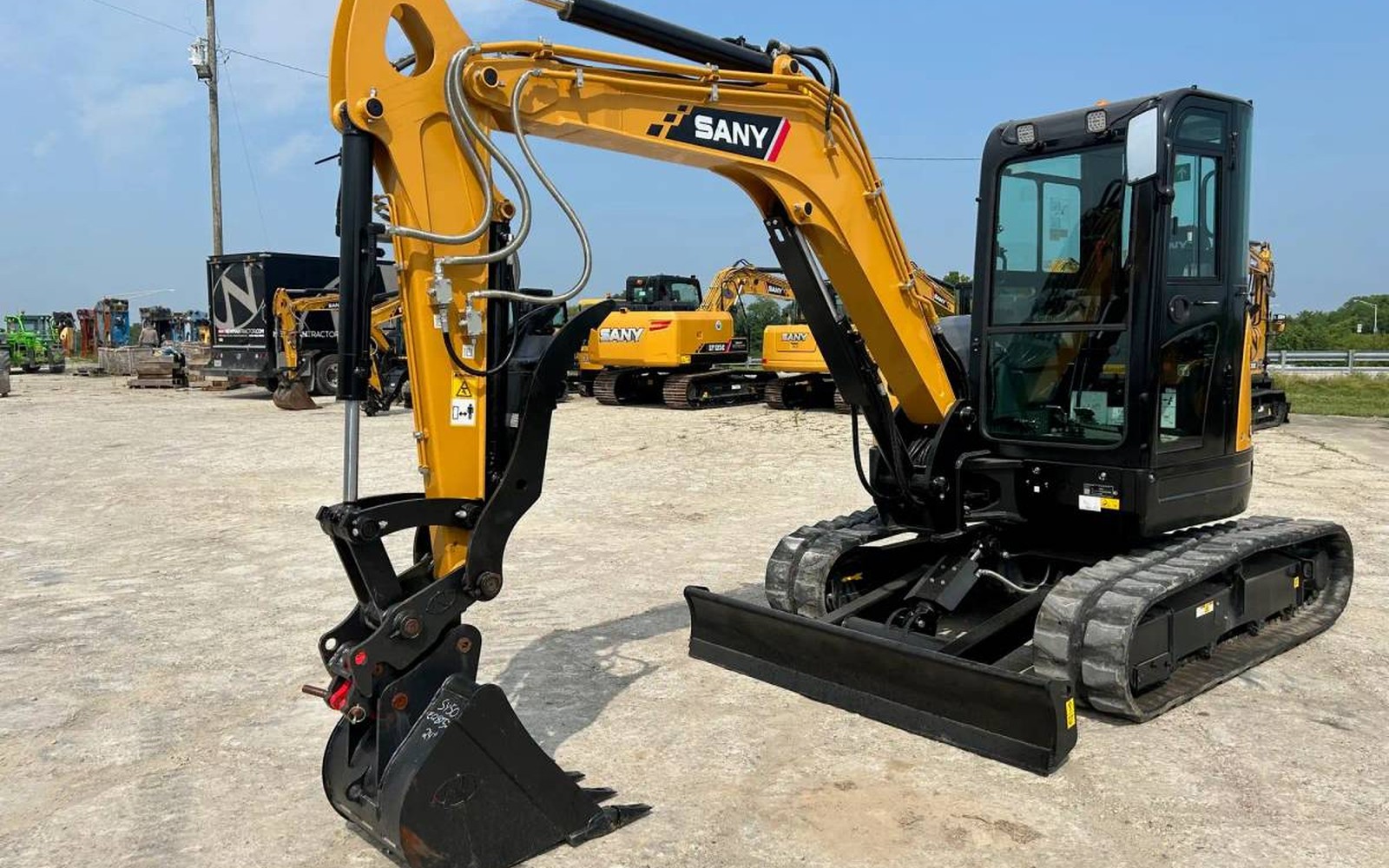
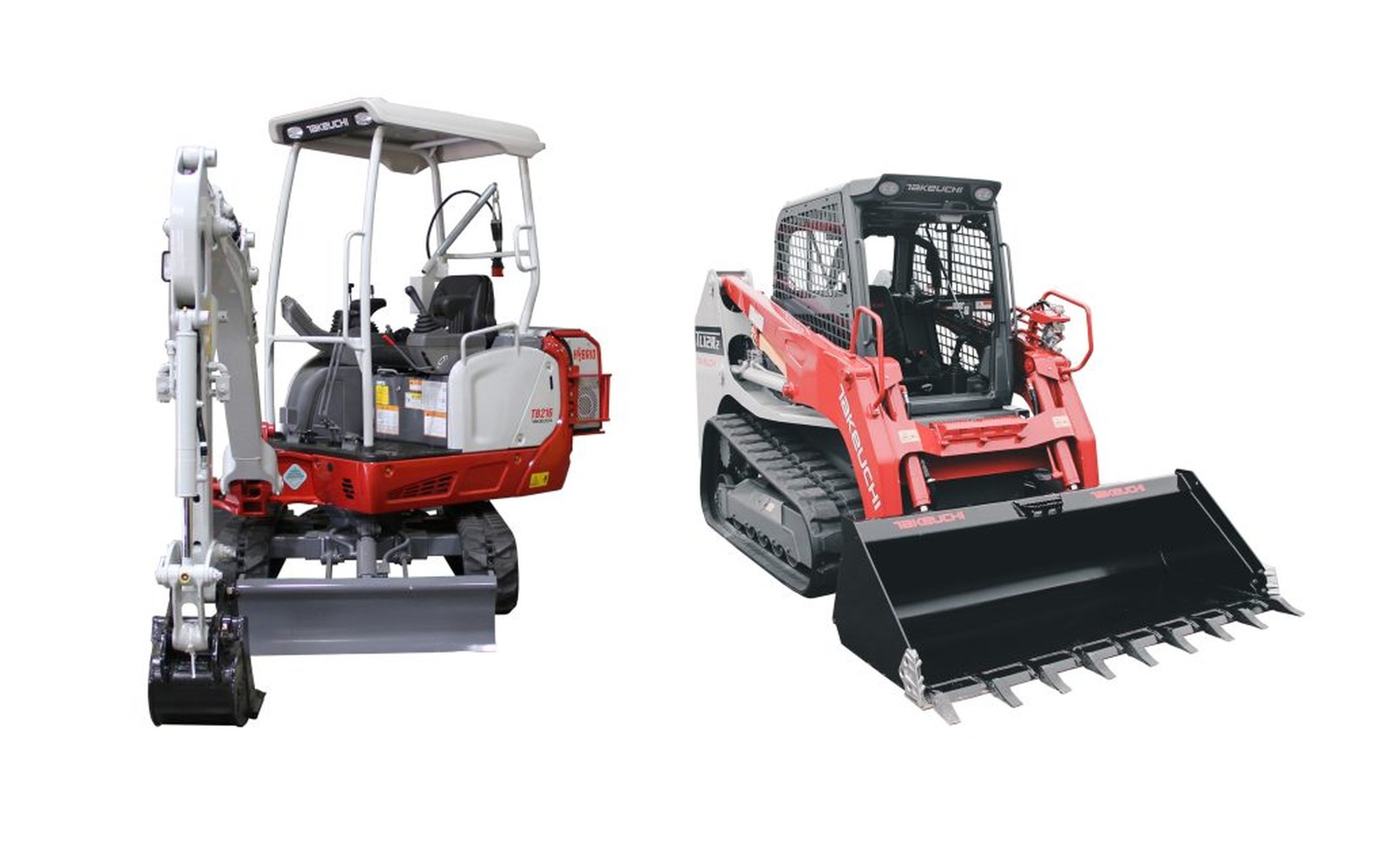
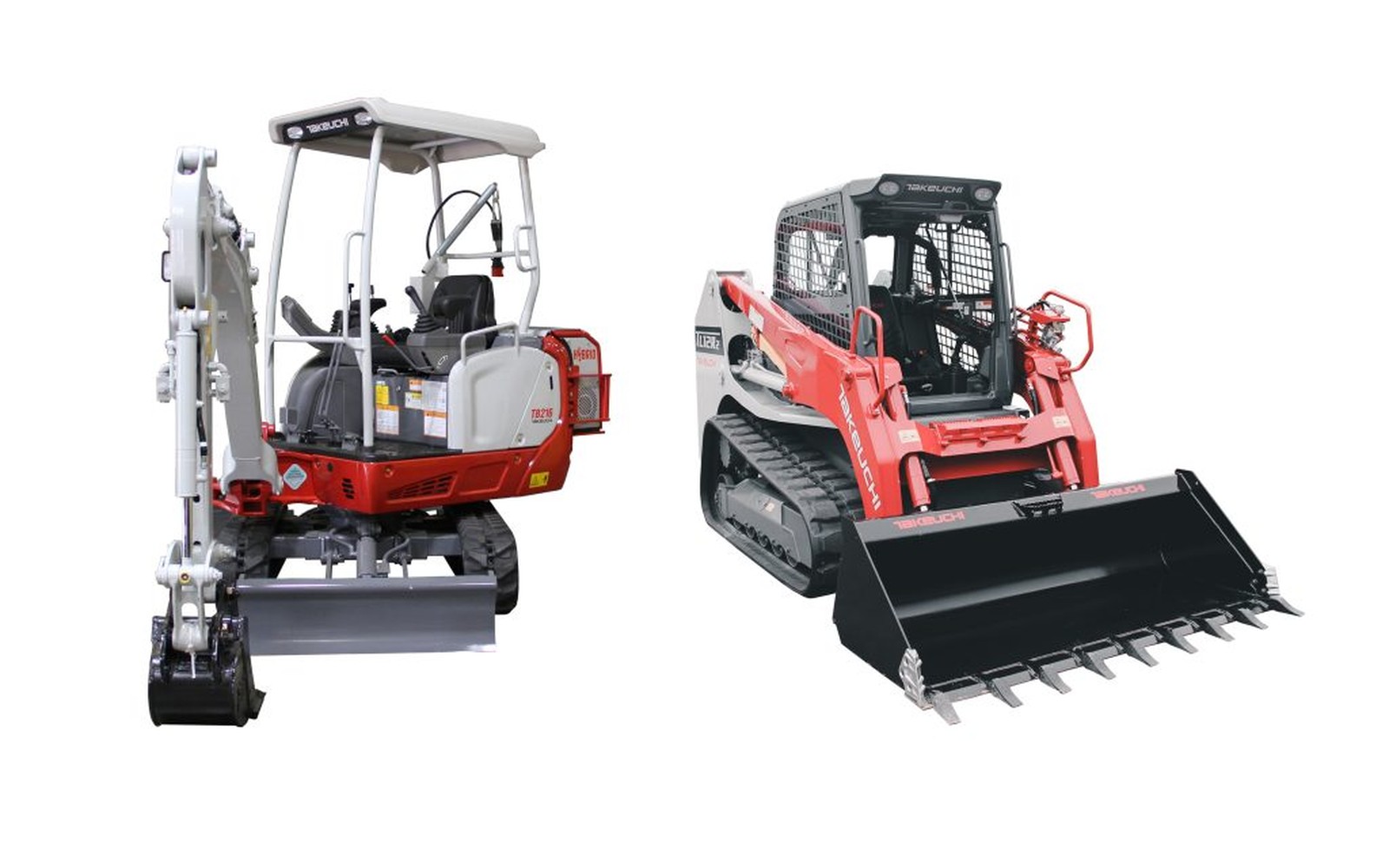
- Compact machines for confined work: In-fill construction, urban basement additions, and tight commercial foundation work require machines that fit in constrained access conditions. A mini excavator or compact excavator handles these situations where a production machine cannot operate.
- Track loaders for concrete work: A compact track loader moves concrete washout, form panels, rebar bundles, and other heavy materials around the job site. Running one on a concrete crew reduces the manual labor required for material handling significantly.
- Soil nail and tieback drilling equipment: Contractors doing earth retention and deep foundation systems use specialty drilling rigs for tieback installation, soil nail placement, and micropile work. These machines are highly specialized and have a defined resale market, which we navigate with lenders experienced in this equipment category.
- Concrete pumps and placers: Some foundation contractors also own concrete pumping equipment for self-performance on large pours. Boom pumps and line pumps are separate assets that can be financed independently.
Concrete and Foundation Contractor Profiles We Work With
The concrete and foundation sector is diverse, and the financing needs vary accordingly:
- Residential foundation specialists: Contractors focused on single-family and multifamily basements, crawl spaces, and slab-on-grade foundations. Volume is high in active housing markets and equipment cycles are fast. Compact machines dominate.
- Commercial concrete subcontractors: Crews specializing in foundations and flatwork for commercial and industrial projects. Equipment needs scale up to production excavators, concrete pumps, and material handlers.
- Deep foundation contractors: Specialists in drilled piers, driven piles, soil nails, and tiebacks. These contractors carry highly specialized equipment that requires lenders familiar with the niche.
- Concrete flatwork and slab contractors: Contractors focused on slab pours, parking lots, and industrial floors. Equipment needs are different from excavation-heavy foundation work but still include compact machines for site preparation and material movement.
Getting Approved as a Concrete and Foundation Contractor
Concrete and foundation contractors often have irregular revenue timing because project completion billings are spaced by phase. A residential foundation crew may complete and bill several foundations per week; a deep foundation specialist may bill one large project over several months. Both patterns show up in bank statements and we account for both.
What we look for:
- Three months of current business bank statements showing ongoing activity
- Business entity documentation (LLC, S-Corp, or sole proprietor records)
- Equipment purchase quote or agreement
- For larger transactions: business tax returns, most recent one to two years
B and C credit programs are available. A down payment in the fifteen to twenty-five percent range often converts a borderline approval into a fundable deal. We give you an honest picture of where your file stands before you invest time in the full application.
Insurance on financed equipment is required. Most foundation contractors already carry equipment floater coverage given the risk of working near open excavations and under crane loads.
Refinancing and Sale-Leaseback for Concrete Contractors
Concrete and foundation contractors who have been operating for several years often own paid-off equipment that represents meaningful equity. A paid-off compact track loader, a mid-size excavator, or a concrete pump can be converted into cash through a Sale-Leaseback while continuing to work on active projects.
Contractors carrying existing equipment loans can benefit from equipment refinancing if they financed during a higher-rate period or want to extend the term to reduce monthly pressure. We run the comparison between the current payment and the refinanced scenario so the decision is based on actual numbers.
The minimum for both programs is $50,000 of current market value. Concrete and foundation equipment from major manufacturers holds value well in active construction markets, so most well-maintained machines are above that threshold.
Finance Your Concrete and Foundation Equipment
Excavators, compact machines, deep foundation equipment, or a concrete contractor package. Tell us what your next job requires and we will come back with real financing terms within one business day. Submit your quote request to get started.