
Dirt contractors who want to run a current machine without committing to full ownership use the FMV lease more than any other flexible structure. Payments are lower because you are not paying off the entire purchase price. At the end of the term, you have three real choices: buy the machine at whatever it is actually worth at that moment, return it and walk away, or roll into a new lease on updated equipment. No predetermined buyout number locked in at signing, no obligation to keep a machine you may no longer need.
The FMV lease is particularly useful when you are not sure whether a given piece of equipment belongs in your long-term fleet or whether your work mix will shift before the lease ends. Getting into the machine with a lower payment and an exit option is a rational choice when the future is less than certain.
How Fair Market Value Is Determined at Lease End
This is the core mechanic you need to understand before signing an FMV lease. The buyout price at the end of the lease is not set at origination. It is determined when the lease terminates, based on the machine's actual market value at that time. The lender, typically using a third-party appraisal or established equipment market guides, sets that number, and you then decide whether to purchase, return, or renew.
The practical implication: you do not know your buyout cost when you sign. If the equipment market is strong at lease end and the machine has held value, the buyout will be higher than you might have expected. If conditions shift and used equipment values drop, the buyout could be lower. This creates uncertainty that some contractors are comfortable with and others prefer to avoid by choosing a dollar buyout lease instead, which locks the end-of-term buyout at one dollar and eliminates the guesswork.
The lender builds a residual assumption into the lease at origination, which is what drives the payment calculation. Higher assumed residual means lower monthly payments. Lower assumed residual means higher payments but less buyout risk at the end. The residual assumption is disclosed in the lease documents; read that number carefully.
Payment Structure and Term Options
Monthly payments on an FMV lease are generally lower than on an equivalent equipment loan or dollar buyout lease because you are financing less of the machine's total value. A lender setting a 40 percent residual on a $250,000 excavator is only asking you to pay down $150,000 over the lease term, and your payment reflects that lower amortization base.
Terms commonly run 24 to 60 months on excavators and earthmoving equipment. Shorter terms mean higher payments but faster turnover. Contractors who upgrade machines frequently find 36-month FMV leases work well because they stay current with the machine generation cycle without paying off full value on each unit.
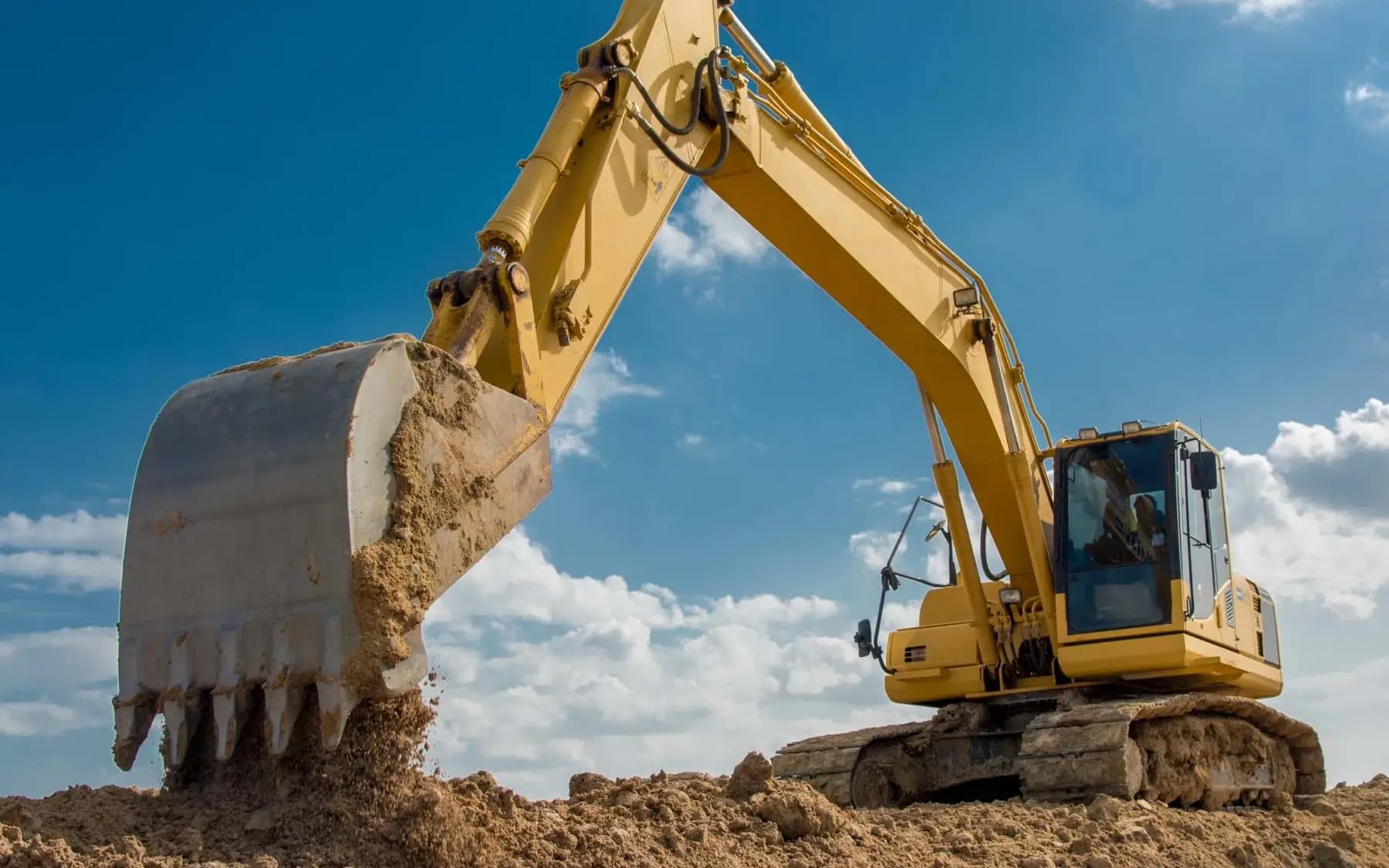
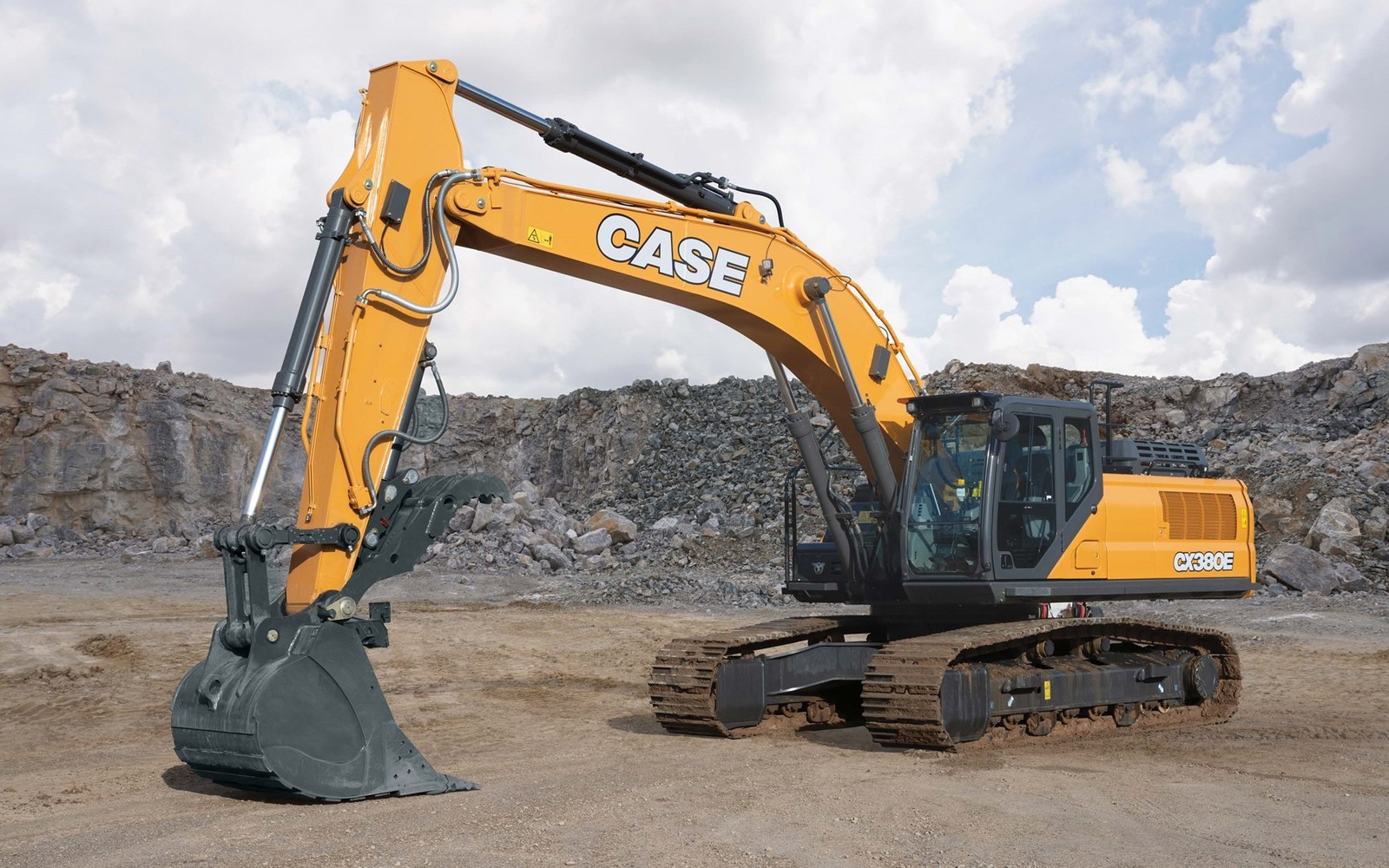
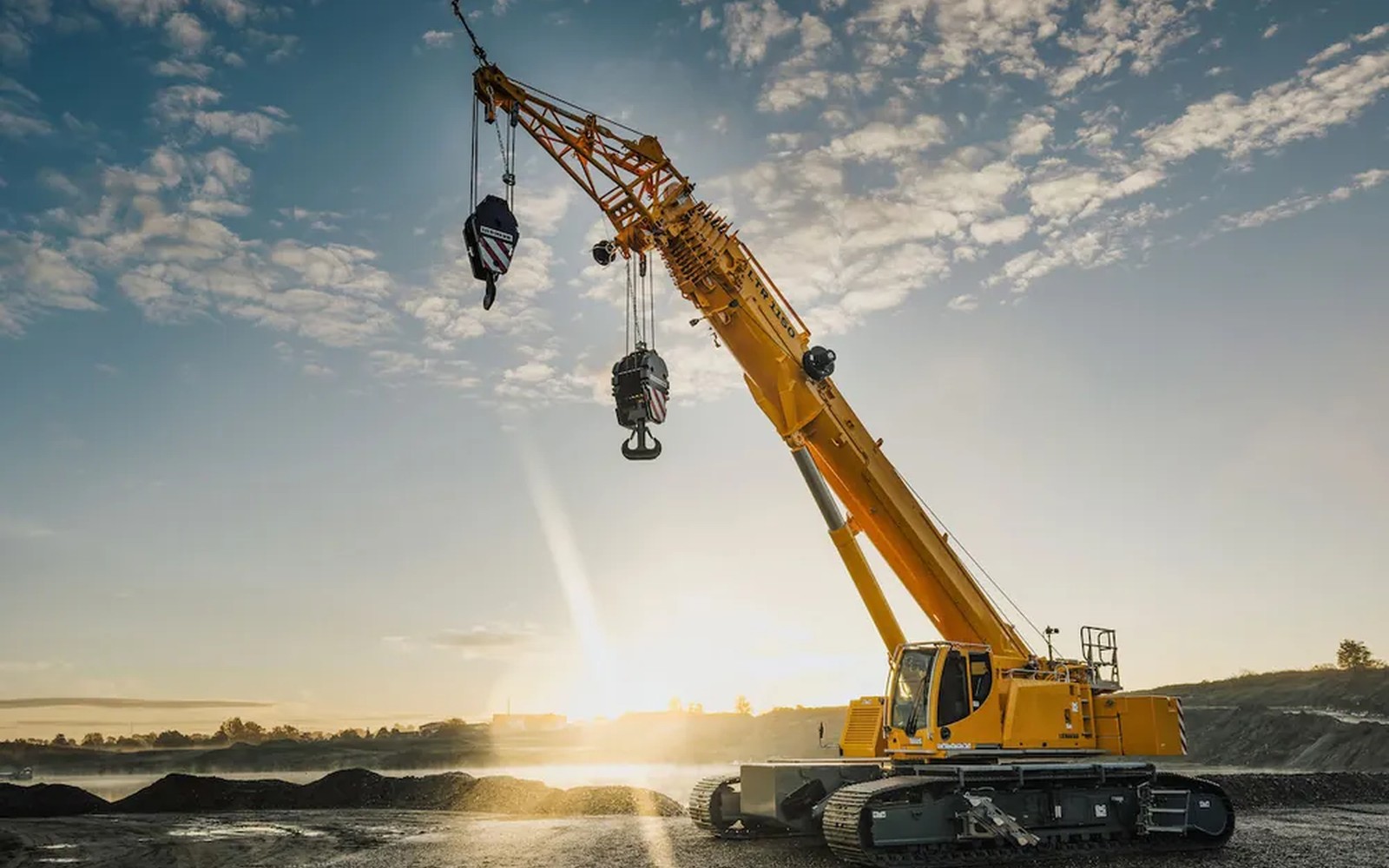
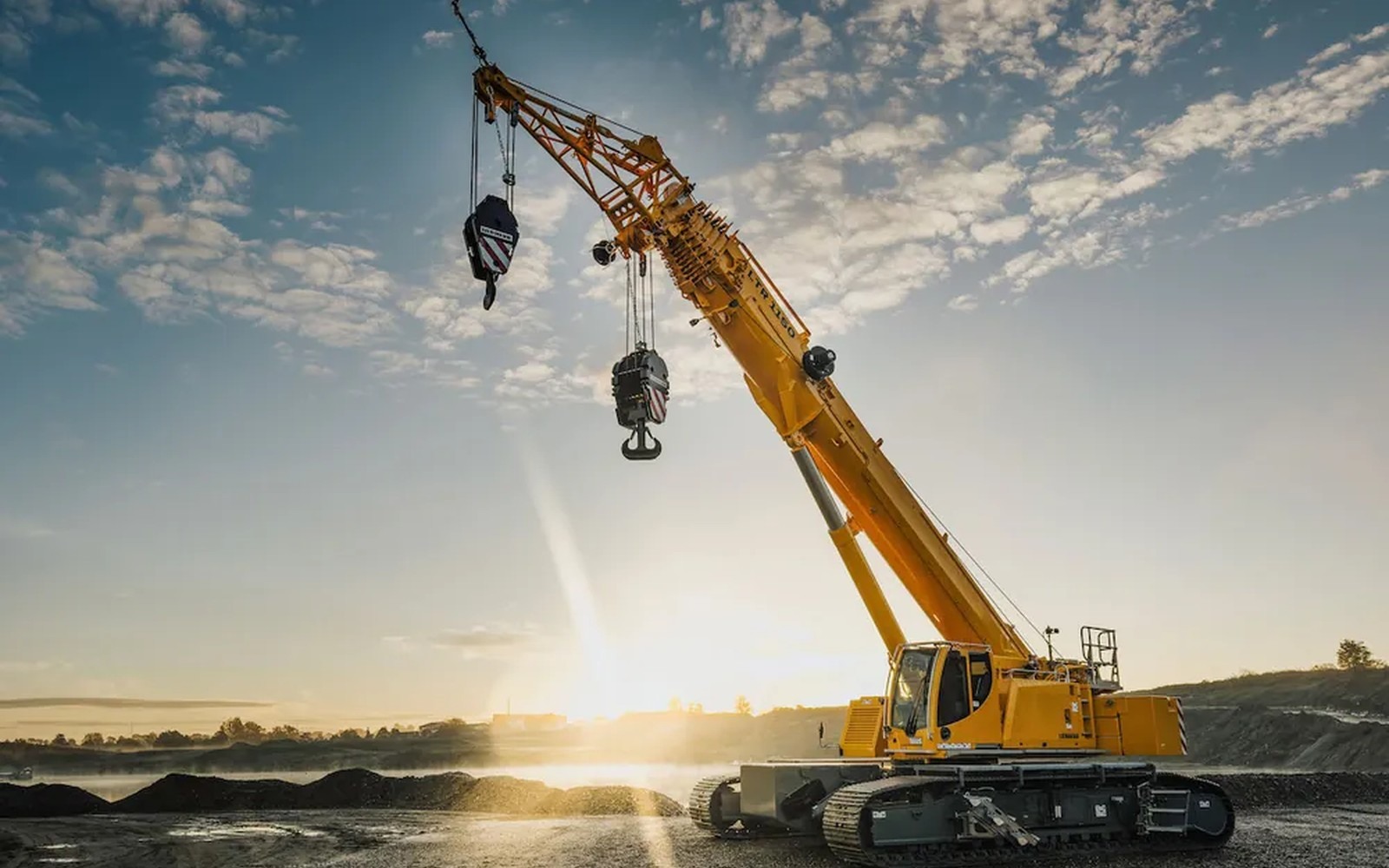
For larger iron like large excavators and crawler cranes where the machine's residual is substantial and predictable, the FMV structure can produce very competitive monthly payments relative to the machine's productive capacity. The lender is betting that the residual will hold; you are betting that you either want the machine at that price at lease end or you do not need it.
Contractors Who Use FMV Leases
The FMV lease profile: a contractor who values payment flexibility over ownership certainty, expects to be in a position to decide at lease end rather than being locked in, and manages equipment as a fleet where turnover is built into the operational model rather than holding machines until they wear out.
Road and highway contractors who run large equipment fleets under multi-year contracts sometimes lease primary production machines under FMV structures and make buy/return decisions based on the next project cycle. If the next contract calls for different equipment, returning the machine makes economic sense. If the same iron is needed, they buy it or renew.
FMV leases also work well for commercial construction firms that use equipment intensively but do not want to carry depreciated iron on the books long-term. The fleet stays relatively current without large capital commitments to ownership, and the lease cost is treated as an operating expense.
FMV vs. Dollar Buyout: The Key Decision
The fundamental trade is lower payment versus ownership certainty. FMV gives you lower payments and flexibility; dollar buyout gives you higher payments and a guaranteed ownership path. Neither is universally better. The decision depends on how confident you are that you want the machine at term end and how much you value the lower monthly cost during the lease period.
If you are financing a machine you know will be your primary production unit for seven or eight years, a dollar buyout or a standard equipment loan is probably cleaner. If you are testing a machine type in your fleet or managing equipment turnover as a deliberate strategy, FMV is the right structure.
Get an FMV Lease Quote on Your Machine
Tell us the machine, the term you are thinking, and your expected use pattern. We will put together payment comparisons for FMV, dollar buyout, and a standard loan so you can see the tradeoffs side by side. Minimum $50,000. Response within one business day.