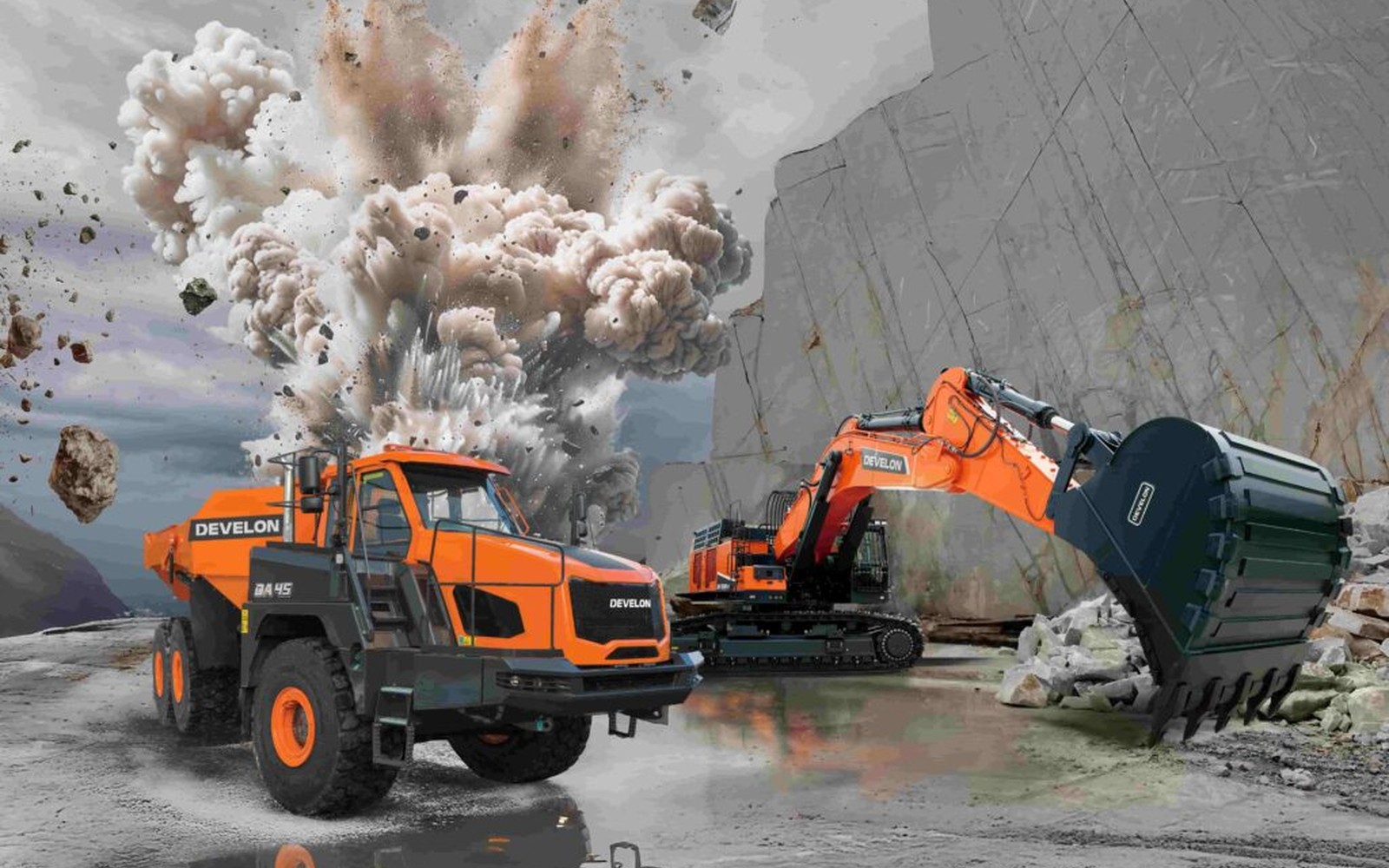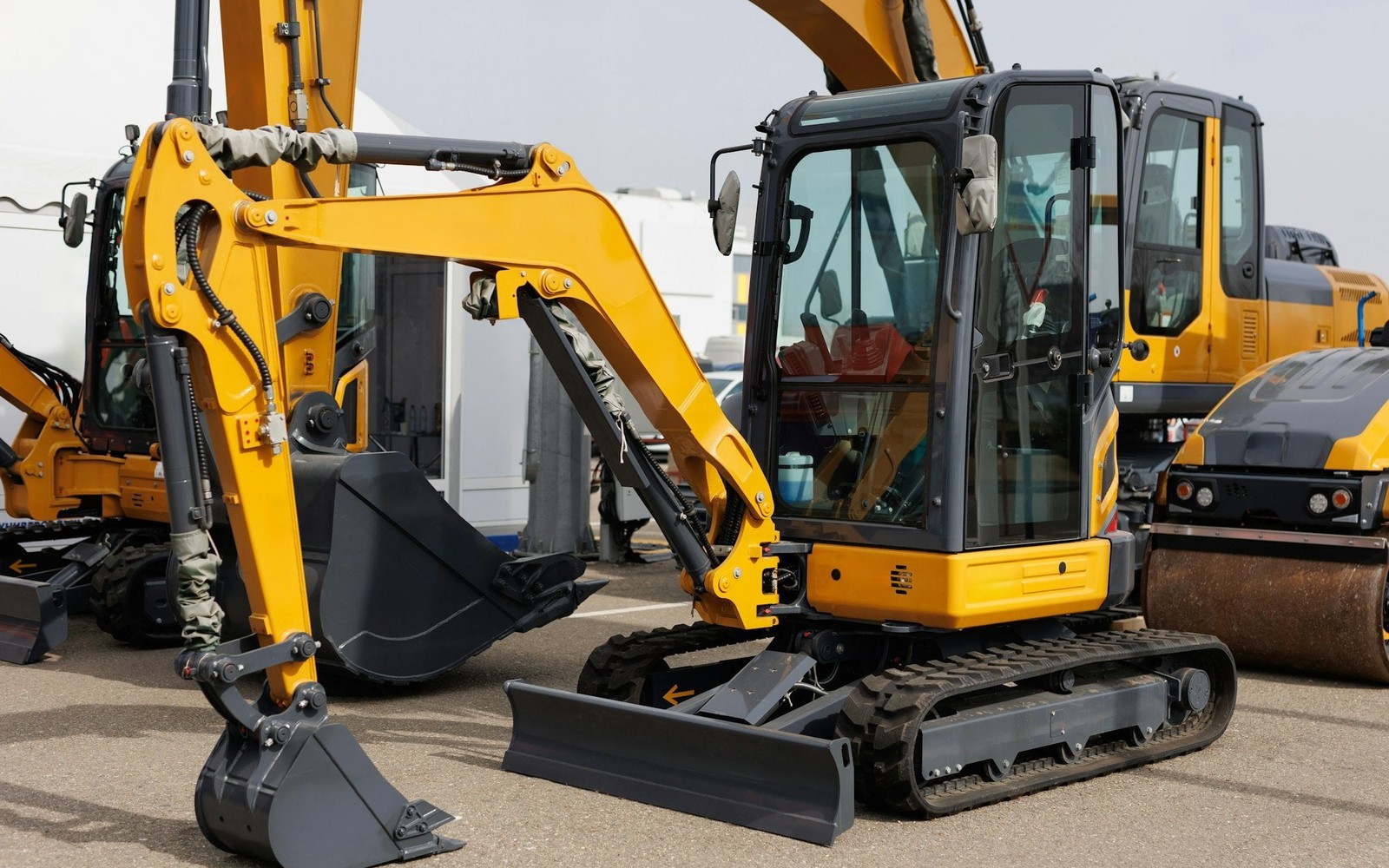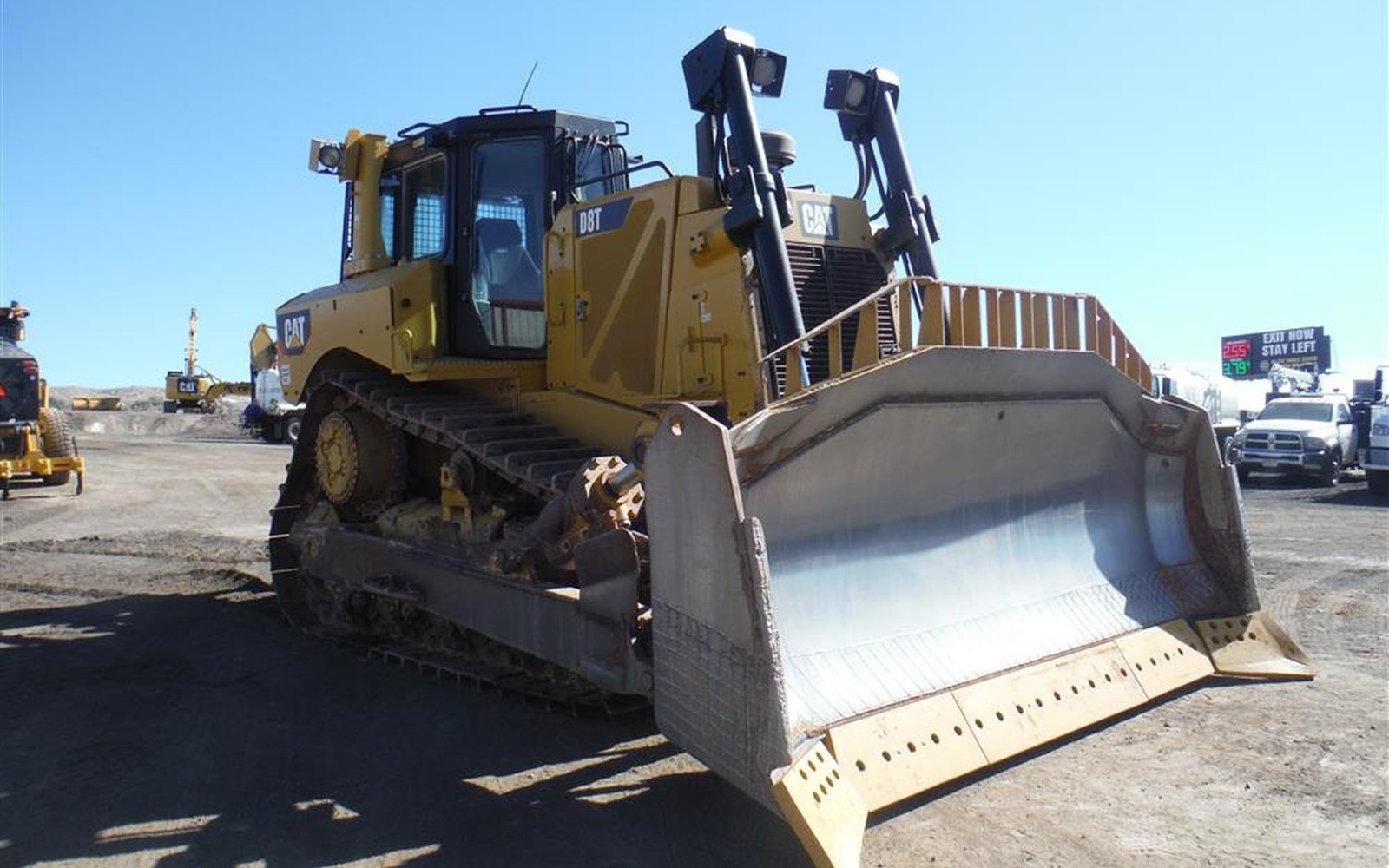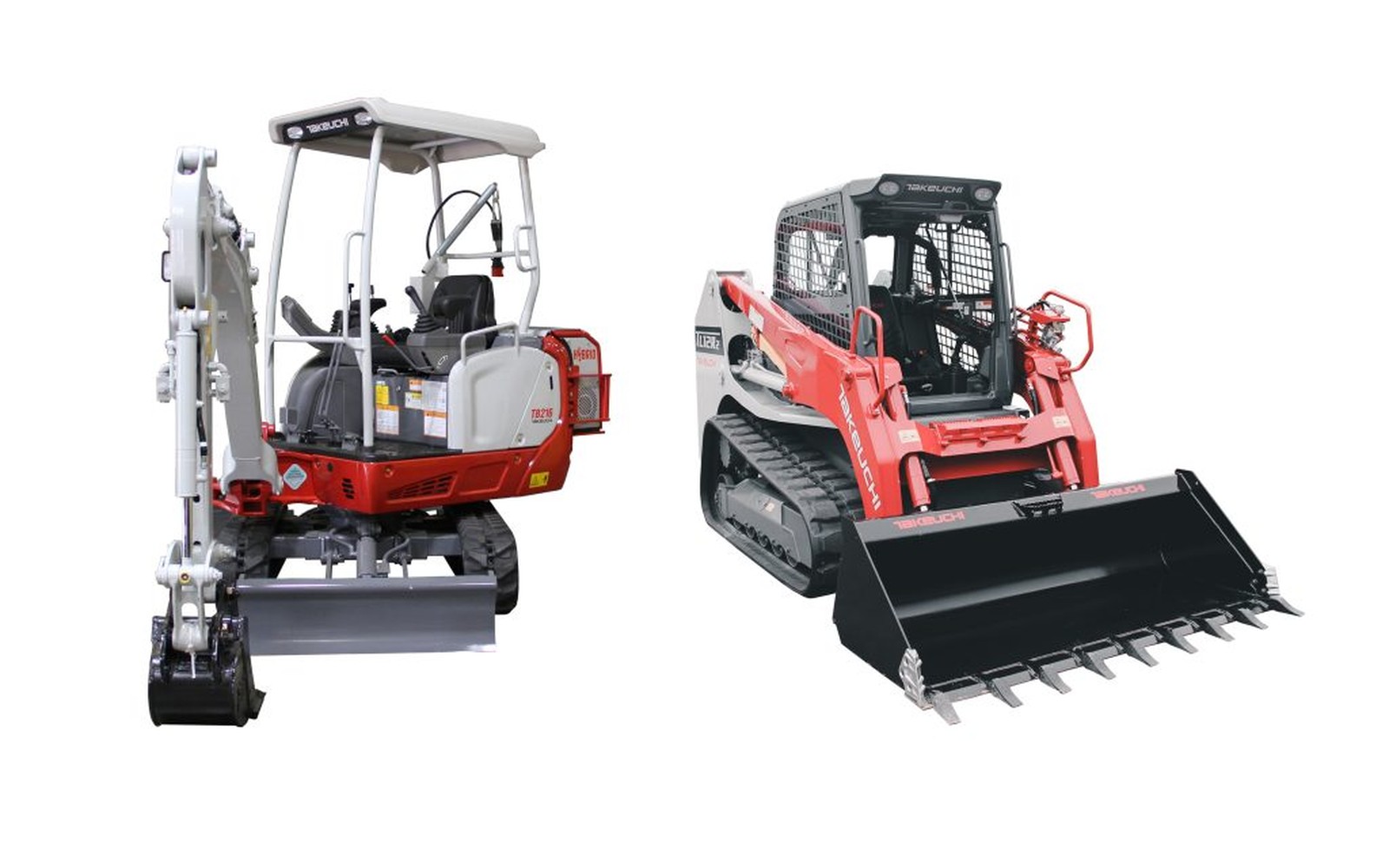

A GC carrying their own dirt equipment plays a different game than one who subs it all out. When you own the excavator and the compact track loader, the mobilization cost on the next job is labor plus fuel, not a subcontractor invoice with markup. That margin difference is real, and it is why general contractors making the jump from full sub to owning some iron come to us regularly. We finance the equipment GCs need to self-perform the dirt work, and we do it without the drawn-out bank approval that makes a dealer hold a machine for another buyer.
We work with commercial GCs, residential GCs managing their own site work, and hybrid operations that do some self-performance and sub the rest. The equipment list varies by project type, but the core assets, production excavators, compact machines, and loaders, are in every deal we do for this segment. Our minimum is $50,000, and most GC equipment deals run significantly above that.
General Contractor Types We Finance
General contractors come to us for different reasons depending on where they are in their growth cycle:
- GCs transitioning from subbing to self-performing: A commercial GC who has been hiring excavation subs decides to own the machine after calculating the margin on a multi-building industrial project. The first purchase is often a mid-size excavator and a compact loader.
- Established GCs adding to an existing fleet: A GC with one or two owned machines takes on a larger project that requires additional capacity. The second or third machine in a fleet often finances more easily than the first because the business has a track record.
- GCs refinancing to reduce monthly payments: A contractor who financed equipment during a high-rate period may find refinancing to a better structure reduces pressure on operating cash flow during slow billing months.
- GCs pulling equity for project capital: A cash-out refinance or Sale-Leaseback on owned equipment converts dormant equity into working capital for bonding, payroll, or materials on the next contract.
Equipment GCs Most Often Finance
The machine mix for a general contractor doing self-performance varies by their specialty. Here is what we see most often:
- 20-to-25 ton production excavators: The standard workhorse for site prep, utility trench, and foundation work. Caterpillar, Komatsu, and Volvo machines in this size class are well-understood collateral for lenders and finance at competitive terms.
- Compact track loaders: A compact track loader handles finish grading, material movement, and backfill in tight spaces where a full excavator cannot maneuver. Nearly every GC fleet includes at least one.
- Backhoe loaders: A backhoe loader is a versatile machine for GCs doing mixed residential and light commercial work. One machine that digs, loads, and travels on its own wheels covers a lot of small-job situations.
- Skid steer loaders: A skid steer is the job site workhorse for cleanup, material handling, and attachment-based tasks. New and used units finance well at most credit levels.
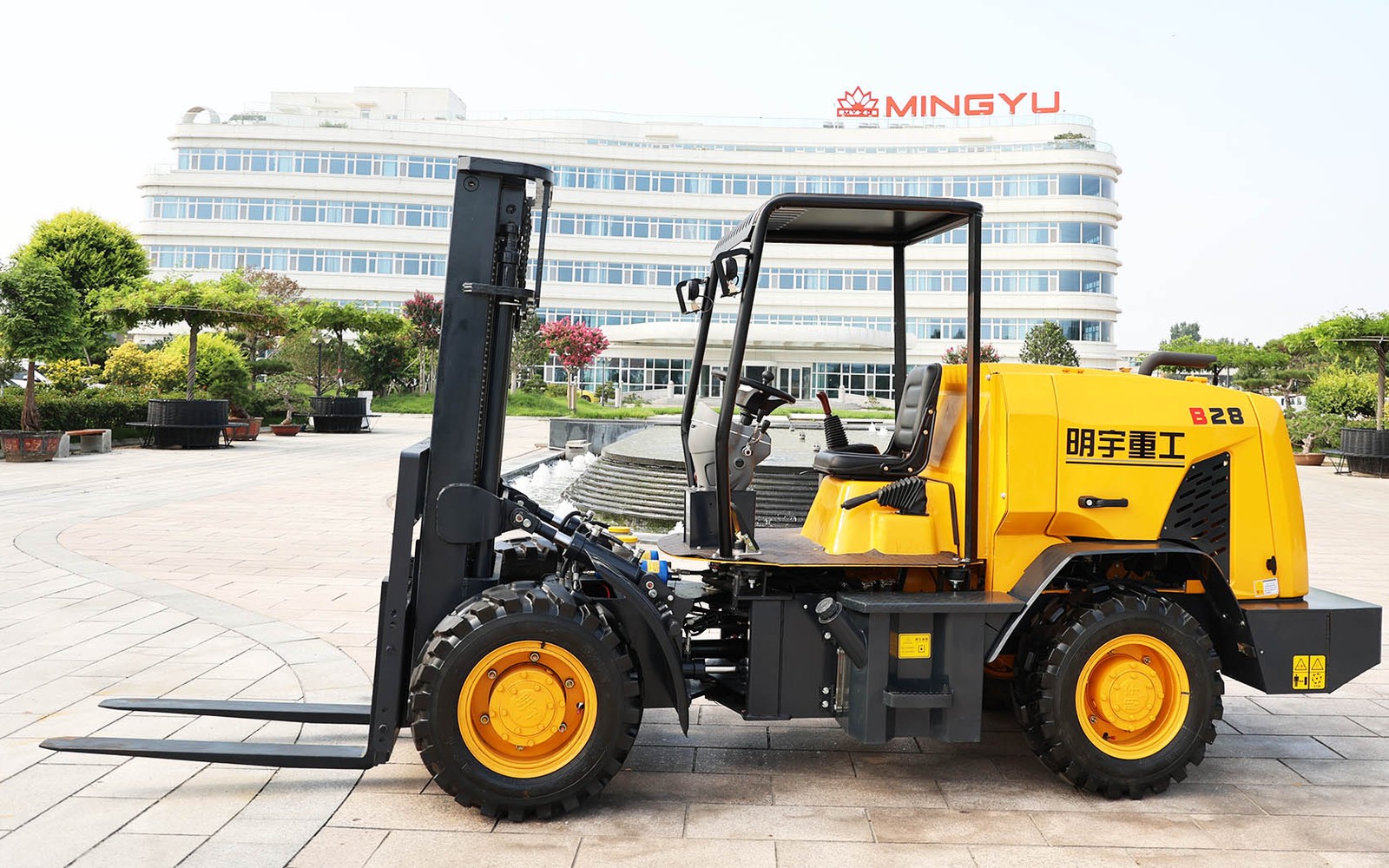
- Telehandlers: GCs doing structural work increasingly keep a telehandler on the payroll for material placement and elevated reach tasks that a conventional forklift cannot handle.
How Equipment Financing Works for GCs
The financing structure a GC chooses depends on how they want to hold the equipment and what their tax situation looks like:
- Equipment loans: Fixed monthly payments, ownership at payoff. Most straightforward option. Works well when the GC wants the machine on the balance sheet and plans to keep it long-term.
- Equipment leases: Lower monthly payment, possible off-balance-sheet treatment depending on structure. Useful when the GC needs to preserve debt capacity for bonding or lines of credit.
- Section 179 eligible structures: GCs who want to capture year-end tax deductions on equipment purchases can structure the deal to qualify for Section 179 and bonus depreciation. We time these deals to hit before year-end when that is the goal.
Application-only approval is available for deals under roughly $400,000 for strong credit. Larger transactions or more complex credit situations require three months of bank statements and basic business documents. Funding closes in one to two weeks on completed files.
Credit and Documentation for General Contractors
GCs operate on project contracts, and their revenue can look variable to a lender who does not understand the business. A slow month between project starts followed by a large payment at substantial completion is normal. We look at the full picture:
- Bank statements: Three months of current business banking. We want to see cash position and average monthly flow, not just a number from last year's return.
- Time in business: Two or more years puts you in the standard program. One to two years means a more limited product set but not an automatic decline.
- Backlog: Signed contracts or letters of intent supporting future revenue help the case on larger deals.
- Personal credit: Most equipment loans for GCs include a personal guarantee from the principal. Credit in the 650-and-above range qualifies for standard terms. Below that, we have B and C credit programs that require more documentation or a down payment.
Contractors who have had a rough patch in the last two years are not automatically out. We look at the current trajectory, not just the worst point.
Get Equipment Financing for Your GC Business
Excavators, track loaders, backhoes, or a full site-work package. Tell us what you are buying and we will put real terms in front of you within one business day. General contractors move fast on project decisions; we are built to match that pace.