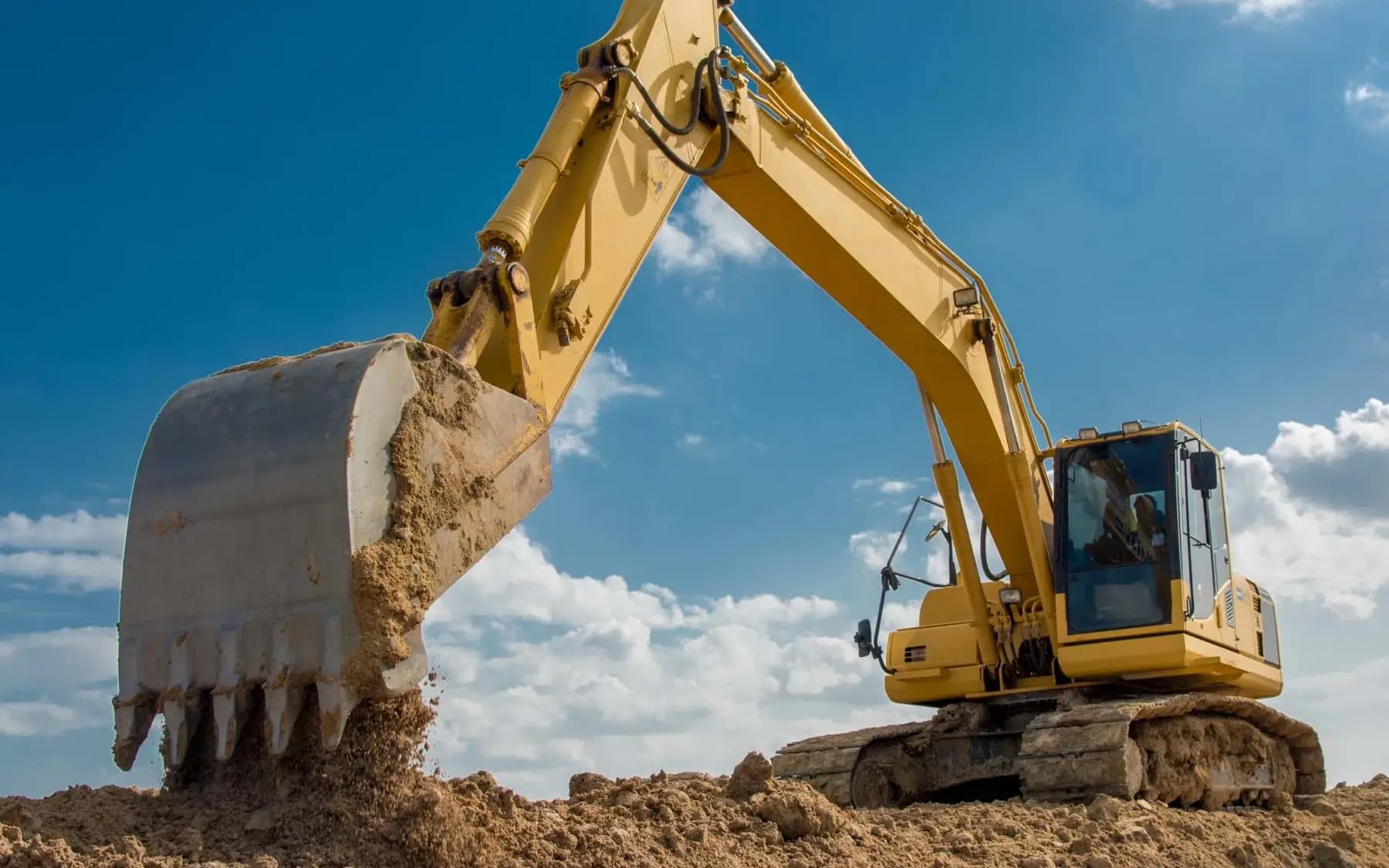

Section 179 of the tax code lets you deduct the full purchase price of qualifying equipment in the year you put it in service, rather than depreciating it over five or seven years. For a contractor buying a $200,000 excavator in December, that can mean a very large deduction hitting the current tax year instead of being spread thin over the next several years. The machine earns on the job; the deduction earns on your tax return.
The key point most contractors miss: Section 179 applies to financed equipment, not just equipment you paid cash for. You can take the full deduction in year one even if you owe most of the purchase price to a lender. The deduction is based on putting the machine in service, not on having paid it off. That makes financing and Section 179 a natural pairing for contractors who want the tax benefit without depleting their cash reserves.
How Section 179 Works With Equipment Financing
The mechanics: you finance a machine, place it in service before December 31 of the tax year, and elect Section 179 on your tax return. Your deductible amount is up to the full purchase price of the machine, subject to annual IRS limits (the deduction limit adjusts for inflation and must be confirmed with your CPA for the current tax year). The deduction reduces your taxable income, which reduces what you owe at tax time.
The financing does not change how the deduction works. Whether you paid cash, took an equipment loan, or entered a dollar buyout lease, the IRS treats you as having purchased the asset as long as you bear the economic risks of ownership. Operating leases where the lender retains most of the economic interest work differently; confirm with your accountant how the specific structure you choose is classified.
There is a business income limitation: Section 179 cannot create a loss. The deduction is limited to your business's taxable income for the year. If the deduction would push you below zero, the excess amount is carried forward to future years where it can be used. For most profitable contractors, this limitation is not a binding constraint, but it is worth checking before year end.
Deduction Size Versus Cash Cost
The tax savings from Section 179 reduce the effective net cost of the machine. The exact savings depend on your marginal tax rate, but a contractor in the 25 percent tax bracket who deducts $200,000 of equipment cost saves $50,000 in federal taxes. That $50,000 in tax savings is real cash that does not leave your account at tax time, even though you are still making monthly loan payments on the machine.
Looked at another way, the after-tax cost of the machine is meaningfully lower in year one than the purchase price suggests. Contractors who finance a machine and plan to use Section 179 should model their expected monthly payment against the tax savings to understand the true economics of the purchase.
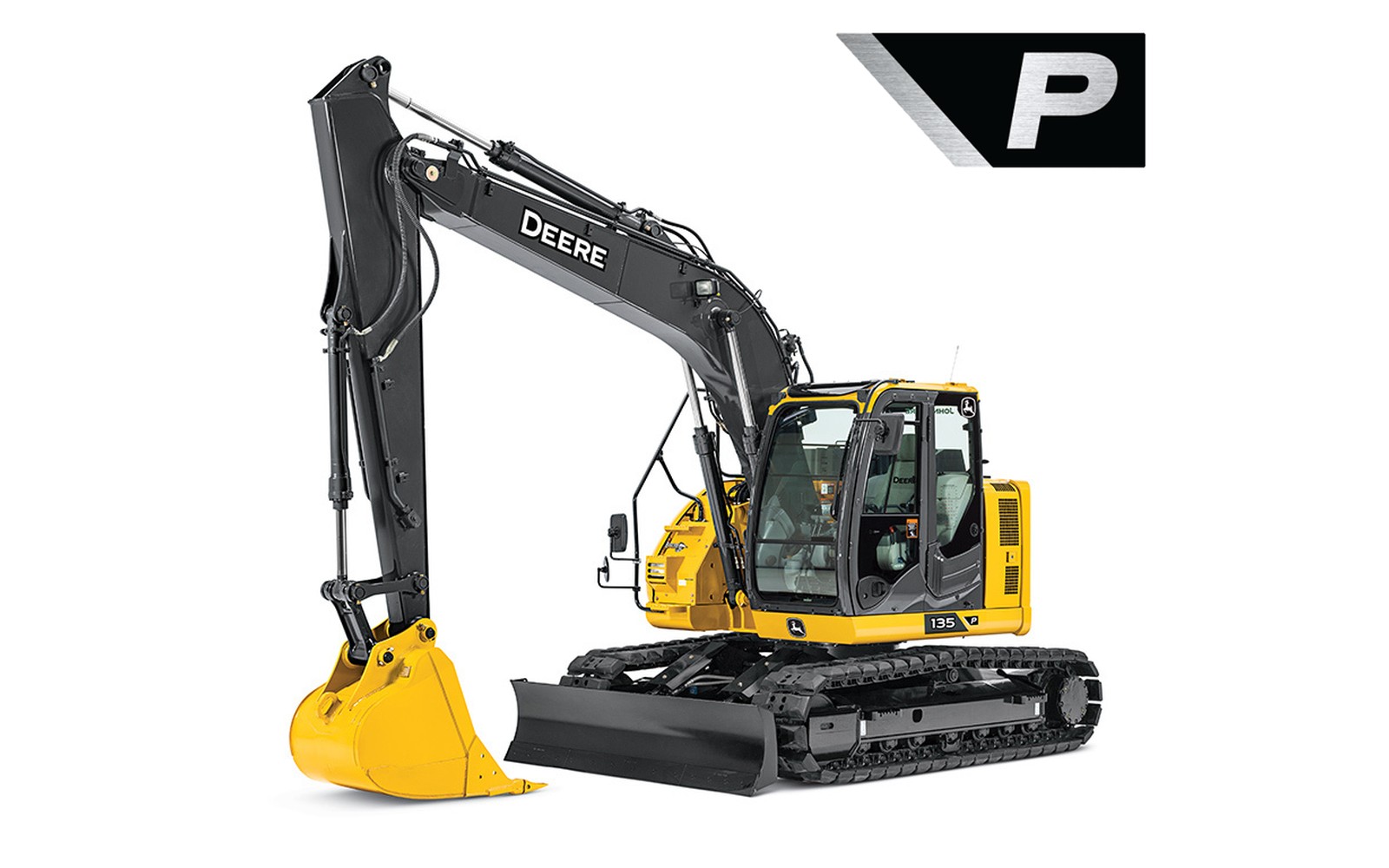
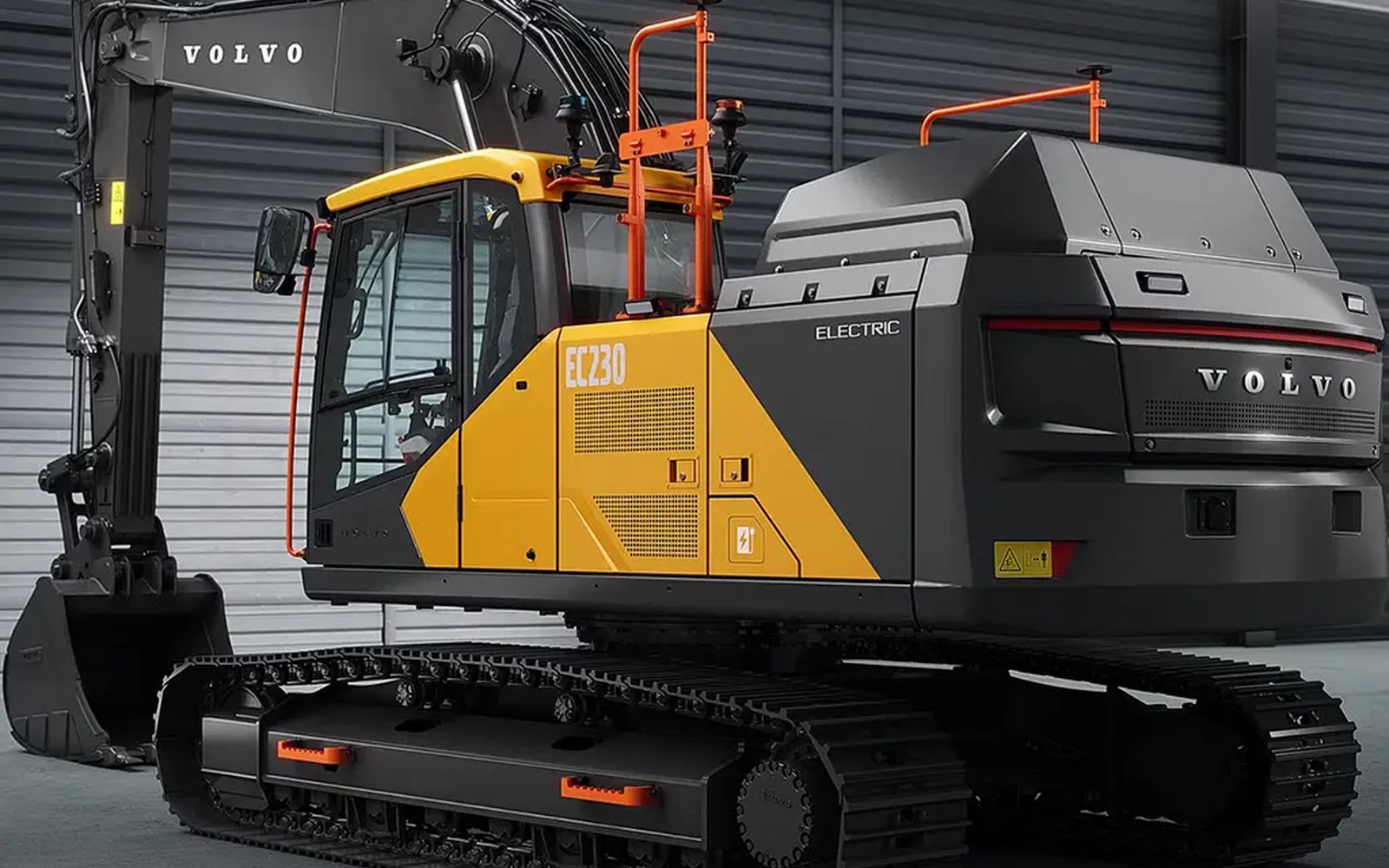
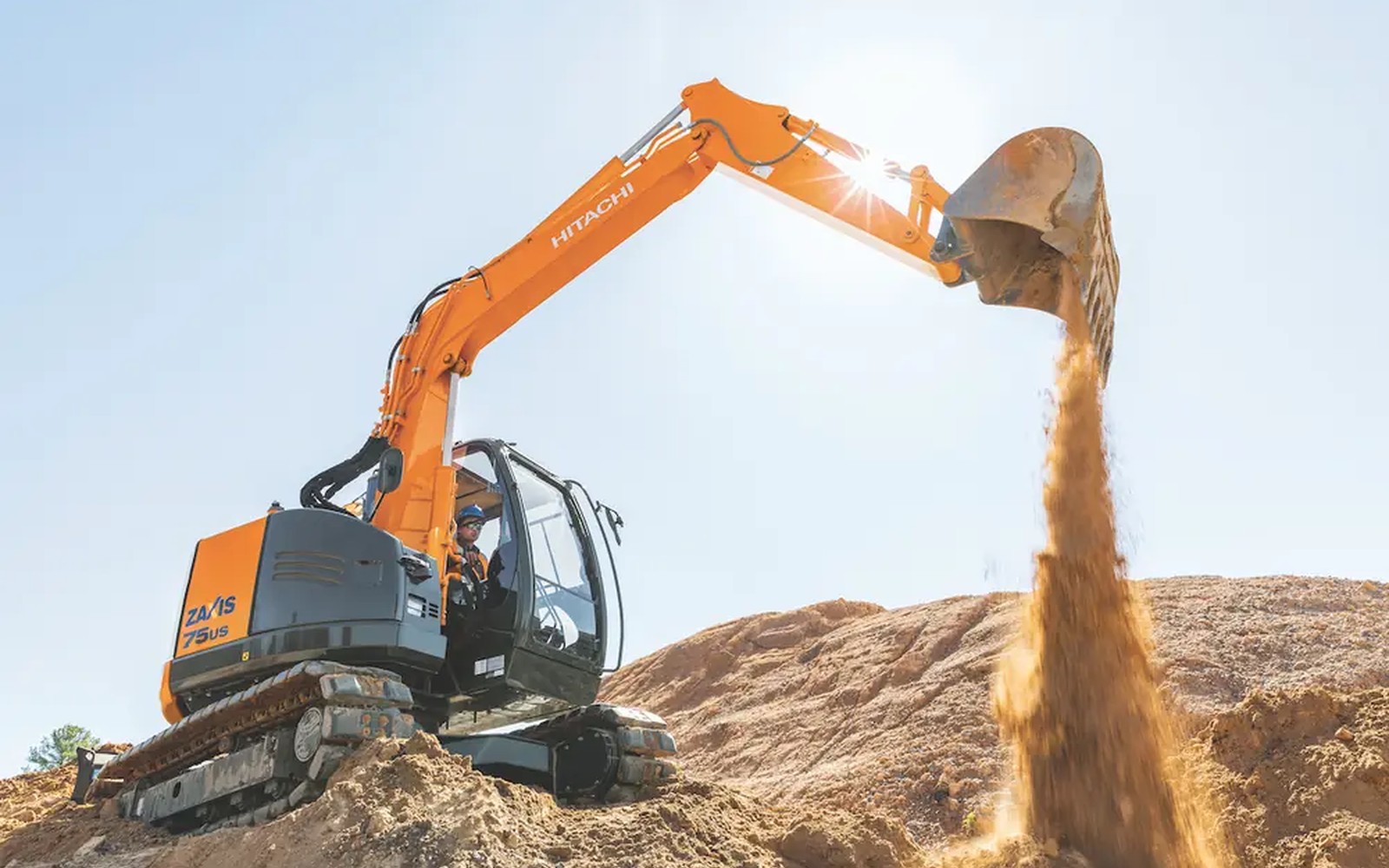
For equipment running about $100k to $400k, which is the sweet spot for most single-machine purchases from John Deere, Volvo CE, Hitachi, and comparable manufacturers, the combined effect of a competitive financing rate and a Section 179 deduction can make year-one economics quite attractive.
Contractors Who Get the Most From Section 179
Section 179 is most valuable when your business has taxable income to shelter. A profitable year, a large contract payment hitting late in the year, or a business that has been holding back on a capital purchase specifically for this reason are all good triggers. Buying the machine in the fourth quarter maximizes the timing: you get a full year's deduction for a machine that was only in service a few weeks of that tax year.
Grading and earthwork contractors who are in a growth phase and want to reinvest profits into new equipment before paying a large tax bill make frequent use of this strategy. Road and highway contractors who close out large state and municipal contracts late in the year also find the timing works well.
The strategy also makes sense for businesses buying wheeled excavators, telehandlers, or other versatile equipment types that have immediate productive use from day one.
Section 179 and Bonus Depreciation Together
Section 179 and bonus depreciation are separate tax tools that can sometimes be used together. Section 179 lets you elect to expense up to a set dollar amount. Bonus depreciation is a separate first-year deduction applicable to the remaining basis after Section 179 is applied, and in certain years it allows 100 percent first-year deduction without the dollar limit. When both are available and your tax situation supports it, using them together can potentially deduct the full cost of a machine in year one even on larger purchases. This is a nuanced tax question that requires a CPA, not a lender, to structure correctly.
Finance Your Machine and Capture the Deduction
If you are buying equipment before year end and want to combine competitive financing with Section 179, timing matters. We move fast. Tell us the machine and the timeline, and we will work to close before the calendar flips. Minimum deal $50,000. Response within one business day.