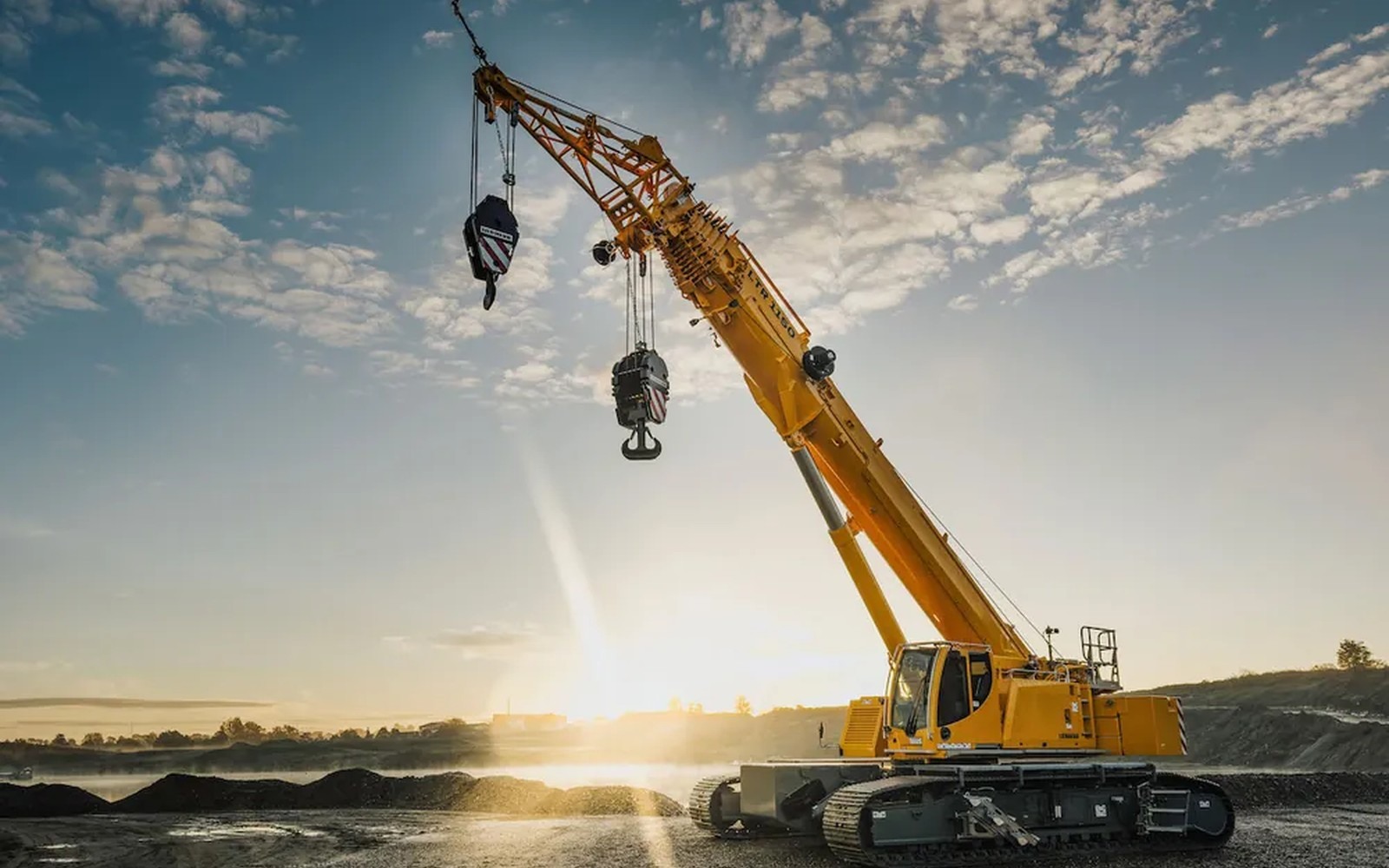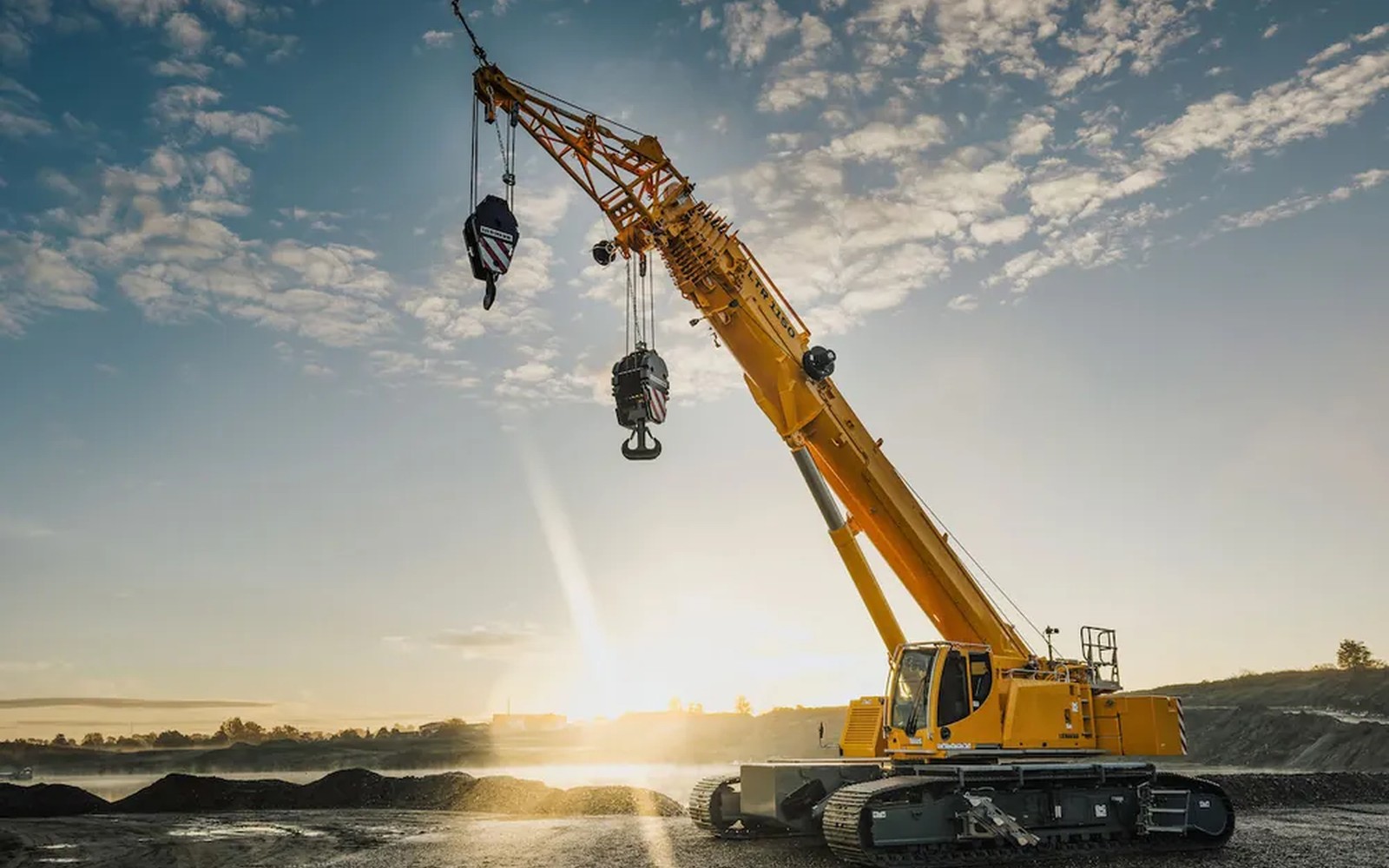

The all-terrain crane earns its name by doing two things neither a rough-terrain nor a truck crane does alone: it travels highway speeds under its own power on multiple axles, then sets up on rough ground and picks serious tonnage. For contractors who move machines between cities and need both road speed and off-pavement capability, the all-terrain crane is the answer, and it is also one of the most capital-intensive pieces of mobile lifting equipment you can buy. Financing it requires lenders who understand crane collateral, not just equipment finance in general. A deal for a $2 million crane going through a bank that primarily does commercial real estate loans is a deal that takes six months and may still fall apart, costing you the purchase opportunity entirely.
Modern all-terrain cranes in the 100 to 400 ton class commonly run $1.5 million to $4 million or more for new units. Quality used machines in the 100-ton range can be found in the $400,000 to $800,000 corridor, while larger used all-terrains often trade at $1 million and above depending on condition, configuration, and current market demand. This is big-ticket iron, and the deal has to be structured with that scale in mind from the start. We bring lenders to the table who have funded multiple all-terrain crane transactions and know exactly what documentation they need to make a quick, confident decision.
Financing All-Terrain Cranes: The Process
Deals at this price point require full financial documentation. A complete credit package typically includes the credit application, three months of business bank statements, two years of business tax returns, and a personal financial statement from the principal owner. The lender is underwriting both the borrower's financial health and the machine as collateral, and both sides of that equation need to be solid for the deal to move well. We help you assemble the package before submission so the presentation is organized, complete, and consistent rather than arriving to the lender piecemeal over several days.
We take the package to lenders who have active programs for heavy cranes and large capital equipment. The goal is a credit decision within a few business days and funding within one to two weeks of approval. For buyers who are weighing ownership against lease treatment, we can structure both an equipment loan and an equipment lease so you can compare the economics before you commit. The lease versus loan decision on a $2 million crane has real implications for your balance sheet and annual tax position, and it is worth taking the extra day to look at both options side by side with actual payment figures.
What Lenders Look at on an All-Terrain Crane
All-terrain cranes come from a small group of manufacturers: Liebherr, Grove (Manitowoc), Tadano, Demag (part of Tadano), and a few others. Brand and configuration matter significantly for collateral purposes. A Liebherr LTM series or a Grove GMK series crane has an active secondary market and established valuation data that gives lenders confidence in the asset they are financing. Less common brands require more work to establish collateral value and sometimes attract narrower lender interest because the resale market is thinner and pricing data is less available.
Configuration is also critical. The base crane without sufficient boom sections to do meaningful work is worth considerably less than a complete package. Outrigger pads, auxiliary boom extensions, and superlift counterweight systems are often part of the purchase and should be included in the financed amount where possible. Hours, service records, and any available independent inspection reports all contribute to how well the deal packages up and how the lender perceives the overall risk profile. We know what lenders look for before you submit, so we help you present the machine in the strongest possible light without overstating the case on anything that could create problems at due diligence.
For buyers looking at the broader lifting equipment market, our rough-terrain crane and crawler crane pages cover the adjacent machine types in detail so you can compare options and understand the tradeoffs before committing to a specific machine class and purchase price point.
Refinancing All-Terrain Crane Equity
A paid-off or equity-heavy all-terrain crane is a significant financial asset that is often underutilized as a capital source. A Sale-Leaseback converts that equity to working capital without forcing a sale of the machine you need for your lifting work. In a sale-leaseback, the financing company purchases the crane and leases it back to you under a term that lets you keep operating the machine while you use the freed cash for growth, debt reduction, or a second machine. For cranes valued at $500,000 to $2 million, the liquidity unlocked through this structure can be substantial and can change the trajectory of your business.
A cash-out refinance on a crane with a remaining lien is another option when the machine has appreciated relative to the outstanding balance, or when the original loan rate was higher than current market rates make necessary. We run the math on both options so you can make the call with real numbers in front of you.
Who Uses All-Terrain Cranes and Where
Major crane rental companies with regional and national service areas run all-terrain cranes for the flexibility to serve multiple market segments with one machine type. Independent heavy lift contractors in markets with significant industrial and infrastructure work keep all-terrain cranes because the road-travel capability reduces permit costs and transit time compared to cranes that require disassembly for road moves between projects. For lifting contractors operating across a multi-state region, the self-propelled highway capability is a meaningful cost advantage on every mobilization.
Oil and gas site work contractors use all-terrain cranes for well pad equipment placements, vessel setting, and pipe rack installation on production facilities. Road and highway contractors use them for bridge work where the crane needs to reach a specific lift point without a purpose-built crane mat. Power generation and wind farm construction crews use large all-terrain cranes for nacelle and tower section placements where reach and capacity at radius are the primary requirements. Each of these applications generates sustained utilization that supports the financing economics and gives lenders confidence in the revenue model behind the machine.
All-Terrain Crane Financing FAQs
Answers to buyer questions below.