
The dollar buyout lease is the structure contractors choose when they know the machine is staying. Payments are higher than a fair market value lease because you are effectively paying off the full purchase price over the term. At the end, you send in one dollar and the title transfers to you. No appraisal, no negotiation, no decision about whether the machine is worth buying. You already know it is staying in the fleet. The lease just defines how you get there.
The reason contractors use a dollar buyout rather than a standard loan often comes down to accounting preference. The practical operational difference is minimal: you carry the machine, you maintain it, and at the end of the term you own it outright. The vehicle to get there just looks like a lease on paper rather than a loan, which matters for certain accounting and financial statement presentations.
How the Dollar Buyout Structure Works
The dollar buyout lease is effectively a conditional sale agreement. You agree to make a set number of payments that together retire the full value of the machine plus interest and fees, and at the end, a nominal one-dollar payment transfers title. For tax and lender purposes, this structure is typically treated as a purchase: the IRS generally treats dollar buyout arrangements as conditional sales rather than true leases.
That tax treatment means you typically claim depreciation on the machine rather than deducting lease payments as rent. The combination of a dollar buyout with Section 179 expensing or bonus depreciation follows the same rules as a standard equipment loan. You are the economic owner from day one of the lease term.
Payments are similar to an equivalent equipment loan because the amortization structure is essentially the same: you are paying off the full purchase price over the term. The main advantage over a straight loan is that some lenders offer dollar buyout structures with criteria or approval thresholds that can work better for specific borrower profiles or deal configurations.
Equipment That Suits a Dollar Buyout
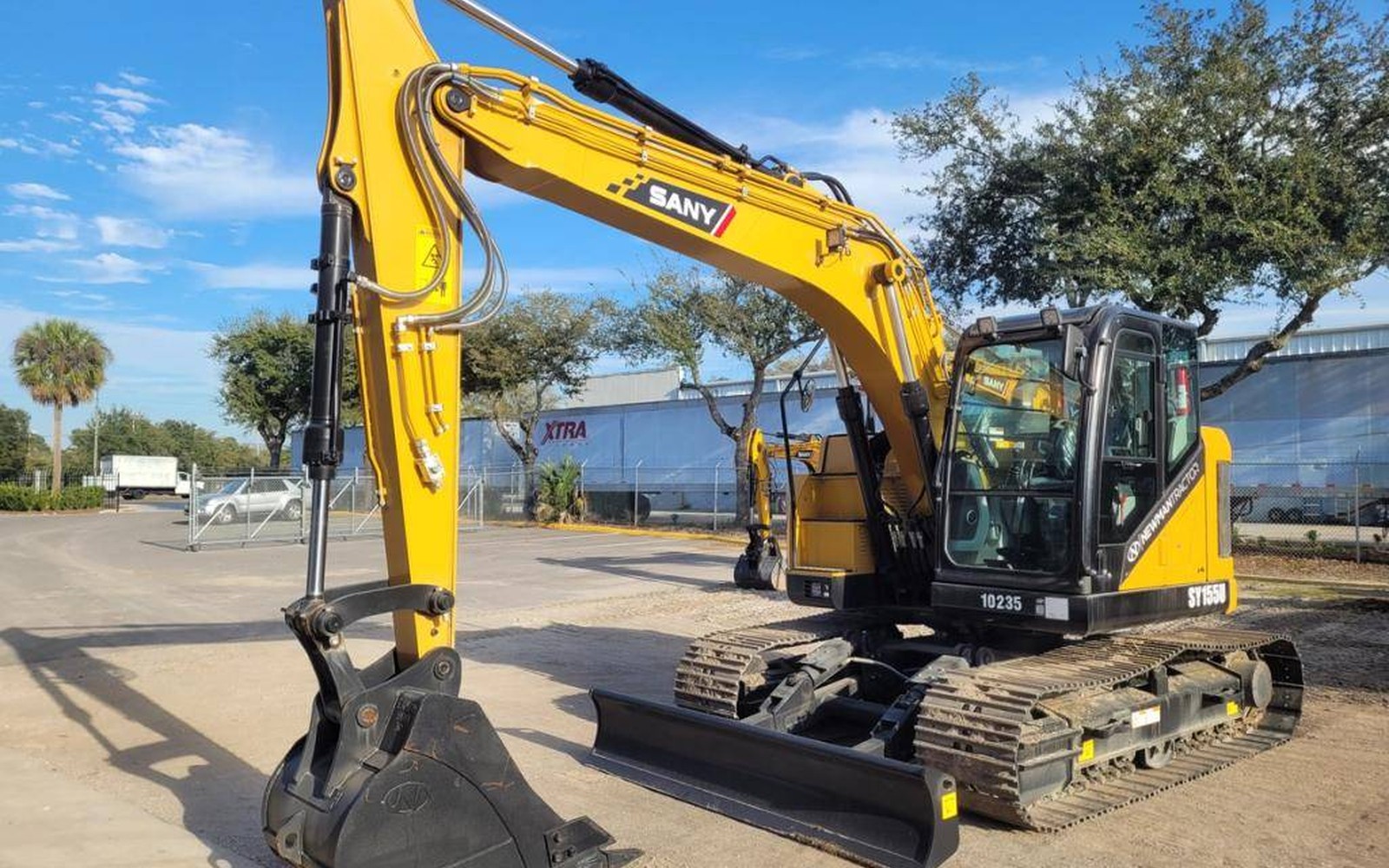
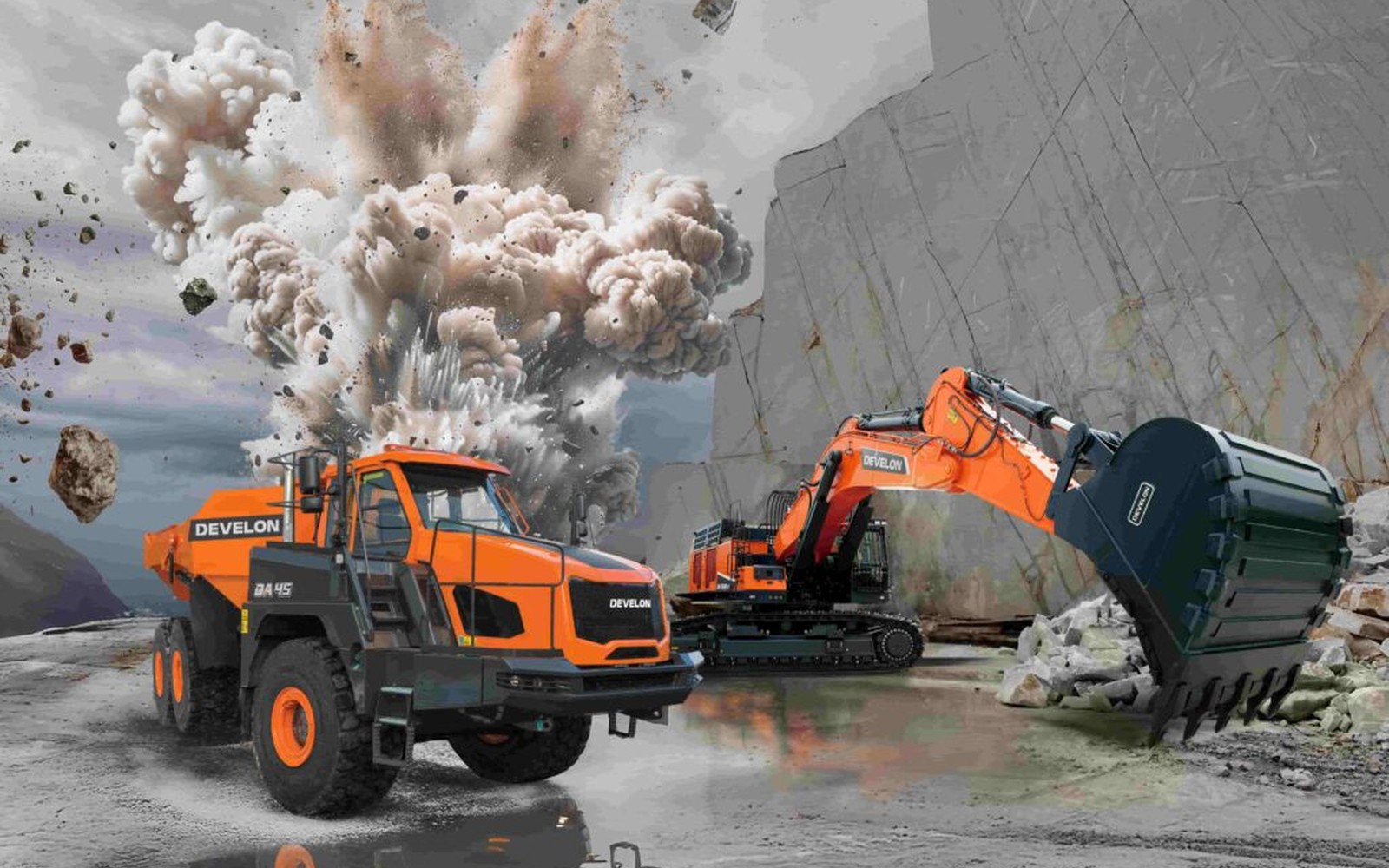
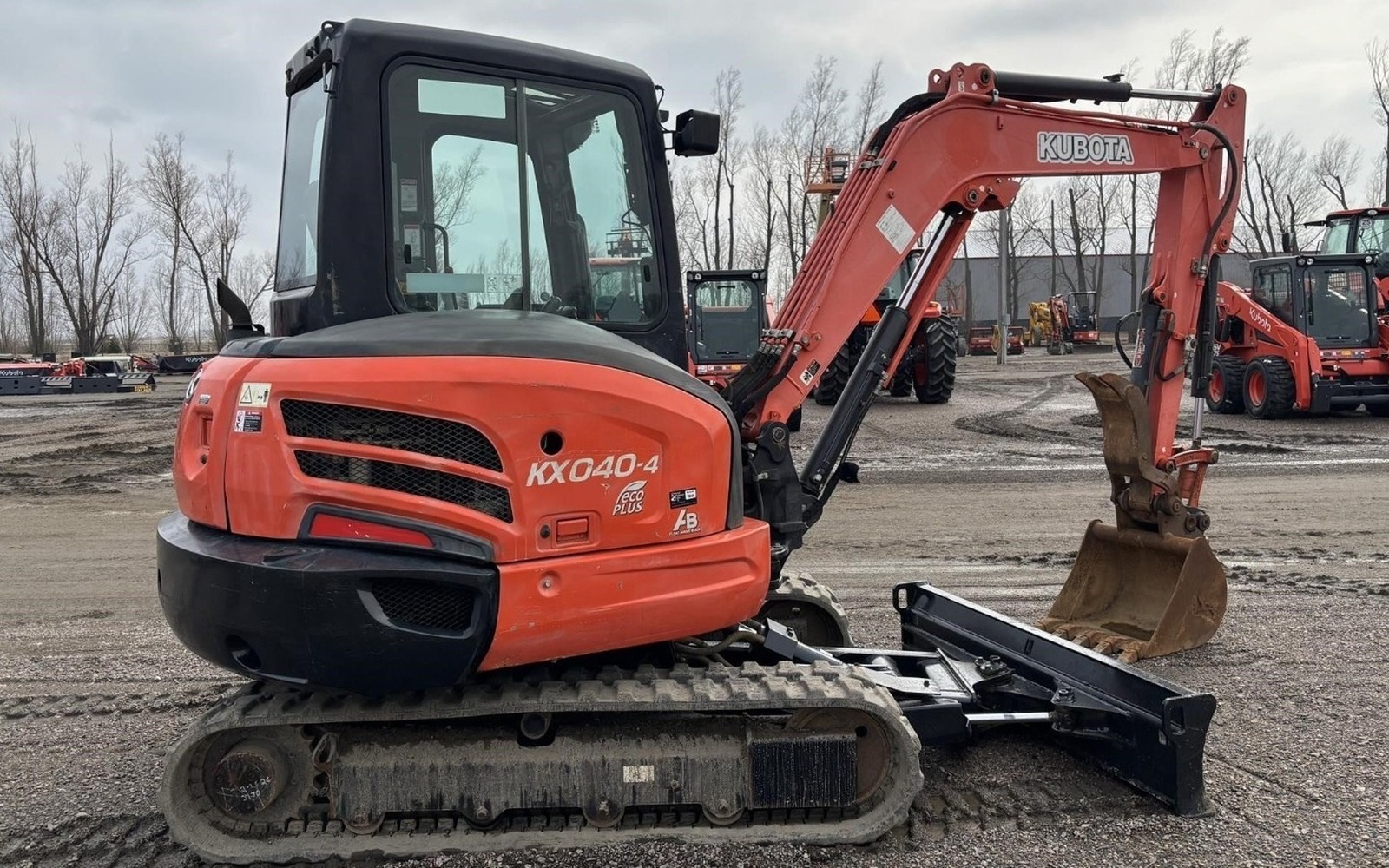
Any piece of iron you intend to run hard and keep for years is a candidate for a dollar buyout. The classic example is a primary production excavator, the machine that is on the clock 2,000 or more hours a year and is not going anywhere until it is genuinely worn out. Taking that unit on a dollar buyout gives you the certainty of ownership without the residual uncertainty of an FMV structure.
A Komatsu PC290 or a Caterpillar 320 going into production for a grading contractor who knows that machine will still be on the yard a decade from now is the prototypical dollar buyout candidate. The contractor wants the machine and knows it. The dollar buyout lease just defines the payment schedule to get there.
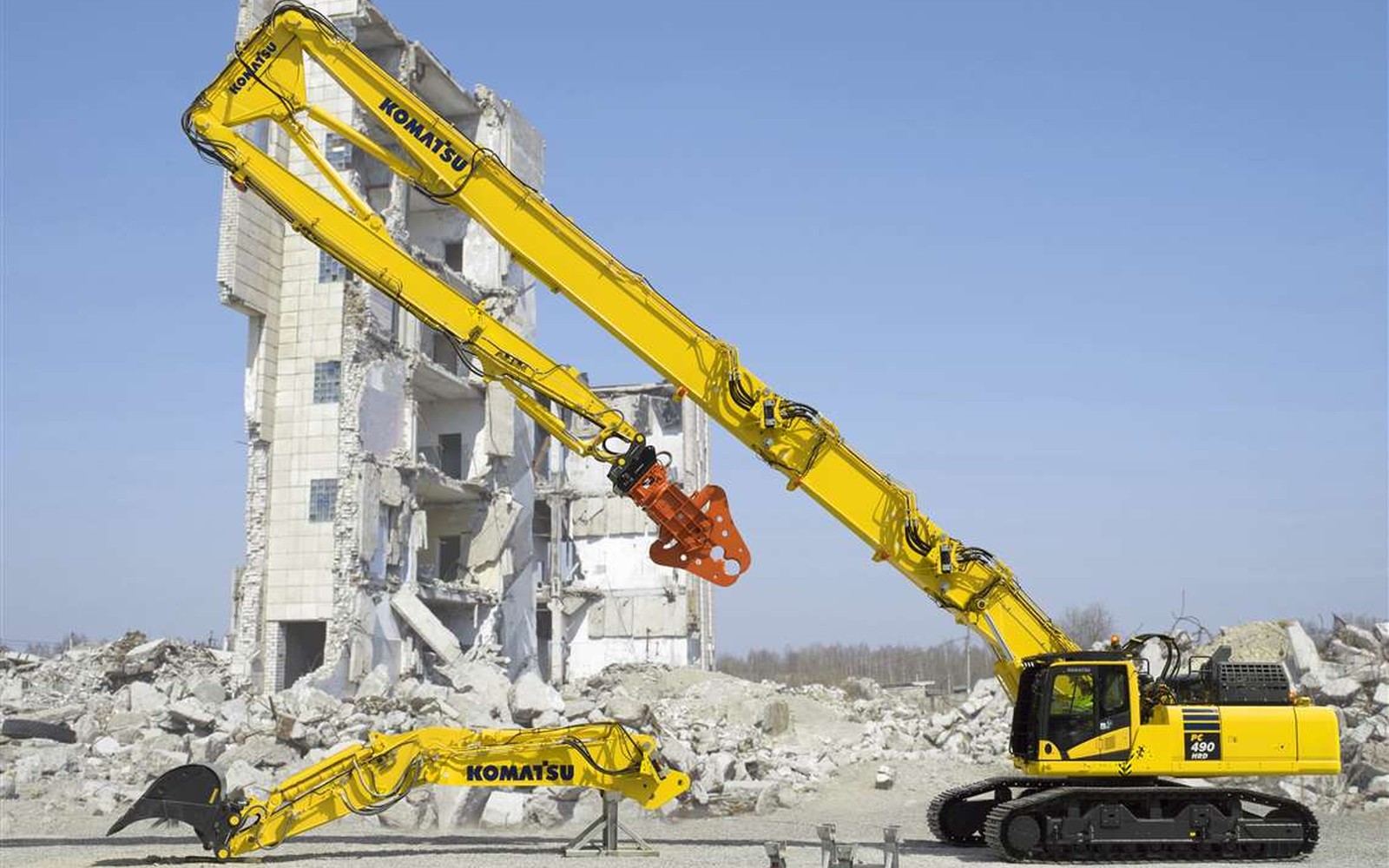
Contrast that with a long-reach excavator brought in for a specific dredging or deep excavation project. If you are not sure whether that specialty machine stays in your fleet after the project, a fair market value lease gives you the exit ramp. The dollar buyout is for when the ownership decision is already made.
Dollar Buyout on New Versus Used Equipment
Dollar buyout leases work on both new and used equipment. For new machines from major manufacturers, the structure is straightforward: the lender funds the full invoice price and you pay it down over the term. For used equipment, the starting loan amount is the purchase price or appraised value, and the same logic applies.
Used machine dollar buyout terms may be shorter than for new equipment. A lender is less comfortable with a 72-month dollar buyout on a machine that already has five years of hard service than on a new unit. Typical used-equipment dollar buyout terms run 36 to 60 months. The machine's condition and your credit profile both affect what the lender is willing to offer.
For contractors considering used equipment on a dollar buyout, understanding the collateral picture first is important. A used excavator with documented hours and clean title in a recognized make fits the structure well. A machine with condition questions or title complications complicates both the lease and the ownership transfer at the end.
Dollar Buyout vs. FMV Lease vs. Equipment Loan
The three primary acquisition structures for heavy equipment each serve a different ownership intent. The equipment loan is the most direct: you borrow, you own, you pay, you keep. A dollar buyout lease produces the same end result but via a lease structure that some borrowers prefer for accounting or approval reasons. A fair market value lease produces the lowest monthly payment but leaves the ownership question open at the end.
If you run the numbers side by side, an equipment loan and a dollar buyout lease on the same machine at the same rate will produce nearly identical cash flows. The differences are in documentation, how the transaction appears on financial statements, and the specific lenders and programs available for each structure. We can model all three for your specific deal so the comparison is concrete rather than theoretical.
Lock In Ownership With a Dollar Buyout Quote
If you want the machine at the end and want the payment structure that gets you there cleanly, tell us the machine and your financial profile. We will put a dollar buyout quote alongside a loan quote so you can pick the better path. Minimum $50,000. Answer within one business day.