
Cold planers do work no other machine does: they grind pavement to a specified depth and leave a textured surface ready for new asphalt, all in a single pass at production speeds. A contractor with a cold planer on their equipment list can bid pavement removal, milling, and reclamation work that competitors without one have to subcontract out. That capability is the business case for ownership, and financing a cold planer correctly, rather than paying cash for a machine that may cost $200,000 to $1.5 million depending on size, keeps your operating capital where it belongs on the next job mobilization.
Cold planers range from small half-lane skid steer attachments to full-lane highway planers. Large highway-capable machines from manufacturers like Wirtgen, BOMAG, Caterpillar, Roadtec, and Dynapac are purpose-built for production milling at highway speeds. These machines are serious investments. Even a mid-size unit used for commercial parking lots and road repair runs $150,000 to $500,000. The financing behind these machines has to come from lenders who understand what pavement milling equipment is worth and how it earns its keep across a full paving season.
What Makes Cold Planers Unique as Collateral
Cold planers have a specialized buyer pool compared to excavators or bulldozers, but that pool is real and active year over year. Road contractors, paving companies, and highway maintenance contractors all need milling capability. Used machines from established manufacturers like Wirtgen and Roadtec have a defined secondary market with pricing data that gives lenders confidence. The key collateral consideration is the milling drum: carbide teeth wear and must be replaced regularly, and a machine with a drum in poor condition is worth considerably less than one with serviceable tooling that is ready to put to work.
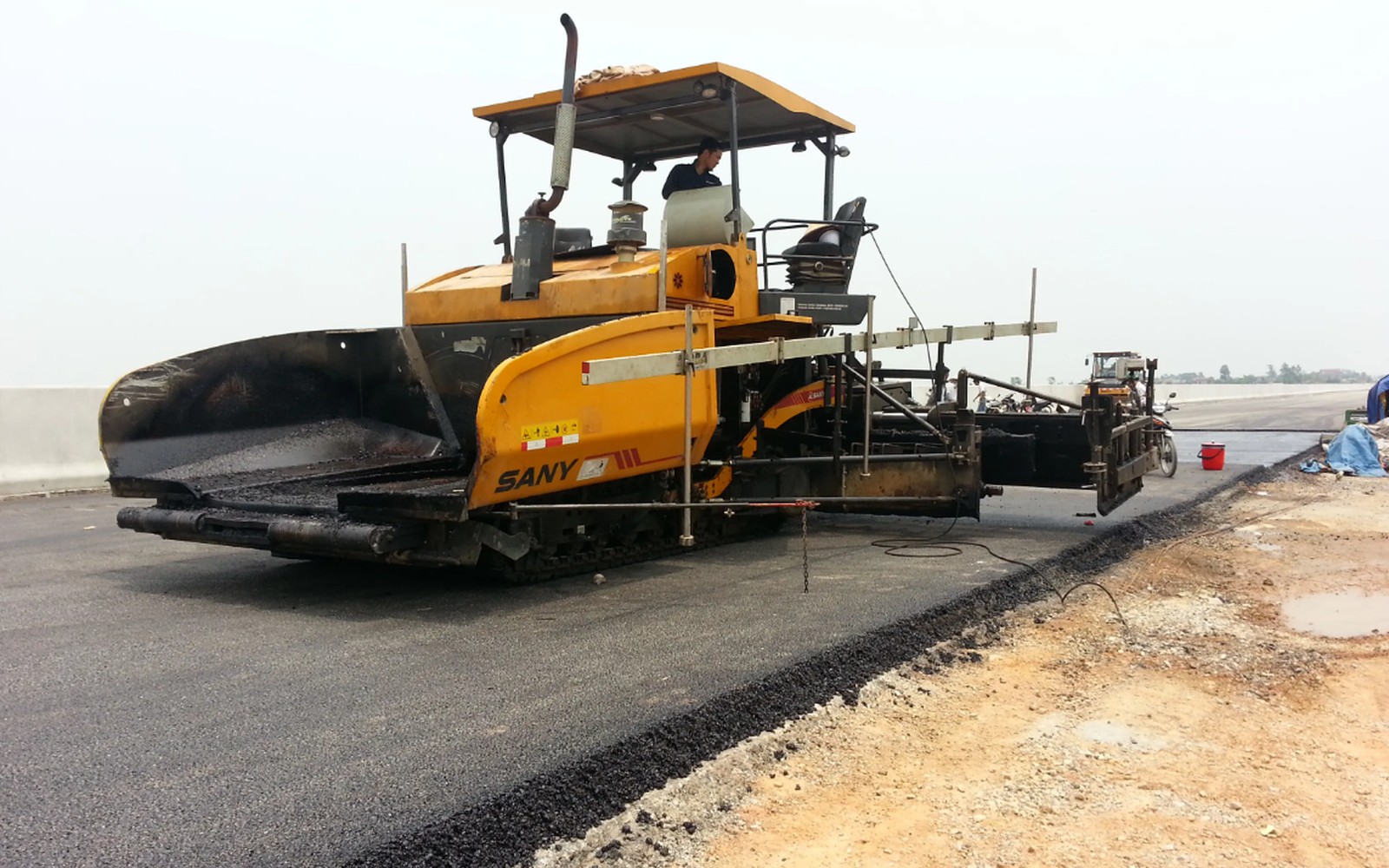
Drum width, cutting depth capability, and conveyor system functionality are the three things a buyer looks at first. Financing packages that include a freshly tooled drum in good condition are more straightforward to place than machines where the tooling is exhausted and the purchase price assumes buyer-supplied recutting. We will help you understand how the machine's condition affects both the financing terms and the lender options available. For contractors also involved in laying asphalt after milling, our asphalt paver financing page covers the machine that follows the planer on the job and how to finance that piece in the same process.
The Cold Planer Financing Process
For cold planers priced under approximately $400,000, application-only financing streamlines the process significantly. The credit application and machine information are the core requirements, and lender decisions come back fast. For larger machines, we add the standard three months of bank statements and recent tax returns to build a complete package that gives the lender full visibility into the business behind the deal.
Loan terms on cold planers run 48 to 72 months. A lease structure is worth comparing if you prefer to upgrade the machine at end of term rather than owning aging pavement equipment. We show you the numbers on both before you commit to a structure. See our fair market value lease page for how that structure works on production milling equipment specifically. For buyers who want to explore a lease that results in ownership at term end, a dollar buyout lease delivers that outcome with potentially different accounting treatment for your business.
Road Contractors and Paving Companies
Road and highway contractors are the primary buyers of highway-class cold planers. Milling is often a prerequisite for overlay work on existing pavement, and a contractor who owns their milling capability controls the timing of their paving jobs without waiting for a subcontractor's availability. Milling-only contractors who run planers as their core service model finance multiple units as they build their fleet. Municipalities and state transportation departments create the demand that drives contractor investment in these machines, and those public contracts are steady revenue that supports financing decisions.
Commercial paving contractors who do parking lots, driveways, and private roads use smaller mid-size cold planers that are less expensive but still require financing for most buyers. A $200,000 to $300,000 machine on a commercial paving crew represents a significant capital outlay for an owner-operator or small paving company that cannot reasonably pay cash without severely constraining working capital for the season. The ability to mill their own jobs rather than coordinating a subcontractor adds speed and margin to every job in their book.
Buying New vs. Used Cold Planers
New cold planers give you current drum technology, full warranty, and dealer service support. Wirtgen and Roadtec, for example, have dealer networks that support large production machines in most major markets across the country. Used machines can save substantial capital but require scrutiny of the drum tooling, the conveyor system, the engine hours, and the hydraulic system before purchase.
Used cold planers appear at auction regularly, particularly as larger contractors rotate their fleets on a schedule. Auction financing requires a compressed timeline, and we have placed auction purchases when the buyer had documentation ready and the machine's condition was clear. See our auction and private-party financing page for how that process works. For contractors exploring the full used market for heavy pavement equipment, our used heavy equipment financing page covers the broader landscape across all machine types we work with.
Related Financing and Equipment
Cold planers often work alongside compaction rollers and asphalt pavers on road rehab jobs. Financing the full job crew's equipment through a single application can simplify the process when you are equipping for a large contract or building out a paving crew from scratch. Contractors who own a cold planer outright and want to access the equity in it for a second machine or operating capital can pursue a Sale-Leaseback that converts the machine's value to cash while keeping it on active jobs. This structure has funded fleet expansions for paving contractors who had capital tied up in iron and needed liquidity for a new season. We also work with paving contractors exploring Section 179 financing to capture full first-year equipment deductions while preserving operating cash.
Cold Planer Financing FAQs
Questions paving and road contractors ask about cold planer financing.
Finance Your Cold Planer
Machine size, purchase price, timeline. Send us those details and we will put together a deal that fits your paving business. New, used, auction, private party, we handle all of it and have lenders who know this equipment, have funded cold planer deals before, and can turn around a decision within days rather than the weeks a general commercial bank would need. Apply now or call to get the process started before another buyer moves on the machine you have in mind.