
Compaction rollers follow every paver, every bulldozer, and every earthwork operation. The subgrade is only as good as the compaction behind it, and the pavement is only as good as what it sits on. Rollers are the machine that makes the rest of the job hold to specification. Contractors who do paving, grading, road building, and earthwork need compaction equipment, and owning it means not calling a rental yard every time a job opens up and hoping a machine is available on the exact day you need it. Financing a roller is one of the more straightforward equipment purchases in heavy construction, and it is a good starting point for contractors building their first owned fleet.
Compaction rollers break down into three primary types: asphalt tandem double-drum vibratory rollers, soil single-drum vibratory compactors, and pneumatic tire rollers for finishing and kneading. Prices vary by size and type. A small vibratory tandem roller for driveway and commercial paving work starts around $50,000 to $80,000. A large single-drum soil compactor for highway construction can run $200,000 to $400,000. We work across the full range and match the structure to the machine and the buyer.
Roller Types and How They Finance
Asphalt rollers typically come in tandem double-drum configurations, using vibration, static weight, and sometimes oscillation to compact fresh asphalt mats to specification. Soil compactors use a large single vibratory drum, sometimes with a padfoot shell for cohesive soils, to achieve required compaction density on fills and subgrades. Pneumatic tire rollers use multiple rubber tires inflated to specific pressures to provide a kneading action that seals surface voids in asphalt and is particularly effective on tender mixes.
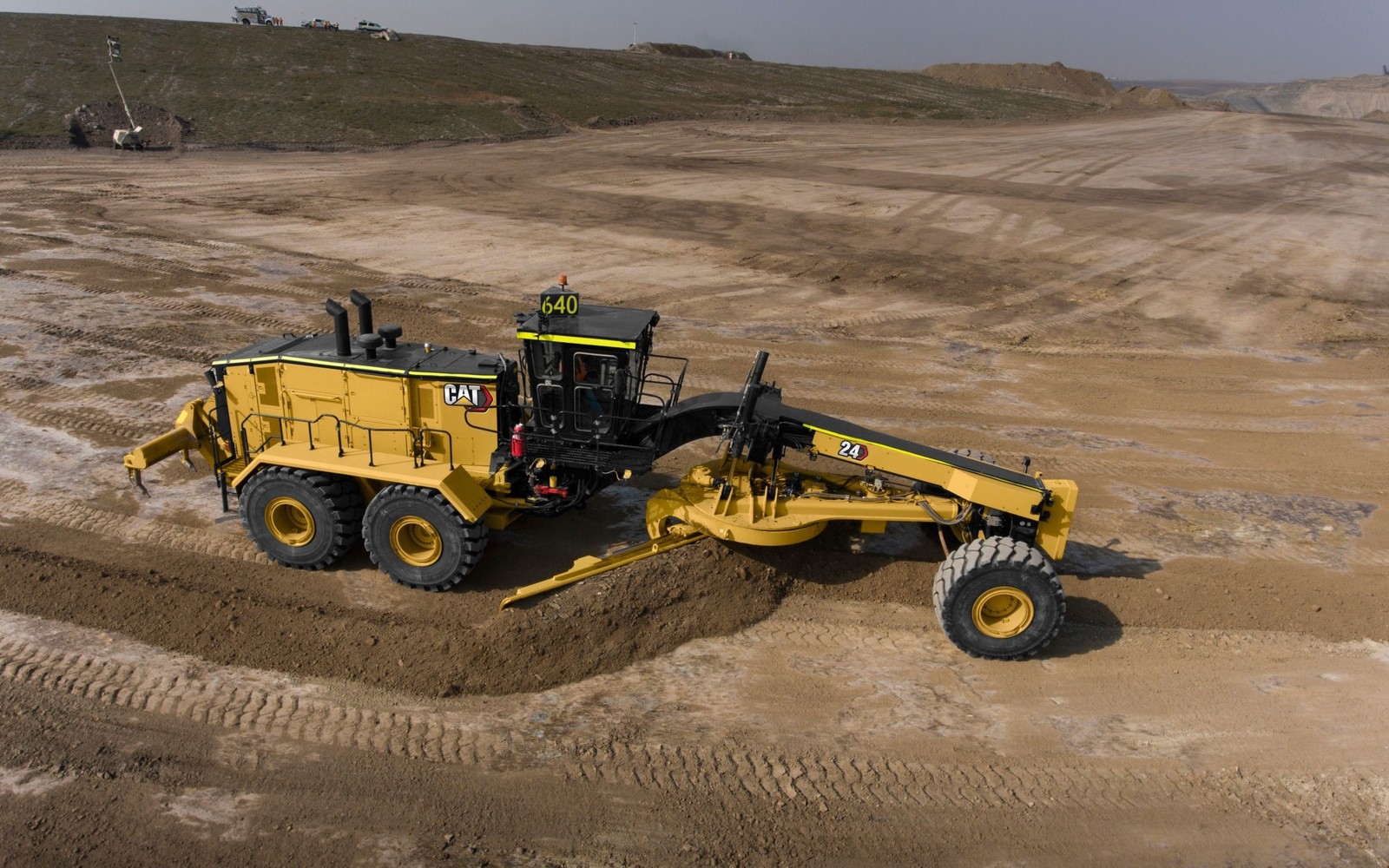
Used rollers are a mature market with a wide range of quality available at different price points. The vibration system on a vibratory compactor is the component most likely to have significant wear or damage, and an inspection should confirm the eccentric weight mechanism and bearings are in good working condition. Drum condition on asphalt rollers matters directly, as dents, cracks, or irregular wear affect mat quality on every pass. Manufacturers like Caterpillar, BOMAG, Dynapac, Volvo CE, Wirtgen (HAMM brand), Ingersoll Rand, and Sakai all have active secondary markets with established pricing data. For soil compaction projects that also require grading before rolling, see our motor grader financing and bulldozer financing pages.
Financing Compaction Equipment
Compaction rollers are generally straightforward equipment loans with application-only underwriting handling the majority of transactions. Most small to mid-size rollers fall under $400,000, which means no tax returns are needed for the deal. For larger soil compactors at the higher end of the price range, the full documentation package adds bank statements and tax returns to the application. Terms run 36 to 60 months on most transactions, and the monthly payment on a $120,000 roller over 48 months is manageable even for a single-crew operation just starting out.
A common structure for small paving companies financing their first roller is an equipment loan with ownership at payoff. For growing companies that anticipate upgrading as their paving volume increases and they need a larger or newer machine, a fair market value lease keeps the option open to trade in for a bigger machine when the term ends without having to manage the resale of the old unit yourself. We show both options in real payment numbers before you decide which approach fits your growth plan.
Who Needs Compaction Roller Financing
Paving companies buying their first roller are a large segment we serve regularly. Before the paver goes down, the subbase needs compaction, and after the mat goes down, two or three roller passes are required before it cools and sets. A paving crew without its own roller is dependent on whoever has one available, which creates scheduling risk on every job when timing is critical. Road and highway contractors run multiple rollers per paving crew because production-class paving demands dedicated roller coverage on each pass throughout the workday, and waiting for a shared machine to finish another section costs production time that adds up over a full paving season.
Site development and earthwork contractors need single-drum vibratory soil compactors on every fill and grading job. Residential site builders who do pad prep and fill work for homebuilding use mid-size single-drum rollers on a daily basis, often moving between multiple subdivisions within the same week. Grading contractors who compact structural fill for commercial foundations and parking lots are a steady market for both padfoot and smooth-drum soil compactors. For larger earthmoving projects requiring highway-grade compaction and specific density specifications, see soil compactor financing which covers the larger-class machines specifically used on highway and infrastructure projects.
New vs. Used Rollers
Used rollers are often the smart first purchase for a paving or grading contractor who wants to own rather than rent. A vibratory tandem roller with 500 to 2,000 hours in good condition from a reputable manufacturer finances well and gives you a working machine at a fraction of the new price. The inspection priorities are the vibratory system condition, the drum surfaces, and engine service records. A machine with deferred service on the vibration bearings or a cracked drum shell is not a good deal at any price because the repair cost comes directly out of the value you thought you were buying.
New rollers come with warranty and dealer support. For highway-class soil compactors where downtime is expensive and the machine runs hard on production contracts day after day, new equipment's lower maintenance exposure has real operational value that shows up in uptime and avoided repair costs. For smaller commercial paving applications where a used tandem roller in good shape gets the job done reliably, the used market is the practical path for most buyers at this stage of their fleet build. Either way, we finance both new and used and can match the structure to the specific machine, the age, and your credit profile. Our bad-credit equipment financing page covers options for contractors whose credit needs some work but who have the revenue and machine value to support a deal.
Compaction Roller Financing FAQs
Common questions about financing compaction equipment.
Finance Your Compaction Roller
Tandem asphalt roller, single-drum soil compactor, pneumatic tire roller. Tell us what you need and the price and we will get the deal done fast. New machine from a dealer, used machine from a private seller, auction lot, it all moves through the same process and we have lenders ready for each. Apply online or call us to get started today and have the machine financed and ready to work before your next job begins.