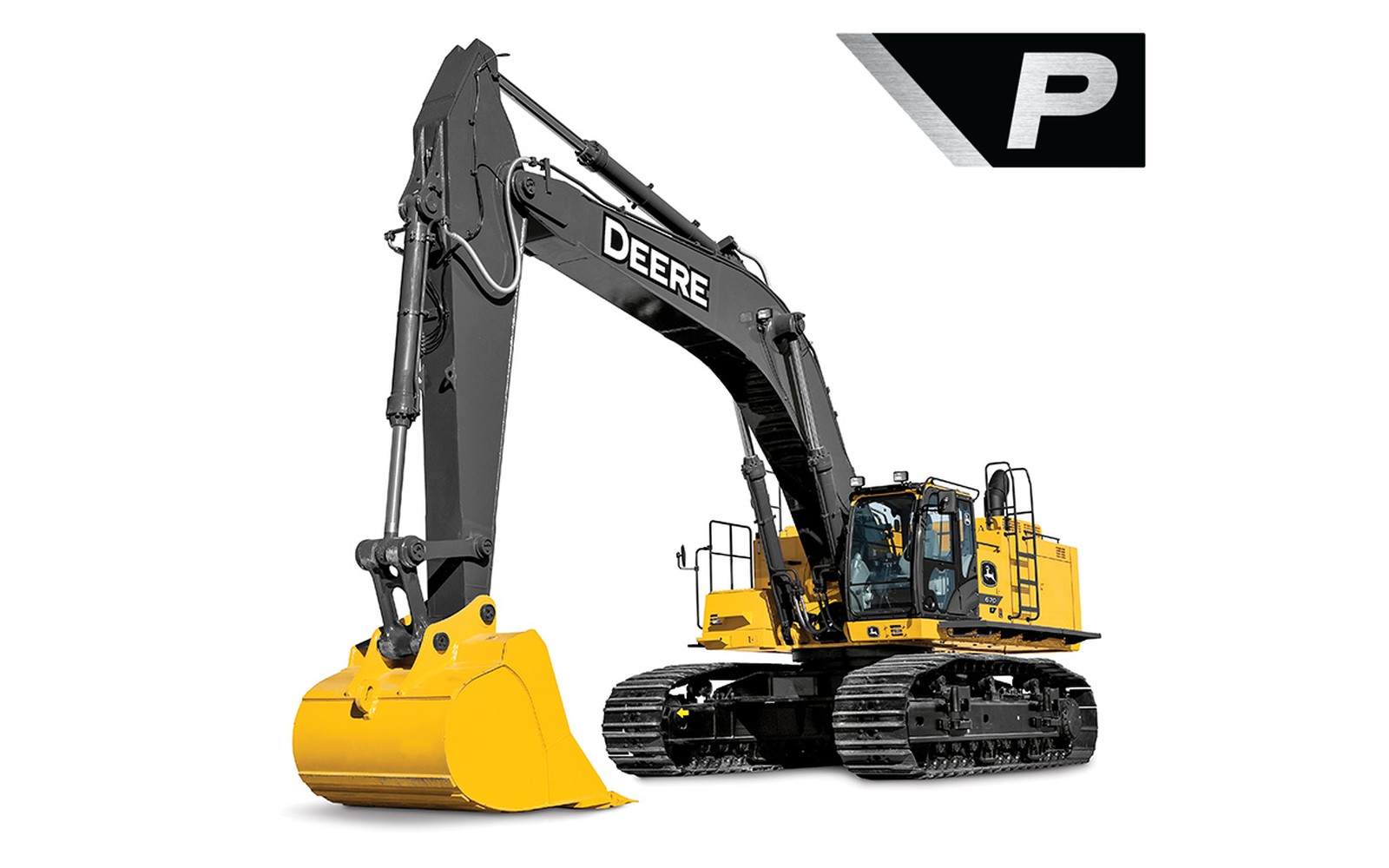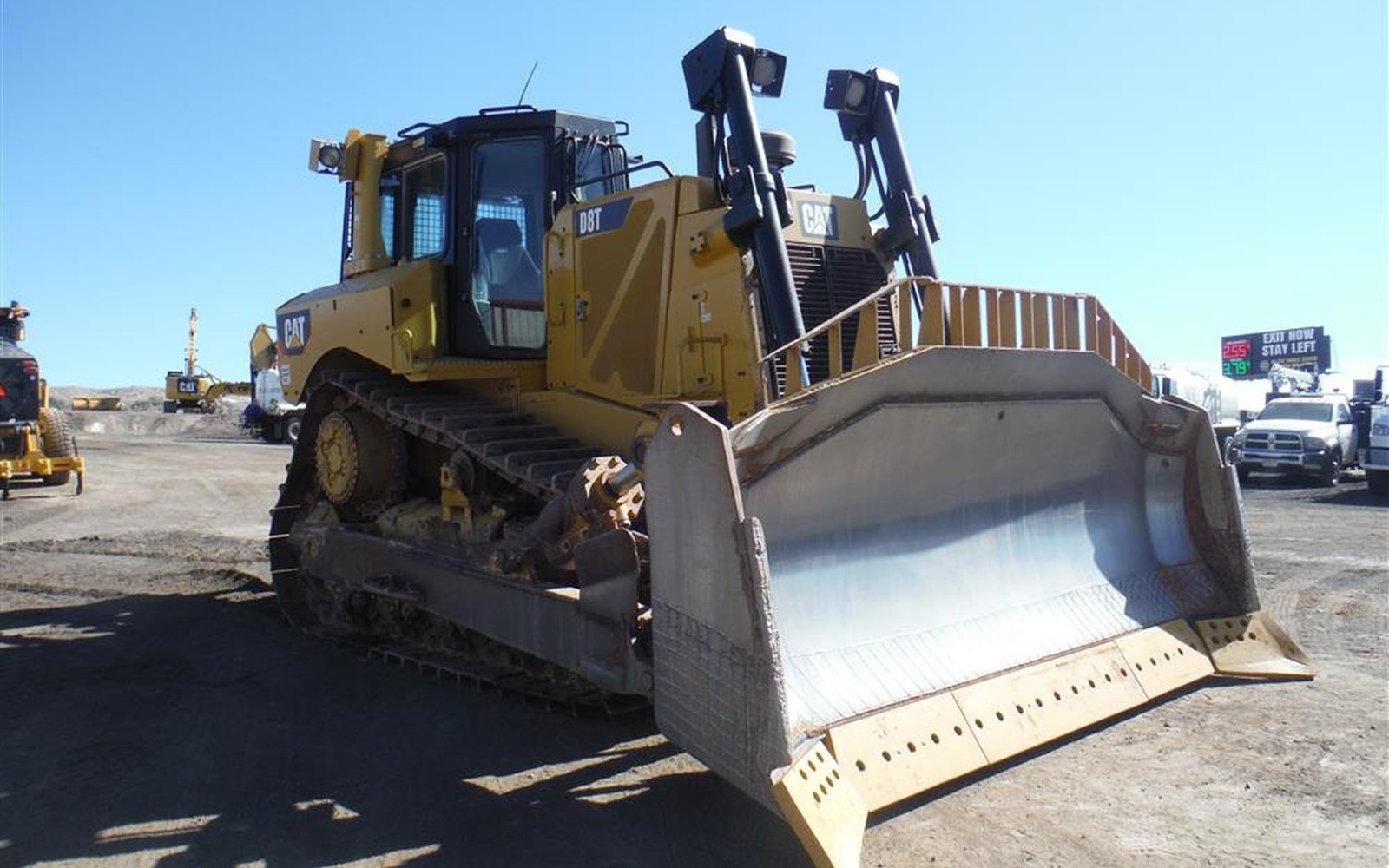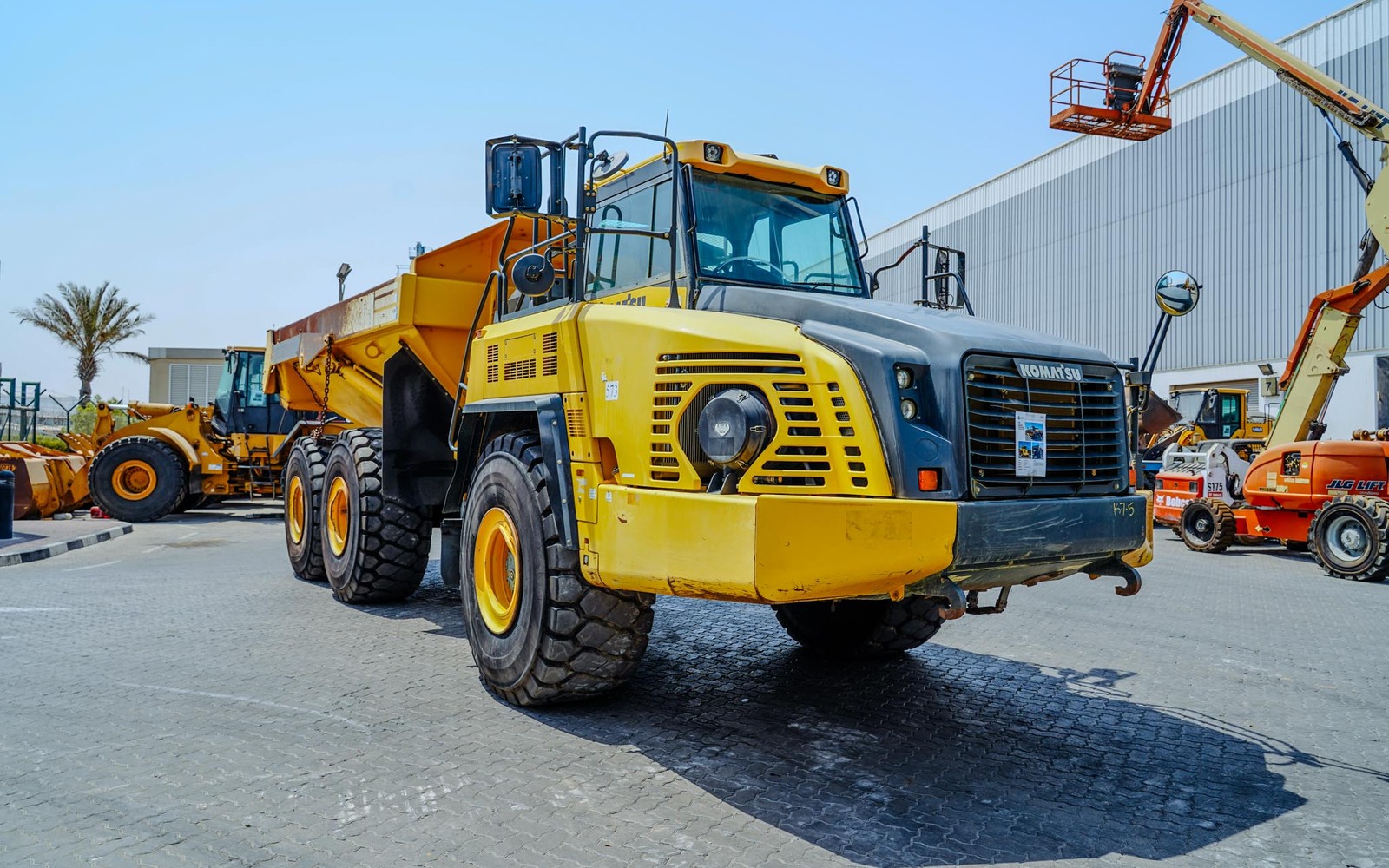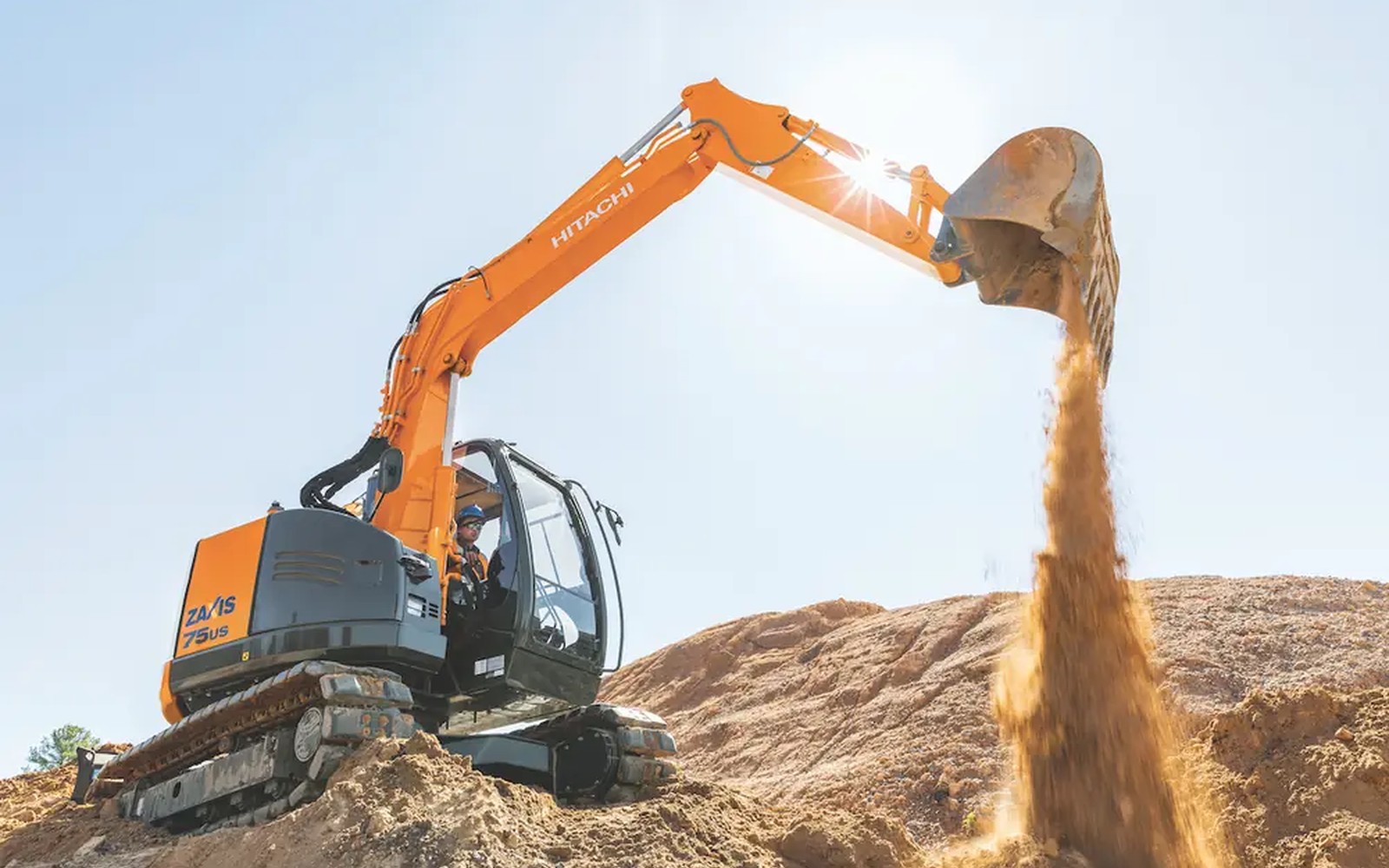

The best deals on heavy iron do not always come through a dealer. An excavator crossing the block at Ritchie Bros. or IronPlanet, or a low-hour machine from a contractor winding down their fleet, can represent genuine value, sometimes 30 to 40 percent below dealer replacement cost for equipment in legitimate working condition. Getting financing arranged fast enough to capture those deals is the whole challenge. We have done it enough times to know exactly what needs to happen and in what order.
Auction and private party financing work on different timelines and require different documentation than dealer purchases. If you have a live auction win or a handshake deal on a used machine, the clock is running. The typical auction payment window is three to seven business days. We work within that window.
Timeline for Auction Financing
Major equipment auction platforms like Ritchie Bros., IronPlanet, Proxibid, and Purple Wave each have their own payment terms, but most require full payment within three to five business days of the auction close. Some platforms offer a few extra days for financed transactions with a pre-approved financing arrangement. Know the specific platform's terms before you bid, not after you win.
Pre-approval before you bid is the smartest way to play this. Get a conditional approval in place based on your credit and a general equipment description before the auction day. When you win, the specific machine gets plugged into the already-approved deal, the appraisal is done remotely or via inspection, and funding moves to meet the auction deadline. Without pre-approval, starting the process after you win leaves you in a race that many borrowers lose.
We prioritize auction financing because we know the timelines. A contractor who needs to fund a crawler excavator purchase from an auction house in five business days gets a different urgency than a routine dealer sale. If the file is clean and the machine is solid, we can move. If the file has complications that need explaining, the sooner we know about them, the better the chance we close on time.
Private Party Deals: How the Transaction Works
Private party equipment purchases are common in the excavation and earthmoving trades. A contractor retiring, downsizing, or upgrading their fleet sells directly to another contractor at a negotiated price. No dealer markup, no dealer preparation fees, sometimes a real relationship built on knowing the machine's history. The financing process is manageable but has steps that a dealer transaction automates.
The key sequence: the machine is inspected (we coordinate or you handle with a third-party mechanic), a current title search confirms clean ownership, the seller provides a bill of sale and signs off the title, and the lender funds by issuing payment directly to the seller. The lender's check goes to the seller, not to you. The seller signs over title to you (or directly to the lender pending your payoff), and the lender holds the lien. You take possession and start making payments.
The main friction points in private party deals are title defects and inspection results. A lien still on the machine from the seller's old lender, a title discrepancy, or an inspection that turns up major mechanical issues can kill or significantly slow the deal. We identify these early so you know what you are dealing with before you have committed funds to the seller.
Evaluating Used Iron from Auctions and Private Sellers
The best auction and private party purchases share a common characteristic: the buyer knew enough about the machine before committing to buy it. For auction lots, IronPlanet's Certified Equipment condition reports provide third-party inspection data that is often sufficient for lender appraisal purposes. Ritchie Bros. and similar platforms have varying levels of condition disclosure. On lots without formal inspection reports, attending in person or sending someone who knows the equipment type is worth the cost.
For machines you are seriously considering, running the serial number through manufacturer records can sometimes reveal service history, warranty claims, or prior dealer involvement. This is more available on newer machines but worth trying on anything in the last 10 years from major makes like Caterpillar, Komatsu, Hitachi, or Volvo CE.
The undercarriage on tracked machines deserves special attention at auction or private party viewings. Replacement costs for undercarriage on larger excavators run tens of thousands of dollars, and a machine priced attractively because it needs undercarriage work may not be the deal it looks like once you factor in that cost. Check track shoe thickness, roller condition, and idler wear before you bid.
Preparing Before Auction Day
The cleanest approach to auction financing is a pre-approved credit facility sized to cover the likely purchase range. If you are planning to bid up to $200,000 on an excavator lot, having approval in hand for that amount before the auction means funding is a documentation step, not an underwriting step. Apply before the catalog is finalized if you can.
For contractors who buy at auction regularly, maintaining an open equipment loan pre-approval or a standing relationship with an equipment lender who understands your profile is the most efficient approach. You bid confidently knowing the money is there, and the paperwork catches up after the hammer falls. The contractors who lose the best auction deals are almost always the ones who did not have financing arranged before they walked in.
Get Pre-Approved Before Your Next Auction
Do not walk into an auction without financing in place. Tell us what you are expecting to bid on and your credit profile, and we will get you a conditional approval that moves fast when you win. Minimum $50,000. Private party deals also handled. Start the application now.