
Asphalt paving starts the day the mat hits the screed, and contractors who own their paver own their schedule. Waiting on a rental unit or a subcontractor's availability costs time and money on every job where you cannot control the start. For a growing paving company, owning the machine is how you stop losing margin to someone else's equipment and stop being at the mercy of their availability calendar. We finance asphalt pavers for contractors who lay asphalt for a living, from small commercial paving crews completing parking lots and driveways to multi-crew highway contractors working DOT contracts.
Paver prices span a wide range. A tracked highway paver from Caterpillar, Volvo CE (paving division), Wirtgen's Vögele brand, or BOMAG can run $400,000 to $800,000 or more new. Wheeled pavers for commercial and parking lot work sit lower, and smaller contractor-grade units start under $200,000. Used pavers in serviceable condition appear regularly in the secondary market and often represent the first machine a growing paving company finances. Whatever the entry point, the structure has to match the machine and the business's cash flow expectations for the season.
Paver Types and Their Financing Profile
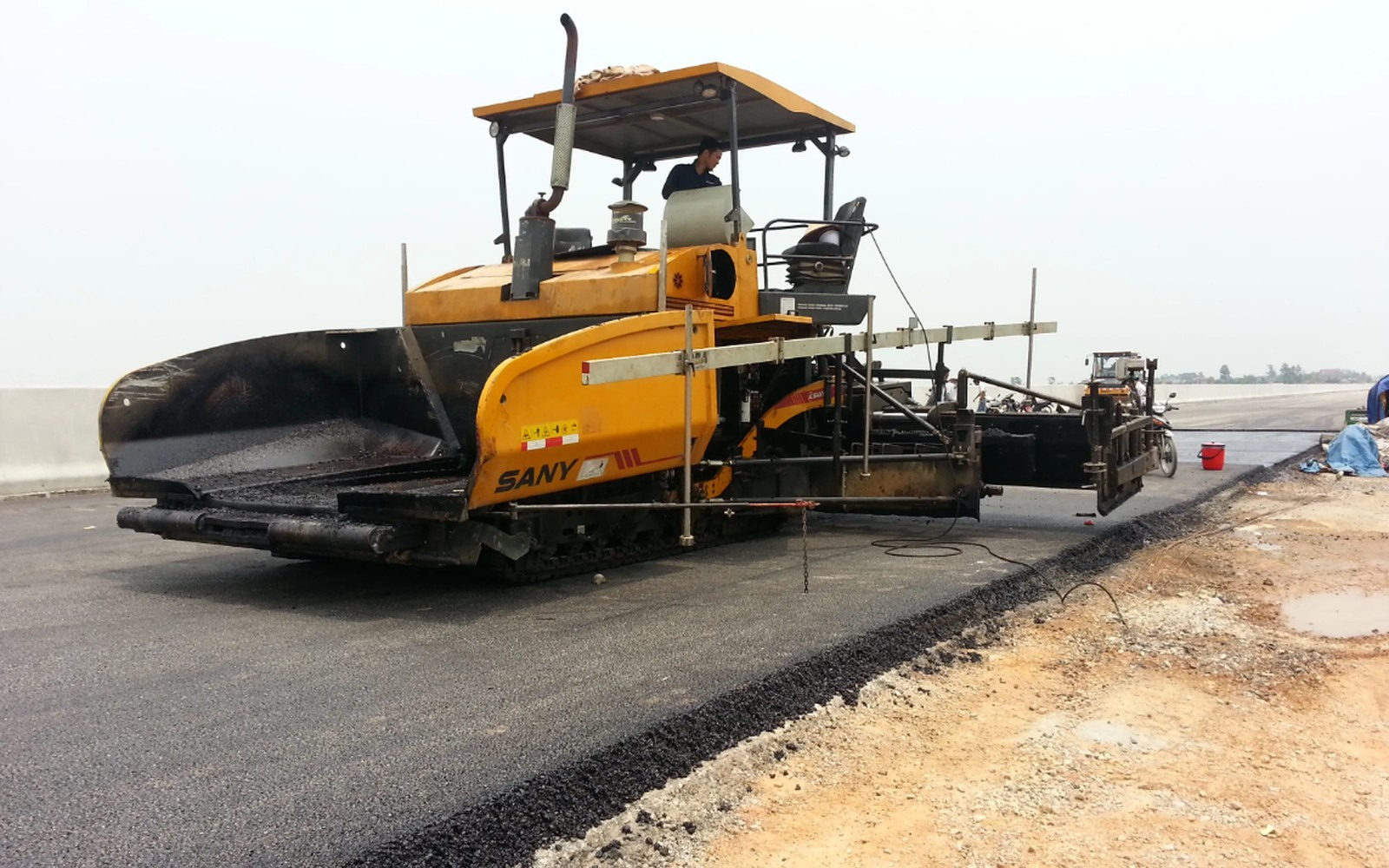
Tracked asphalt pavers are the workhorses of highway and major road paving. Their track undercarriage handles soft shoulders and uneven bases better than wheeled units, giving them stability during the pass. Wheeled pavers are faster between jobs and work well on parking lots, driveways, and commercial paving where the base is firm and the job layout calls for frequent repositioning. Both track and wheeled configurations have distinct resale markets and lender familiarity across the country.
The screed is the heart of an asphalt paver, and screed width and extension capability define what jobs the machine can take. Fixed-width screeds are simple and durable. Extendable screeds allow one machine to serve a range of lane widths, which is critical for highway work where widths vary. A paver with a functional, calibrated screed in good condition is worth significantly more than the same machine with a screed needing rebuild or calibration. Lenders who understand paving equipment value the complete working system, not just the tractor unit.
For contractors who also need milling capability before the paving pass, see our cold planer financing page. Post-lay compaction is handled by the rollers that follow the paver, covered in our compaction roller financing section. Pairing financing on these related machines into one application is possible and often more efficient.
How Asphalt Paver Financing Works
For purchases up to approximately $400,000, application-only financing covers a large portion of the used paver market and some new commercial units. The application and machine details are the only requirements. Decisions come back within a few business days and funding follows in about one to two weeks. Larger deals and newer highway pavers require the standard financial documentation package including three months of business bank statements plus recent tax returns.
Paving contractors often have seasonal revenue patterns, and we know how to present that profile to lenders who work with seasonal businesses rather than treating slow-season months as a red flag. A standard equipment loan is the most common structure for paver purchases, though a TRAC lease is worth considering for highway contractors who want flexibility at lease-end on larger units. Some paving contractors also prefer a fair market value lease that keeps the option to upgrade at end of term without having to resell an aging machine independently.
Paving Contractors Who Finance Pavers
The core buyer is a paving contractor who does commercial and residential asphalt work and is ready to move from renting or subcontracting to owning the machine. The math shifts once volume justifies ownership, and that conversation is the starting point for most of our paver deals. Road and highway contractors who bid DOT-funded paving projects need production-class highway pavers to execute that work at the required speeds and quality levels that state highway specifications demand.
Site development contractors who finish their own asphalt as part of complete site packages sometimes finance a wheeled paver for commercial parking lots and driveways. For companies who primarily do site development, owning a paver allows them to complete the full scope of a site job without a paving subcontractor on the last line item. That vertical integration is worth money on every bid where the paving scope is part of the overall contract value.
New vs. Used Asphalt Pavers
New pavers give you warranty coverage, current emissions compliance, and dealer support. Used pavers in the two-to-ten-year range can be excellent buys if the screed is in good condition and the machine has been regularly serviced. Key inspection points on a used paver include the screed heating elements or gas systems, the augers and conveyor that feed mix to the screed, the drive tracks or wheels, and the engine service history. A paver with a screed in calibrated working condition is the most important single factor in a used purchase.
Used pavers often appear when contractors upgrade to larger highway units and sell their commercial-class machines, or when a paving company closes or consolidates fleet. These machines frequently have moderate hours and reasonable histories that make them good candidates for financing. Our used equipment financing page covers how lenders evaluate used pavers, and our used heavy equipment financing page gives a broader view of the used market across all categories.
Refinancing and Sale-Leaseback for Pavers
Paving contractors who own their machines outright carry real equity that can fund business growth without selling the equipment they need for next season. A Sale-Leaseback on a paid-off paver is a straightforward way to put that capital to work. The lease payment is generally lower than a new machine loan payment, and you keep the machine on the job. Contractors have used this structure to fund crew vehicles, materials deposits for large contracts, and the down payment on a second paver when their business grew faster than their savings allowed. If you own multiple pieces of paving equipment outright, a fleet-level sale-leaseback can unlock significant capital across all of them at once rather than one machine at a time. We structure both single-machine and multi-machine transactions and will show you the comparison in real numbers before you decide which approach fits your situation better.
Asphalt Paver Financing FAQs
Common questions from paving contractors financing their first or next paver.
Finance Your Asphalt Paver
Tracked or wheeled, new or used, commercial or highway class. Tell us what you are buying and when you need it, and we will put together a deal that works for your paving business. Apply now or call us to discuss the structure before you finalize the purchase.