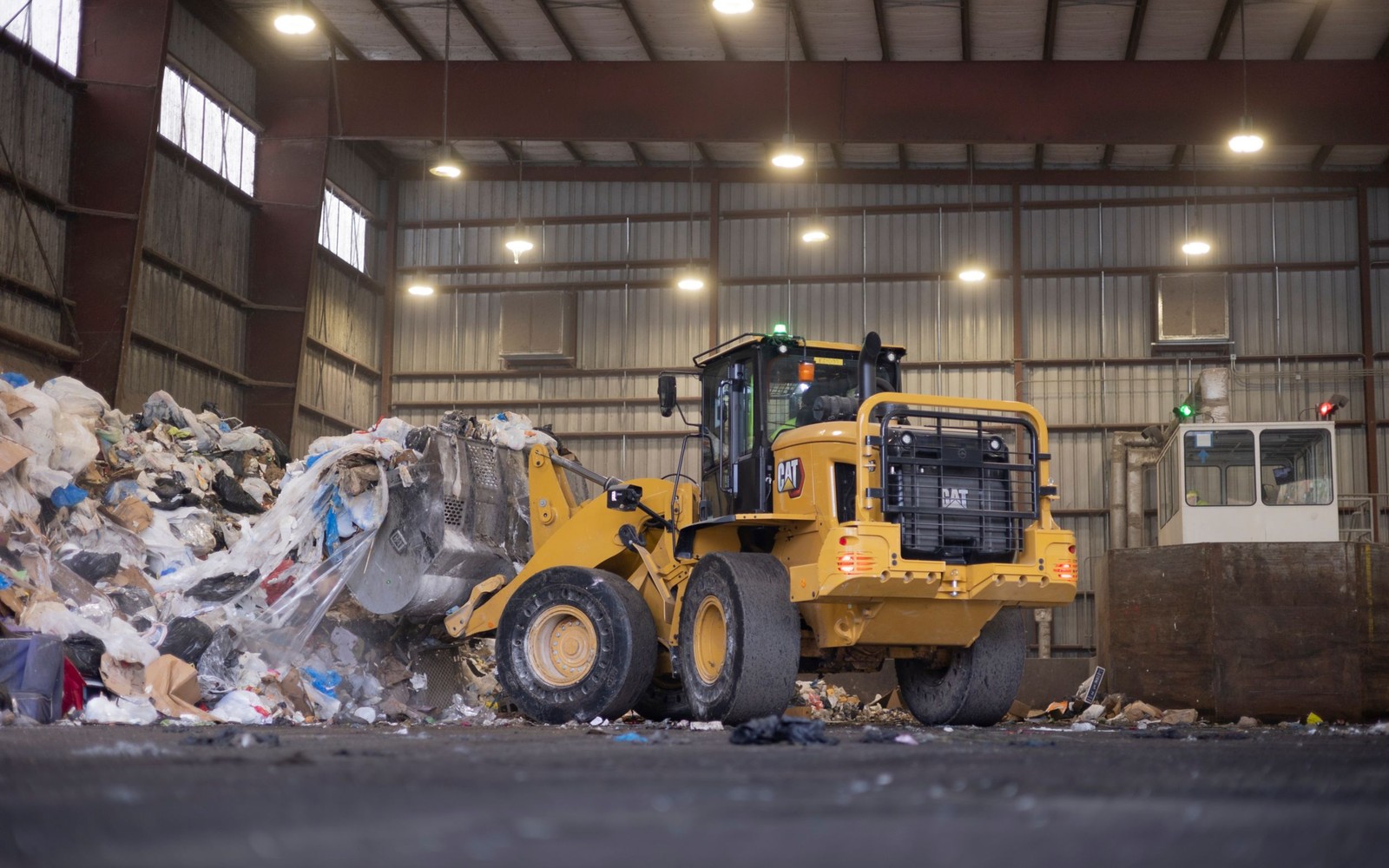

A wheel loader is production on rubber. Moving material from the stockpile to the crusher, loading trucks at the pit, spreading aggregate for a road base, feeding a concrete plant: a wheel loader in constant cycle is one of the most revenue-productive machines a contractor can own. Financing one should reflect how hard it works. Our program covers wheel loaders from the standard one-yard class up to the large mining loaders, new from dealers and used from fleet sales, auctions, and private parties. The deal structure we set up should fit the machine's actual work cycle, not a generic payment schedule that makes sense on paper but pinches in a slow month.
We regularly finance wheel loaders for aggregate and quarry operators, road and highway contractors, and general site contractors who use loaders as primary production equipment. If you are comparing models from different manufacturers, our brand pages for Caterpillar, Komatsu, and Volvo CE cover manufacturer-specific options in more detail.
Wheel Loader Classes and Their Financing Profiles
Wheel loaders are segmented by rated payload capacity, which tracks closely with machine size and price:
- Small/compact loaders (under 3-yard capacity): Used for landscape work, residential site prep, and small aggregate operations. Many fall under our program's $50,000 minimum when purchased used. New small loaders from Volvo, JCB, or Kawasaki in the 1.5-to-2.5-yard range often come in just above the threshold.
- Mid-size loaders (3-5 yard capacity): The most common class in road building, asphalt plant feeding, and medium quarry operations. Caterpillar 950 and 966, Komatsu WA320, and Volvo L120 are heavily traded examples. New prices run roughly $250,000 to $450,000. Our model pages for the Caterpillar 950 and Komatsu WA320 go deeper on specific machine financing.
- Large loaders (5-yard and above): Mining, large quarry, and major earthwork operations. These machines run $500,000 to over $1 million new and require full financial documentation. The transaction process is similar to large excavator financing, with the same lender placement approach.
Wheel loaders from major brands retain value well. The secondary market for Caterpillar, Komatsu, John Deere, Volvo, and Hitachi loaders is active and liquid, which supports favorable loan-to-value treatment from lenders.
New vs. Used Wheel Loaders: Financing Considerations
The used wheel loader market is deep and well-organized. Major auction houses and dealer trade-in programs create a steady supply of machines at two to seven years old, and those machines are typically the sweet spot for operators who want capable equipment without paying new-iron prices.
From a financing standpoint, a three-to-five-year-old wheel loader from a top-tier brand in clean condition with documented service history finances very similarly to a new unit. The difference is in the term: new machines often support 60 to 72 months, while used machines typically max out at 48 to 60 months depending on age and hours.
Our used equipment financing program and our auction and private-party financing option both handle used wheel loader transactions. The auction path requires confirmation of the purchase (the auction invoice) before we release funds to the seller, but the approval can happen before auction day so you know your spending power when you are sitting in the bidding hall.
What Wheel Loader Financing Terms Look Like
Mid-size wheel loader financing for a deal running about $200k to $400k typically breaks down as follows:
- Term: 48 to 60 months for a strong credit application, possibly 72 on new equipment
- Down payment: Zero to 10 percent on strong credit; 10 to 20 percent on B/C credit
- Documentation: Application-only if under approximately $400,000 and credit is solid
- Funding timeline: 7 to 14 business days from completed application
For operators who want to preserve cash at close, our no-money-down equipment financing option is available on qualifying transactions. Not every deal gets there, but many do with the right credit profile and machine.
Operators who own wheel loaders free and clear can access capital through a cash-out refinance or sale-leaseback structure, pulling equity from the loader without selling it. This works particularly well when you need capital for a deposit on a large earthwork contract or to cover mobilization costs.