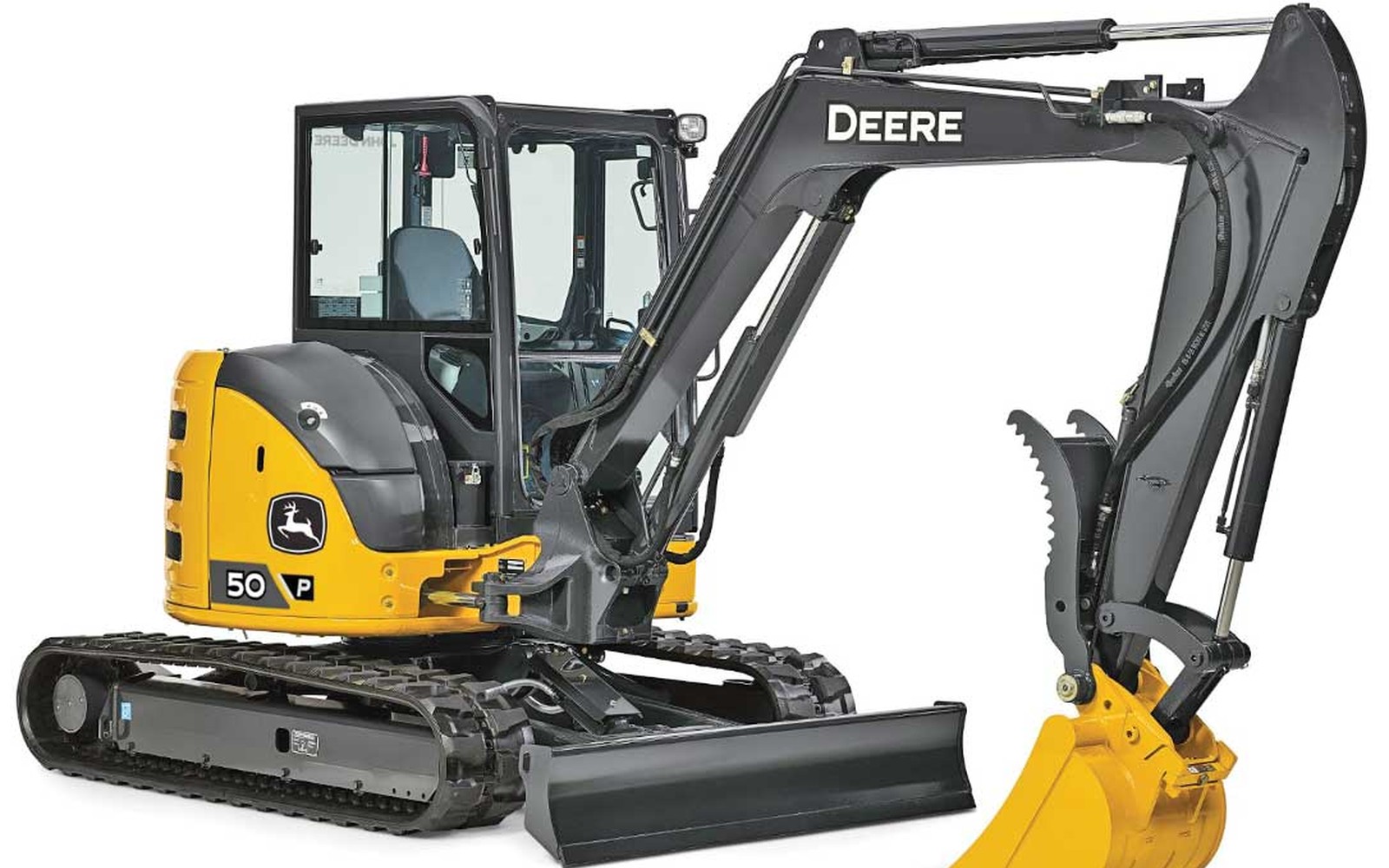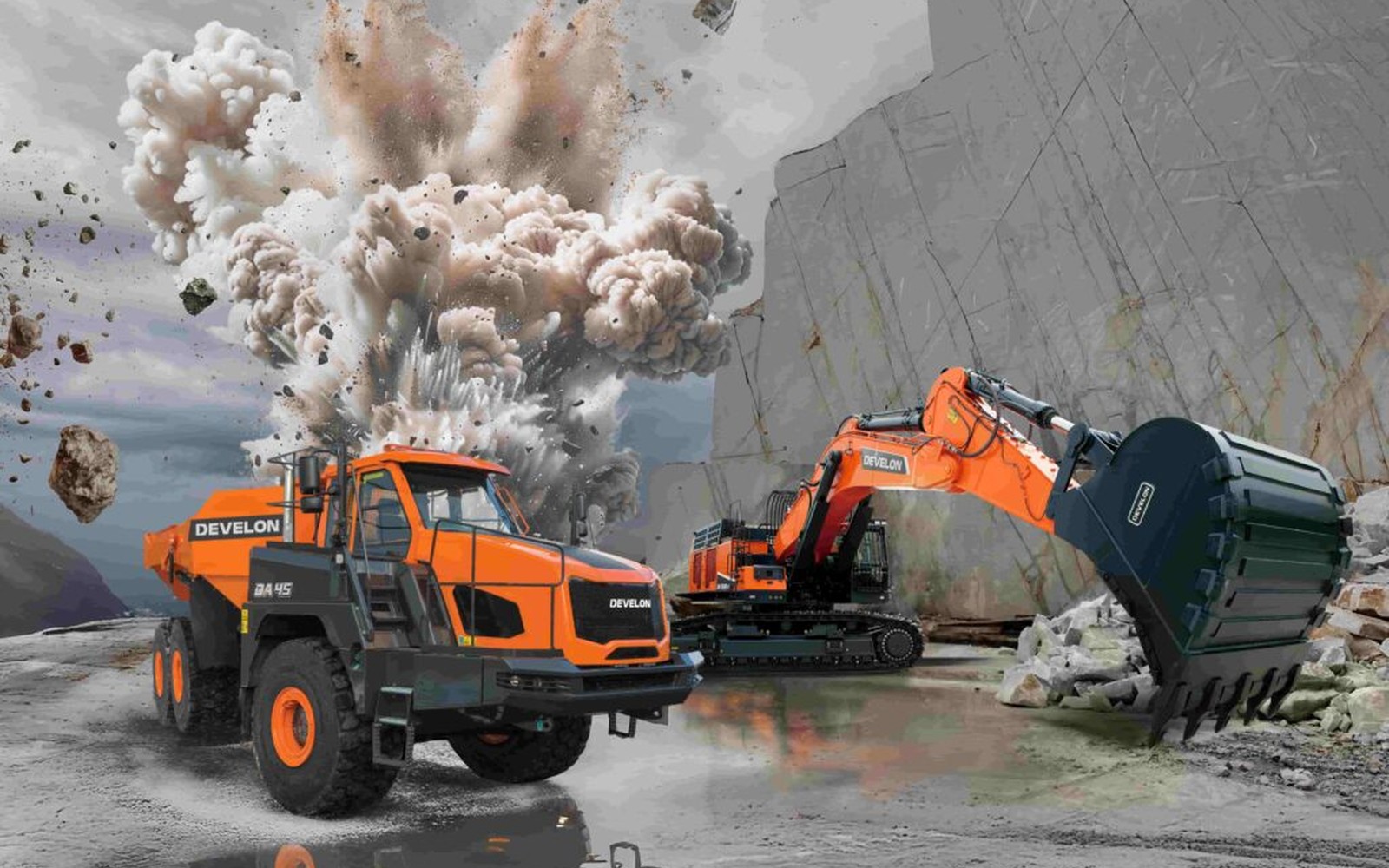

A large excavator on a highway job is moving production yardage. The 20-ton to 90-ton class exists because compact and midi machines simply cannot keep pace when the dirt volume is big and the schedule is tight. Mass grading, highway corridor work, deep utility trenches, mining bench cuts, port and marine excavation, and major foundation work all demand the hydraulic force and bucket capacity that only a large excavator delivers. Financing at this tier is a bigger conversation, and we handle it differently than a compact deal. Larger transactions typically involve bank statements, sometimes financial statements, and a more thorough machine evaluation, but the fundamental goal is the same: get you an approval and funding before the bid window closes or the machine walks to another buyer.
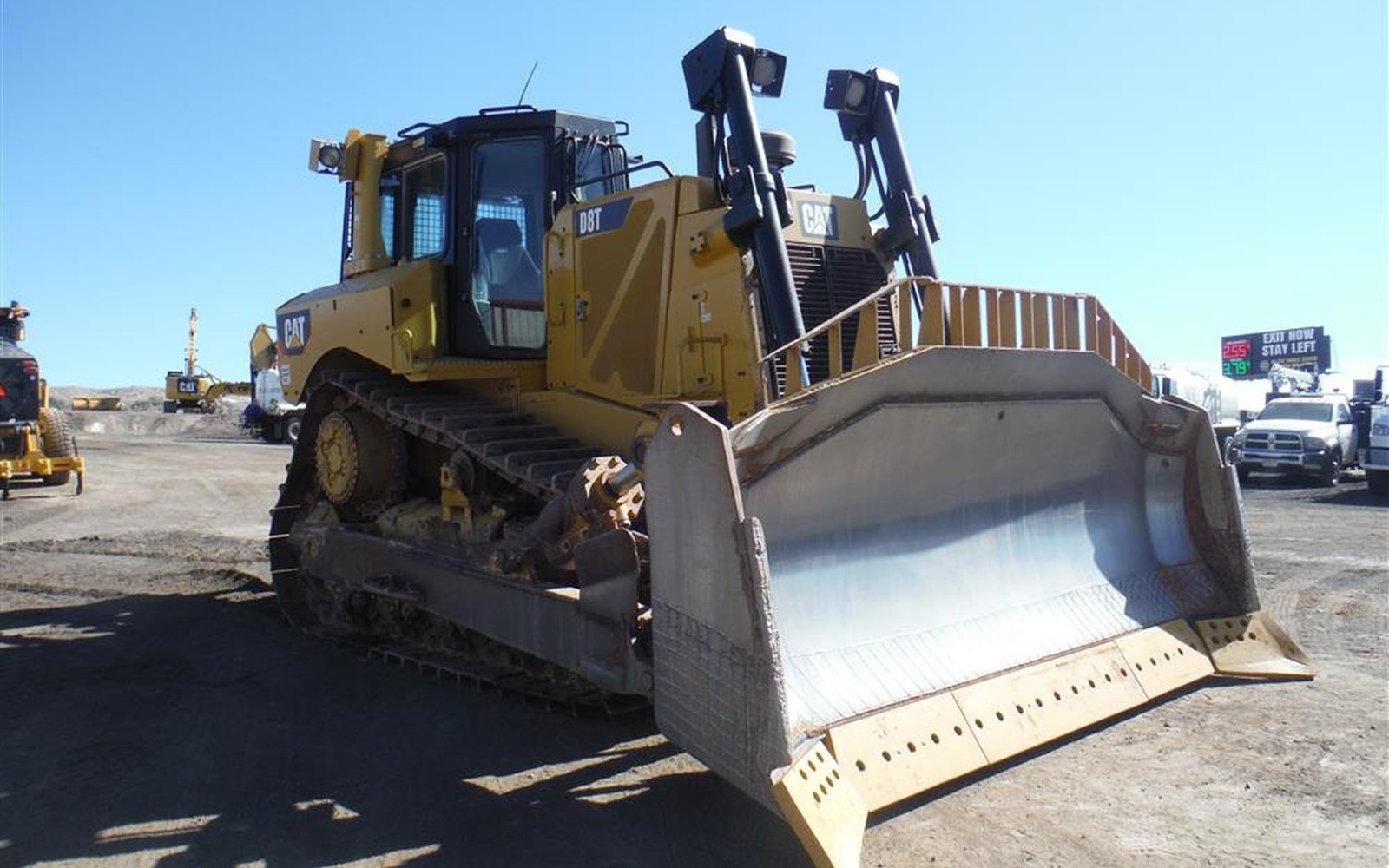
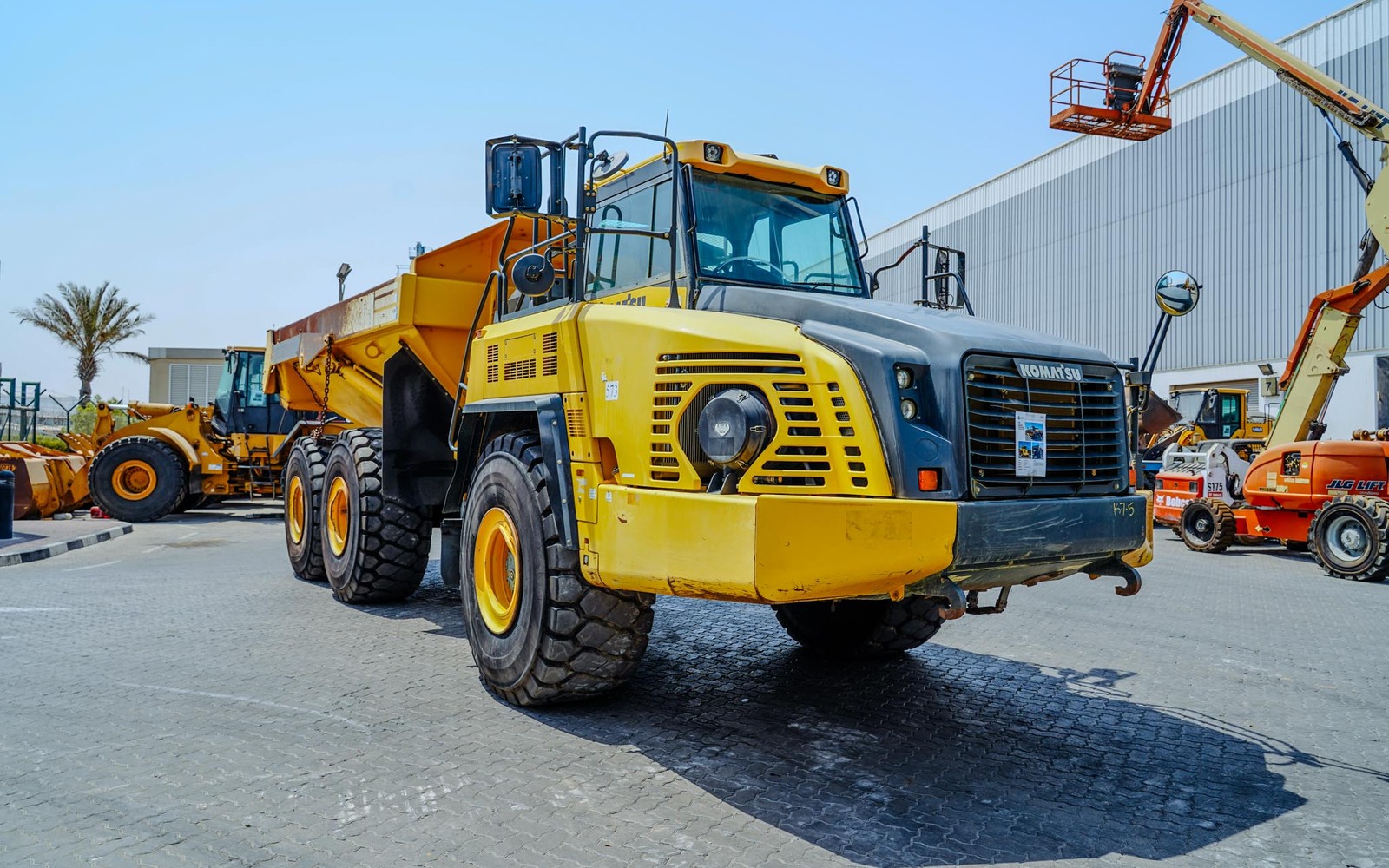
We finance large excavators for road and highway contractors, mining operations, and mass grading firms across the country. The machines we most commonly finance in this class include Caterpillar 336 and 349, Komatsu PC360 and PC490, Volvo EC300 and above, and Hitachi ZX350 class and larger. Brand-specific options are available through our Caterpillar financing and Komatsu financing pages.
What Makes Large Excavator Financing Different
Large excavators are high-value, long-lived assets. A well-maintained 35-ton machine from a major manufacturer can work productively for 15,000 hours or more with proper rebuild intervals. That long service life is both a selling point and a key factor in how lenders evaluate the collateral.
Key lender considerations at the large excavator tier:
- Machine hours and rebuild history. A 30-ton machine at 10,000 hours with a documented recent undercarriage and engine rebuild is a very different asset than one at 10,000 hours with no documented service. Service logs and rebuild receipts matter on big iron.
- Counterweight configuration and attachment compatibility. Long-reach sticks and specialized dippers affect resale value. Standard-reach machines with general-purpose buckets have the broadest resale market and typically receive the best financing terms.
- Current market value. Large excavators are appraised individually for major transactions. We can request an appraisal or use recent comparable sales data depending on lender requirements and deal size.
- Transport logistics. A 50-ton excavator requires a specialized lowboy and may need a permit to move. Lenders factor in the geographic mobility of the collateral.
Documentation for a Large Excavator Transaction
At the price points common to large excavator deals, $250,000 and up, most lenders require some level of financial documentation. Here is the typical breakdown:
- Deals $100k-$400k: Application plus three months of business bank statements in most cases. Some lenders in this range still approve application-only for strong business credit profiles.
- Deals $400k-$750k: A quarter to half-year of business bank statements, brief profit and loss statement, and equipment list. Personal guarantee typically required.
- Deals $750k and above: Full financial package including two years of business tax returns, current balance sheet and P&L, equipment schedule, and sometimes a CPA-prepared statement. Timeline runs 10 to 20 business days at this tier.
For established contractors with strong relationships in the lender community, pre-qualification lines of credit can streamline the process on repeat transactions. If you are buying large excavators regularly, ask us about setting up a credit facility that pre-approves a dollar amount so individual machine purchases close in days rather than weeks.
B and C credit situations are fully considered at this tier through our bad-credit equipment financing program, though the required down payment is typically higher and terms may be shorter on impaired credit profiles.
Refinancing and Sale-Leaseback on Large Excavators
Large excavators that are owned free and clear represent meaningful capital. A Sale-Leaseback on a 40-ton machine that is paid off and worth $300,000 to $400,000 can generate significant working capital without selling the machine and losing the production capacity. You sell the machine to a finance company at appraised value, then lease it back under a fixed monthly payment. The machine stays on your job sites, and the cash goes to wherever your business needs it most.
This structure is particularly popular with contractors bidding large projects who need to show bonding companies or project owners a clean balance sheet. Moving a piece of equipment off the asset ledger and onto an operating lease can sometimes improve the appearance of leverage ratios.
Refinancing an active loan on a large excavator through our equipment refinancing program works when the machine has appreciated relative to the balance, when interest rates have improved, or when you want to extend the term to reduce the monthly payment going into a slower season.
Get Large Excavator Financing Terms
Large transactions deserve a thorough review. Tell us the machine, the seller, the deal size, and your credit situation, and we will come back with specific terms rather than a generic rate range. We handle these deals regularly and know what lenders want to see to approve them.