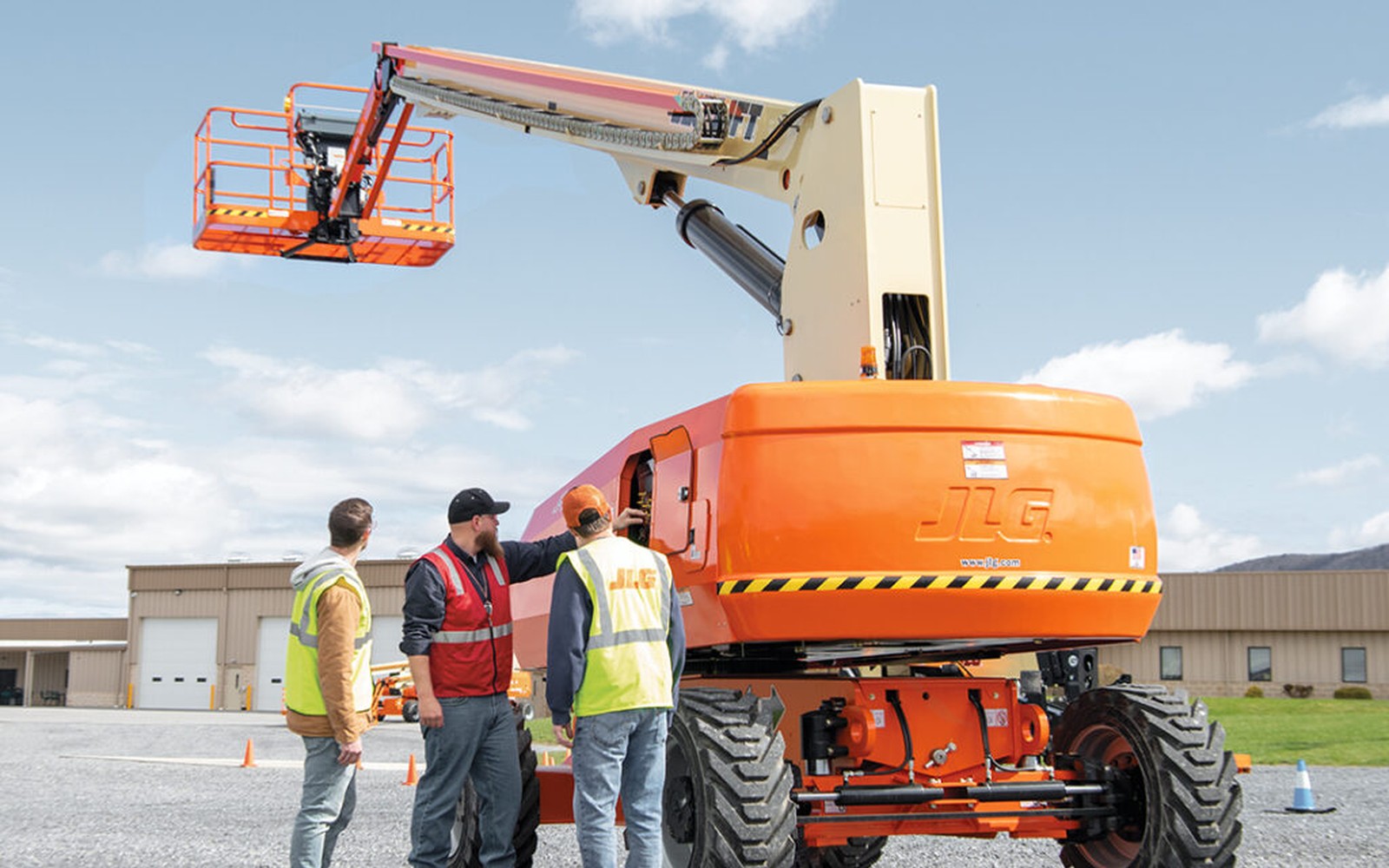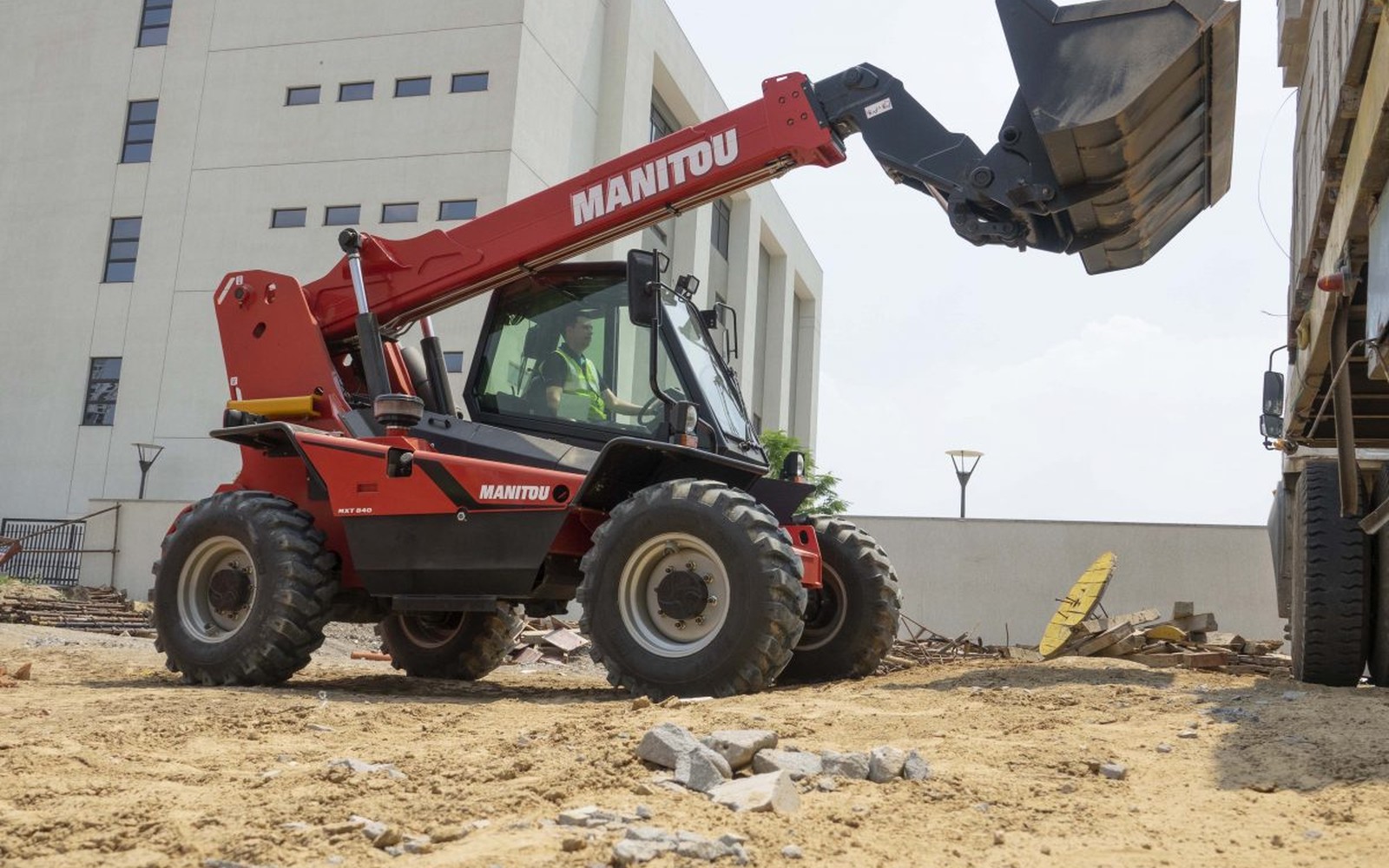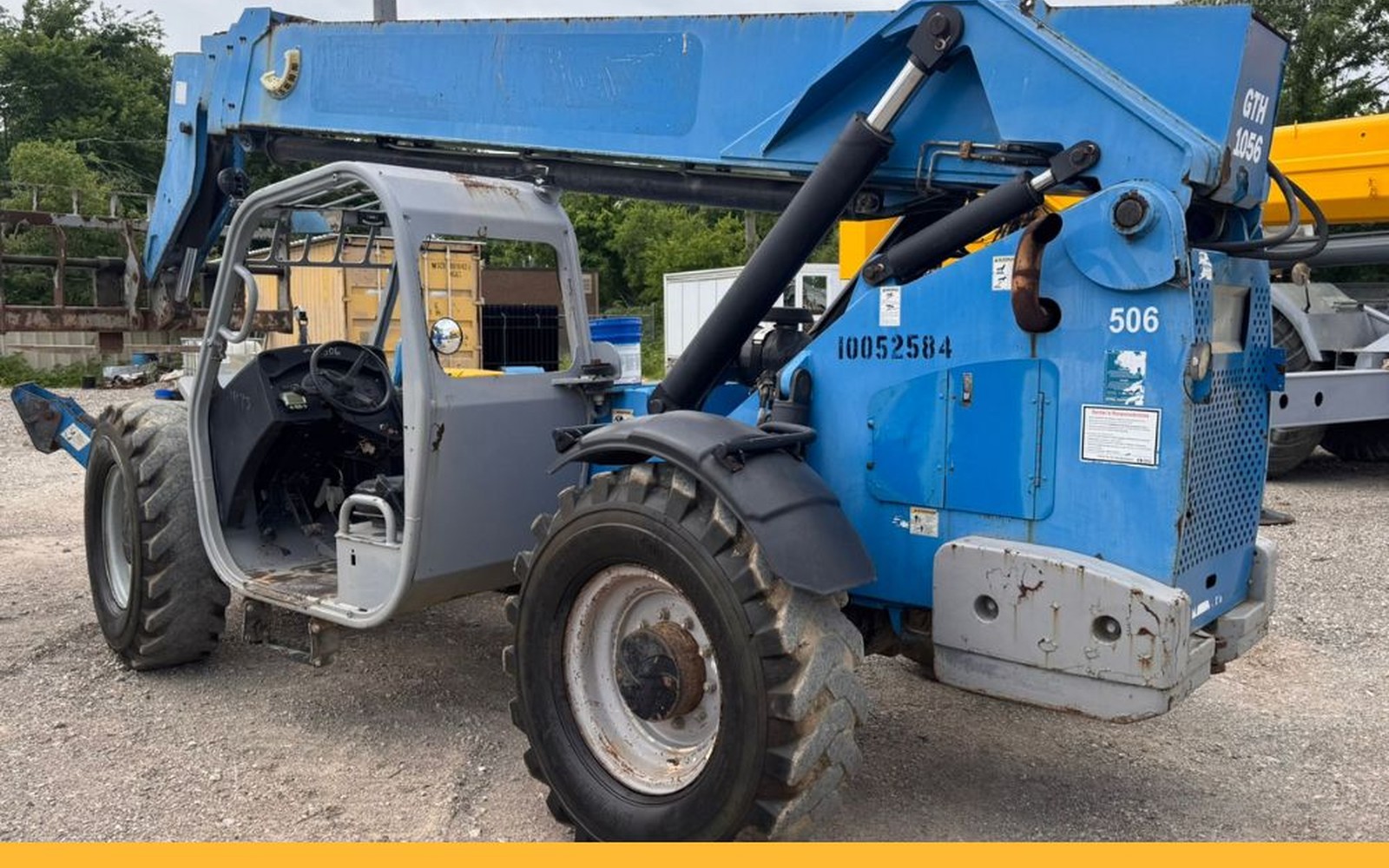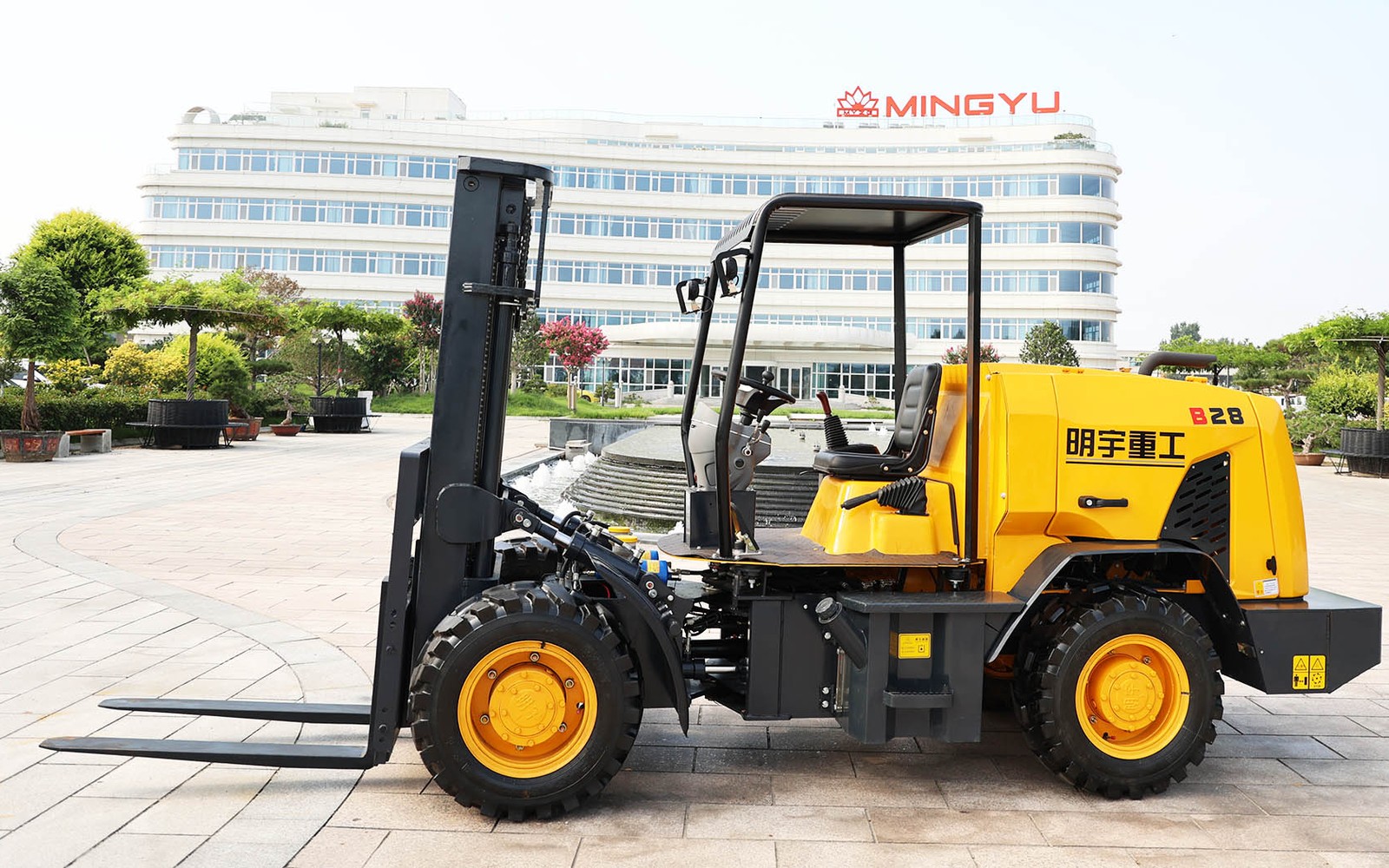

Telehandlers reach where forklifts cannot and work where cranes are overkill. The telescoping boom that gives this machine its name lifts materials to height and distance in one motion, making it the go-to material handler for framing, structural steel, masonry, and precast placement on construction sites. Agricultural telehandlers move feed, clean barns, and stack bales where a standard forklift would sink in the field. Industrial models handle materials in tight yards and manufacturing facilities. Financing a telehandler through our program covers all of these use cases, all major brands, new and used machines, and approvals in 24 to 48 hours for deals that meet standard documentation requirements.
The brands we finance most frequently in this category include JLG, Manitou, Genie, and JCB. Our rough-terrain forklift financing page covers the adjacent machine class for buyers evaluating both options.
Telehandler Classes and Their Financing Profiles
Telehandlers divide into broad categories based on lift height and load capacity:
- Construction class (up to 42 feet reach): The most common type on jobsites, with rated capacities typically between 5,500 and 12,000 lbs. New machines in this class run $70,000 to $130,000. Used machines two to five years old typically trade running about $35k to $70k.
- High-reach construction class (up to 56+ feet): For taller commercial and industrial construction. These machines cost more and carry more capacity, with new prices running $130,000 to $250,000. They have a narrower buyer pool but remain financeable.
- Agricultural telehandlers: Configured with different tire and frame setups for farm use. Brands like Manitou and JCB are heavily represented. New agricultural models run $80,000 to $150,000 depending on capacity and configuration.
Telehandlers generally hold value well. The secondary market for construction-class machines from JLG, Manitou, Genie, JCB, and Caterpillar is active and competitive. Lenders are comfortable with the asset class and typically offer terms comparable to wheel loaders and compact equipment in the same price range.
Who Uses Telehandlers and Why They Finance Them
Telehandler buyers in our program represent a wider range of industries than most construction equipment categories:
- General contractors and framing contractors on commercial and residential construction projects, using telehandlers to place sheathing, trusses, structural steel, and masonry materials at height.
- Masonry contractors who need to set material on scaffolding and at upper-story height without a crane setup.
- Agricultural operations who use ag-configured telehandlers for barn and feed management, silage face work, and material handling in the field. Our agriculture and ranch earthwork page covers this buyer group.
- Industrial facilities and manufacturing plants running telehandlers for yard material handling, container support, and production floor logistics.
- Roofing contractors and material distributors who use telehandlers for rooftop material placement and delivery staging on commercial projects.
Telehandler Financing Process and Documentation
Most construction-class telehandler purchases fall running about $60k to $200k, which is comfortably within the application-only tier of our program. Deals up to approximately $400,000 can close without income documentation on strong business credit profiles, with approval often coming back the same day we submit the file.
For agricultural telehandler purchases, the same application process applies. Some agricultural lenders offer slightly different structures that account for seasonal income patterns, which we can pursue if the business operates on a seasonal cycle.
Structures for telehandler financing:
- Equipment loans with fixed monthly payments and full ownership at payoff
- FMV leases with lower monthly payments and return or buyout options at term end
- Dollar-buyout leases that function like a loan with lease document structure
For operators considering a used telehandler, our used equipment financing program handles auction, dealer, and private-party transactions the same way it handles new machine purchases, with appropriate documentation adjustments for the seller type.
Operators who need construction equipment beyond a telehandler should also explore our skid steer loader financing and compact track loader financing programs. Many crews finance a telehandler alongside a compact machine under a single application, simplifying the paperwork and giving them both material-handling capability and ground-digging capacity in one transaction.
Get Telehandler Financing Terms
Construction or ag, high-reach or standard, we quote telehandler deals the same day. Tell us the make, model, and price and we will have terms ready when you need them. Funding in about one to two weeks from completed application.