
Seattle's terrain and its construction pace both demand respect. Tight hillside sites, Puget Sound shoreline infrastructure, and a metro that has been building at full speed for years require skilled contractors and capable machines. If you are working in King, Pierce, Snohomish, or Kitsap counties and you need iron on the ground fast, we put the financing together without the delay a local bank adds to the process.
We finance excavators, dozers, compact equipment, and the attachments that make them versatile for Pacific Northwest terrain. Minimum deal size is $50k. Most transactions run $100k to $150k and above. Application-only financing covers purchases up to roughly $400k on standard construction equipment. B/C credit is handled. We move on your timeline, not the timeline of a weekly credit committee.
Seattle's Construction Landscape: Big City, Complex Terrain
The Seattle metro is one of the most active construction markets on the West Coast. Tech industry growth has driven commercial and mixed-use development across the city, along with infrastructure investment in light rail expansion, highway projects, and utility system upgrades. King County Metro and Sound Transit projects have generated years of civil construction work that keeps large excavators, crawler machines, and utility contractors in continuous demand.
The terrain adds complexity. Seattle's hilly geography means site work often involves significant cut-and-fill operations, shoring, and careful machine selection to avoid slope instability. Long-reach excavators see use in slope and shoreline work that would require multiple passes or different machinery elsewhere. Compact machines are essential for urban infill projects where access is limited and neighboring structures cannot be disturbed.
The South Sound corridor, including Tacoma, Federal Way, and Puyallup, has become a significant industrial and logistics development zone. Large warehouse and fulfillment sites there require the same kind of large-scale earthmoving that I-5 and I-405 corridor projects in the east King County suburbs also generate. The range of work types in this metro means Seattle contractors need a versatile fleet and financing flexible enough to cover it.
Equipment Choices for Pacific Northwest Site Work
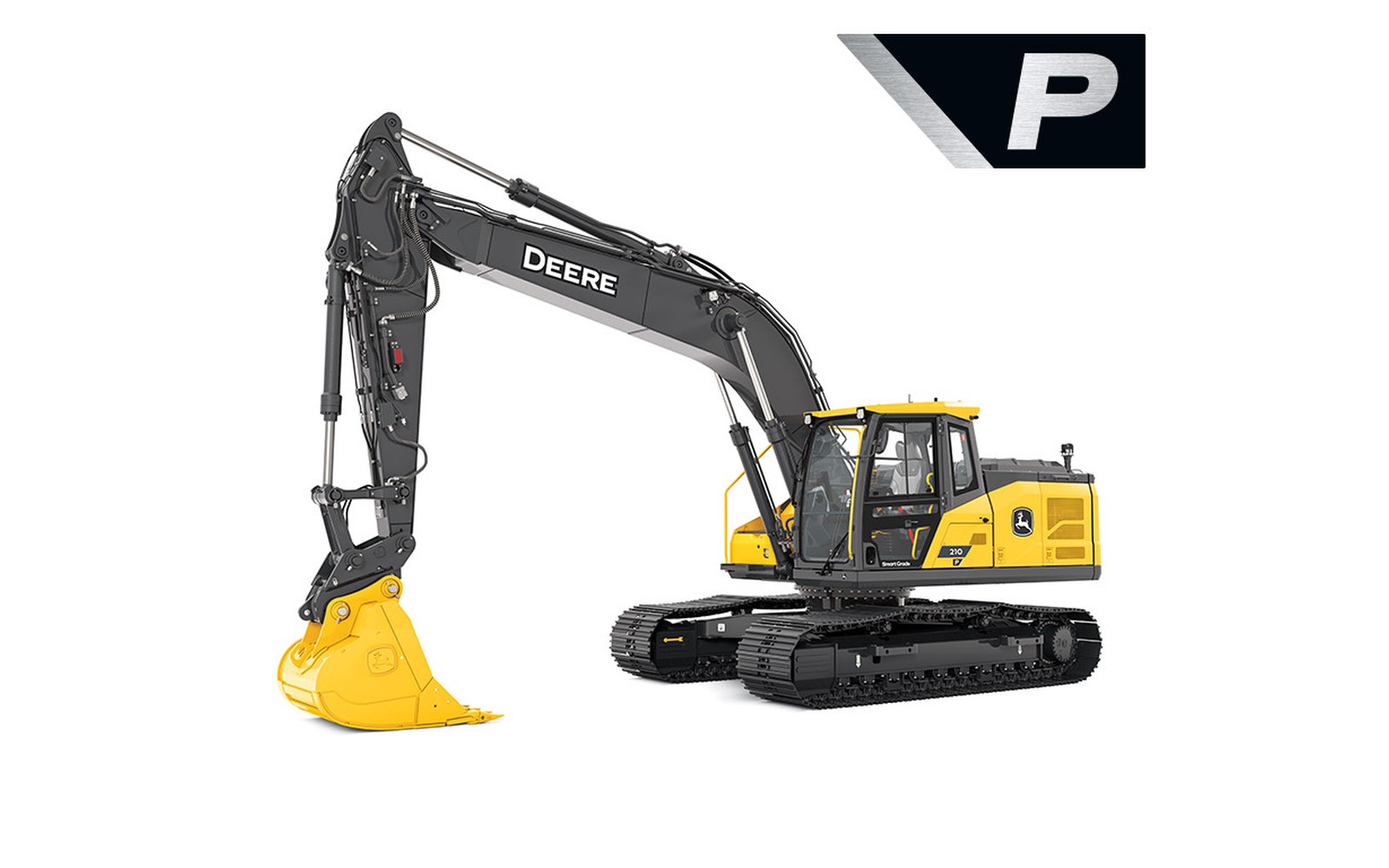
Seattle contractors run machines that handle soft ground, steep slopes, and tight urban access. A mid-size tracked excavator in the 20- to 30-ton class handles the majority of commercial foundation, utility, and grading work across the metro. The wet Pacific Northwest climate means undercarriage maintenance matters more than in drier regions, and a machine with a recent undercarriage inspection and documented service history is worth the premium over unknown-maintenance used iron.
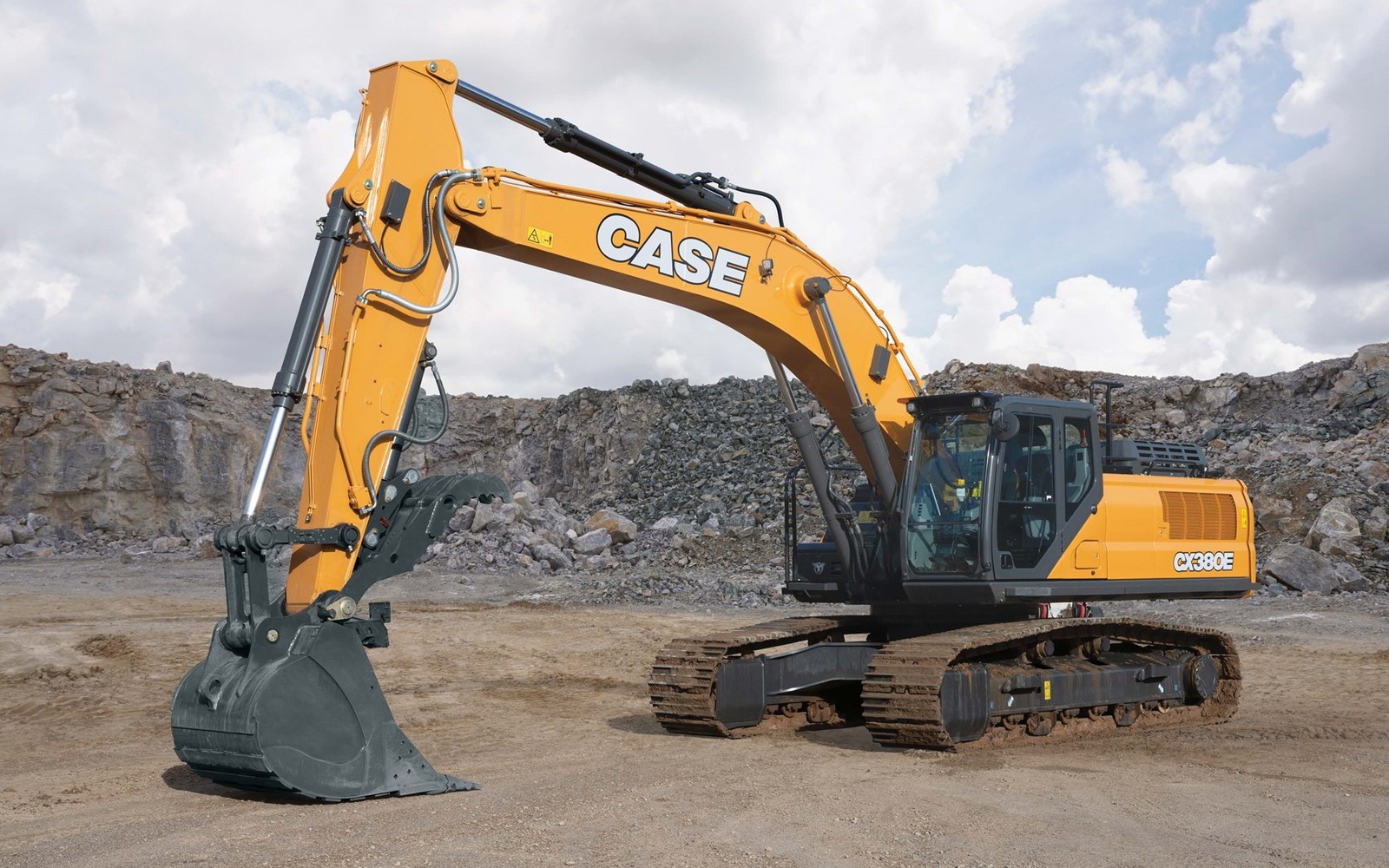
For hillside and shoreline work, long-reach attachments and extended-arm configurations on standard excavators are common. Contractors doing slope reinforcement, pier installation, or shoreline rip-rap work sometimes need machines with extended reach capability that does not require moving the base machine as frequently on unstable ground.
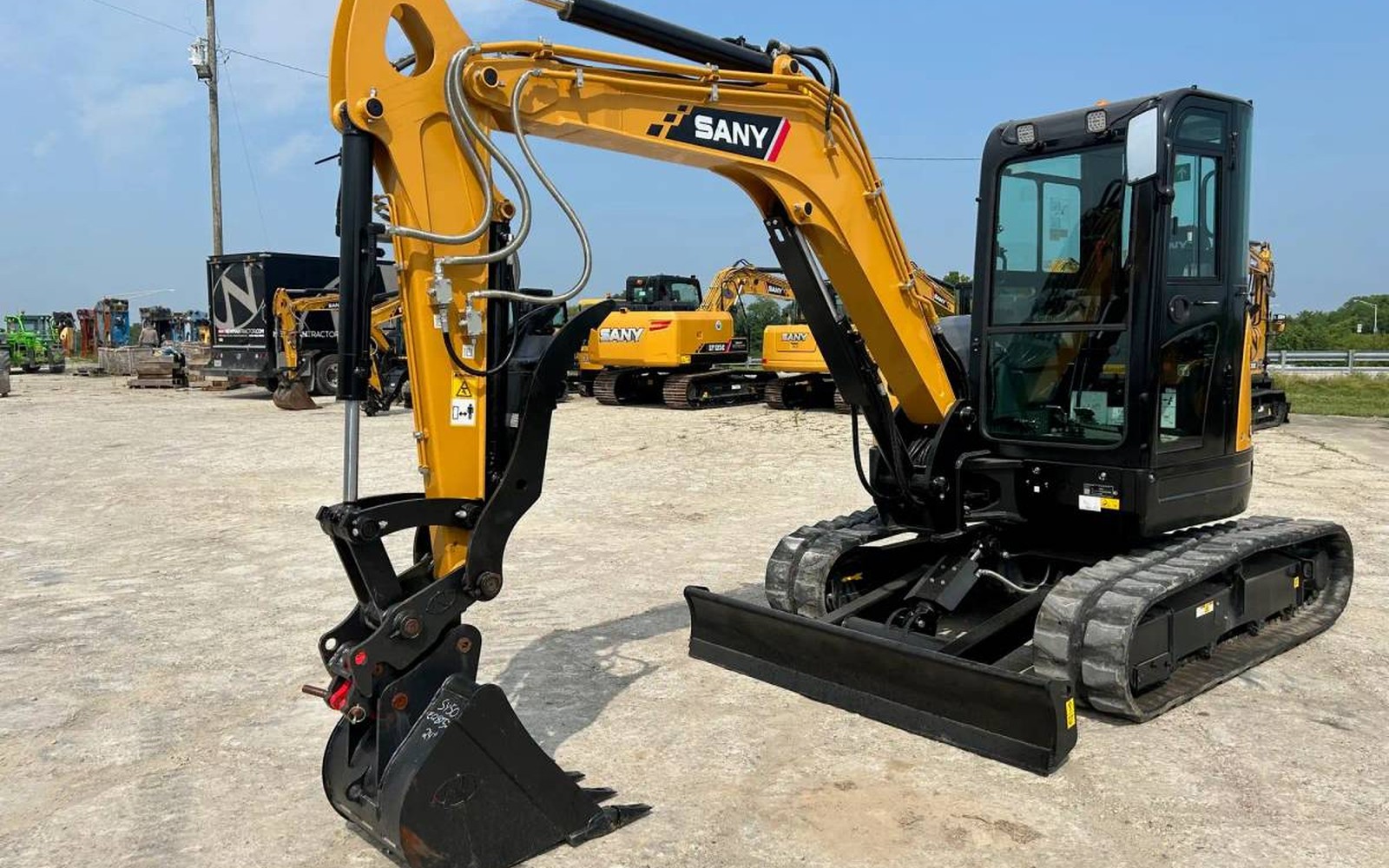
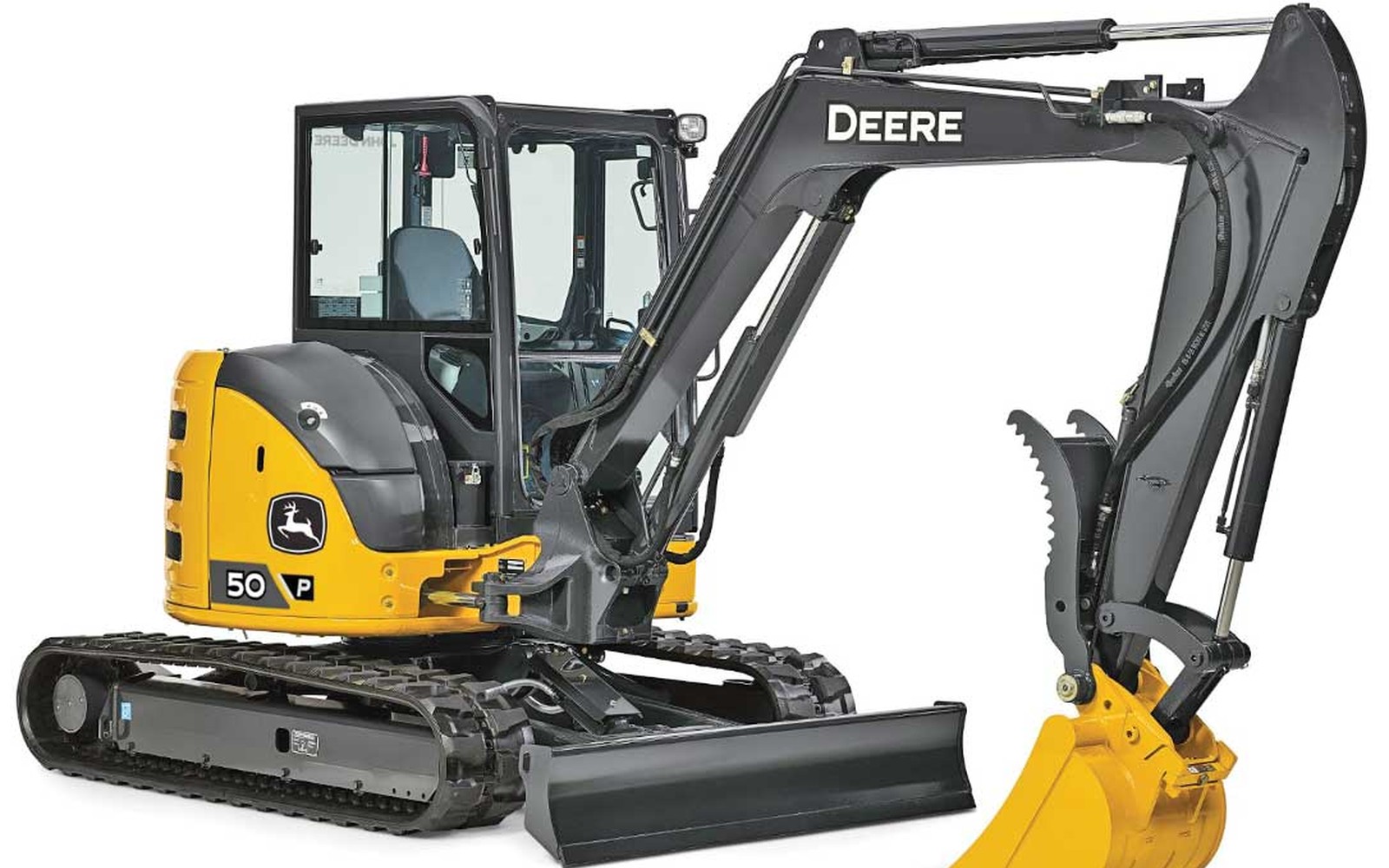
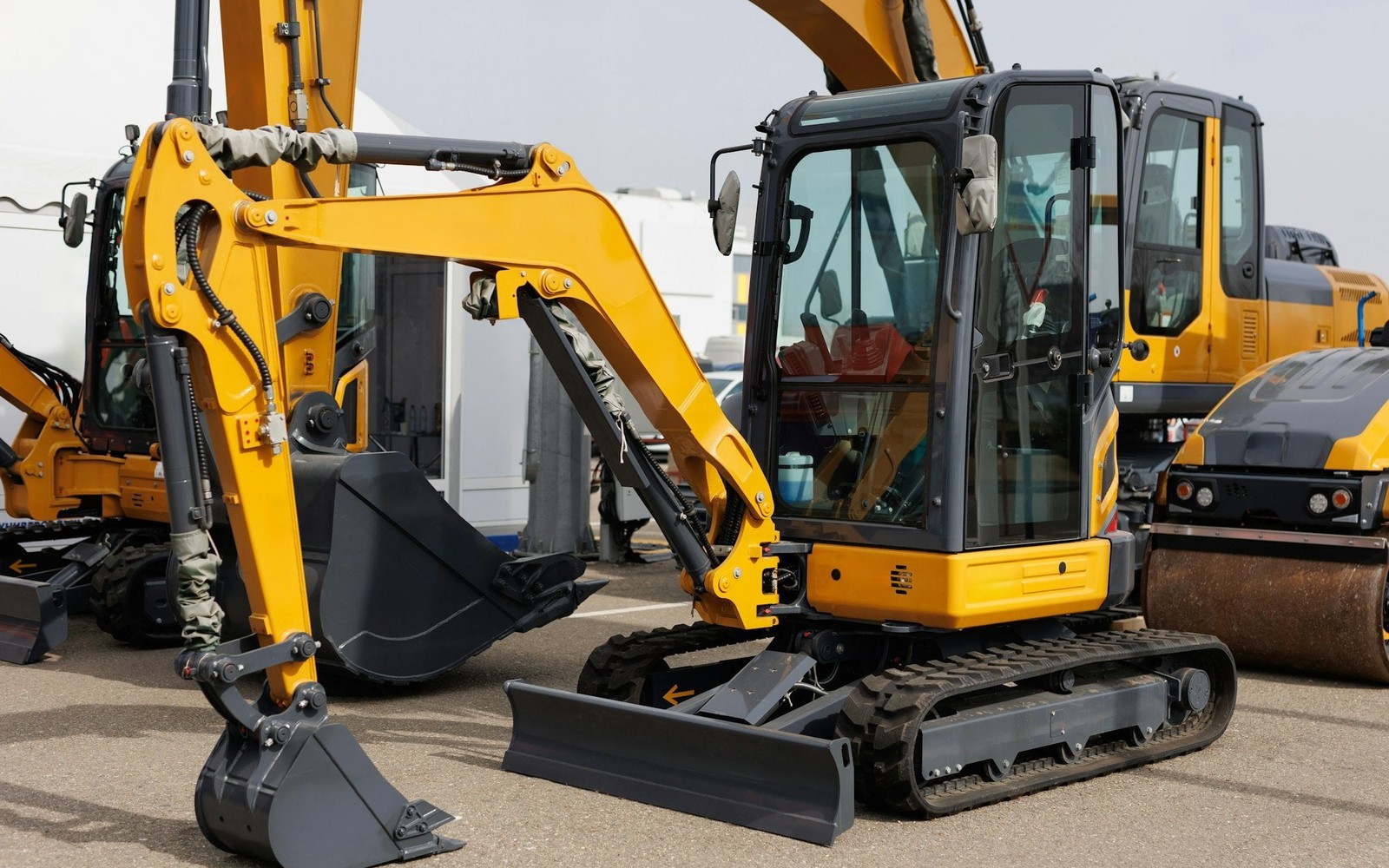
Urban Seattle work benefits from compact machines. A mini excavator or compact track loader can access alley-width job sites, basement excavations in tight lots, and renovation projects where large equipment simply does not fit. Many Seattle contractors run a combination of a compact machine and a mid-size excavator to handle the full range of their work. We finance both in the same application if the total is within range.
How Financing Works for Seattle Contractors
The process is fast by design. Submit an application with the equipment details, the vendor or seller information, and three months of business bank statements. We route the deal to lenders in our network that are familiar with West Coast construction equipment markets. Credit decisions typically come back within 24 to 48 hours.
New machines from Washington state dealers, used equipment from Pacific Northwest auctions or private sellers, equipment brought up from California or Oregon, and machines already in your fleet that you want to refinance or pull equity from all qualify. The collateral is the machine and the key underwriting driver is your business cash flow.
If you have had a complex credit history, B/C credit equipment financing programs are available. If you are refinancing a paid-off machine to fund a new project or meet a payroll cycle, a cash-out refinance or Sale-Leaseback can put capital in hand within roughly two weeks.
Seattle Contractors We Work With
Excavating contractors handling commercial foundation and site prep work across King and Pierce counties represent a core part of our Seattle business. They compete for a mix of public infrastructure bids and private commercial development, and they need financing that does not require a six-week approval process to stay competitive.
Utility and pipeline contractors working Sound Transit, Seattle City Light, and Seattle Public Utilities projects also use our programs. These operators often run multiple machines on multi-year contracts and need financing flexible enough to add equipment when a new contract phase begins. Landscaping and hardscape contractors handling larger commercial installs in the Seattle area, and demolition contractors working urban redevelopment sites, round out the borrower profile.
Loan Terms and Payment Structures for Seattle Contractors
Equipment loan terms run 36 to 84 months. The Seattle market's high acquisition cost on both new and used equipment, driven partly by transportation costs and partly by a competitive equipment supply in the Pacific Northwest, means contractors here often benefit from longer terms to keep monthly payments manageable. A 72-month term on a new 25-ton excavator in the $250k to $350k range keeps the monthly number in a range that does not stress cash flow on months when a job transitions between phases.
Down payment requirements depend on the credit profile. Clean credit with application-only approval often closes with zero down on standard equipment. B/C credit profiles typically need ten to twenty percent. On the West Coast, equipment hold-its-value well relative to the country as a whole, which means the lender's collateral position is stronger and LTV terms tend to be competitive.
For contractors managing large capital expenditures and tax planning, bonus depreciation financing is another structure worth discussing with your CPA. Federal bonus depreciation rules allow accelerated deductions on qualifying equipment purchases, and the financing structure needs to support ownership for the deduction to apply. We structure loans and leases to match whatever approach your accountant recommends.
Seattle Jobs Move Fast. Your Financing Should Too.
Tell us what machine you need, where it is coming from, and what job it is going to. We handle the financing and get you funded in roughly two weeks. Seattle contractors compete in one of the highest-cost construction markets in the country, and having capital moving as fast as the project schedule matters more here than most places. Apply online or call to start the conversation and we will have something back to you before the week is out.