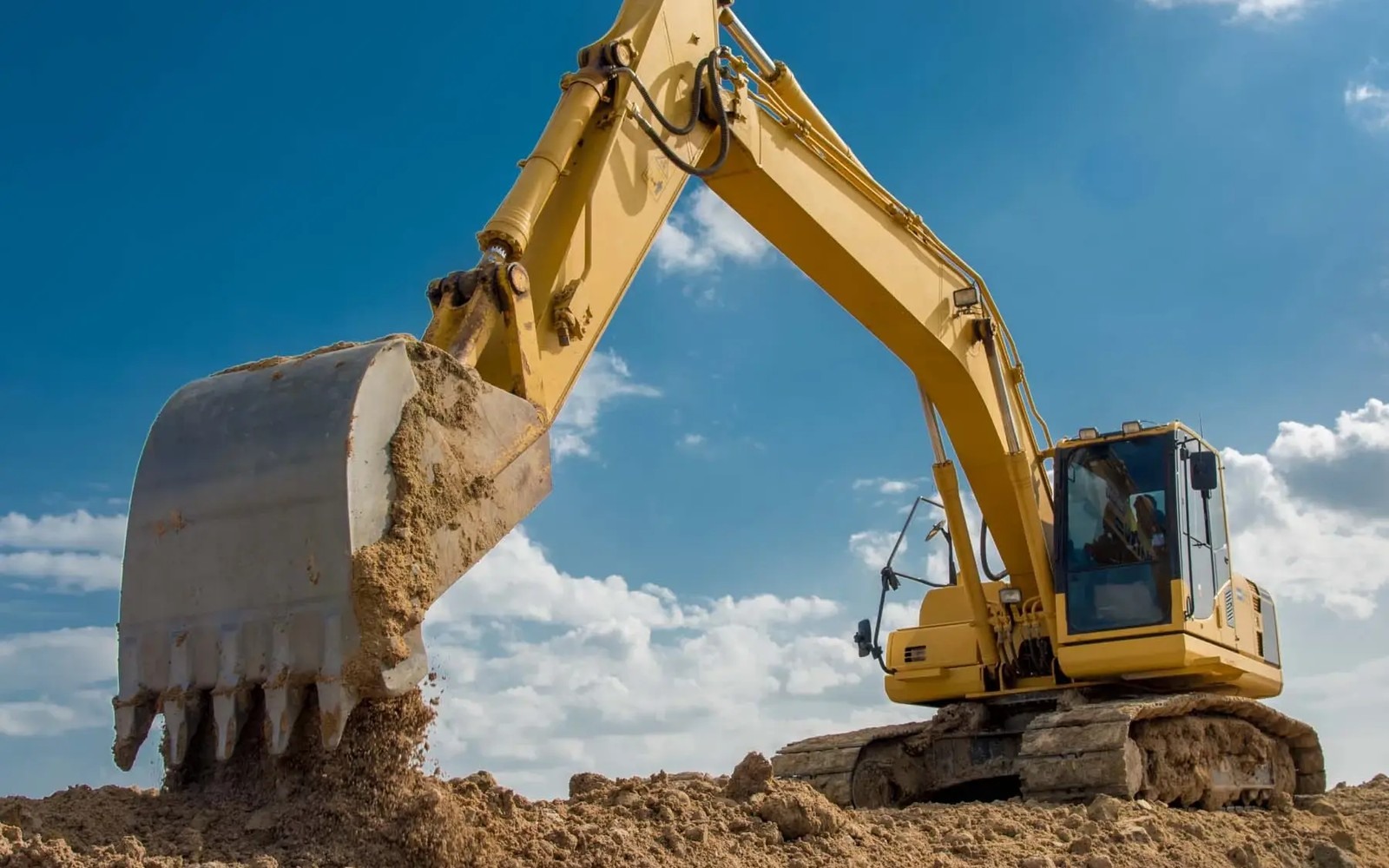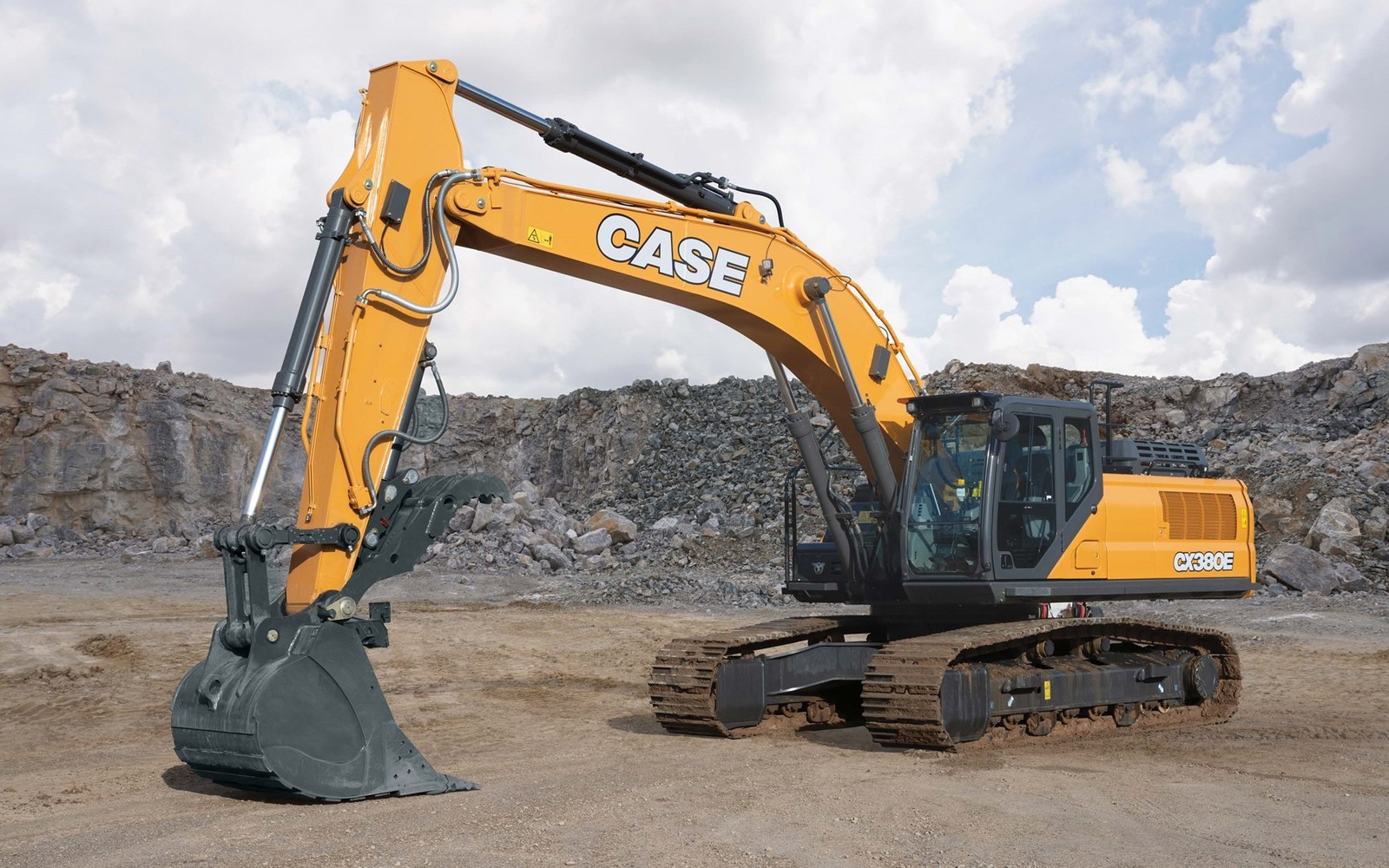

A long-reach excavator is the right tool when the material is far and the machine cannot get close. Dredging channels, shaping retention ponds, cleaning levee faces, working along riverbanks and waterways, and reaching across soft ground that will not support the machine's weight: these are the jobs that justify the additional investment in an extended front-end configuration. Financing a long-reach excavator requires a lender who understands the specialty nature of the asset and the market that buys it. Not every equipment lender has seen one of these deals. We handle them regularly.
Long-reach configurations add significant value over a standard-reach base machine, but that value is somewhat market-specific. The operators who buy used long-reach excavators are environmental contractors, marine and waterway specialists, and specialized earthwork firms. That is a narrower secondary market than standard trackhoes, which is a factor we communicate clearly when structuring these deals with lenders. The site development contractors and grading and earthwork contractors who purchase these machines typically use them on specific project types where the per-yard cost justification is clear.
Long-Reach Configurations and Their Financing Implications
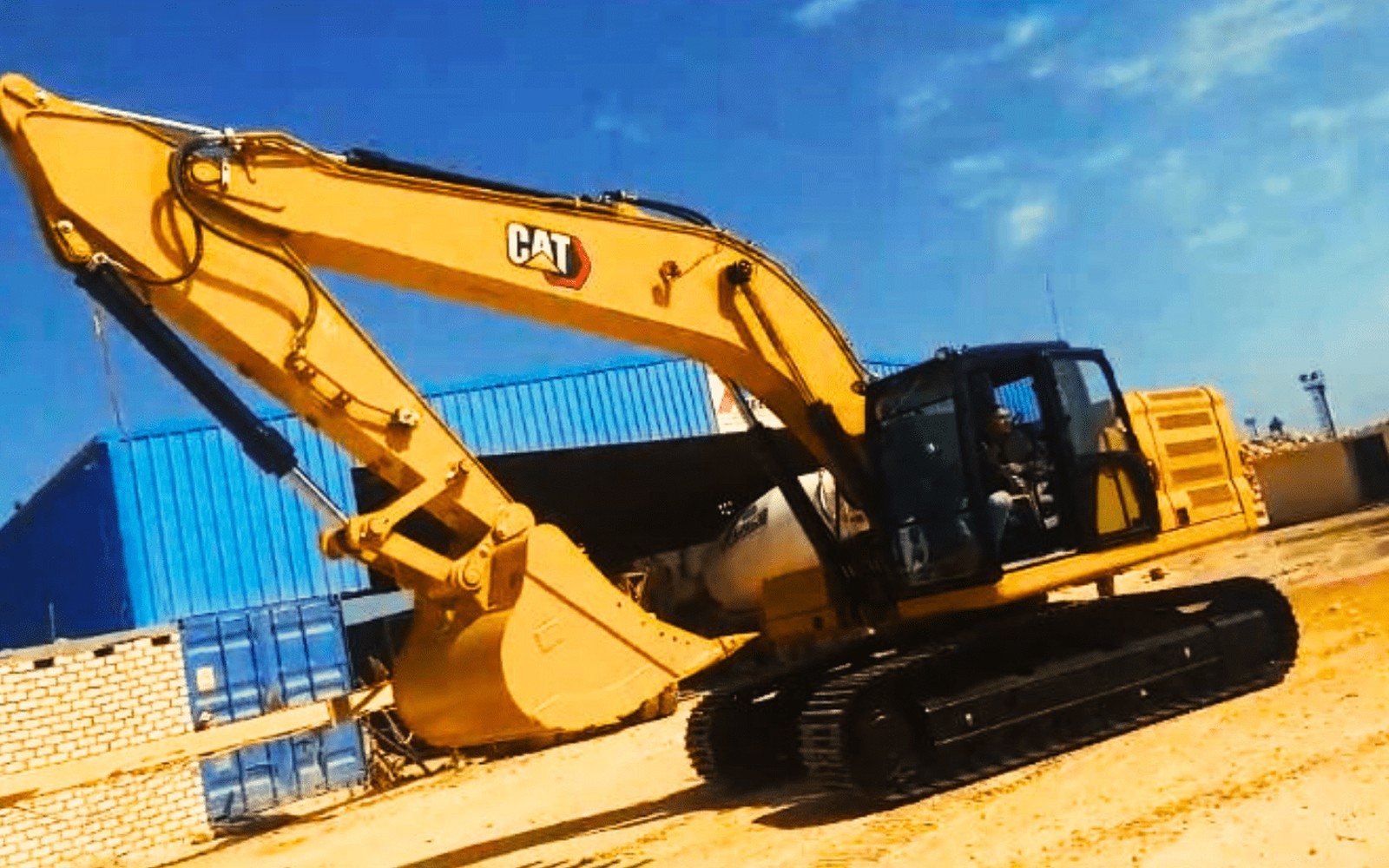
A long-reach excavator typically consists of a conventional crawler excavator base machine with an extended boom and stick assembly. Reach depths of 40 to 60 feet or more are achievable depending on the configuration. The extended front end allows the operator to work from stable ground on soft, wet, or restricted-access terrain.
Key configurations and what they mean for financing:
- Factory long-reach configurations: Machines built as long-reach units from the factory (offered by Caterpillar, Komatsu, Hitachi, and others on select models) typically retain value better than field-converted units. Factory configurations have engineering documentation and OEM warranty implications that matter to resale buyers.
- Field-converted long-reach units: Some contractors retrofit a standard excavator with an extended front-end kit from a third-party supplier. These are fully functional but have a narrower resale market. Lenders may require additional documentation or an independent appraisal on a field conversion.
- Combination machines: Some operators run a base machine that can accept both standard and long-reach fronts via a pin-change arrangement. This versatility is a positive for resale but may require documentation of both front-end setups in the finance application.
From a valuation standpoint, a long-reach excavator is typically financed at or near the market value of the complete configured unit, not just the base machine. We work with appraisers who understand the specialty equipment market.
Who Finances Long-Reach Excavators Through Our Program
Long-reach excavator buyers tend to have specialized project portfolios. The common profiles we see:
- Environmental remediation contractors who dredge contaminated sediment from ponds, streams, and retention basins. Permit requirements often specify operating from the bank with no ground disturbance in the water, which requires extended reach.
- Levee and flood control contractors working on USACE projects and state flood control maintenance programs. These machines shape and clean levee side slopes that the machine cannot safely travel on.
- Marine and waterway contractors deepening navigation channels, maintaining marina basins, and clearing debris from rivers and harbors.
- Retention pond and stormwater contractors building and maintaining detention basins for municipal stormwater systems and commercial development.
- Solar and renewable energy site contractors who use long-reach machines for grading large flat sites with ponding areas and drainage features, particularly for solar and wind site development projects.
Financing Process for Long-Reach Excavators
The application process mirrors our standard large excavator financing program with a few additional steps specific to the specialty configuration:
- We collect machine details including base machine make, model, serial number, operating weight, and the specific front-end configuration (boom and stick lengths, reach dimensions).
- For deals above $400,000, we typically need three months of bank statements and a brief business financial summary.
- We may request or recommend a third-party appraisal on machines above $300,000, particularly if the configuration is unusual or the resale market is thin for that specific setup.
- Lender placement is handled by us based on who in our network has experience with specialty attachments and custom-configured machines.
Term lengths for long-reach excavators typically mirror their base machine class. A long-reach configuration on a 40-ton base machine finances over similar terms as a standard 40-ton machine, though some lenders apply a modest discount to the appraised value to account for the narrower buyer pool. We position these deals properly so the discount is minimal on clean machines with documented configurations.
Both equipment loans and equipment leases are available on long-reach excavators. The lease path can make sense if you are uncertain about long-term use of the configuration and may want the option to return the machine at term end. For used machines in this category, our used equipment financing program handles the documentation requirements for private-party and auction purchases of configured long-reach units.
Finance Your Long-Reach Excavator
Specialty configurations require a lender who has seen them before. Tell us the machine spec and your project context, and we will structure a deal that reflects the real value of the configured unit, not just the base machine. Same-day quotes, funding in one to two weeks for most deals.