
Utility and pipeline work runs on dig days and production yardage. A contractor who wins a gas main relocation or a fiber broadband build-out needs equipment that can open trench, lay pipe, and backfill to grade without delays that eat into the production rate. The financing has to be just as reliable. We work with utility and pipeline contractors across water, sewer, gas, electric, and telecom verticals to finance the equipment those jobs actually require.
We finance excavators configured for utility digging, dedicated chain and wheel trenchers, compact machines for right-of-way work, and the support equipment that keeps a pipeline spread moving. New equipment from dealers, used purchases, and refinancing on existing iron are all within scope. Minimum $50,000, with most utility contractor deals running $150,000 and above.
Equipment at the Core of Utility and Pipeline Contracting
A utility contractor's equipment list is shaped by the type of work they do. Water and sewer main contractors run differently from long-haul pipeline spreads or urban fiber builds. Here is the equipment we finance most in this sector:
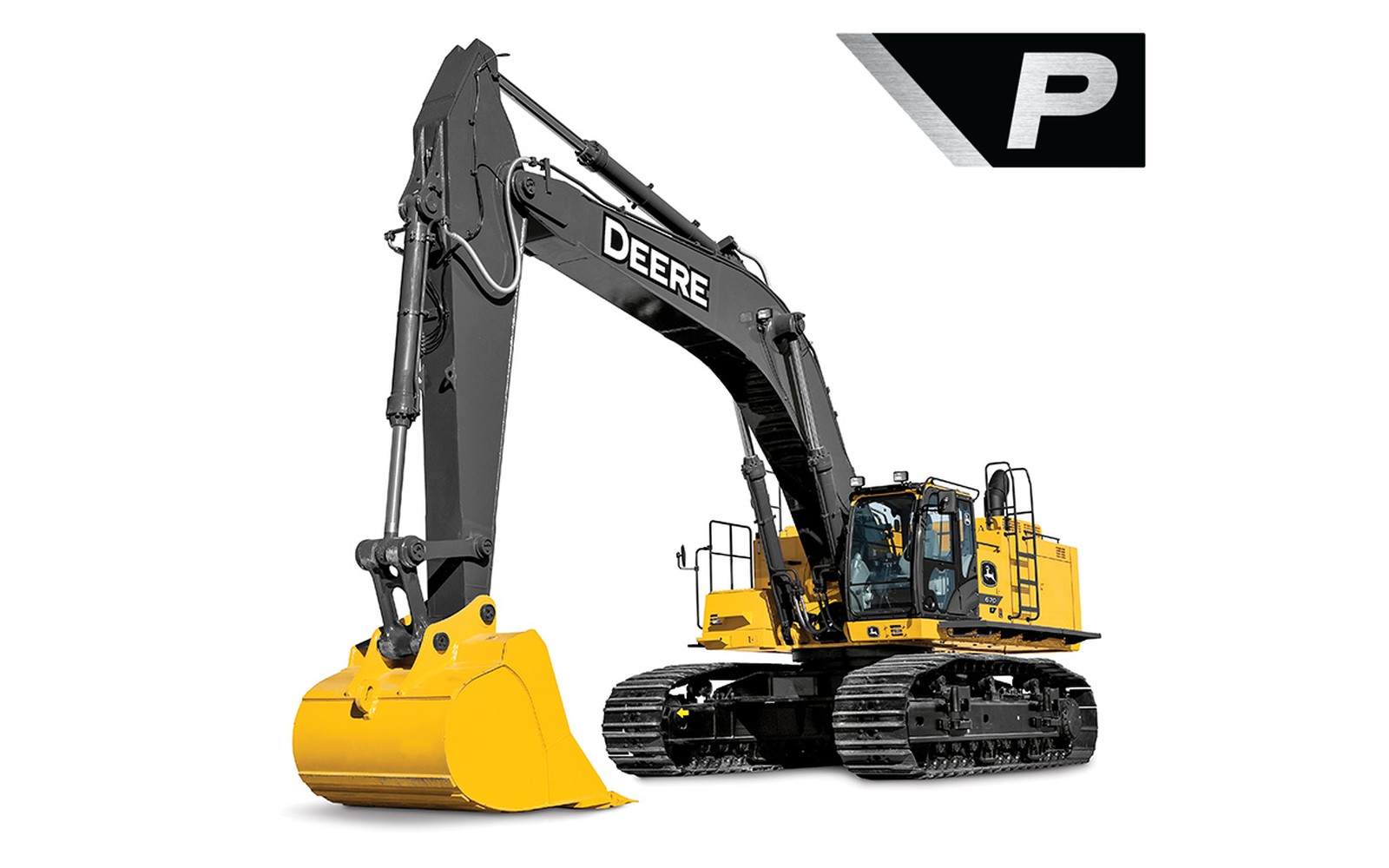
- Mid-size excavators (15-to-25 ton): The standard digging machine for water main, sewer, and gas line installation. A mid-size excavator handles the trench width and depth required for most utility distribution work. Caterpillar 320 and Komatsu PC210 class machines are typical.
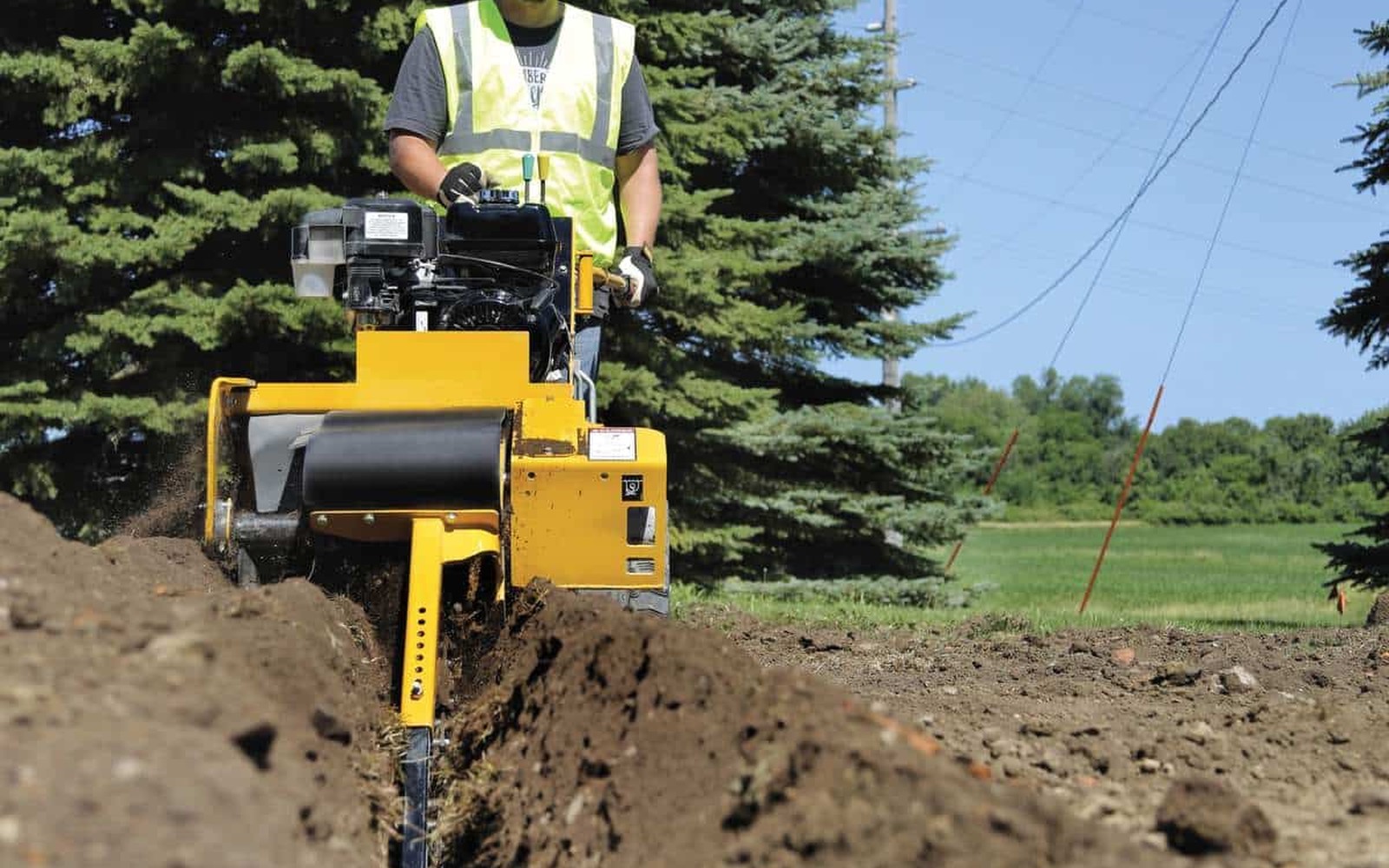
- Trenchers: Chain trenchers from Vermeer and Ditch Witch, and wheel trenchers for hard-ground conditions, are the fastest way to open trench for small-diameter utility pipe. A trencher has a specific resale market that lenders understand.
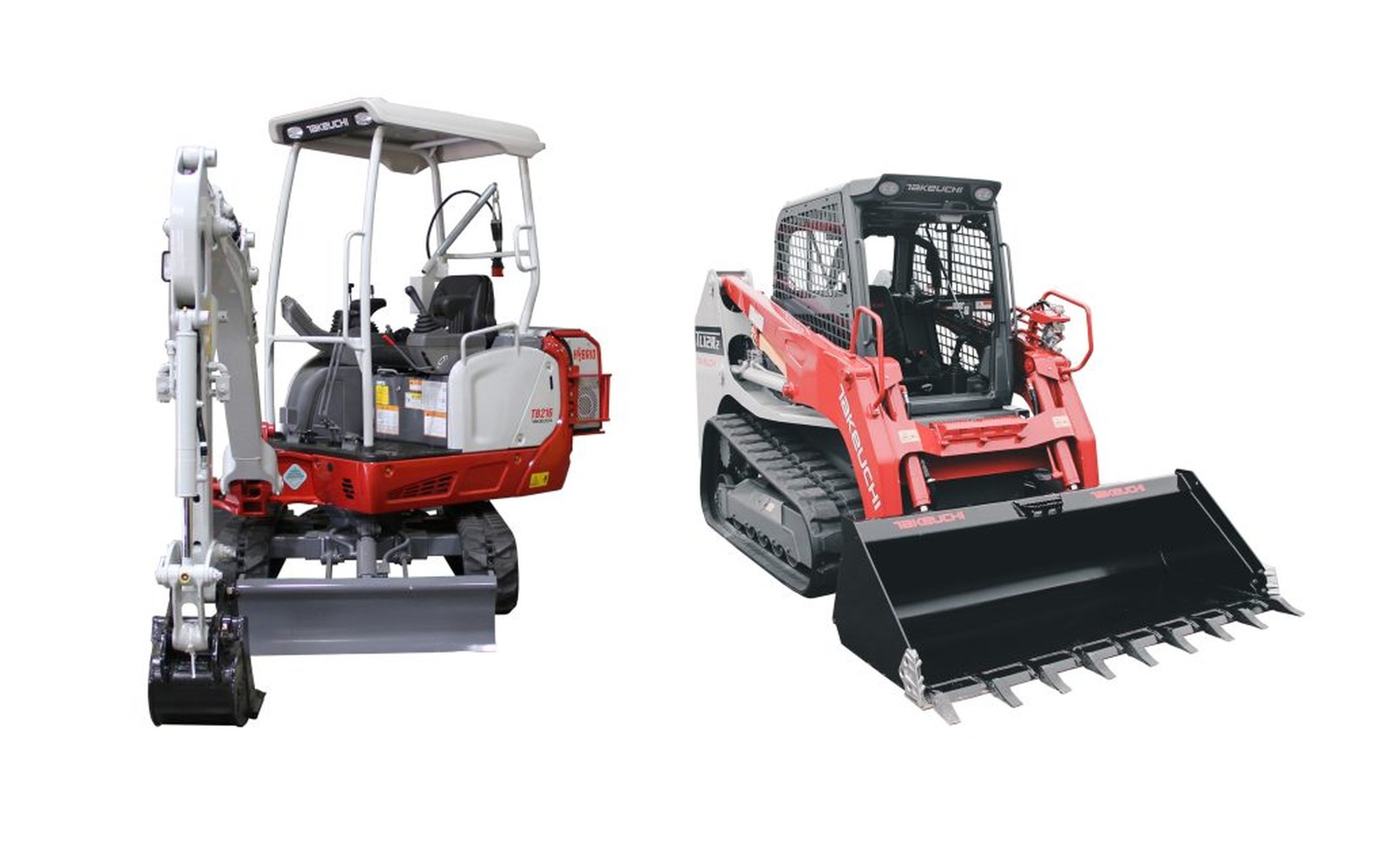
- Compact excavators for confined areas: Urban utility work often happens in streets, alleys, and easements where a full-size excavator cannot work. A compact excavator in the 3-to-5 ton range fits in tight right-of-way conditions without sacrificing digging capability for the task.
- Track loaders and compact track loaders: Backfill and compaction around utility infrastructure requires a machine that can work in a narrow trench zone. A track loader handles this efficiently without the turning radius constraints of a wheel machine.
- Pipe laying and support equipment: Excavators with specialized pipe-laying attachments, side booms, and pipe cradles. These attachments can be financed separately or bundled with the carrier machine.
How Utility Contractor Financing Works
Utility and pipeline contractors often operate on contract-by-contract revenue cycles. A large municipal sewer main contract may generate most of a year's revenue. A rural fiber build might run six months and then pause waiting for the next phase to be funded. We look at the full picture of the business, not just a single month's bank statement:
- Quote request: Submit the equipment details and basic business information. No cost, no commitment.
- Pre-qualification: We assess credit, time in business, and the asset. Most responses come back within one business day.
- Application and docs: Application-only approval is available for deals under approximately $400,000 on strong credit. Larger deals or tighter credit require three months of bank statements and business entity documents.
- Approval and term sheet: You see the full deal structure, rate, term, and payment before signing anything.
- Funding: Vendor or seller paid after documents are signed. Most deals close within one to two weeks.
We have handled deals for utility contractors who needed equipment in hand before a municipal contract start date. When the file is complete and the credit qualifies, we move as fast as the transaction allows.
Refinancing and Sale-Leaseback for Utility Contractors
Utility contractors who have been in business for several years often have paid-off equipment sitting on their yard. A Sale-Leaseback on a paid-off excavator or trencher generates cash without disrupting the machine's availability on current jobs. That cash goes toward bonding capacity, a new contract's mobilization costs, or a down payment on additional equipment.
Contractors carrying existing loans can sometimes benefit from equipment refinancing if they financed during a higher-rate period. Extending the term or lowering the rate reduces monthly payments and improves operating cash flow. We run the numbers on both the current and refinanced scenarios so the comparison is clear.
The minimum for both programs is $50,000 of current market value. Utility equipment from major brands holds value well, so most machines that have been maintained are above that threshold.
Additional Financing Programs for Utility Contractors
Beyond the standard loan and lease, utility contractors sometimes need:
- Application-only financing: For clean credits purchasing equipment under approximately $400,000, our application-only program skips the tax return and financial statement requirement. Faster and simpler for the contractor who qualifies.
- Used equipment programs: A used trencher or compact excavator in solid condition finances through our used equipment financing program. We are not restricted to dealer-fresh machines.
- Auction purchases: Utility equipment, particularly excavators and trenchers, appears regularly at auction. Our auction and private-party financing handles these purchases, which standard bank channels typically decline.
Get Equipment Financing for Your Utility Operation
Trenchers, excavators, track loaders, or a full spread package. Tell us what the contract calls for and we will put financing options in front of you quickly. Submit your request and we will be back within one business day with real numbers.