
Credit issues happen. A slow stretch, a bad year, a dispute that ended up on the record, a business restructure that left marks. None of that means you cannot finance equipment. B and C credit programs exist because lenders who specialize in heavy equipment understand that a contractor's credit file does not always tell the whole story about how a business actually runs.
What those lenders focus on instead: the quality of the machine as collateral, your current cash flow from bank statements, how long you have been in the trade, and the size of your down payment. A challenged credit file plus a solid machine, steady business bank activity, and a meaningful down payment can produce an approval when a general commercial lender would have sent you a decline letter. That is the foundation of B/C equipment financing.
What B/C Actually Means in Equipment Financing
Lenders grade deals internally on a spectrum from A-tier (strong credit, established business, clean file) down through B and C tiers that carry more credit risk. B-tier borrowers typically have personal scores in the 580 to 640 range, may have some late payments or collections, and perhaps a prior business challenge on the record. C-tier borrowers have more significant derogatory history, possibly a prior repossession, tax liens, or a bankruptcy that is discharged but recent.
Both tiers are fundable on the right deal. The variables that shift in lower-tier transactions are the interest rate (higher, to reflect the risk), the required down payment (more, to reduce lender exposure), and the loan term (sometimes shorter, to reduce the time the lender holds risk). The math can still work for the borrower if the machine generates enough revenue to service the debt and the business is on a legitimate recovery trajectory.
B and C programs are not charity. The lender still needs to be able to get paid. What makes these deals work is quality collateral, real cash flow visible in the bank statements, and a borrower who is straight about their situation. Lenders who do this work regularly can smell a manufactured deal from a mile away; genuine business activity and real equipment need is what gets funded.
The Role of Collateral in Challenged-Credit Deals
In a B/C deal, the machine carries more of the weight that credit normally does. A high-quality piece of iron with real market value, clear title, and strong demand is a lender's best protection. If you stop paying and the lender has to recover the asset, they need to be able to sell it quickly and at reasonable value.
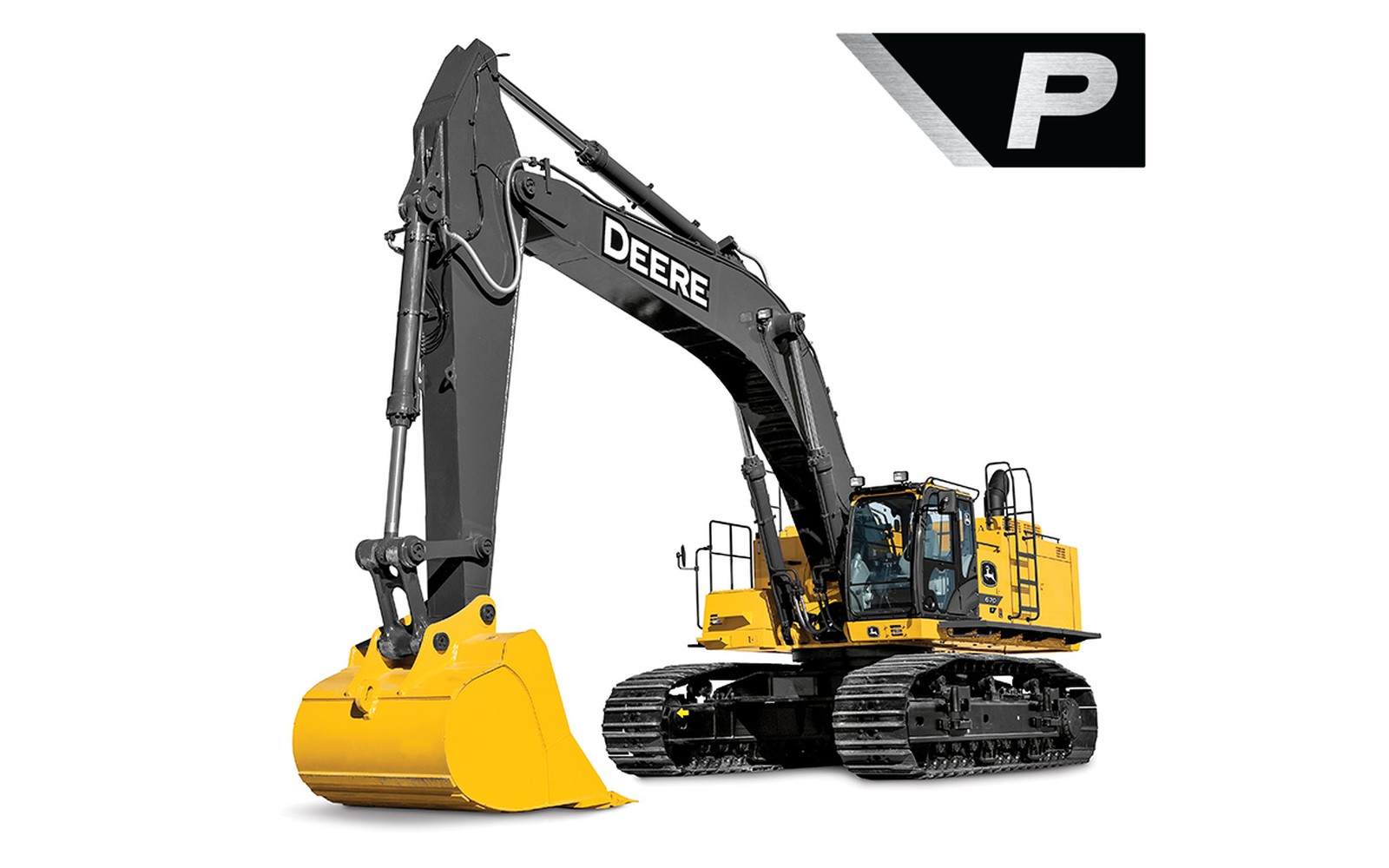
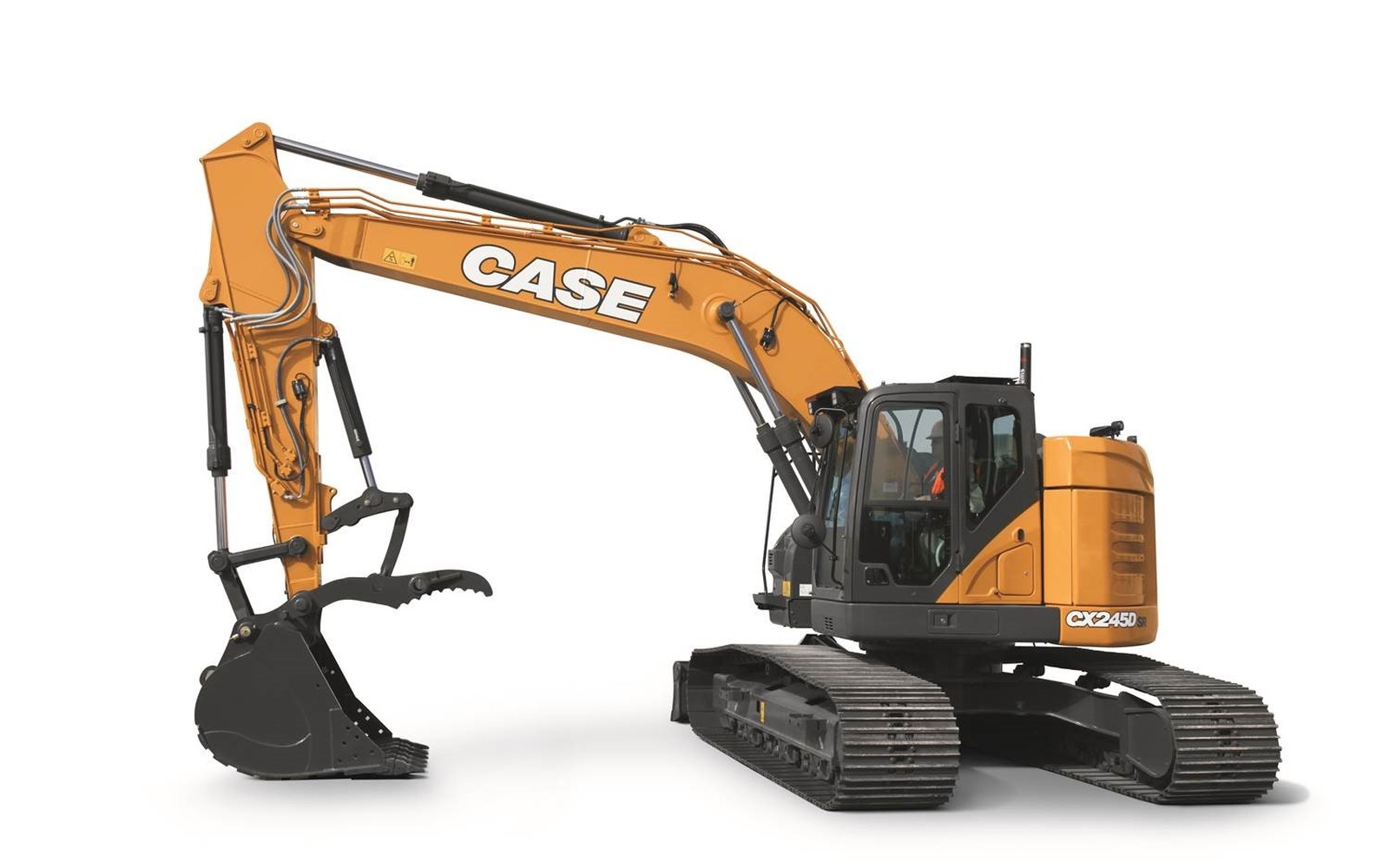
The best collateral for B/C programs is equipment that is widely used, easy to transport, has an established resale market, and is not so specialized that only one type of buyer would want it. A mid-size excavator from a major manufacturer fits that description well. A highly modified machine, an obscure brand, or equipment in questionable working condition is harder to get approved in a challenged-credit scenario because the collateral argument is weaker.
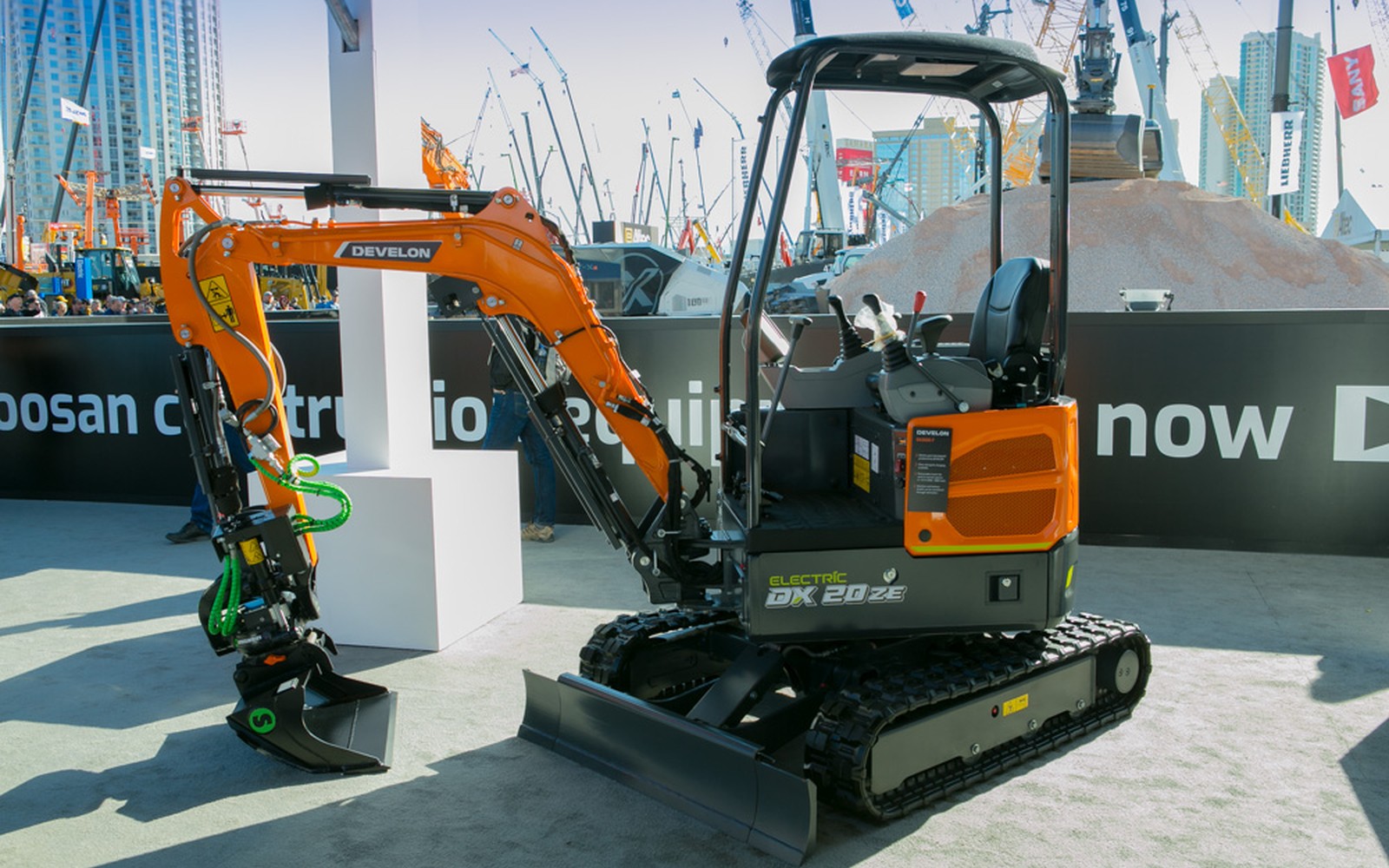
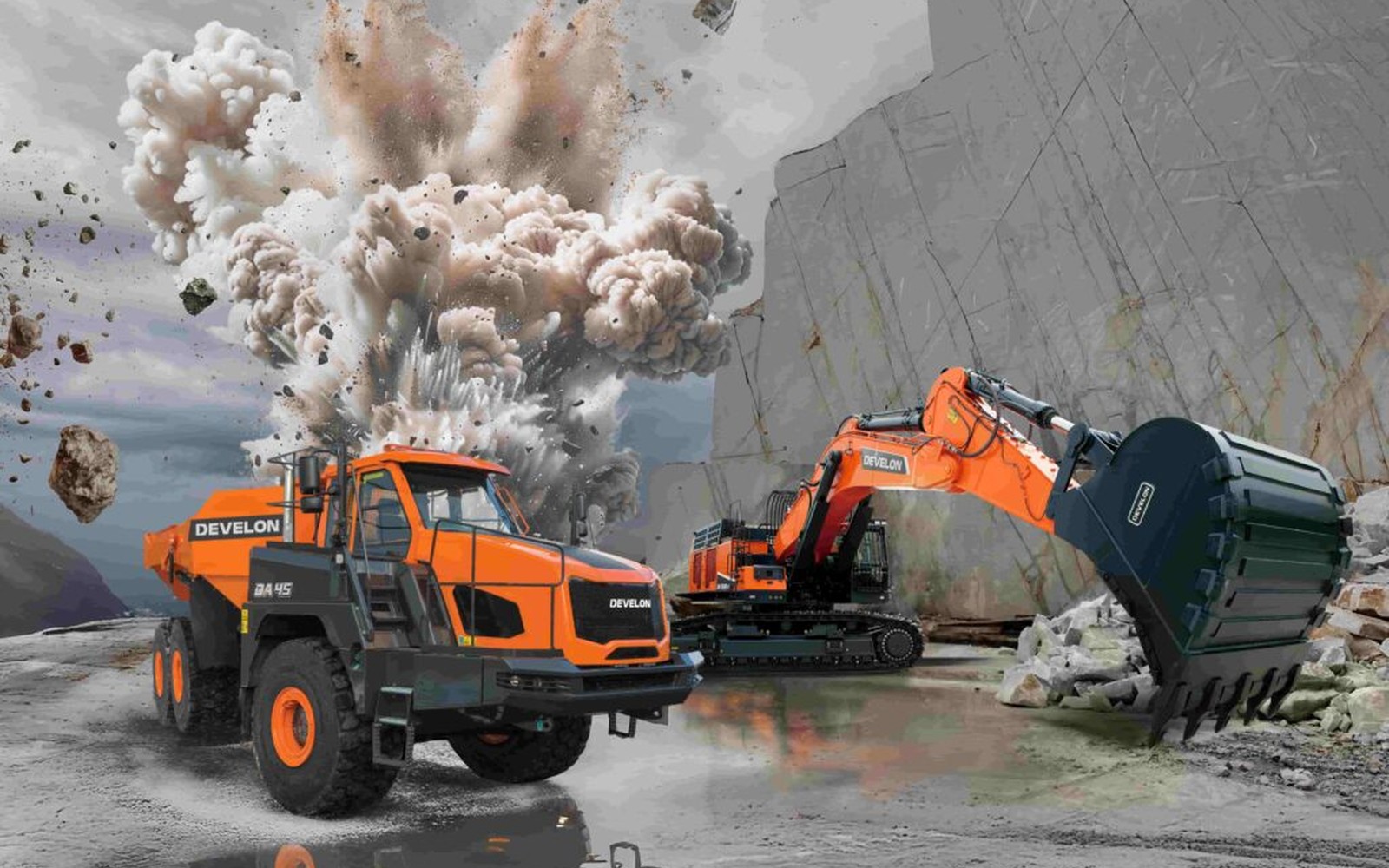
Age and hours matter more in B/C deals than in clean-credit transactions. Lenders want the machine to have genuine remaining useful life. A seven-year-old unit from CASE or DEVELON with documented hours and reasonable condition is fundable in many B/C programs. A machine pushing 15 years with unverifiable history is a harder sell regardless of credit quality.
Documents That Help a B/C Application
For a borrower with credit challenges, the supporting documents do extra work. Bank statements showing consistent incoming deposits from business activity tell a stronger story than the credit file. Six months of statements is even better than three if the recent trend is positive. If you have explanation letters for specific derogatory items (a dispute, a single slow period, a business closure that you have separated your personal finances from), include them. Lenders who work B/C deals read those letters.
A signed contract from a current or upcoming job reinforces the case that the machine will be working. Contracts with general contractors, municipalities, or utilities, even if they are new relationships, show that the business has revenue-generating work, not just an intent to work.
The down payment is often the single most powerful tool in a challenged-credit deal. Getting to 25 or 30 percent down changes the lender's risk exposure enough that deals which would otherwise not pencil can close. If you can do it, it is worth doing.
Building Toward Better Terms Over Time
B/C financing is a step, not a permanent address. Make 18 to 24 months of clean payments on a B/C equipment loan, maintain clean bank activity, and resolve any outstanding collections or judgments, and you will refinance into better terms. We have seen contractors move from a 20 percent down B/C deal to a conventional loan with 10 percent down within two years. The B/C loan built the bridge.
Some contractors also use a Sale-Leaseback on equipment they already own to raise a down payment large enough to put a clean-credit look on a subsequent purchase. Pulling equity from owned iron to fund a healthier deal on new iron is a legitimate capital strategy. A contractor running a backhoe loader they own free and clear can leaseback that asset, generate the cash for a larger down payment on a full-size excavator, and enter that larger deal on materially better terms than a B/C deal with minimal down.
The path forward is practical: pay clean, build the record, and refinance when the door opens.
Straightforward Assessment, No Runaround
Tell us about the machine and give us an honest picture of your credit situation. We will tell you what programs are available and what the real terms look like. No wasted time, no promises we cannot keep. Minimum $50,000. Apply and find out where you stand.