
New Orleans is a city that perpetually rebuilds, maintains, and expands its infrastructure against a challenging physical backdrop. A metro built below sea level on deltaic sediment has to work constantly to keep its drainage systems, levees, and subsurface utilities functional, and that work keeps excavating contractors employed year-round in ways that standard construction markets do not. Add the Port of New Orleans and Port NOLA's continued expansion, the petrochemical corridor along the river parishes, and the ongoing recovery and resilience investment in the metro, and New Orleans is a market with a different kind of depth. We finance excavators and heavy earthmoving equipment for Greater New Orleans operators, starting at $50,000, with most volume at $100,000 to $150,000 and above, and approvals in about one to two weeks.
New Orleans Construction: Drainage, Port, and Energy
The Sewerage and Water Board of New Orleans runs one of the most complex urban drainage systems in the country, and the periodic capital work on that system generates substantial underground excavation and pipe installation contracts. The Army Corps of Engineers' Hurricane and Storm Damage Risk Reduction System (HSDRRS) around the New Orleans metro requires ongoing inspection, maintenance, and improvement, creating a sustained pipeline for heavy-equipment operators who can work alongside levee and floodwall infrastructure.
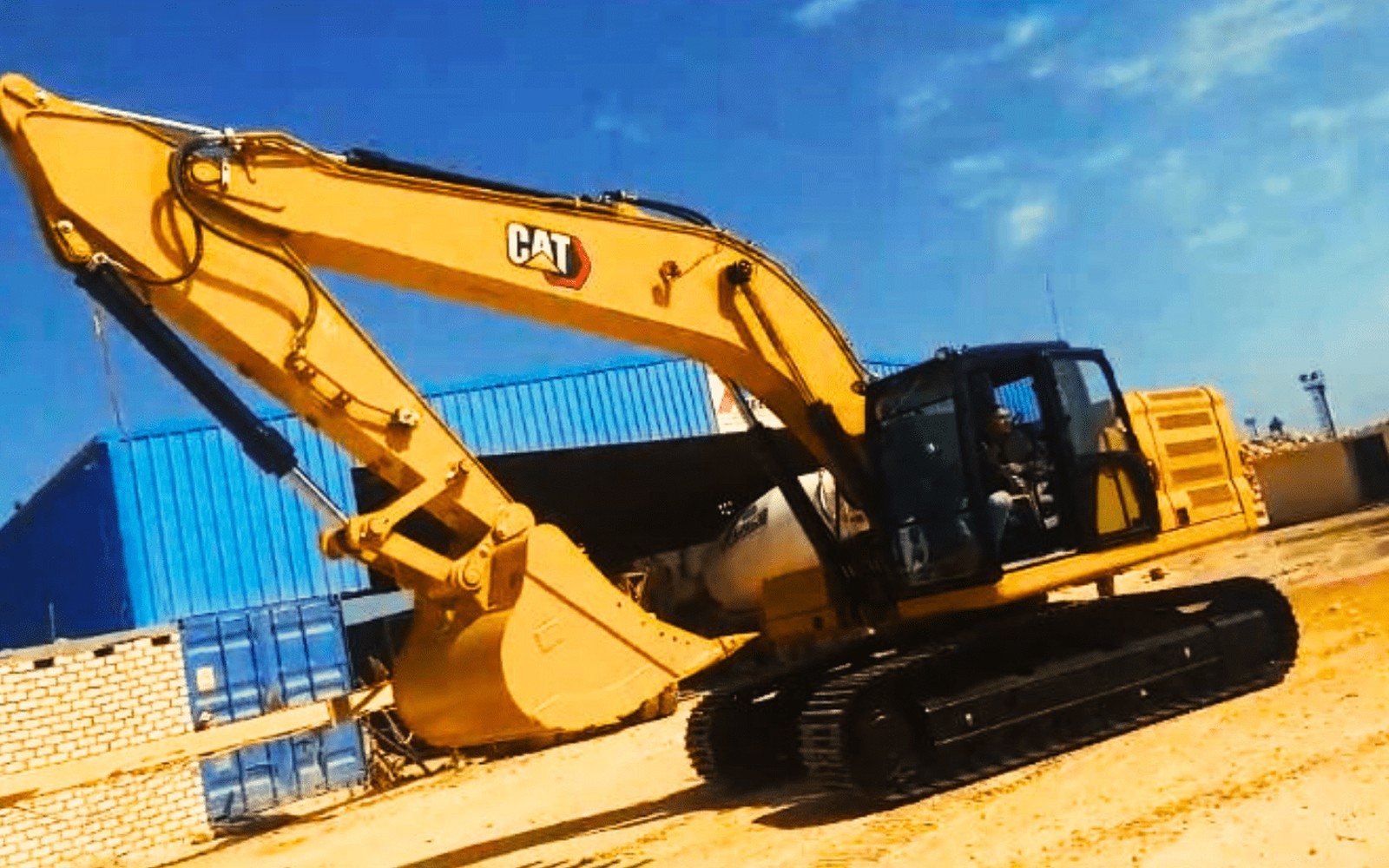
Port NOLA's ongoing terminal expansions and improvements in the Lower Ninth Ward and Violet Canal areas generate large-scale grading and utility work. The chemical and refinery corridor in the River Parishes upstream from New Orleans adds pipeline, tank-farm, and access-road work for energy site contractors. For all of these markets, long-reach excavators and standard excavators with wetland-capable track configurations are the tools of choice.
Equipment That Works in South Louisiana Conditions
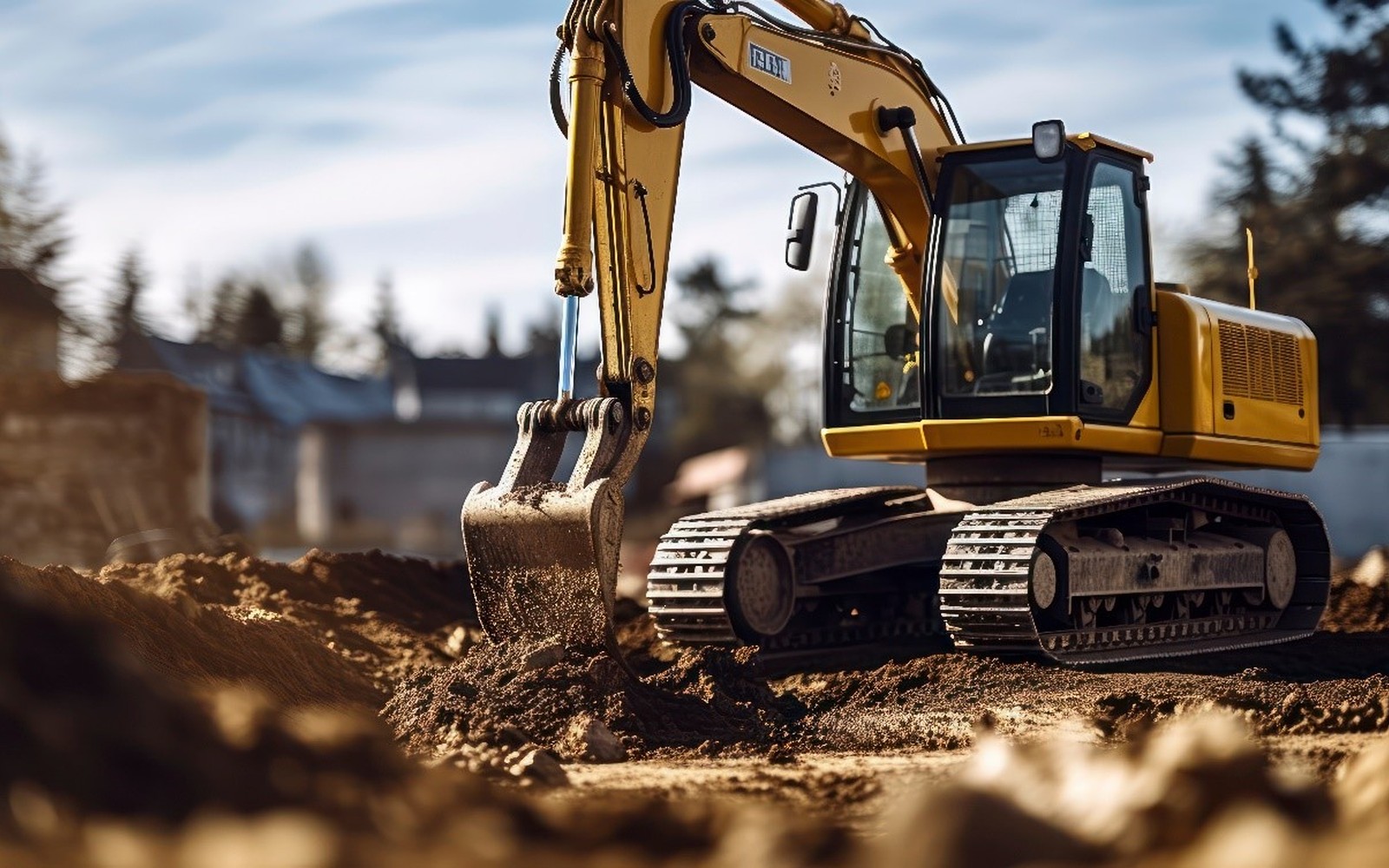
Deltaic and near-shore construction in South Louisiana demands machines configured for soft, wet, and often unstable ground conditions. Wide track shoes, low ground pressure configurations, and amphibious excavator pontoon systems are all used in the Louisiana coastal construction market. For standard urban excavation in New Orleans, conventional tracked machines work well on the prepared base material, but operators who take contracts in the surrounding parishes need machines that can handle saturated soils without bogging.
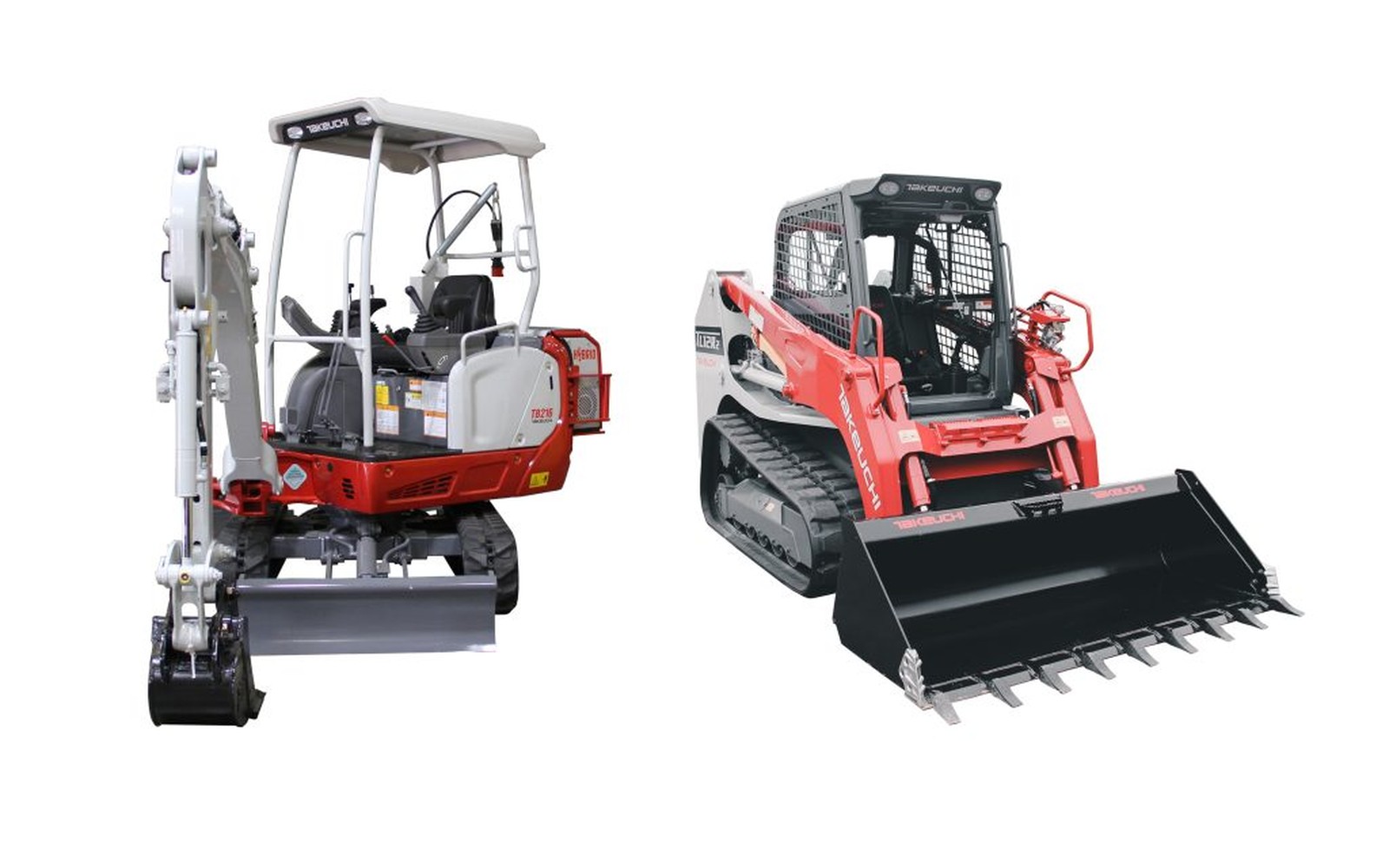
Dredge-pump attachments and clamshell buckets extend excavator utility in the drainage and waterway maintenance contracts common in this market. Compact track loaders with low-ground-pressure tracks handle the urban site-cleanup work in the dense New Orleans street grid where larger machines cannot maneuver. We finance all machine types and can bundle specialized attachments into the same financing package.
Equipment Financing for New Orleans Operators
Credit application and three months of business bank statements are the core documents. Application-only review handles most deals up to roughly $400,000. Decisions come in days, and funding follows in about a week to two weeks after confirming the equipment.
An equipment loan is the standard path to ownership at payoff. An equipment lease makes sense for operators who prefer flexibility or who face a shorter specific project timeline. For operators who own iron outright, a Sale-Leaseback converts that equity into working capital while the machine keeps working. New Orleans contractors with paid-off heavy equipment are in a strong position for this structure given the city's high ongoing infrastructure demand.
Credit and Qualification in Louisiana
We evaluate the full picture: time in business, revenue trend, and the machine's collateral value. Louisiana's construction market has its own rhythms, and operators here sometimes have bank statements that reflect the concentrated nature of post-storm and infrastructure-funding cycles. That context is part of how we read the file. Established contractors with two or more years of operating history are standard approvals. Operators with B/C credit have options through our B/C credit program. Newer businesses can pursue our startup financing program with supporting documentation.
Who We Work With Across the New Orleans Metro
Underground and drainage contractors running pipe installation on city-awarded projects and Army Corps-backed flood-control work. Port-adjacent site contractors handling grading and utility work tied to terminal improvements along the river. Excavating contractors doing foundation and utility work behind the residential recovery and new construction in Gentilly, New Orleans East, and the West Bank communities. Operators working the River Parishes chemical corridor on industrial site-prep, access-road, and trench work.
The minimum deal size is $50,000 and the sweet spot is $100,000 to $150,000 and above. Both smaller single-machine operators and firms running four or five machines have a path here. What anchors the deal is the business's recent cash activity and the machine's market value as collateral. In New Orleans, where infrastructure demand is structural and not cyclical, both of those factors tend to hold up well.
Site development contractors handling the residential rebuild on the eastern edge of the metro also fall squarely within our programs. That market has been absorbing new investment steadily, and contractors with steady project flow and two-plus years of history can typically move through our process cleanly.