
When the basin is running, site work for oil and gas moves at a pace that most construction markets cannot match. A well pad that needs to be drilled in thirty days needs the dirt work done in ten. Contractors who can mobilize the right iron fast get the work; those waiting on equipment or financing sit out the active cycles. We finance the equipment oil and gas site work contractors need to stay in the game during active drilling phases, and we do it without the six-week approval process that misses the window entirely.
We work with contractors handling well pad construction, access road building, pipeline right-of-way clearing and grading, and midstream facility site preparation across all major US producing basins. New and used equipment qualify. Minimum $50,000, with most oil and gas site work deals running from $200,000 into the seven figures for larger fleet programs. Application-only approval to approximately $400,000 for strong credits.
Oil and Gas Site Work Market Reality
Oil and gas site work contracting is a cyclical business tied directly to commodity prices, basin activity levels, and producer capital budgets. Active basins like the Permian in West Texas, the Marcellus/Utica in Appalachia, the DJ Basin in Colorado, and the Eagle Ford in South Texas generate concentrated equipment demand when drilling activity is up. Contractors who are equipped and ready capture work during up-cycles; those who are not lose years of revenue opportunity.
The flip side is that equipment sitting idle during a down-cycle creates real cash flow stress. We are aware of that reality, and we do not pretend that oil and gas site work is a steady, month-to-month business. The financing structures we recommend account for variability.
For contractors serving multiple basins or diversifying into non-oil-and-gas site work during soft periods, the equipment mix often overlaps. A fleet of production excavators and dozers that works well pad construction in the Permian during active drilling also works pipeline, commercial site development, or other earthwork during quieter oil periods. That versatility matters when structuring long-term equipment finance deals.
Equipment Oil and Gas Site Work Contractors Finance
Oil and gas site work equipment covers several categories depending on the specific type of work:
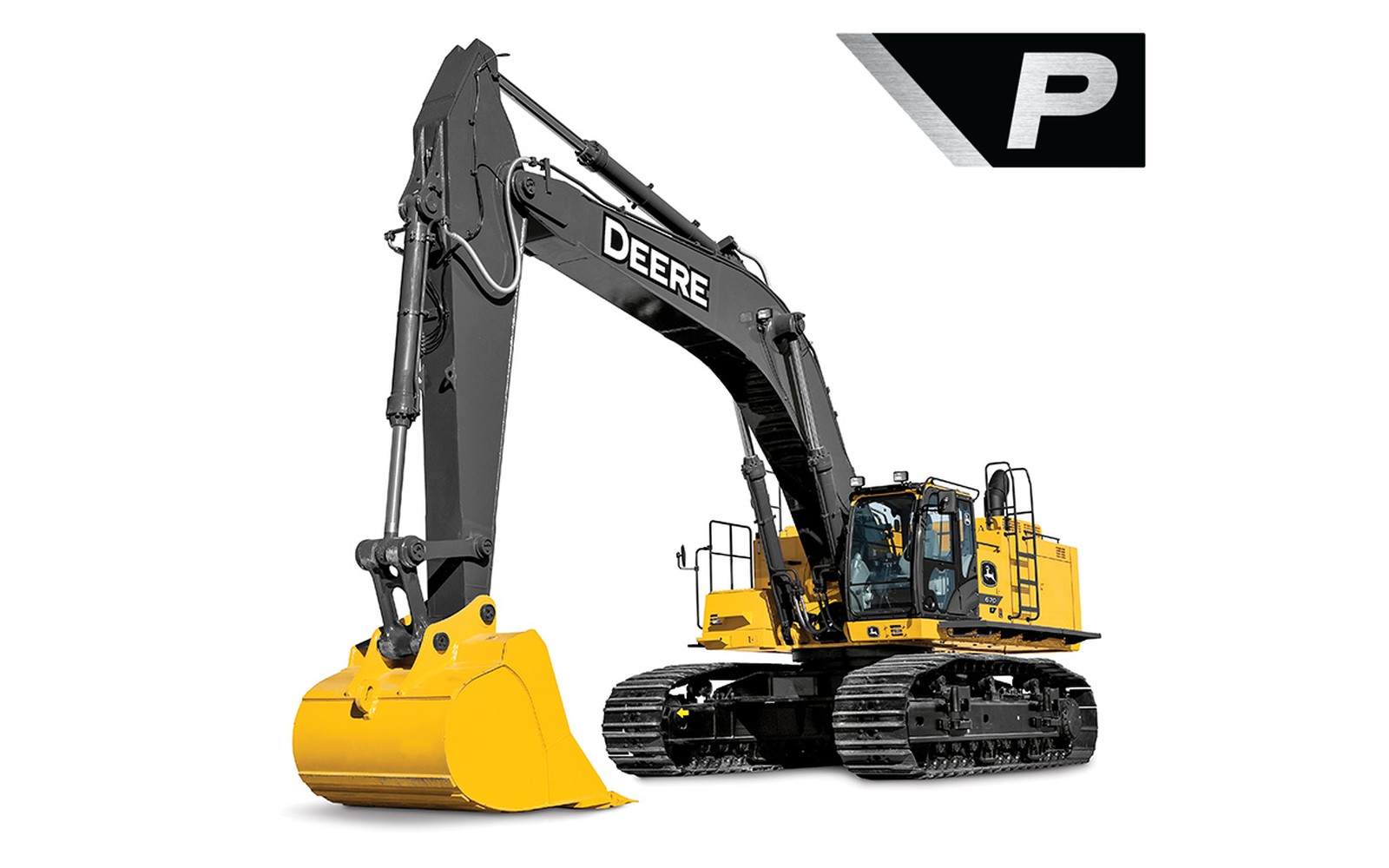
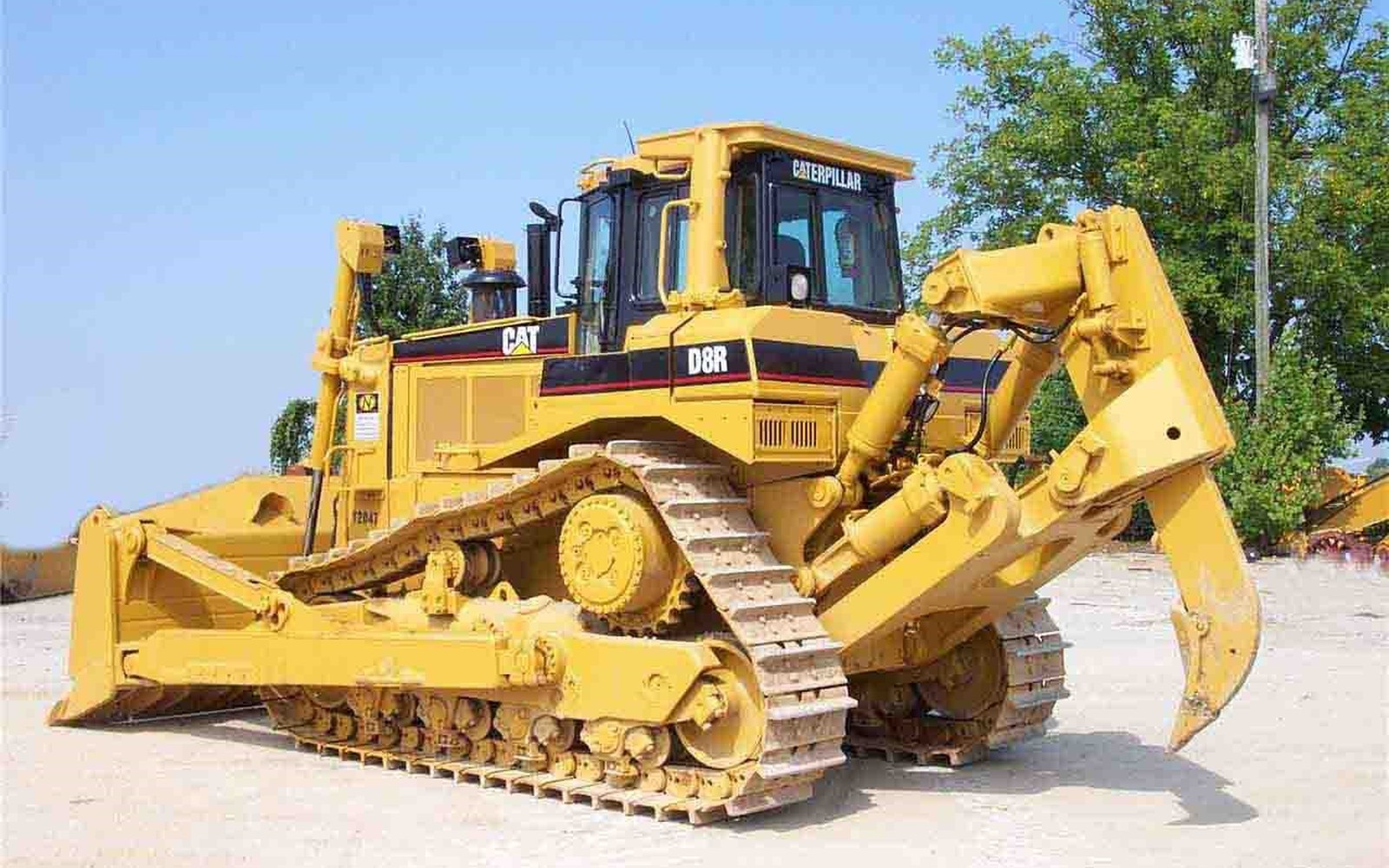
- Well pad construction: A production-class excavator and a large crawler dozer are the core equipment for well pad cut and fill work. The pad construction timeline is tight, so machines run extended hours during the build phase.
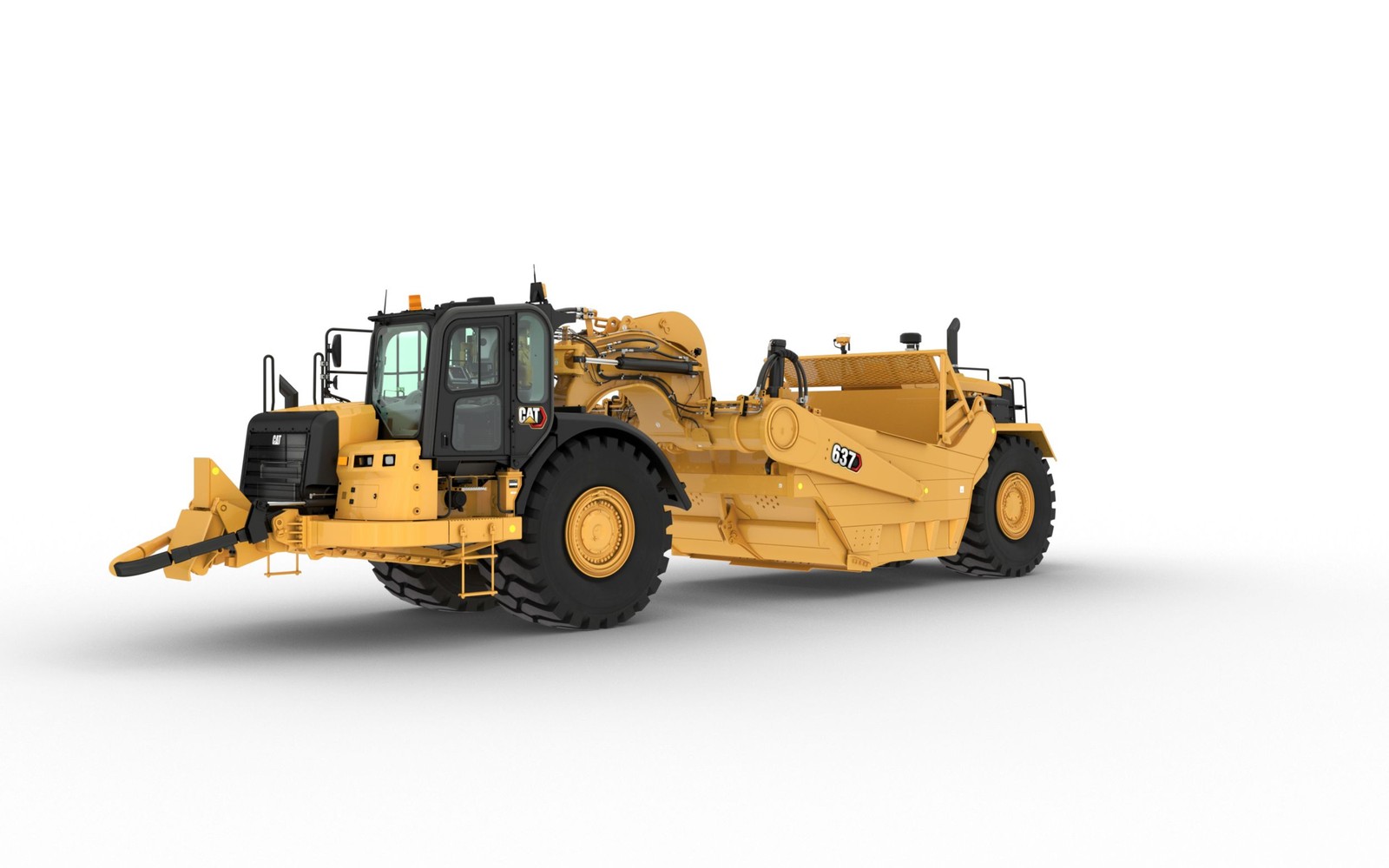
- Motor scrapers for large pad earthmoving: On flat terrain with large pads, a motor scraper is the most efficient tool for moving large yardage quickly. The Permian Basin's relatively flat terrain makes scrapers especially effective for well pad and facility grading.
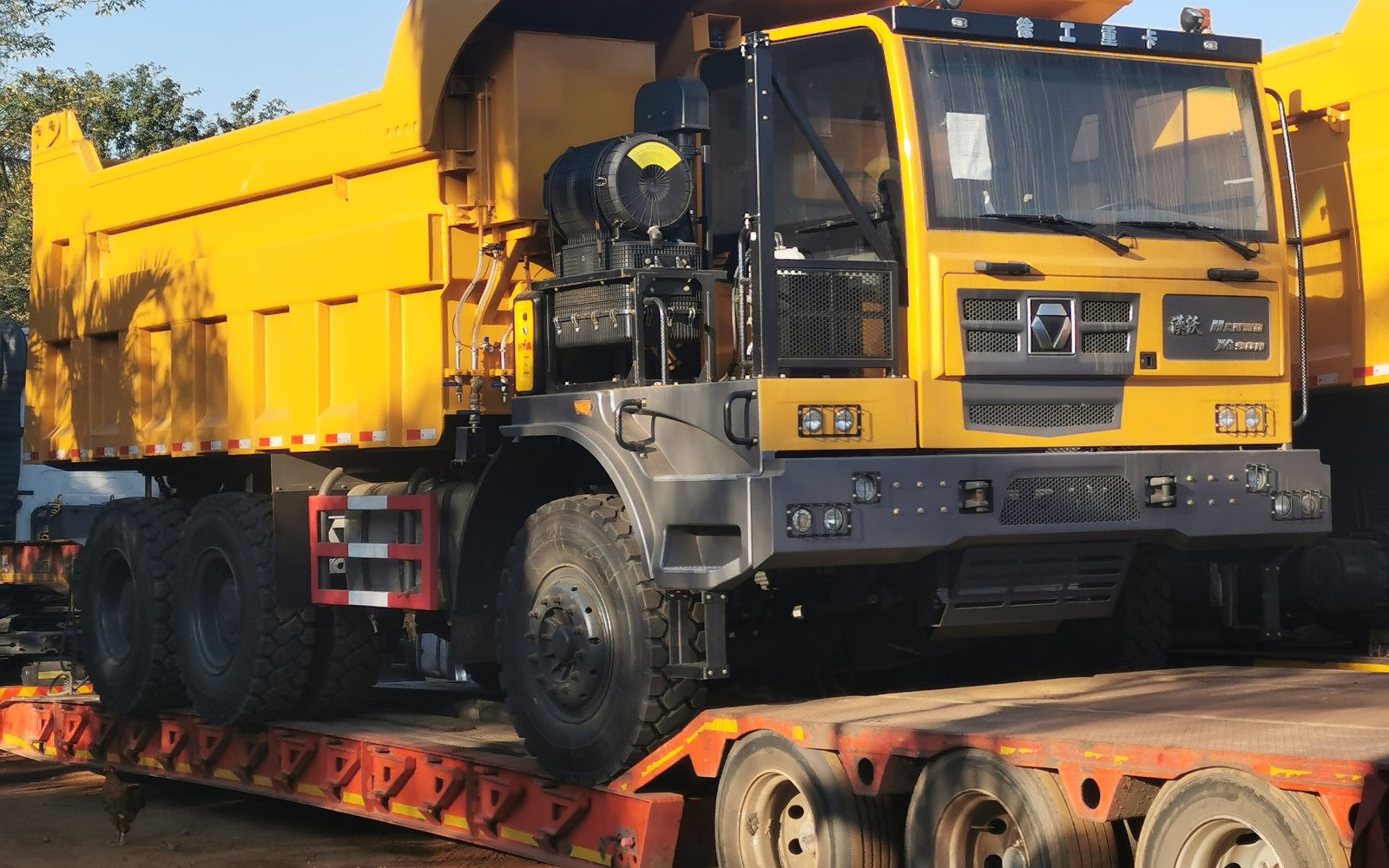
- Articulated dump trucks for tight sites: A articulated dump truck handles material movement on rough or muddy oil field roads where a highway dump truck cannot operate safely.
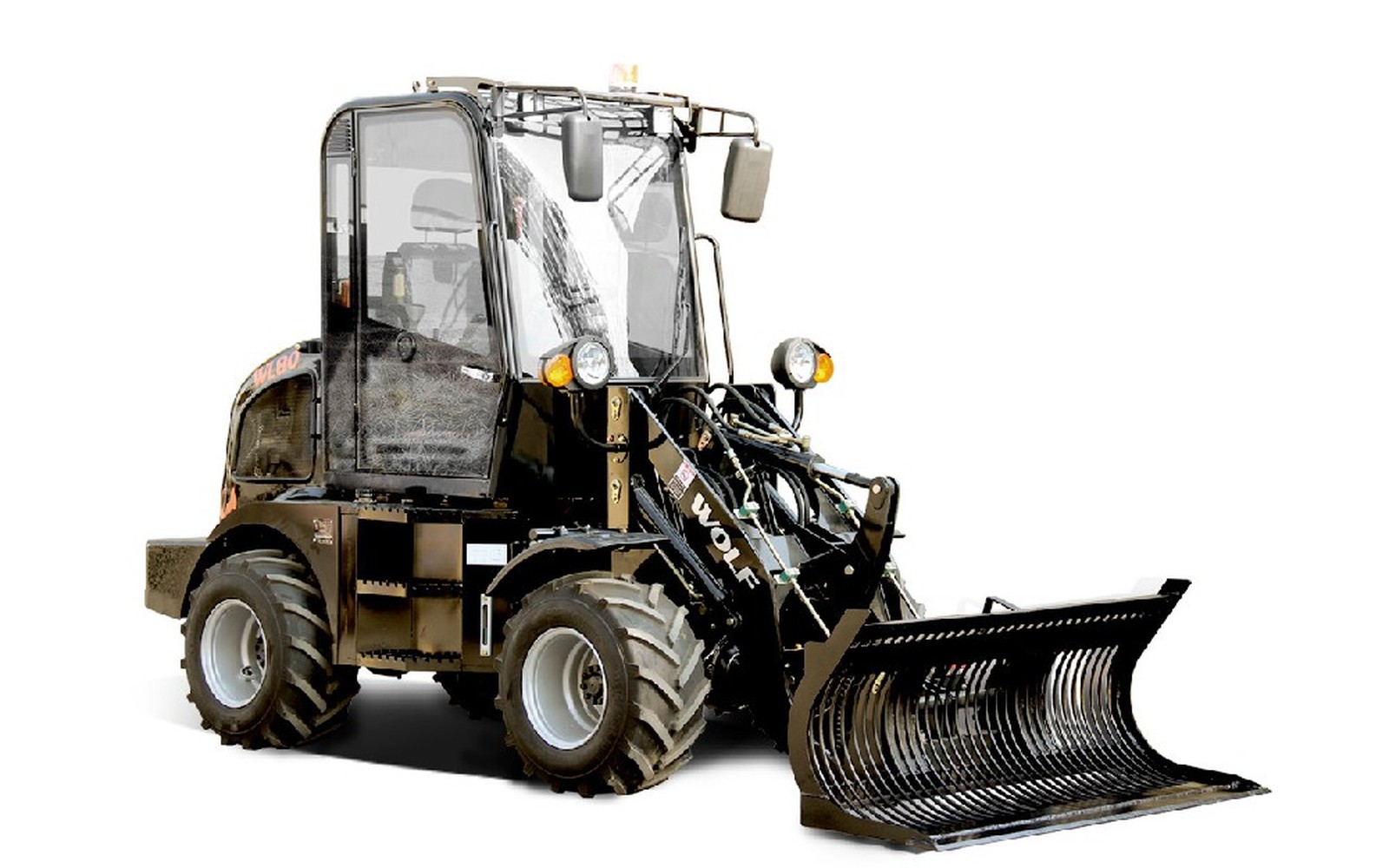
- Wheel loaders for material staging: A wheel loader handles caliche and gravel distribution on well pads and access roads, which is a continuous task during pad construction and an ongoing maintenance task afterward.
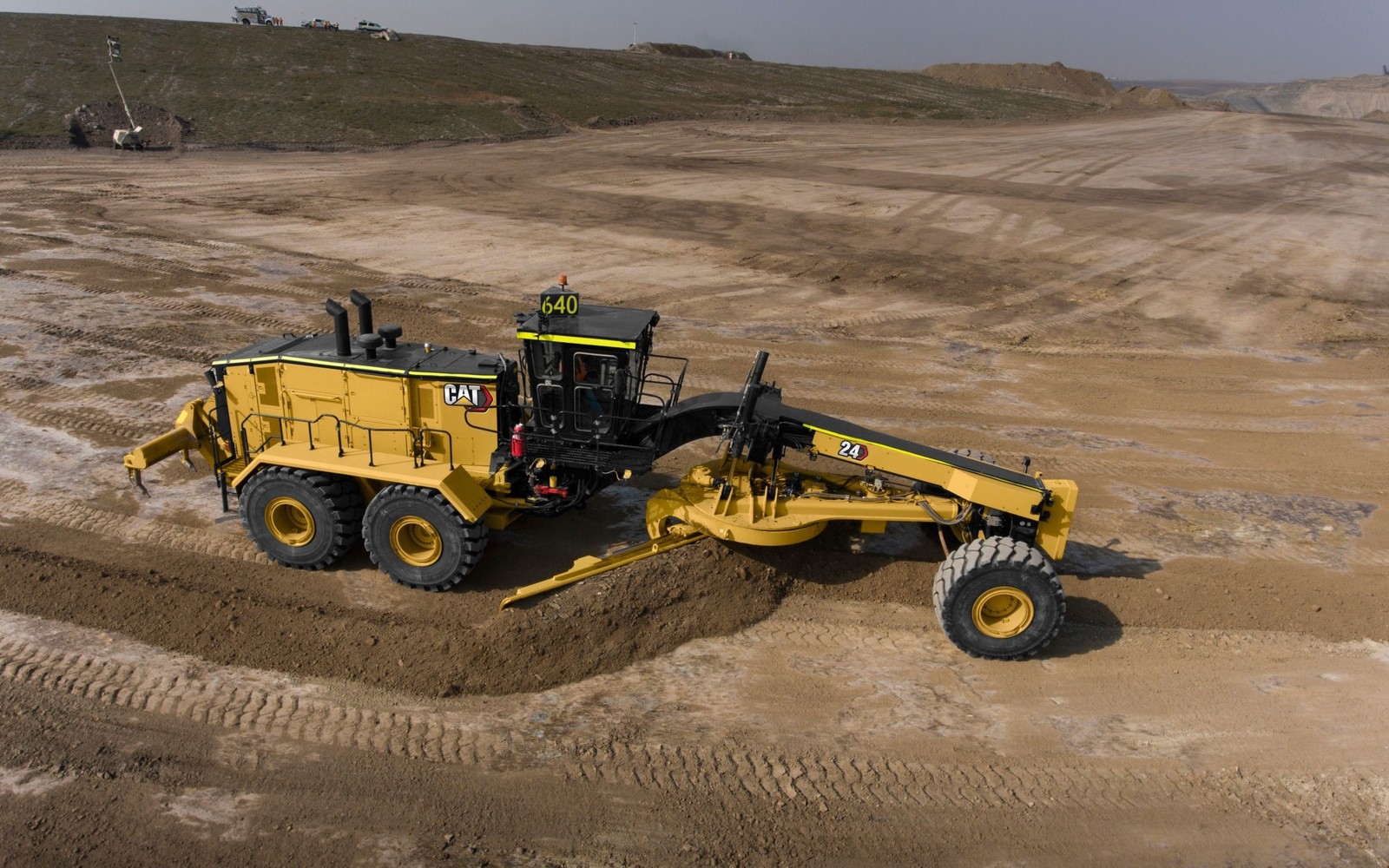
- Motor graders for road maintenance: Oil field access roads require ongoing grading to maintain trafficability for heavy loads. A motor grader on a maintenance contract is a steady revenue source for contractors who own one in an active basin.
Financing Approval for Oil and Gas Site Work Contractors
Oil and gas site work contractors often have revenue patterns that reflect the sector: strong periods of high activity followed by stretches of lower utilization. Lenders who are not familiar with the business see this as instability; those who work in the oilfield sector understand it as normal. We work with specialty lenders who know the difference.
What we look at:
- Three months of current business bank statements, ideally covering a period that includes some active work to show revenue capability
- Business entity records and operating history (two or more years in business is the standard threshold)
- Equipment quote or purchase agreement
- For larger transactions: business tax returns for the most recent one to two years
Active contracts or purchase orders from oil and gas operators or midstream companies help the underwriting case significantly. The creditworthiness of the oil company issuing the work order reflects on the contractor's ability to service the debt.
B and C credit programs are available. Contractors who have had a difficult down-cycle year are not automatically disqualified if the current situation and equipment value support the deal.
Using Existing Equipment Equity in Oil Field Work
Oil and gas site work contractors who own paid-off equipment have a real asset they can leverage during down cycles or between active phases. A Sale-Leaseback on a paid-off excavator or dozer generates operating capital without sending the machine away or disrupting ongoing work.
Contractors who financed equipment during an active period at a rate that now looks high can sometimes benefit from equipment refinancing. Extending the term or reducing the rate lowers the monthly obligation, which helps cover the machine's cost of ownership during a slower basin period.
Contractors in active basins like the Permian, where equipment values have been strong, often find that their paid-off or low-lien iron carries more equity than they realize. We help quantify that before deciding whether a sale-leaseback makes sense.
Finance Your Oil and Gas Site Work Equipment
Excavators, dozers, scrapers, graders, or a full oilfield site work package. Tell us what the basin needs and we will put financing options in front of you fast. Submit your request and get terms within one business day. When the basin is running, slow money loses the bid.