
Going out on your own is the move. You have been running an operator's seat for years, you know the work, and you have contacts who will give you the first couple of bids. The only piece left is the machine. Startup financing exists specifically for this moment, for contractors who have the experience and the opportunity but have not yet built the business credit file that makes traditional lenders comfortable.
The challenge for new businesses is that most commercial lenders want to see 24 months of operating history and tax returns showing business income. A company formed eight months ago does not have that. The programs we use for startups underwrite differently, leaning on personal credit, industry experience, and the quality of the equipment as collateral rather than requiring an established business track record. The machine has to be right, your personal credit has to be reasonable, and you need some skin in the game. That combination can close deals for contractors who would otherwise get turned away.
What Startup Lenders Actually Look At
Startup equipment financing is underwritten on a different model than established-business loans. Without years of business financials, lenders lean on three other factors:
- Personal credit. For a startup, the owner's personal credit is the business credit. A score above 680 significantly improves your options. Scores in the 650 to 680 range are possible with compensating factors; below 650 is a steep climb for a brand-new business.
- Industry experience. A lender is more comfortable financing a machine for someone who has run one professionally for ten years than for someone with no industry background at all. Experience in excavation, earthmoving, or related construction trades helps establish that you know how to run the business even if the entity is new.
- Down payment. A meaningful down payment reduces the lender's exposure and demonstrates your own financial commitment. For startup programs, 20 to 30 percent down is common, versus the 10 to 15 percent that an established business with strong credit might get away with.
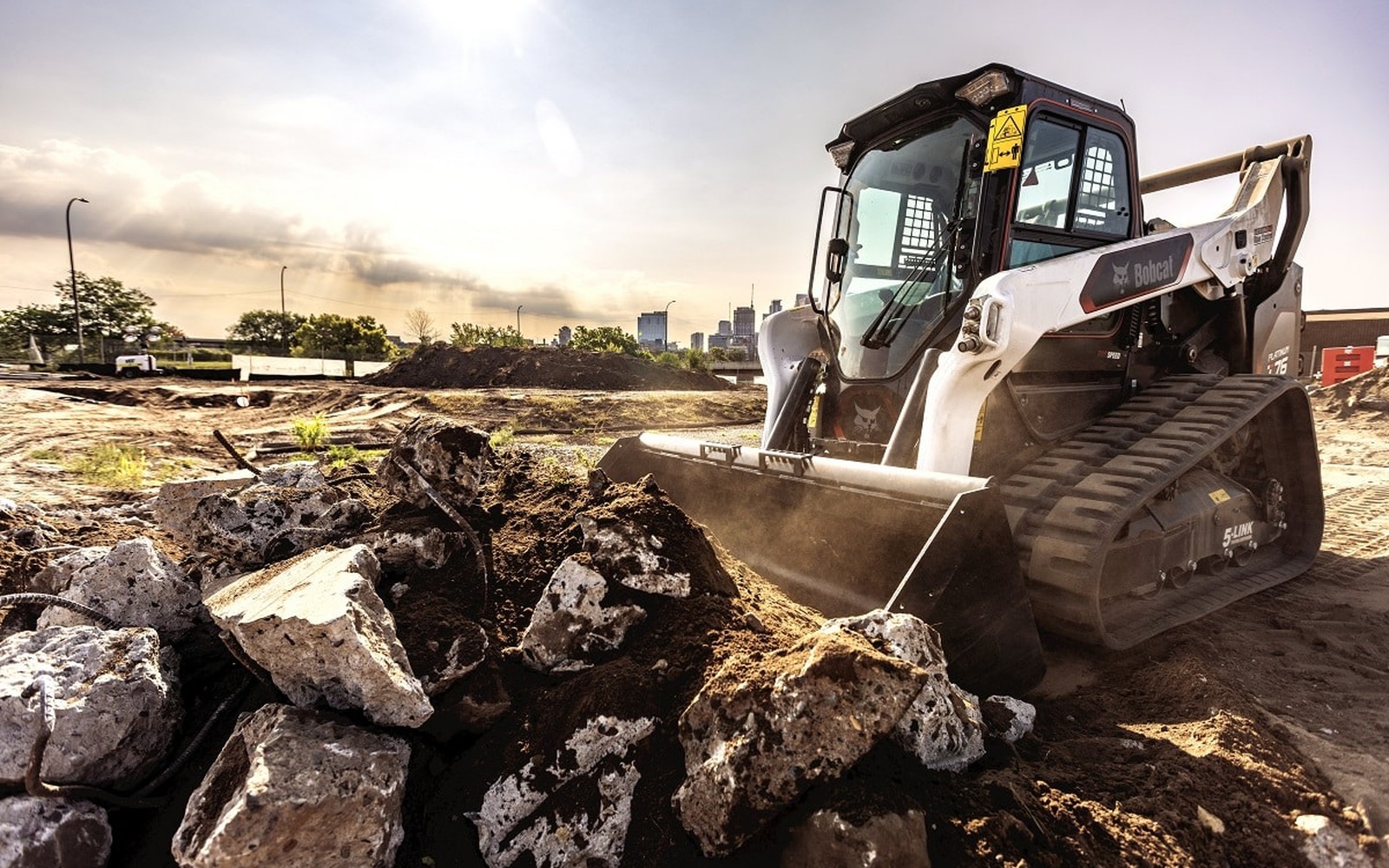
- Equipment quality. The machine needs to be the kind of equipment a lender can value and resell if the deal goes sideways. A well-known make like Kubota, Bobcat, or any of the major excavator manufacturers in good condition is a fundable collateral story. An obscure brand in questionable shape is harder.
Who This Program Fits
The ideal profile for startup equipment financing is a contractor who has been employed in the industry, has a reasonable personal credit history, and is starting a legitimate business with real work lined up. An operator moving from a large excavation company to their own LLC, or a site prep foreman launching their own operation, fits this profile well.
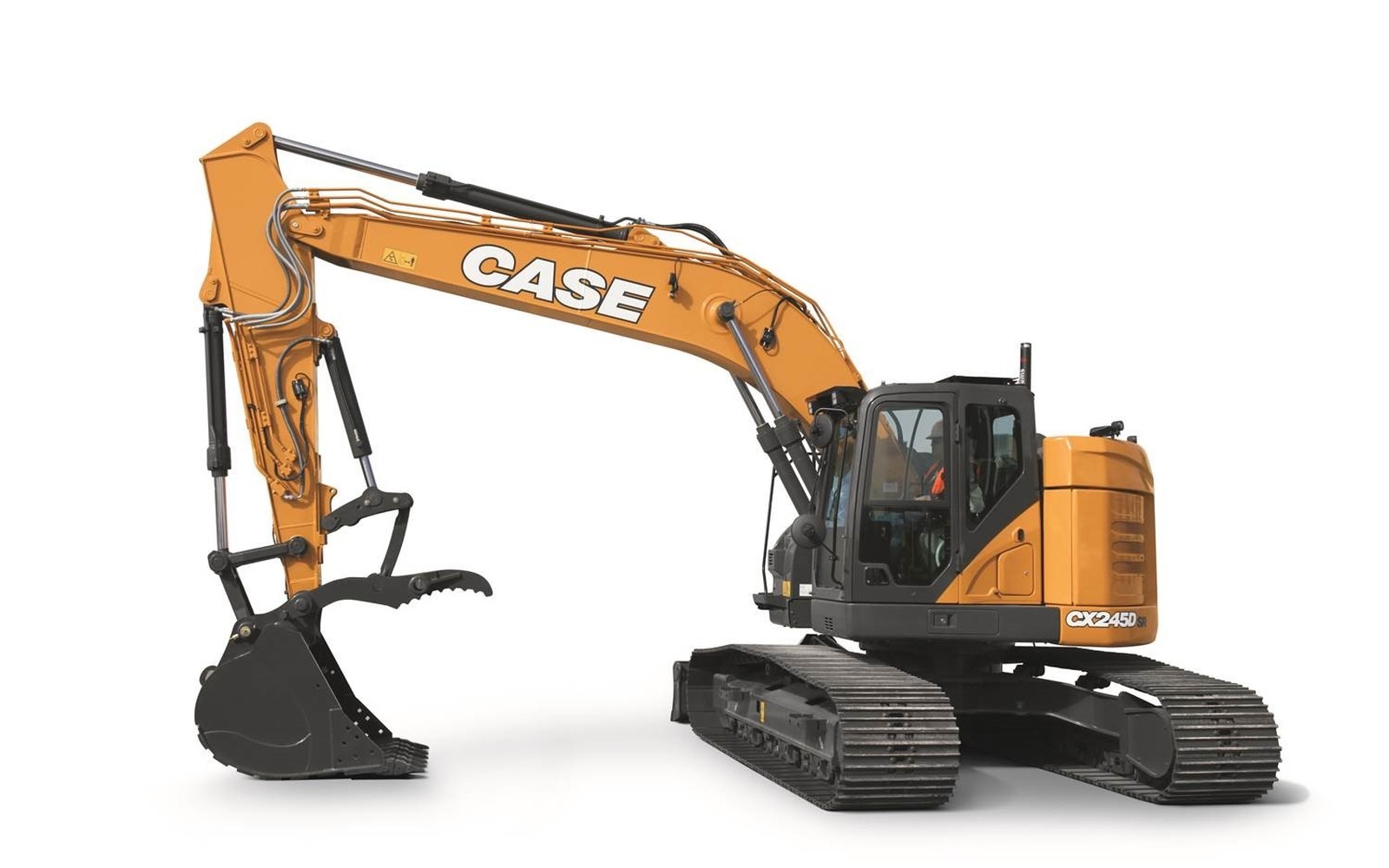
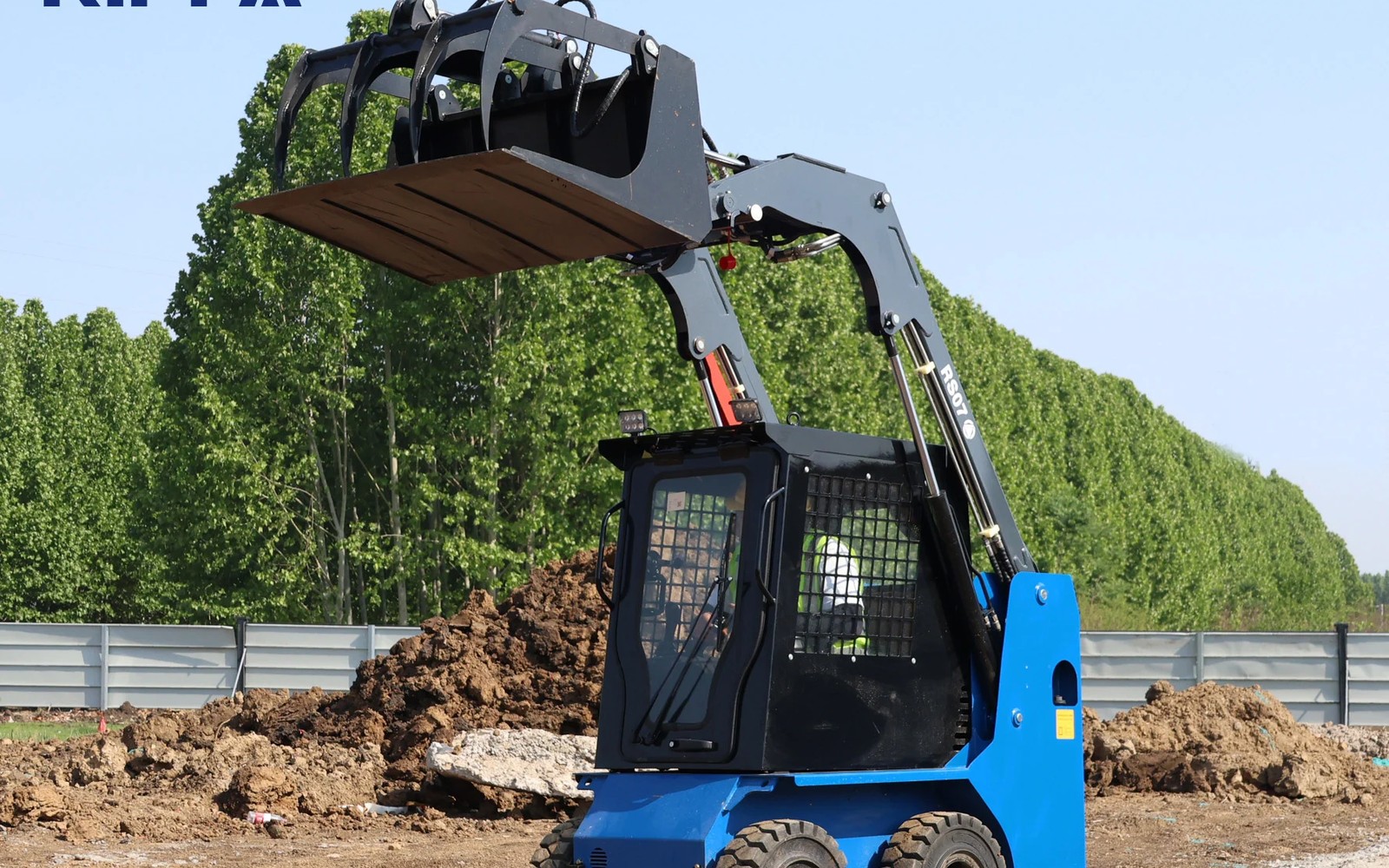
Excavating contractors starting their first company often build their initial fleet around one or two primary machines: a compact or mid-size excavator and maybe a skid steer. Financing one machine at a time keeps the monthly obligation manageable while the business builds its own payment history.
This is also the right path for operators entering specialty niches like septic and drainage work or landscaping and hardscape, where the startup investment is more modest and the customer base can be built quickly through referrals. A mini excavator or compact excavator deal running about $50k to $100k is often the best first application because it keeps the exposure manageable for both the borrower and the lender.
Documents for a Startup Application
Startup applications require more upfront documentation than application-only programs, but less than full-doc established business loans. Typical requirements include: a completed credit application, a personal financial statement, personal tax returns for the last two years (to show personal income history), bank statements (personal and any business account you have open), proof of business formation, and equipment details.
If you have a signed contract or letter of intent from a client who is waiting on your machine to start work, include that. It does not guarantee approval, but it demonstrates that the business has real traction rather than being a speculative startup. Lenders who focus on equipment understand that cash flow in construction starts with signed agreements, not with months of operation.
Building Toward Conventional Financing
Startup financing often comes with slightly higher rates and a larger required down payment compared to what an established business gets. That is the price of building a track record. The strategy is to use the startup loan responsibly, make every payment on time, and in 18 to 24 months refinance into a conventional equipment loan at better terms now that the business has its own credit history.
We have worked with many contractors who started with a startup loan on a single machine and within three years were financing a multi-unit fleet at conventional rates. The first loan is a bridge, not a permanent condition.
Start Your Business With the Right Machine
Tell us where you are: industry background, personal credit range, down payment available, and the machine you are targeting. We will tell you honestly what is feasible and what terms look like. Minimum $50,000. New businesses welcome.