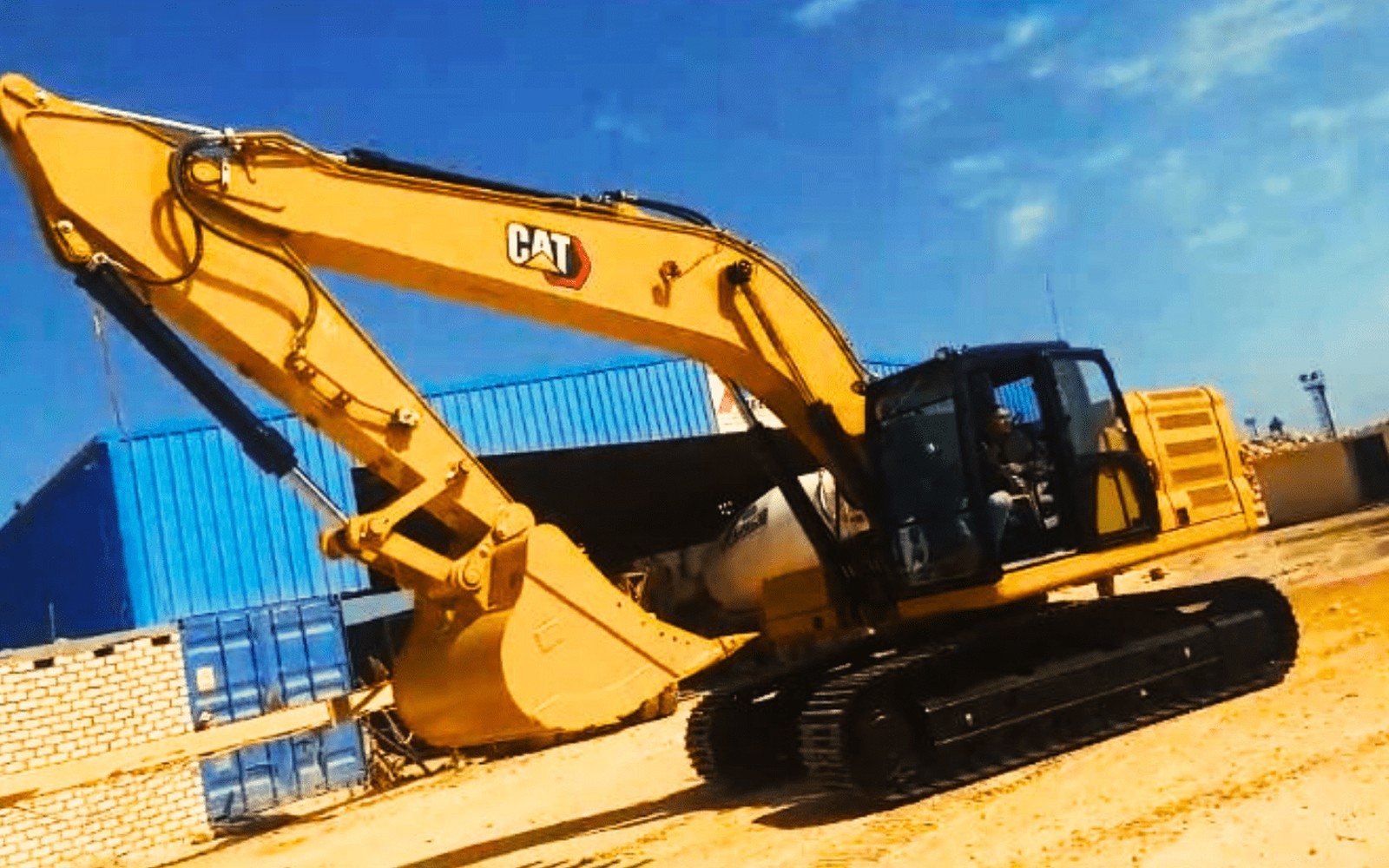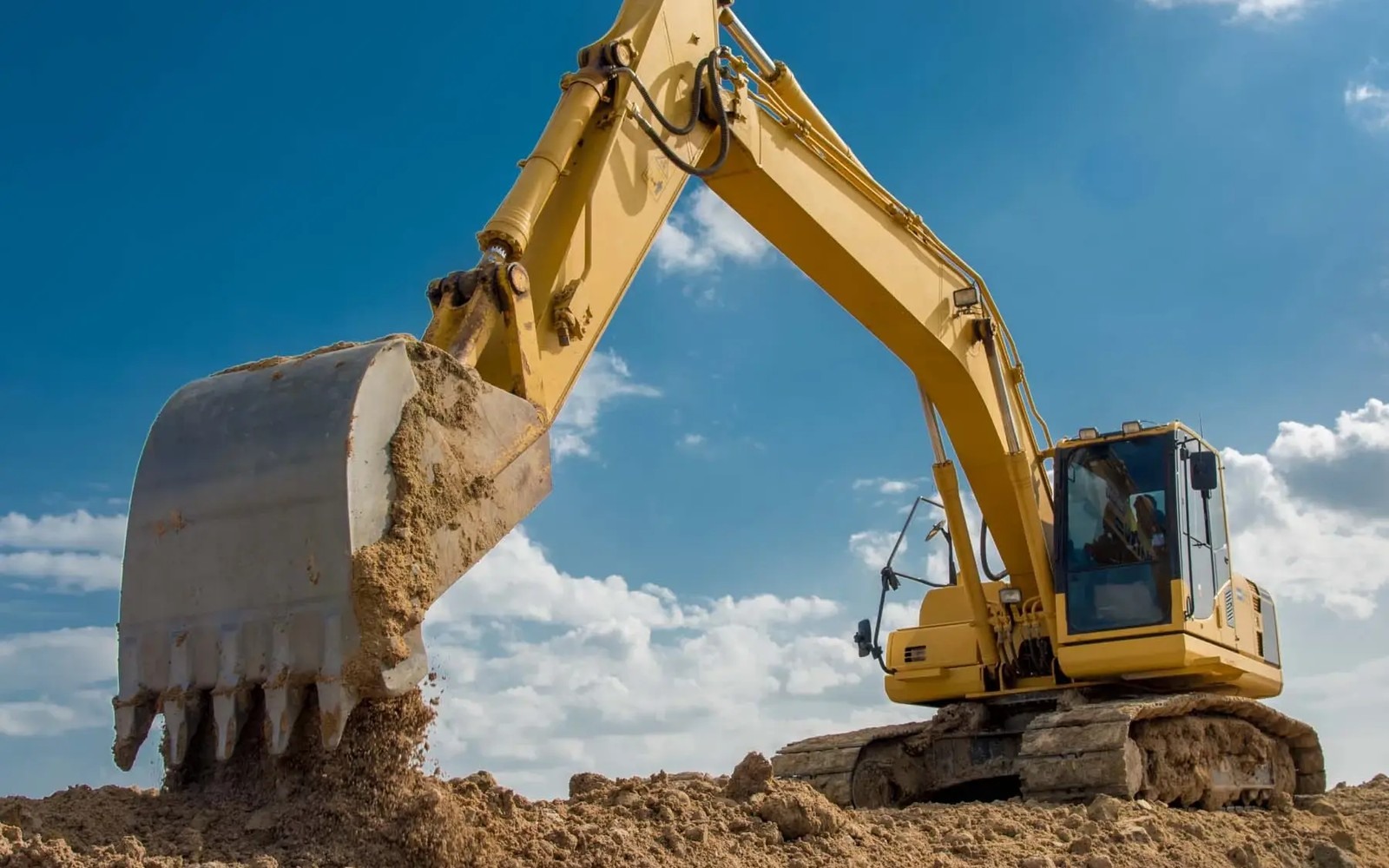

You bid the job assuming the machine is in the yard. A CAT 320 is the excavator that actually earns that assumption, and we are here to put financing behind it fast so your schedule stays intact. The 320 has been the benchmark 20-ton excavator for decades, running across site development, utility work, commercial foundations, and every category of dirt work where contractors need a reliable mid-size machine with serious hydraulic muscle. At 20 metric tons operating weight and roughly 148 net horsepower, it digs efficiently, moves well across grade, and handles a wide range of bucket and attachment configurations without complaint.
We work with excavating contractors, site developers, and earthwork companies who want straightforward financing on new and used 320s. Minimum deal size is $50,000, with the sweet spot sitting between $100,000 and $150,000 and up. Application-only up to roughly $400,000, three months bank statements for larger transactions, and funding typically in one to two weeks.
What the CAT 320 Actually Does on the Job
The 320 is a workhorse in the most literal sense. It carries an operating weight in the 44,000-to-47,000-pound range depending on configuration, pairs well with buckets from 0.73 to 1.19 cubic meters, and delivers enough reach and breakout force for production digging on commercial site work, trench excavation for utility and pipeline contractors, and rough grading on subdivision development. The Next Generation 320 introduced Cat's new operator station with a 10-inch touchscreen, improved cab comfort, and grade-assist technology that reduces cycle times on repetitive digging tasks.
Used 320s from the earlier G and F series remain plentiful on the auction market and hold their value well. A clean mid-hour G-series machine typically sits in the $80,000-to-$130,000 range depending on undercarriage life and attachment package, which puts them squarely in our application-only tier. We finance both new and used 320s, including auction and private-party purchases.
- Operating weight: approximately 44,000-47,000 lbs depending on spec
- Net power: roughly 148 hp (110 kW) on current generation
- Max digging depth: approximately 22 feet on standard arm
- Hydraulic flow supports thumbs, breakers, and multi-processors
How the Financing Process Works
Submit your application and machine details and we review it quickly, typically same day or next business day. For deals up to roughly $400,000 the credit decision rests largely on the application itself: business entity, time in business, and credit history. Larger transactions pull three months of bank statements to verify cash flow against the proposed payment.
Once approved, we structure terms to fit the work the machine does. A machine running steady hours on multi-year contracts supports a longer term and lower monthly payment. A machine picked up for a specific project may fit a shorter note. We offer equipment loans where you build equity in the machine from day one, and equipment leases including fair market value and dollar-buyout options depending on whether you want the flexibility to trade up or the certainty of outright ownership at end of term.
Sale-leaseback is available on machines you already own, which can free working capital without selling the machine outright. If you already carry a note on a 320, equipment refinancing can restructure the terms or reduce the payment if rates or your credit profile have improved.
New 320 vs. Used: What Changes in the Financing
New 320s command a higher sticker, and the financing reflects that. A new Next Gen 320 with a standard bucket and general-purpose arm is typically in the $240,000-to-$270,000 range depending on dealer and configuration. That puts it well above the application-only threshold, so we will want bank statements to support the deal. The benefit is a full factory warranty, current technology, and the longest productive life in front of you.
Used 320s are the volume play in our book. A clean F- or G-series machine with documented service history and solid undercarriage percentage funds on the application, closes faster, and leaves less capital tied up in the asset. Contractors working with grading and earthwork contractors as subs often pick up a second 320 used to keep bidding flexibility without straining the balance sheet. We also handle auction and private-party financing so you can buy from IronPlanet, Ritchie Bros., or a direct seller and still close with a conventional lender note rather than paying cash.
Credit and Documentation
B and C credit is considered. We work with contractors who have had a rough year, are newer in business, or carry some derogatory history. The machine is real collateral with a real secondary market, and that matters in how we underwrite. Startups and newer businesses can look at startup equipment financing programs that accept less business history.
Standard documentation for a mid-size 320 deal: completed one-page application, machine details (year, model, serial if available), and a few months of business bank statements for deals above $100,000. For application-only deals under roughly $400,000, you often fund without statements. We do not require tax returns on most transactions at this size range, which speeds the close significantly for contractors who have complex business structures or whose returns do not fully reflect actual cash flow.