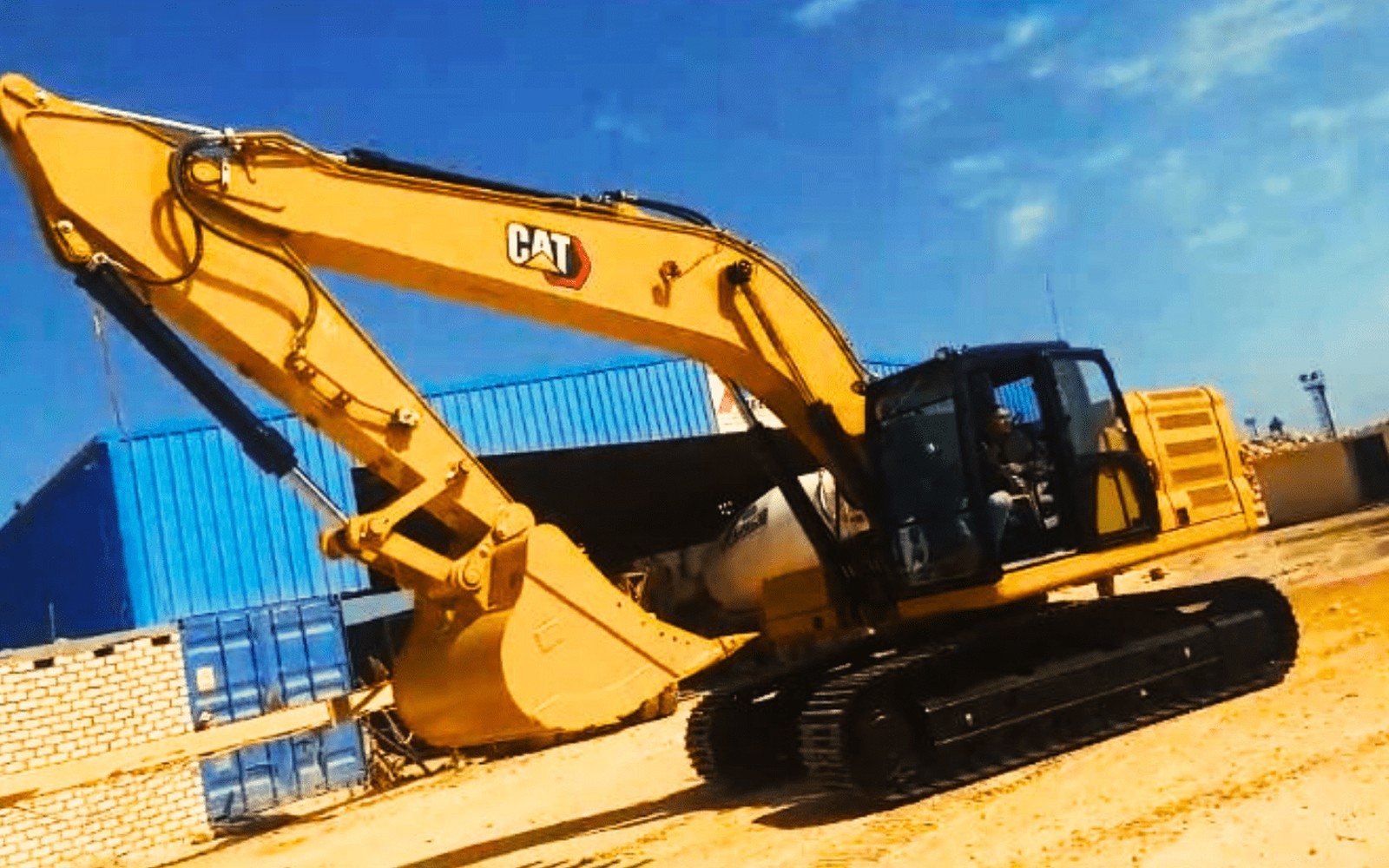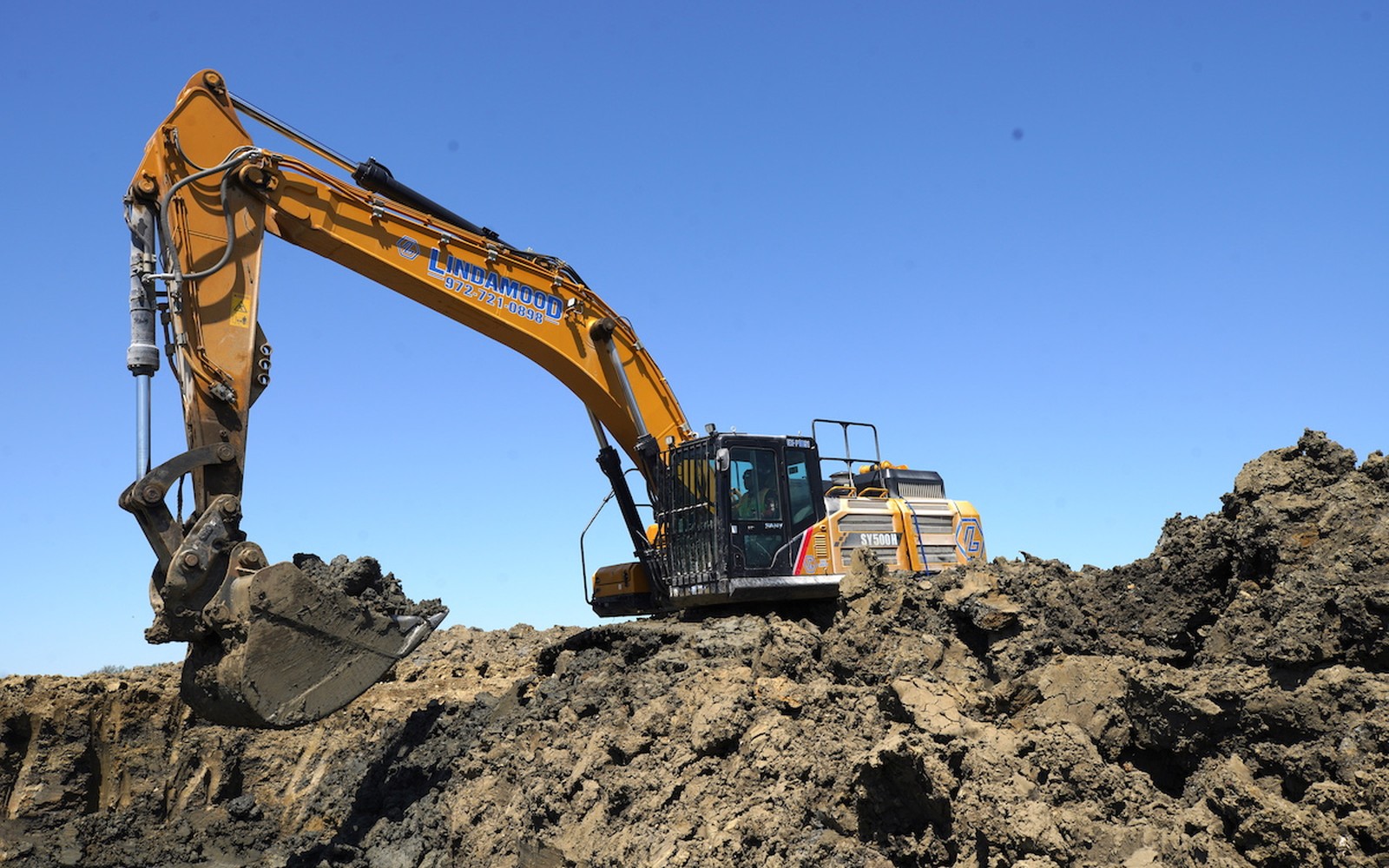

Bonus depreciation lets you write off a large percentage of qualifying equipment in the year you place it in service, front-loading the tax benefit rather than stretching it across the normal five-to-seven year depreciation schedule. For a contractor financing a $300,000 excavator, front-loading that deduction changes the cash flow math considerably in year one, even while the monthly payments continue over the full loan term.
The percentage available under bonus depreciation has changed over recent years and continues to phase down under current law. Your CPA is the right person to confirm the exact figure for the tax year you are buying in. What does not change is the underlying benefit: financed equipment you place in service qualifies for the same first-year deduction as equipment you paid cash for.
Bonus Depreciation and Equipment Loans
Bonus depreciation is a tax election, not a financing product. The financing is the loan or lease you use to acquire the machine. The tax treatment is a separate decision you make on your return. The two interact because financed equipment qualifies for bonus depreciation the same way cash-purchased equipment does, as long as the machine is considered purchased for tax purposes.
Ownership structure matters. A standard equipment loan where you hold title gives you clear ownership, and bonus depreciation applies straightforwardly. A dollar buyout lease is typically treated as a purchase for tax purposes as well. A true operating lease, where the lessor retains ownership and economic risk, is different: the lessor claims depreciation, and the lessee deducts payments as rent. Confirm how your specific lease is classified before assuming you can claim bonus depreciation.
The combination of a competitive loan rate and a substantial bonus depreciation deduction can make the effective after-tax cost of a machine meaningfully lower than the sticker price suggests. Contractors who model this correctly, with help from a CPA, sometimes find that the year-one economics of a purchase are better than they initially assumed.
Bonus Depreciation Rules: What Has Changed
The Tax Cuts and Jobs Act of 2017 temporarily established 100 percent first-year bonus depreciation for qualifying property. That 100 percent rate applied to equipment placed in service in 2022 and began phasing down in 2023. Under the phase-down schedule established by current law, the percentage decreases each year. The exact applicable percentage for your purchase depends on when you place the machine in service.
Congress has periodically discussed extending or adjusting bonus depreciation rules, which means the law can change. Any strategy that relies heavily on a specific bonus depreciation percentage should be reviewed with a CPA who tracks current-year tax law, not just what was true a couple of years ago. What we can say with confidence is that first-year depreciation benefits of some meaningful size remain available for most equipment purchases, and they apply to financed machines the same as cash purchases.
Equipment that qualifies includes most tangible personal property with a recovery period of 20 years or less, which covers excavators, dozers, loaders, and virtually all the heavy earthmoving equipment our clients finance. Real property and certain other asset types are excluded.
Who Benefits Most From Bonus Depreciation Financing
The contractors who extract the most value from bonus depreciation are those with profitable businesses and a genuine need to reduce current-year tax liability. A business that closed a large project, received a significant final payment, and is now looking at a meaningful tax bill can use a year-end equipment purchase to shelter some of that income while simultaneously acquiring a machine they need.
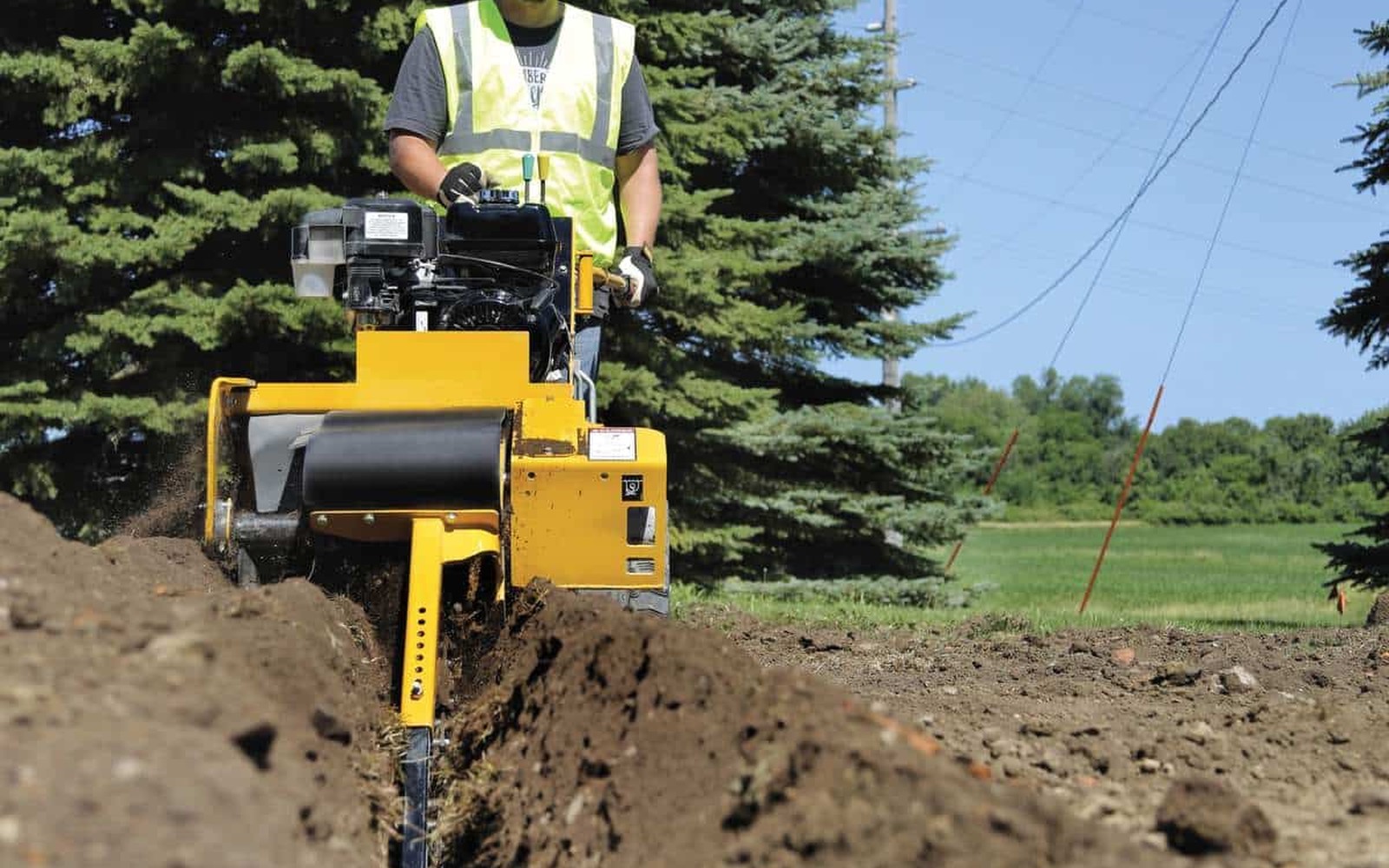
Excavating contractors scaling up their fleet, commercial construction firms adding specialized machinery, and utility contractors purchasing trenchers or other field equipment often time major purchases to coincide with strong income years specifically to capture this benefit.
It is less valuable for businesses in a loss position or very low income years. If your taxable income is near zero before the deduction, there is no tax liability to shelter. The deduction still carries forward, but the timing advantage is deferred to future profitable years.
Combining Bonus Depreciation With Section 179
Section 179 and bonus depreciation are often used together, and they stack in a specific order. Section 179 is applied first, up to its annual dollar limit. Bonus depreciation is then applied to the remaining basis. In years with 100 percent bonus depreciation (which applied through 2022), you could potentially deduct the entire cost of a machine in the first year using a combination of both. In years with a lower bonus rate, the combination still accelerates a large portion of the deduction into year one.
Our page on Section 179 financing covers that tool in more depth. If you are planning a significant purchase and want to understand both levers, talking to your accountant before you commit to timing or structure is worth the call.
Finance the Machine, Keep the Tax Benefit
Bonus depreciation rewards businesses that put iron in service before the year ends. If you have a purchase in mind and want to move before December 31, we can help you close in time. Minimum $50,000. Most applications get an initial answer within one business day.