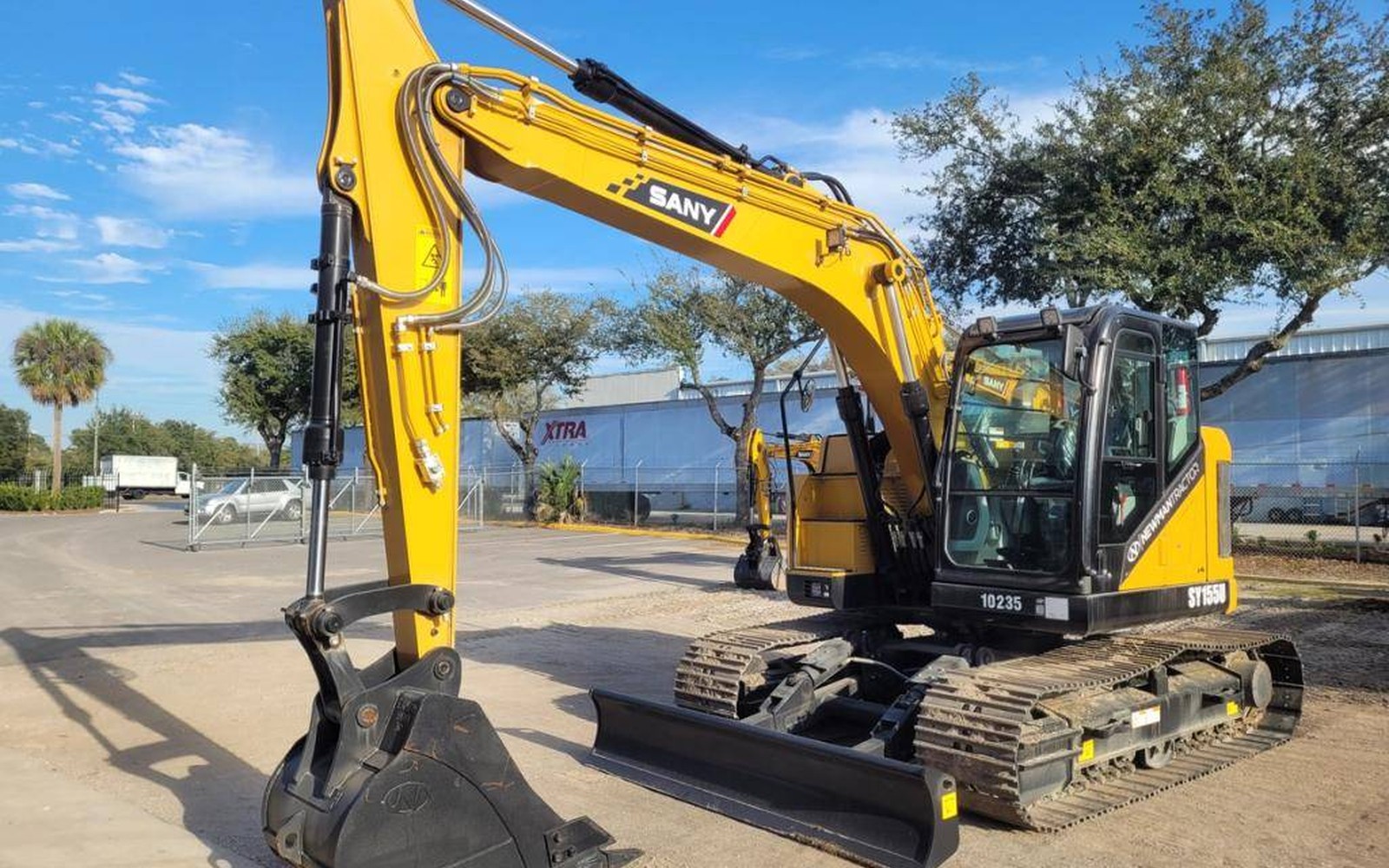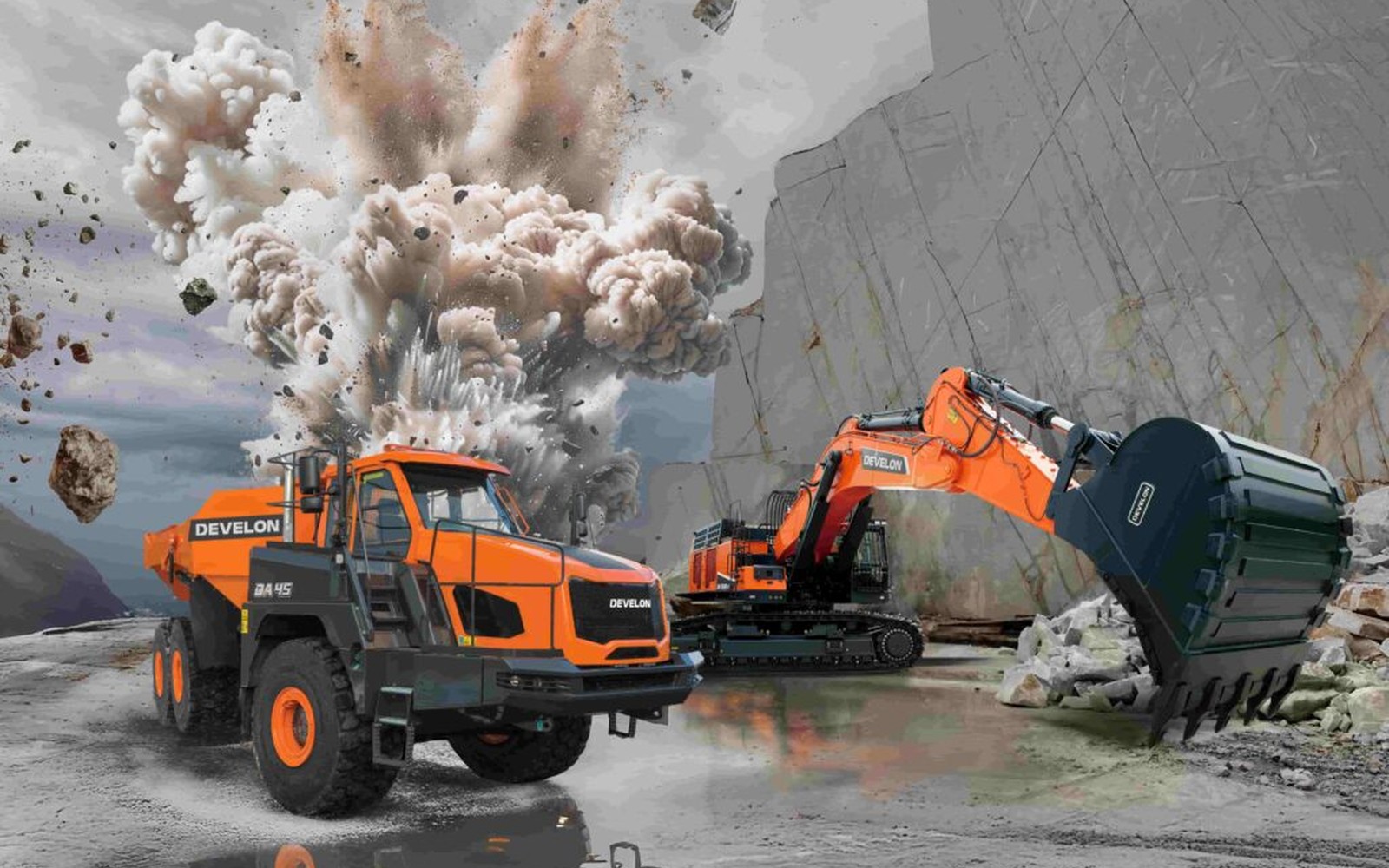

Farm and ranch earthwork is not construction work, but it requires the same iron. A farmer putting in a stock pond, an irrigated field producer leveling ground for surface irrigation, a rancher clearing brush and pushing a new road through a property, all of them need heavy equipment that performs in demanding conditions far from the nearest dealer. Financing that equipment, at terms designed for agricultural cash flow that comes in seasons rather than months, is a different conversation from financing a road contractor's fleet. We have that conversation regularly and we know how to structure deals that work on agricultural timelines.
We finance excavators, crawler dozers, motor scrapers, and support equipment for agricultural and ranch earthwork applications. New and used equipment qualify. Our minimum is $50,000, and most agricultural earthwork deals run from $100,000 to $400,000 for a productive machine or combination. Application-only approval available to approximately $400,000 for qualified credits.
Equipment Used in Agricultural and Ranch Earthwork
Agricultural earthwork covers a wide range of tasks across different production systems. Here is how equipment maps to common ag earthwork applications:
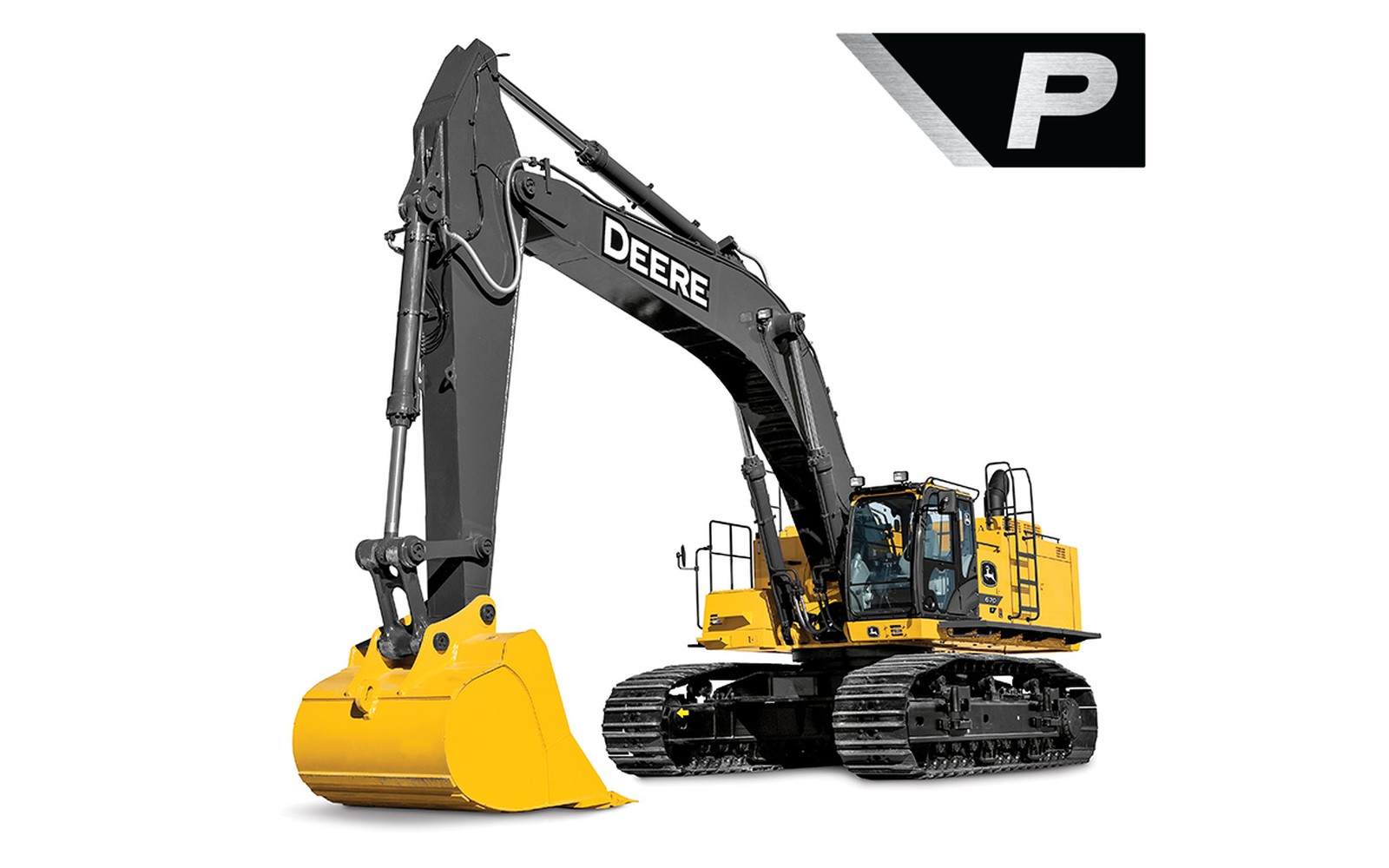
- Stock pond and reservoir excavation: A mid-size excavator in the 15-to-25 ton class handles most stock pond excavations. The machine cuts the dam, excavates the basin, and shapes the spillway. Caterpillar 320 and Komatsu PC210 class machines are common choices in this work.
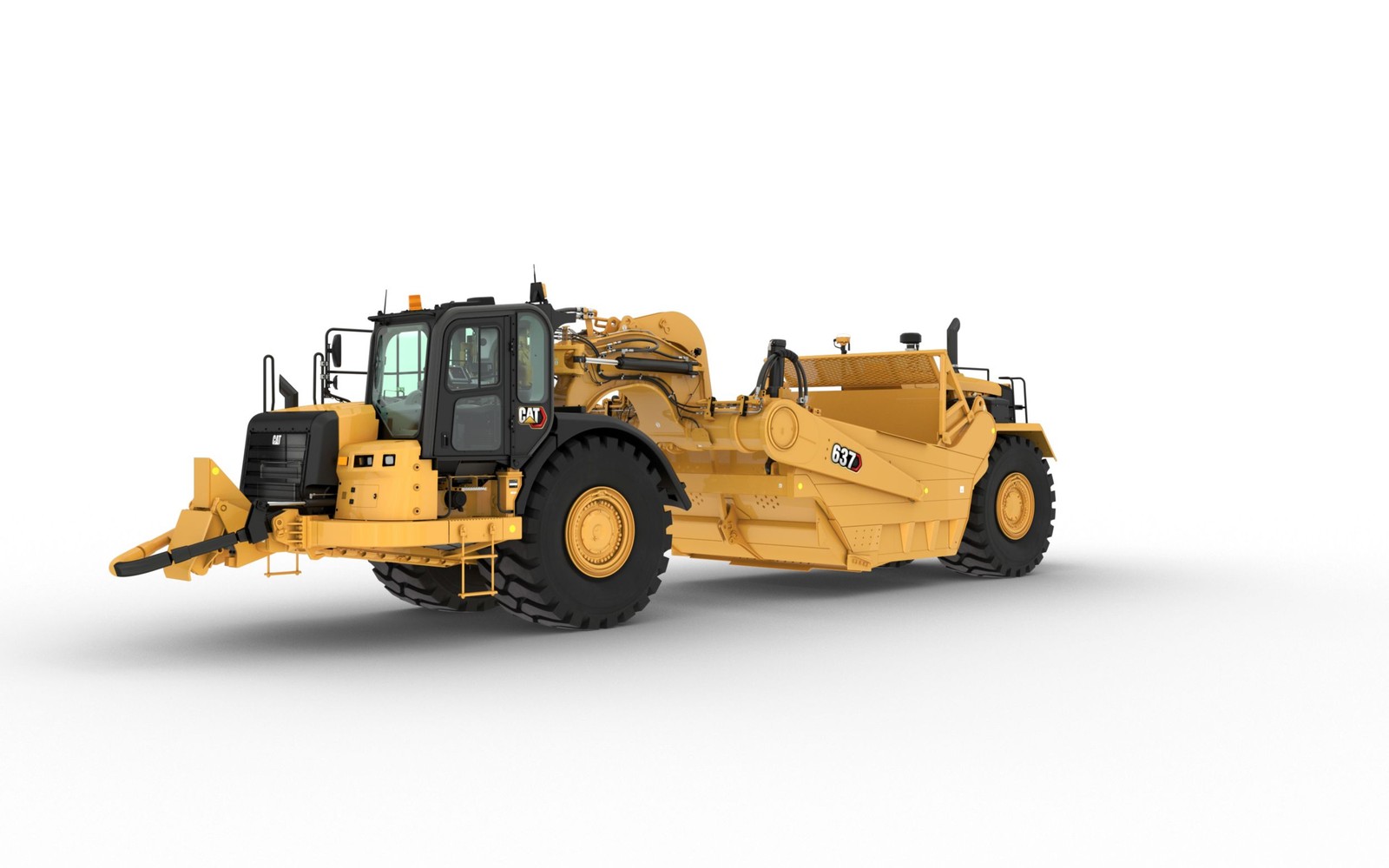
- Land leveling for surface irrigation: Motor scrapers are the most efficient tool for precision land leveling on flat irrigated fields. A laser-guided motor scraper moves soil to grade tolerances of a few tenths of a foot across large fields, which traditional earthwork equipment cannot match in efficiency.
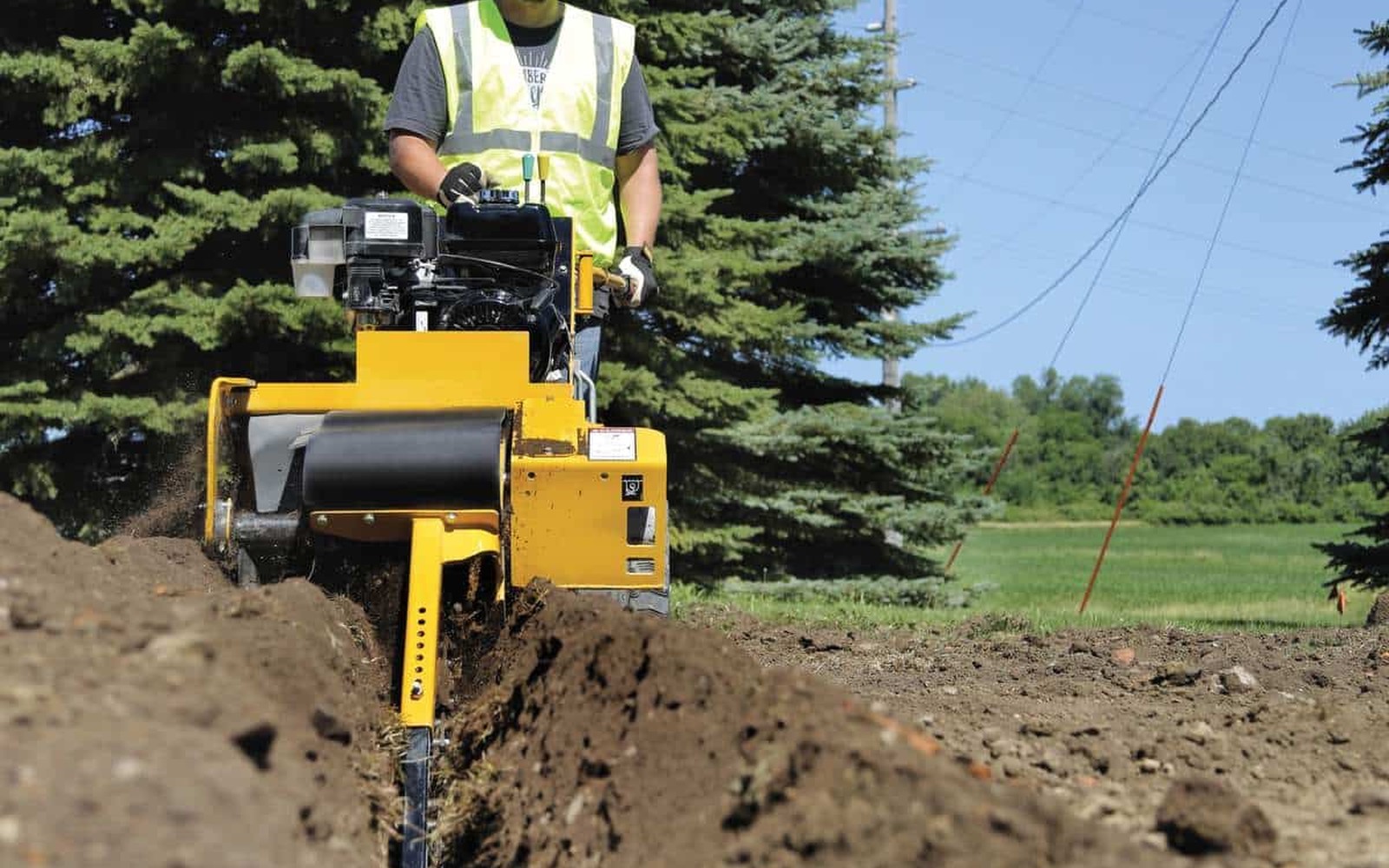
- Drainage tile installation: Subsurface tile drainage for crop production requires a trencher and, on larger fields, GPS-guided tile plows. Chain trenchers handle smaller drainage projects while dedicated tile-plowing equipment handles large-scale field drainage.
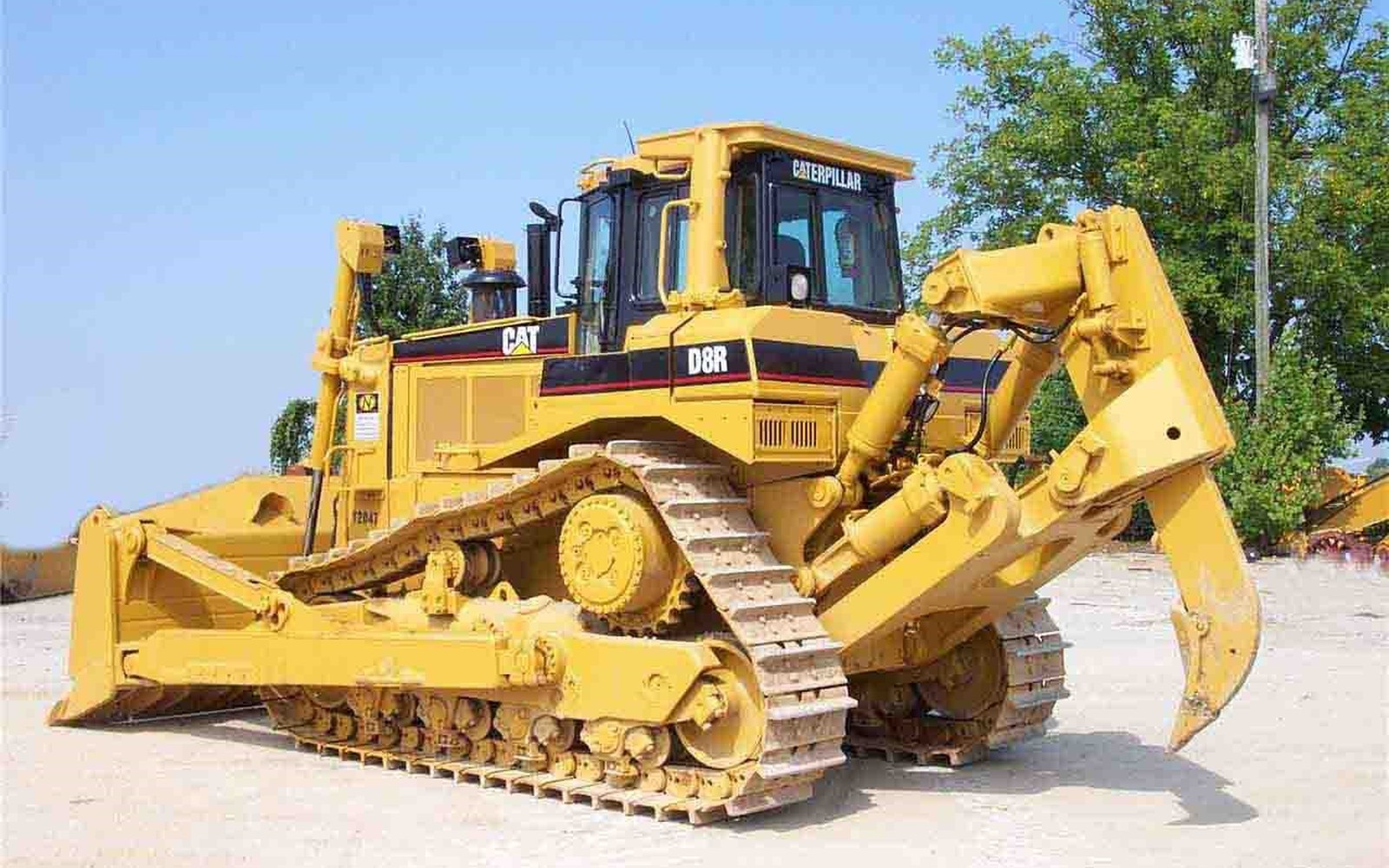
- Land clearing and brush management: Clearing timber for new cropland or pasture, removing brush from overgrown fence lines, and opening new roads across a property require a dozer or a forestry-configured excavator.
- Road and access track building: Agricultural operations in rough terrain need interior roads for equipment access and logistics. A D5-to-D6 class dozer handles most farm road construction efficiently.
Agricultural and Ranch Earthwork Profiles We Work With
Agricultural and ranch earthwork is done by two distinct groups: agricultural earthwork contractors who work across multiple farms and ranches, and farming operations who want to own the equipment to handle their own land improvements:
- Agricultural earthwork contractors: Contractors who specialize in pond work, land leveling, tile drainage, and land clearing across a regional customer base of farms and ranches. These contractors often own production equipment and bid on specific improvement projects.
- Farming operations doing their own earthwork: Large farms and ranches who need a machine for ongoing internal use: maintaining drainage, building or repairing stock ponds, clearing fence lines, and managing access roads. The equipment is owned by the farming operation rather than a contractor.
- Ranchers doing land improvement: Ranch operations doing extensive land improvement, including cross fencing, brush clearing, water development, and road building. These operations often span large acreage where having the machine available for the full growing or grazing season has significant value.
Documentation for Agricultural and Ranch Equipment Financing
Agricultural borrowers have financial profiles that reflect the seasonal nature of farm income. Revenue comes in at harvest or when livestock are sold; inputs, equipment payments, and operating costs run year-round. We account for that timing when we look at bank statements and revenue documentation.
What we typically need:
- Three months of current bank statements (farm operating account)
- Business entity records or farm entity documentation
- Equipment purchase quote or agreement
- For larger transactions: most recent one to two years of farm tax returns or Schedule F
Agricultural operations that show consistent multi-year farm income through Schedule F, even with seasonal patterns, present a readable credit picture. Farming businesses with additional off-farm income (custom work, trucking, or contract labor) have an added income stream that supports the credit case.
B and C credit programs are available. A down payment reduces the payment and demonstrates commitment to the transaction, which helps in borderline credit situations.
Financing Structures for Agricultural Earthwork Equipment
Agricultural equipment financing has specific structure options that fit farm income patterns:
- Standard equipment loans: Fixed monthly payments over 36 to 60 months. Straightforward and predictable. Works well when the farm generates consistent monthly cash flow through custom work or year-round livestock revenue.
- Seasonal payment structures: Available through certain lease products, where payments are higher in active seasons and lower in winter or during crop establishment periods. Not every lender offers this, but we look for it when seasonal structure matters to the borrower.
- Section 179 and bonus depreciation: Agricultural equipment placed in service before year-end qualifies for first-year deductions. Farmers who buy earthwork equipment before December 31 specifically to capture these deductions need financing that can close on that timeline. Our Section 179 financing program is structured for exactly this timing.
- Sale-leaseback on paid-off equipment: A Sale-Leaseback on an excavator or scraper a farming operation owns outright generates operating capital while the machine keeps working. Agricultural operations use this for input purchases, land payments, or infrastructure investment.
Finance Your Agricultural and Ranch Earthwork Equipment
Stock pond excavators, land leveling scrapers, tile drainage equipment, or a complete agricultural earthwork machine. Tell us the equipment and your situation and we will come back with real terms within one business day. Submit your quote request to get started.