
The TRAC lease, short for Terminal Rental Adjustment Clause, is a lease structure that lets you and the lender share the risk and reward of the machine's actual value at lease end. You agree to a residual at the start, and when the lease terminates, the machine is sold or appraised. If it sells for more than the agreed residual, you get the upside. If it sells for less, you pay the difference. The clause that makes the adjustment is the TRAC provision itself, and it is what distinguishes this structure from both a standard FMV lease and a dollar buyout.
TRAC leases are more commonly associated with over-the-road truck fleets, but the structure can apply to construction and earthmoving equipment as well. For contractors running machines that tend to hold value well, a TRAC lease can be an interesting way to benefit from the equipment's residual performance rather than handing that upside entirely to the lender.
How the TRAC Provision Actually Works
The mechanics: at lease origination, you and the lender agree on a residual value, the amount the machine is expected to be worth at lease end. Your monthly payments are calculated to amortize the cost of the machine down to that residual over the term. At lease end, the machine is sold, usually by the lender, at whatever the market will bear.
If the actual sale price exceeds the agreed residual, you receive the surplus. Your lease effectively cost you less than the contract suggested because the machine retained more value than projected. If the actual sale price falls short of the residual, you pay the deficiency. You guaranteed the lender that minimum recovery, and if the market does not deliver it, the shortfall is your obligation.
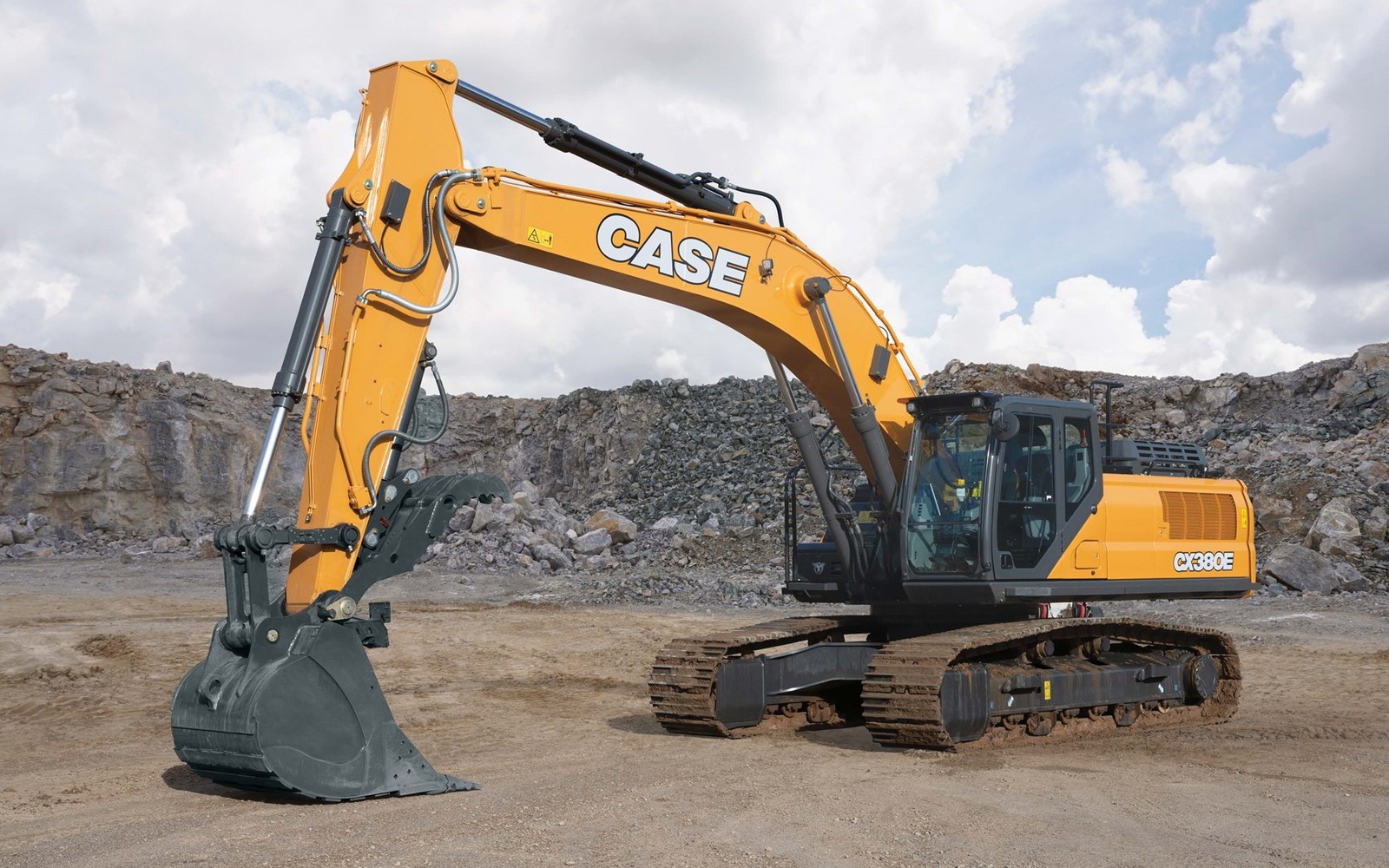
This shared risk model means you need to have a realistic view of the equipment's likely end-of-term value before you commit. Contractors who run machines carefully, maintain them well, and understand the secondary market for their specific equipment type are in a better position to make the TRAC bet than those who are uncertain about resale dynamics. Well-maintained crawler excavators and wheel loaders from premium manufacturers tend to hold residual value better than average, which historically has worked in the operator's favor in TRAC structures.
Who Uses TRAC Leases in Construction
TRAC leases are most common with larger fleet operations and businesses that have the financial sophistication to model residual value risk. A solo owner-operator with one excavator usually finds a standard equipment loan or FMV lease simpler and more appropriate. A larger contractor managing a fleet of 20 or more machines and actively managing fleet turnover may find the TRAC structure's residual-sharing mechanics worth the complexity.
Road and highway contractors and grading operations with sophisticated finance teams sometimes use TRAC structures as part of a broader fleet management program. The ability to participate in machine appreciation is meaningful when you are turning over a lot of iron and the secondary market is favorable.
TRAC leases are also relevant for certain tax planning strategies. The IRS provides specific guidance on TRAC leases that qualifies them as true leases, allowing the lessee to deduct the full lease payment as a business expense rather than depreciation. The exact treatment depends on the specific terms; verify with a CPA before assuming this applies to your deal.
Setting the Right TRAC Residual
The residual you negotiate at the start of a TRAC lease drives both your monthly payment and your terminal risk exposure. A lower agreed residual means higher monthly payments but a smaller potential shortfall at lease end if the machine does not hold value. A higher agreed residual means lower monthly payments but larger potential exposure if the machine underperforms in the secondary market.
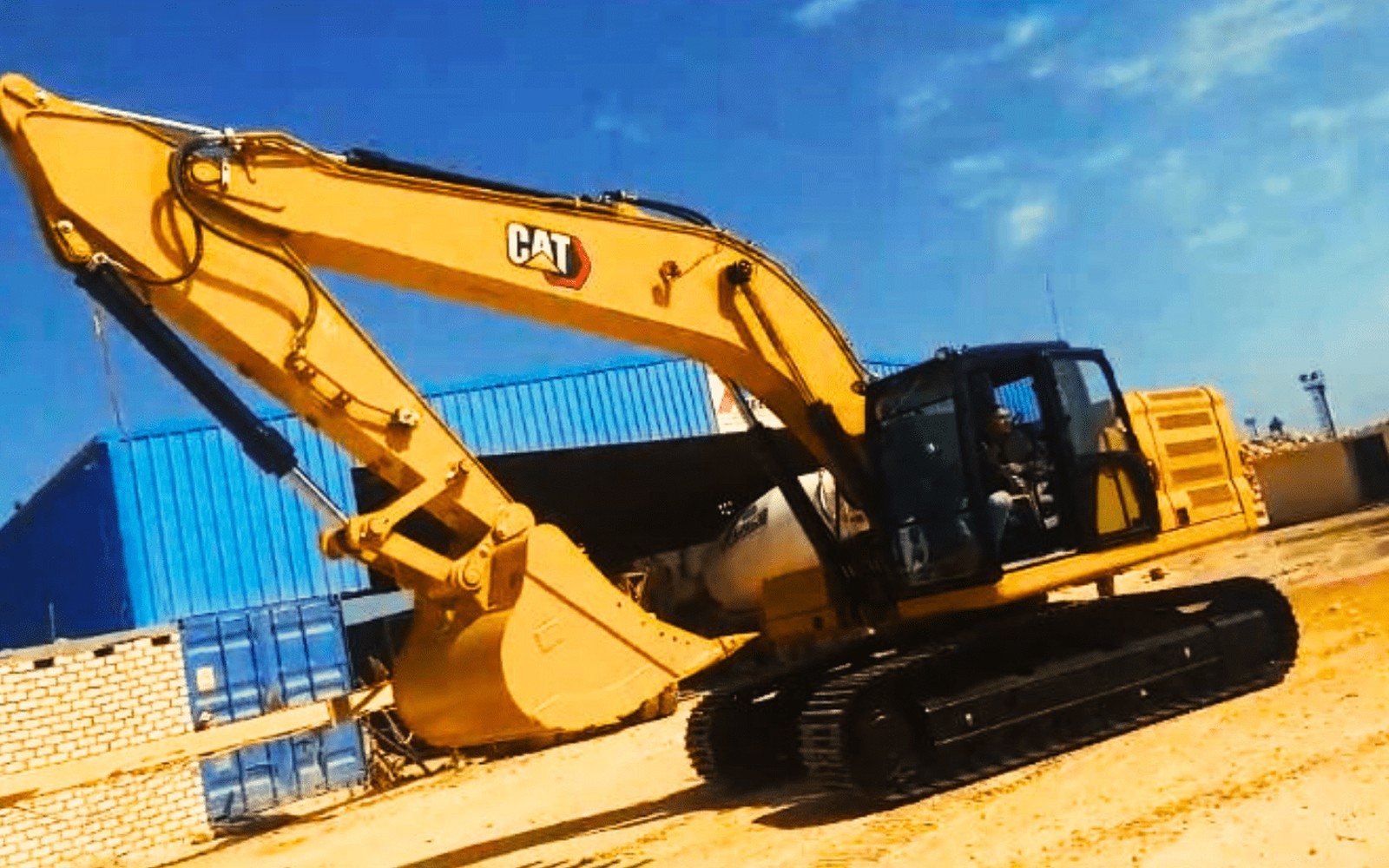
The right balance depends on your honest assessment of the machine's likely end-of-term value. Data points that help: current resale values for comparable machines at comparable hours, demand trends in the secondary market for that model, and your planned maintenance regime. Machines from brands with strong dealer support networks and high secondary demand, like Caterpillar or John Deere, tend to support higher residual assumptions more comfortably than brands with thinner dealer networks and less active resale markets.
Is a TRAC Lease the Right Tool for Your Situation?
Most contractors financing a single machine for their own use are better served by a standard loan or a simpler lease structure. TRAC leases add complexity and terminal risk that requires active fleet management to handle well. If you want ownership certainty, use a dollar buyout lease or a loan. If you want flexibility and lower payments without the residual risk sharing, use a standard FMV lease. The TRAC structure occupies a niche that is most valuable for operations actively participating in the secondary market, not for contractors who simply want to run a machine and own it when it is paid off.
Talk Through TRAC and Other Lease Options
If you are weighing lease structures for a fleet or a significant single-machine acquisition, we can walk through the options including TRAC, FMV, and dollar buyout side by side. Tell us about the machine and your operational situation and we will help identify the right structure. Minimum $50,000.