
Rough grading, reclamation work, hillside cut, and large clearing jobs all share a requirement: a dozer that can work across grade and push material in volume without getting stuck in its own mess. The CAT D6 has been that machine for decades in the mid-size dozer class. At roughly 20 metric tons of operating weight, it handles subdivision rough grading, landfill compaction support, pipeline right-of-way clearing, and forest road building across a range of terrain that lighter dozers cannot safely manage. We finance D6s for land-clearing contractors, site developers, and earthwork firms who need reliable dozer muscle without pulling cash off the operating balance sheet.
Minimum deal size starts at $50,000. A mid-hours used D6 typically clears application-only approval, while a new unit will need bank statements. We close in one to two weeks from a complete application.
The D6 on a Grading Site
The D6 runs in the 43,000-to-47,000-pound range depending on blade and undercarriage configuration, pushing roughly 157 net horsepower in current production. The standard semi-U blade moves substantial volumes on flat to moderate slopes, while the dozing and ripping combination is the workhorse configuration for clearing and breaking up hardpan ahead of an excavator crew. Cat's LGP (low ground pressure) undercarriage variant is available for soft or marshy ground where standard track width would create flotation problems.
The D6 also pairs with Cat's LINK telematics and its automatic blade assist systems, which reduce operator fatigue on long production shifts. For road and highway contractors building rural alignment sections, the D6 running grade-assist can cut accurate sub-grade faster than traditional flagging-and-eyeball methods and reduce the number of passes needed to hit the design grade.
- Operating weight: approximately 43,000-47,000 lbs depending on configuration
- Net power: approximately 157 hp (117 kW)
- LGP undercarriage available for soft-ground applications
- Compatible with Cat blade assist and automated grading systems
D6 Financing: Costs and Term Options
A new D6 straight from the dealer typically prices in the $280,000-to-$350,000 range depending on configuration. Used D6s in production-ready condition with serviceable undercarriage trade in the $80,000-to-$180,000 range depending on vintage and hours. The used end, particularly units with under 5,000 hours from verifiable sources, finances cleanly on the application alone and closes fastest.
We structure loans from 36 to 84 months. On a $150,000 used D6, a 60-month note keeps the monthly payment in a manageable range while building equity steadily. On a new unit financed at full price, many contractors prefer 72 to 84 months to align the payment with expected machine productivity over a seven-to-ten-year life cycle. A Section 179 financing approach can make sense here as well, where the first-year tax deduction on the purchase effectively reduces the true net cost of ownership in the year you put the machine in service.
Options for D6s You Already Own
A paid-off D6 sitting in your fleet is idle equity. A Sale-Leaseback structure releases that capital without removing the machine from service. You sell the dozer to a financing company at appraised market value, receive the capital, and immediately lease it back. The cash can go toward a deposit on new work, a bond requirement, or a second piece of equipment for a growing crew.
For D6s that still carry a note, equipment refinancing can reduce the monthly payment, especially if you financed when credit was tight and your business has since strengthened. We see contractors reduce their dozer payments by several hundred dollars per month simply by refinancing at a better rate after a couple of years of clean payment history.
Contractors Who Run the D6
The D6 sits in the sweet spot of mid-size dozers where the machine is powerful enough to handle serious grading work but light enough to mobilize without specialized heavy haul. Contractors in markets like Denver, CO, where the Front Range development market produces steady hillside rough grading contracts, and Charlotte, NC, where subdivision development keeps site work busy year-round, regularly finance D6s as their primary grading unit.
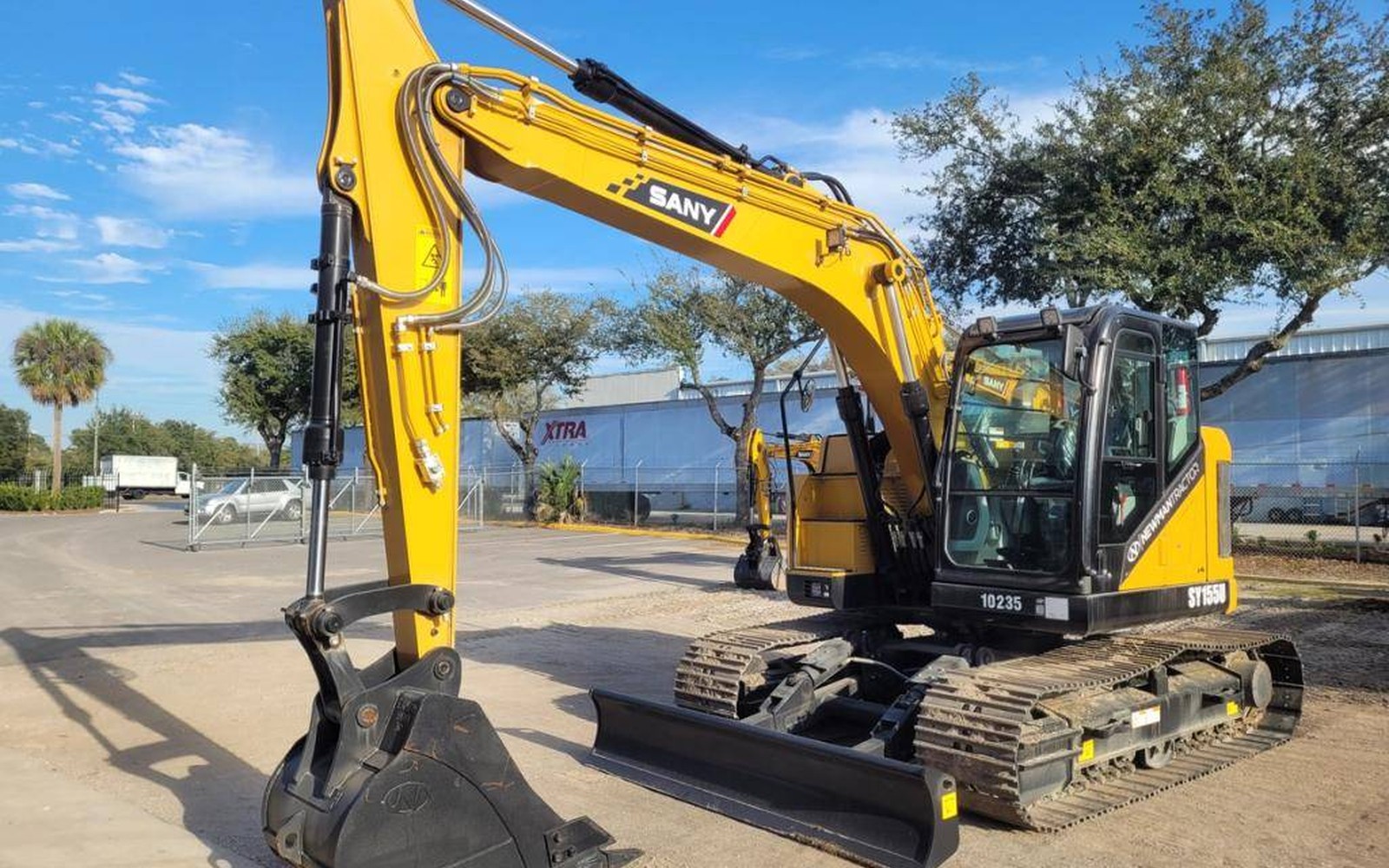
The D6 also pairs naturally with a mid-size excavator in a two-machine site setup. Many contractors run a D6 for clearing and rough grade alongside a standard excavator for digging utility trenches and foundations, covering the full scope of a residential or commercial site development contract without subcontracting either operation.
Contractors running the D6 on subdivision grading often pair it with a mid-size excavator for a complete two-machine site package. Financing both under one umbrella simplifies the paperwork and often results in better combined terms than two separate applications submitted at different times. We structure multi-machine packages frequently and can split the deal into individual notes or structure a combined fleet transaction depending on the lender and deal size. The key is submitting all the machine details at once so we can model both options side by side.