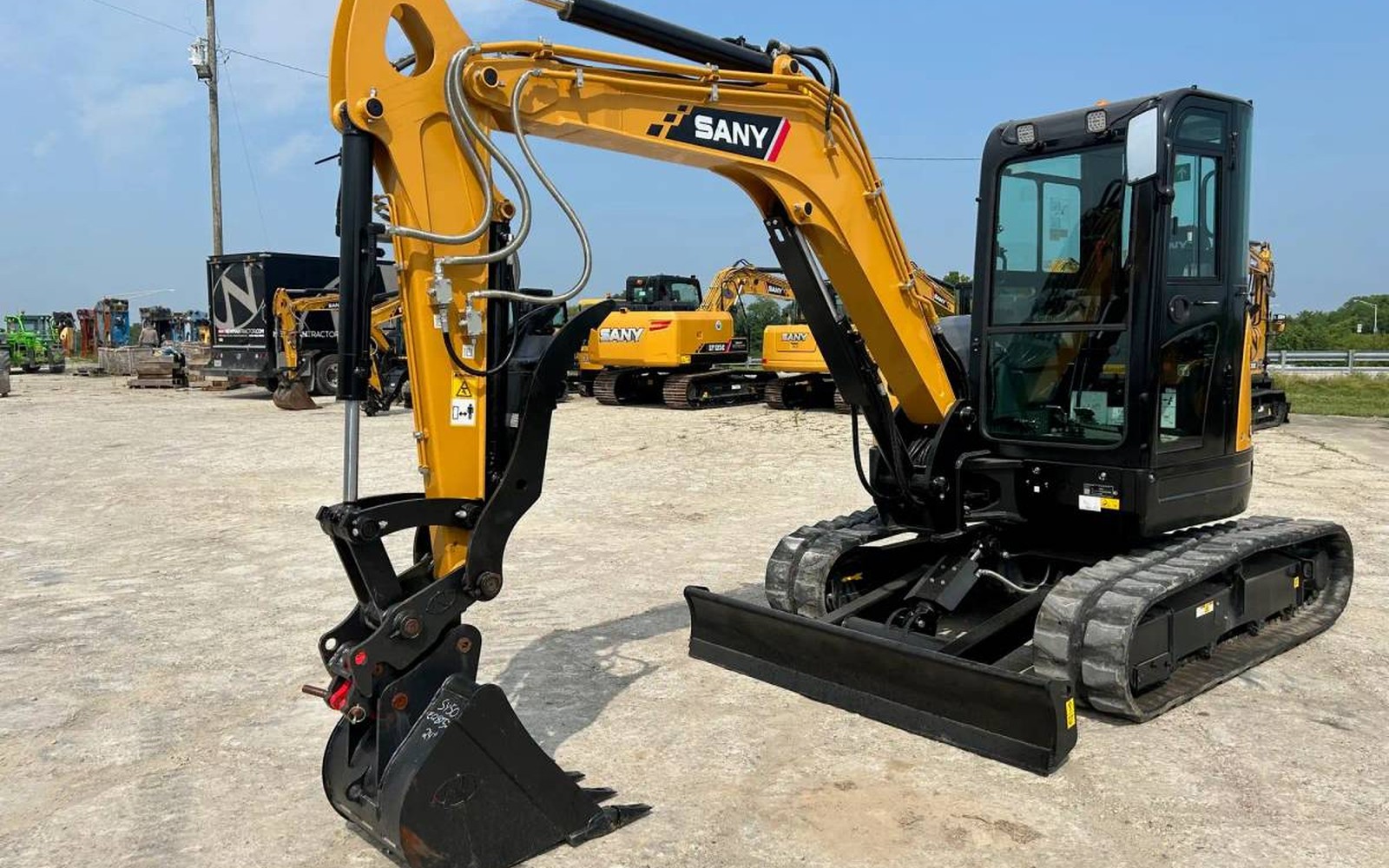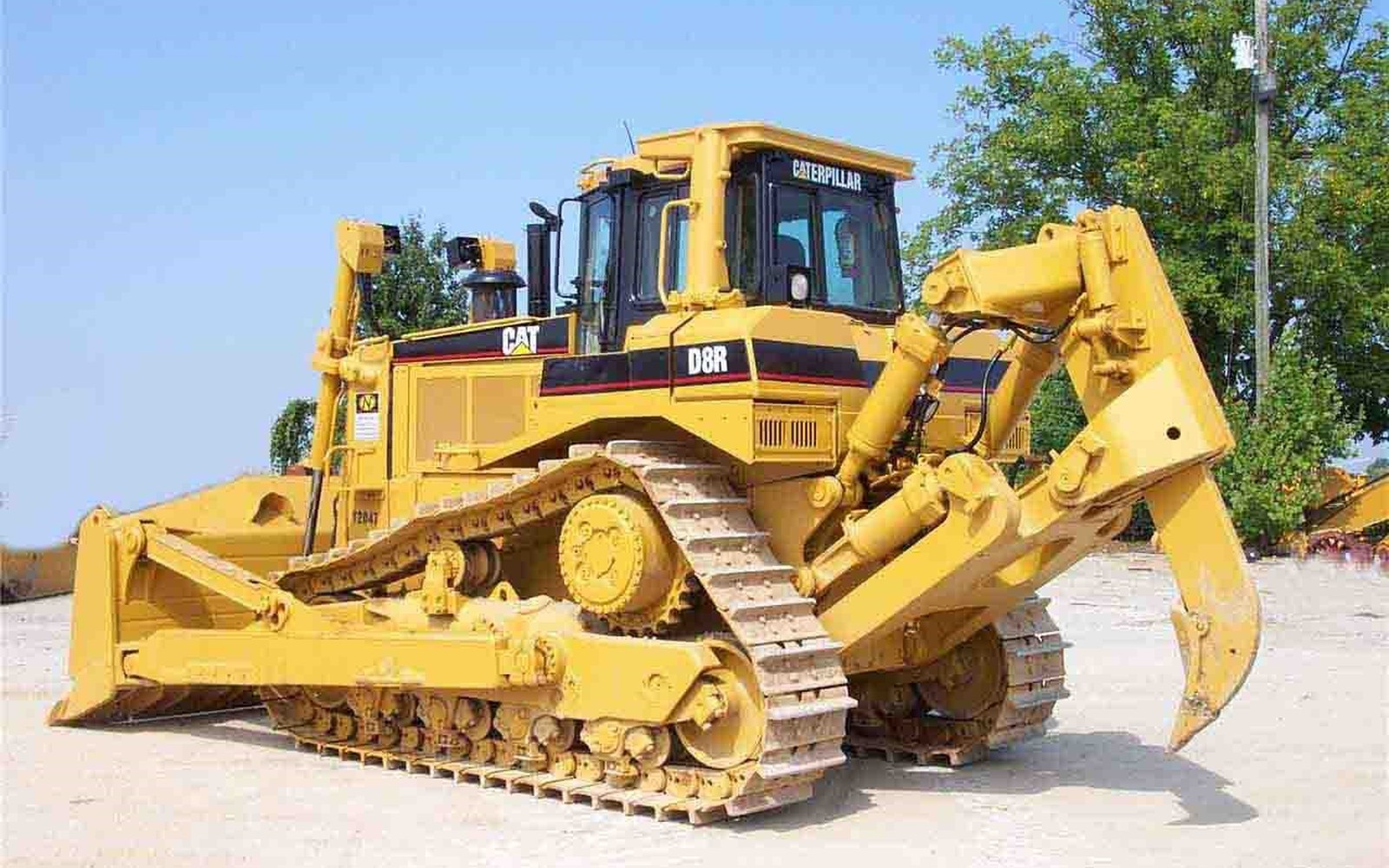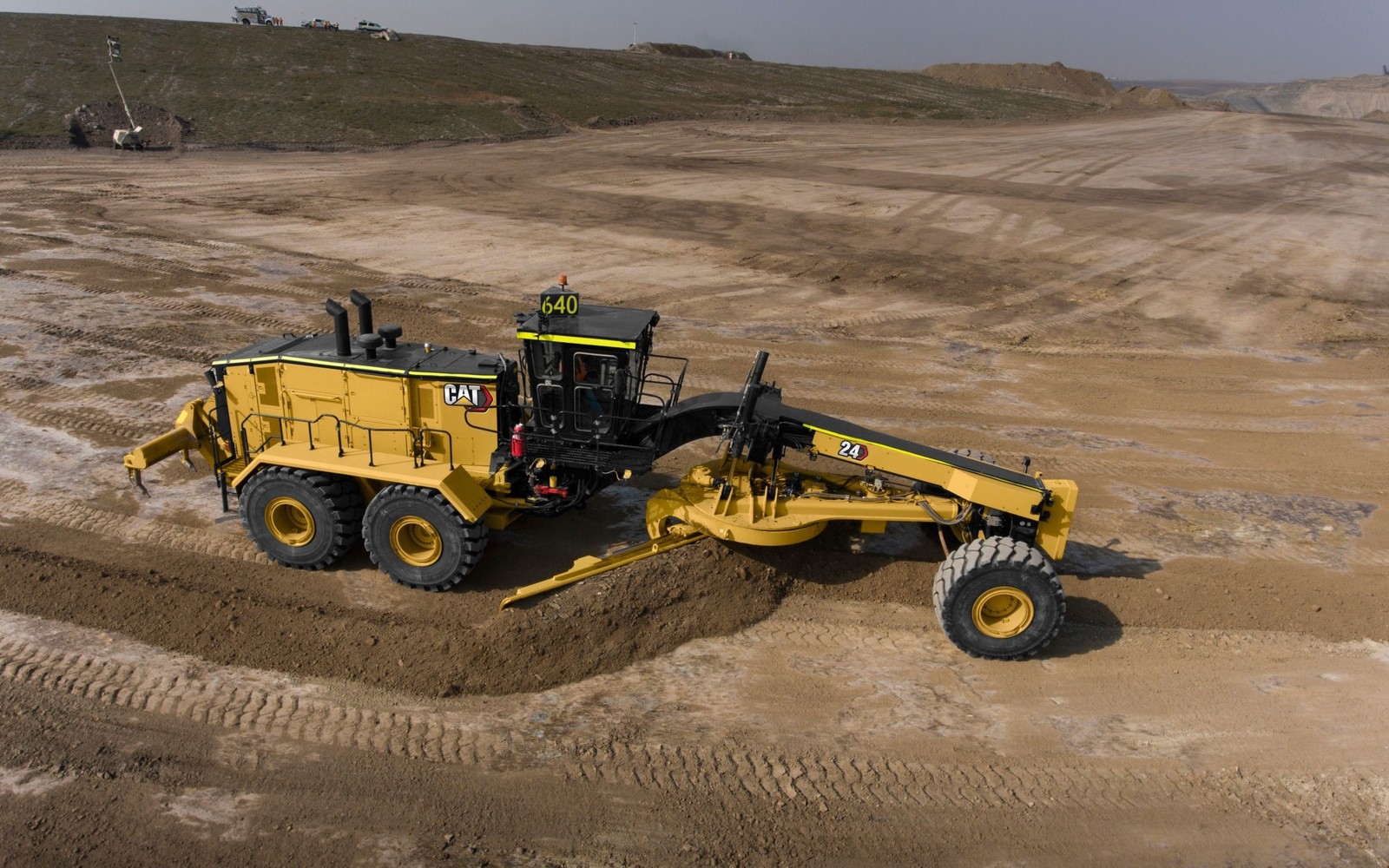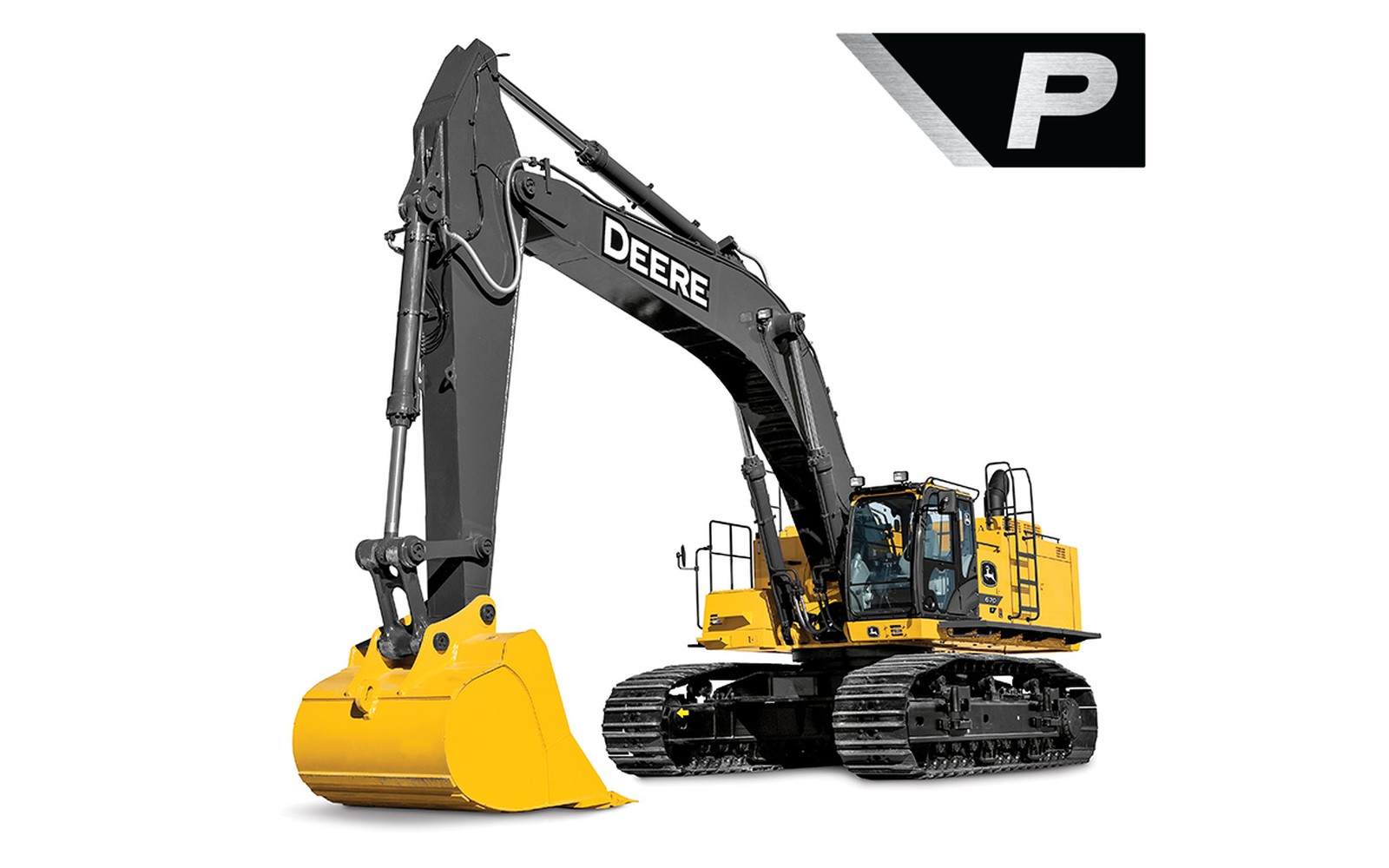

Denver's Front Range construction market has been one of the most active in the Mountain West for years, and the pipeline of commercial, residential, and infrastructure work shows no sign of thinning. The metro's rapid growth into Douglas, Adams, and Arapahoe Counties keeps site-development crews stretched. RTD rail corridor utility work, I-70 mountain corridor improvements, and the industrial build-out in the Commerce City and Thornton corridors all feed a market that rewards contractors who have the iron to bid aggressively. We finance excavators and heavy earthmoving equipment for Denver metro operators, starting at $50,000, with most volume at $100,000 to $150,000 and above, and approvals in about one to two weeks.
Front Range Construction and the Denver Dirt Market
Denver's construction demand is split between urban infill work inside the city, the large-tract residential expansion into the suburban ring, and the industrial and logistics development along the I-25 and I-70 corridors. Urban infill along the South Platte corridor and in the Globeville-Elyria-Swansea redevelopment areas requires tight-access mini and compact excavators that can work in dense lot environments without over-excavating adjacent utilities.
Suburban residential development in Parker, Castle Rock, Highlands Ranch, and the northern growth zones demands heavier iron for mass grade and infrastructure. Crawler dozers, motor graders, and standard 20- to 35-ton excavators are the backbone of that work. Along I-70 toward the mountain corridor, contractors doing road work and retaining-wall foundation work deal with rocky Front Range geology that accelerates bit and undercarriage wear.
Denver is also a growing hub for data-center development along the I-25 south corridor, and each of those projects requires substantial utility trenching and site grading before the building shell goes up.
Equipment Financing for Denver Contractors
Credit application and three months of business bank statements get the process started. Deals up to roughly $400,000 can often be handled on application only, without a full financial package. Decisions come back in days and funding follows in about a week to two weeks once the equipment details are confirmed.
For operators who plan to keep machines long term, an equipment loan is the straightforward path to ownership. Fixed payments, clear end date, machine on your balance sheet. An equipment lease lowers the monthly payment and offers flexibility at term end, which works well for operators who want to stay current with technology or who work in segments where equipment cycles faster.
A dollar buyout lease gives you the lower monthly payment of a lease with guaranteed ownership at end of term for one dollar. For operators who want the ownership but need the payment relief, that structure is worth looking at. Bonus depreciation financing is also worth a conversation with your CPA before you commit to a structure, since Colorado and federal treatment of first-year deductions can materially affect the economics.
New vs. Used Equipment on the Front Range
Denver has a solid used equipment market. Colorado's contractor base turns over machines regularly, and the absence of California-style emissions restrictions means older iron is fully eligible for most Front Range projects. A well-maintained used excavator in the 3,000 to 6,000 hour range can land at 40 to 60 percent of a new machine price and deliver most of the same productive capacity on typical commercial and residential site work.
We finance used machines through our used equipment financing program, including machines bought from dealers, at auction, or from private sellers across Colorado and neighboring states. The key requirements are a purchase agreement, confirmed hours, and condition inspection. For operators with B/C credit, used iron at a lower price point often makes the deal more accessible through our credit-challenged programs.
Refinancing and Sale-Leaseback for Denver Operators
Some Front Range contractors entered the recent run-up in construction with machines bought years ago at favorable prices. Those machines may now carry values well above their loan balances, creating equity that can be accessed through a cash-out refinance. Pull the equity, keep the machine working, and deploy the capital toward the next bid or fleet expansion.
For operators with zero-balance machines, a Sale-Leaseback converts the machine's full current market value into cash, replacing the zero note with a lease payment you can service from the machine's production. It is a particularly useful tool heading into a large project where mobilization costs strain the operating account.