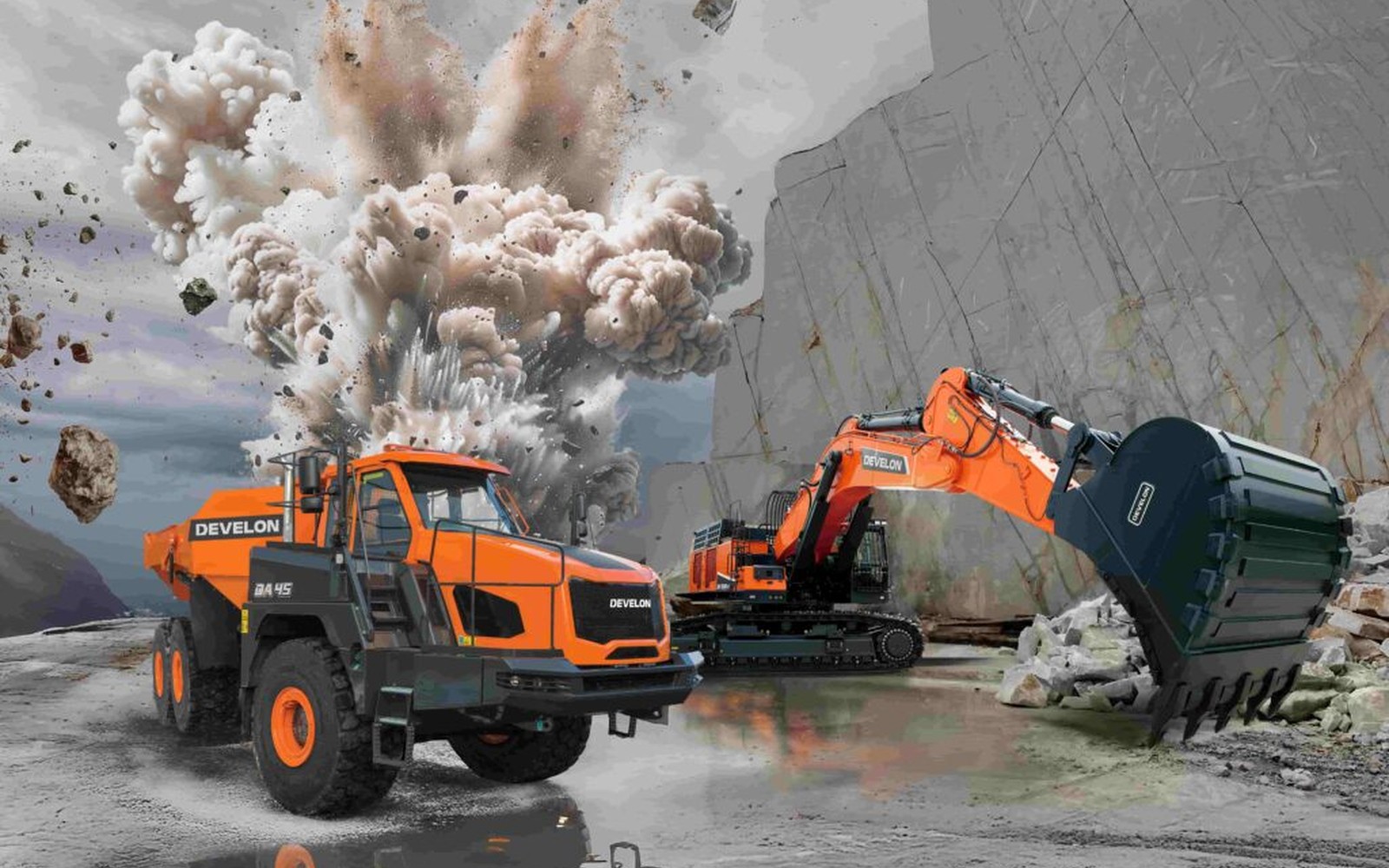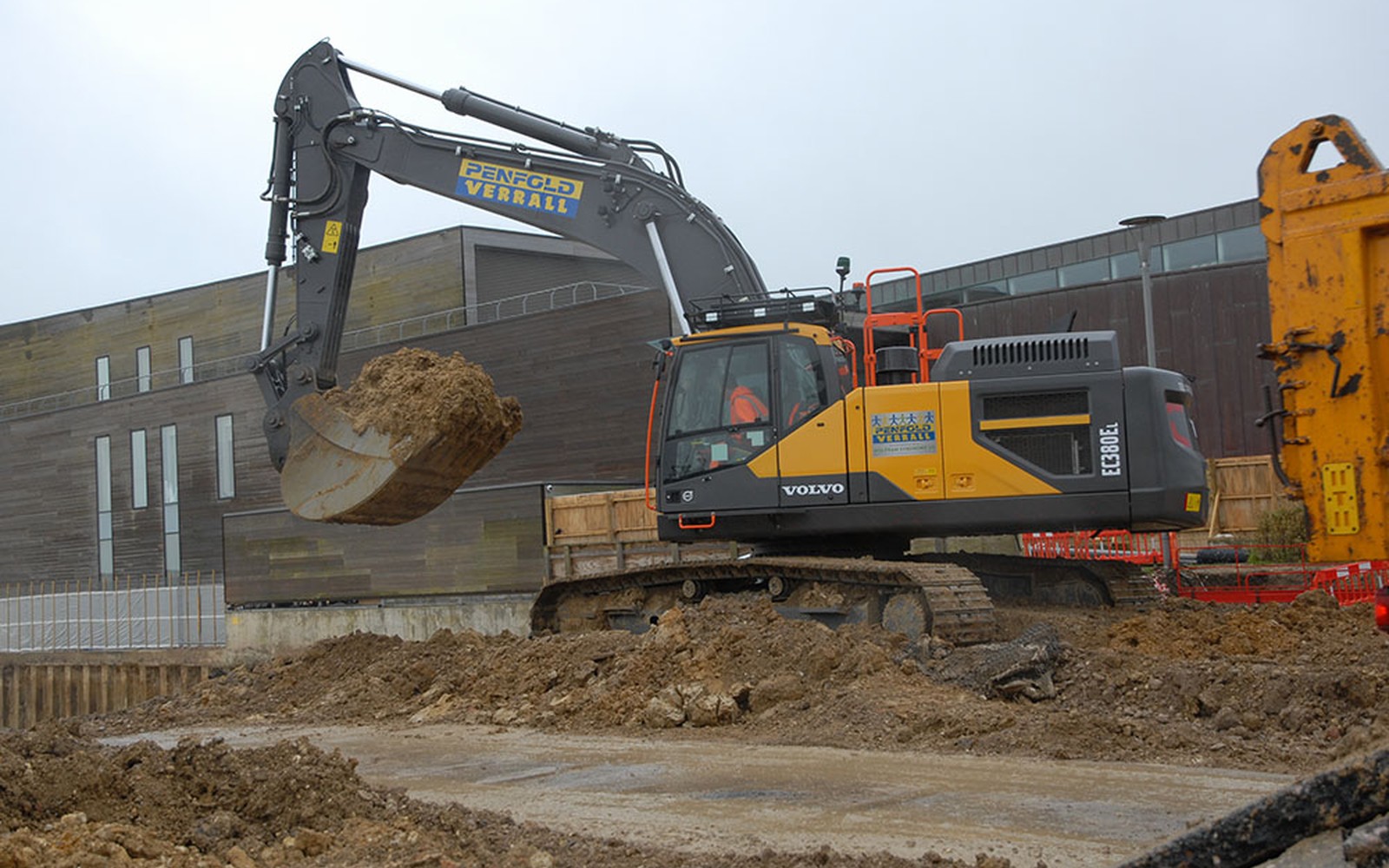

Timber comes down, stumps come out, brush gets mulched, and the raw land gets turned into something buildable. Land-clearing contractors are the first boots on a development project, and the iron they run needs to be ready to work in conditions that would stop lighter equipment cold. Financing that land-clearing equipment is our business, and we structure deals that match the way clearing contractors actually get paid: project by project, with variable job sizes and occasional equipment damage that comes with working in stumpy, root-tangled ground.
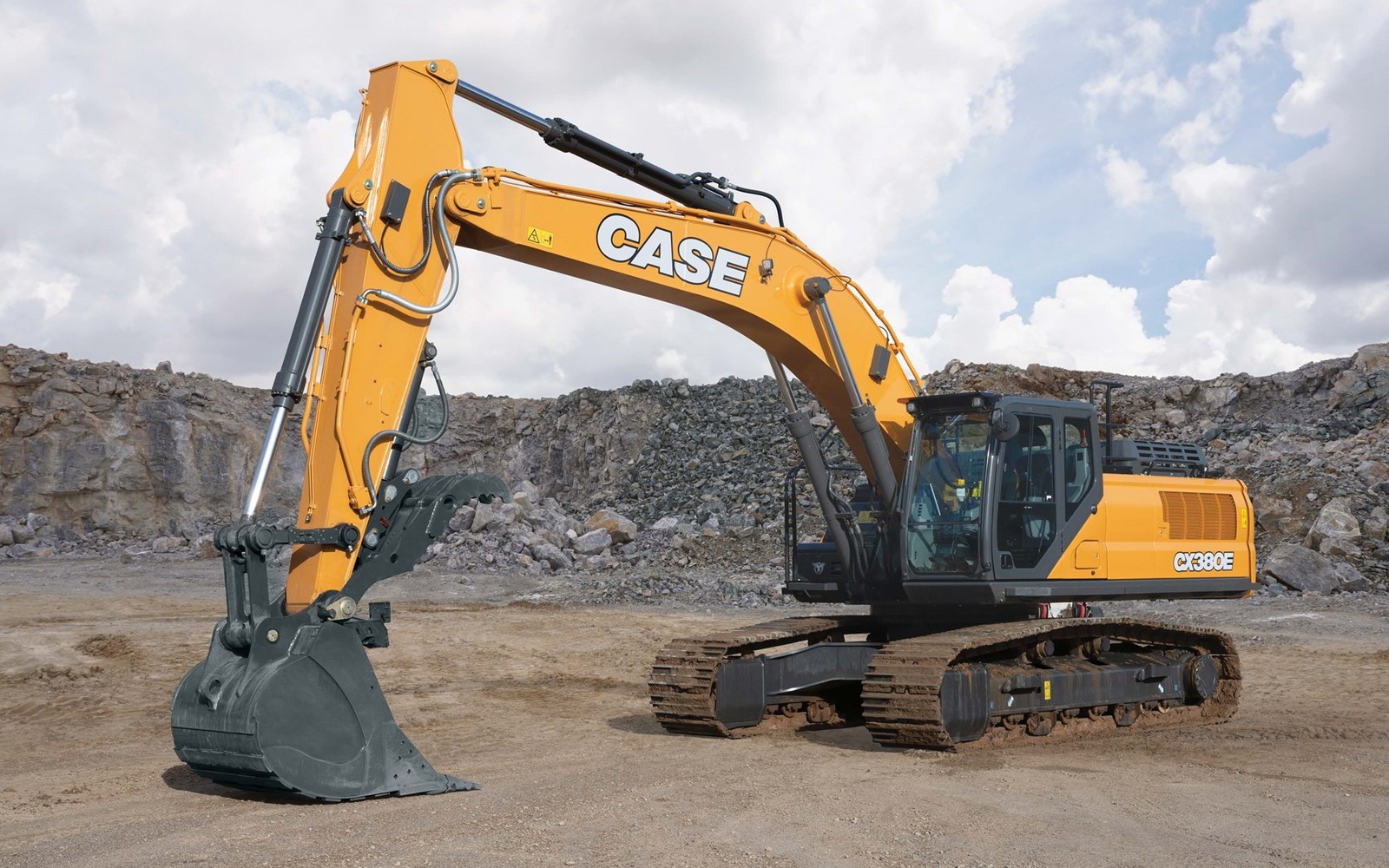
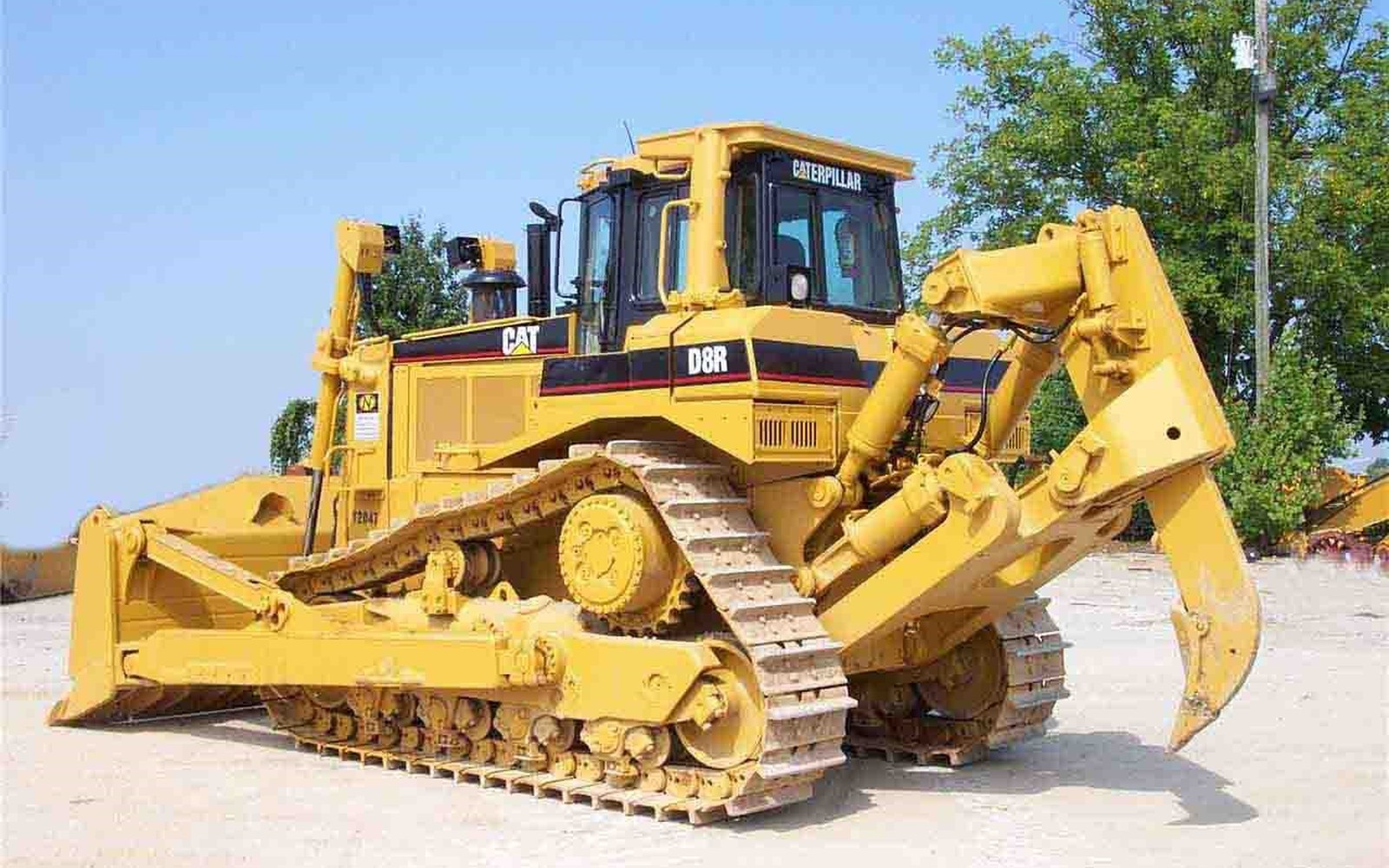
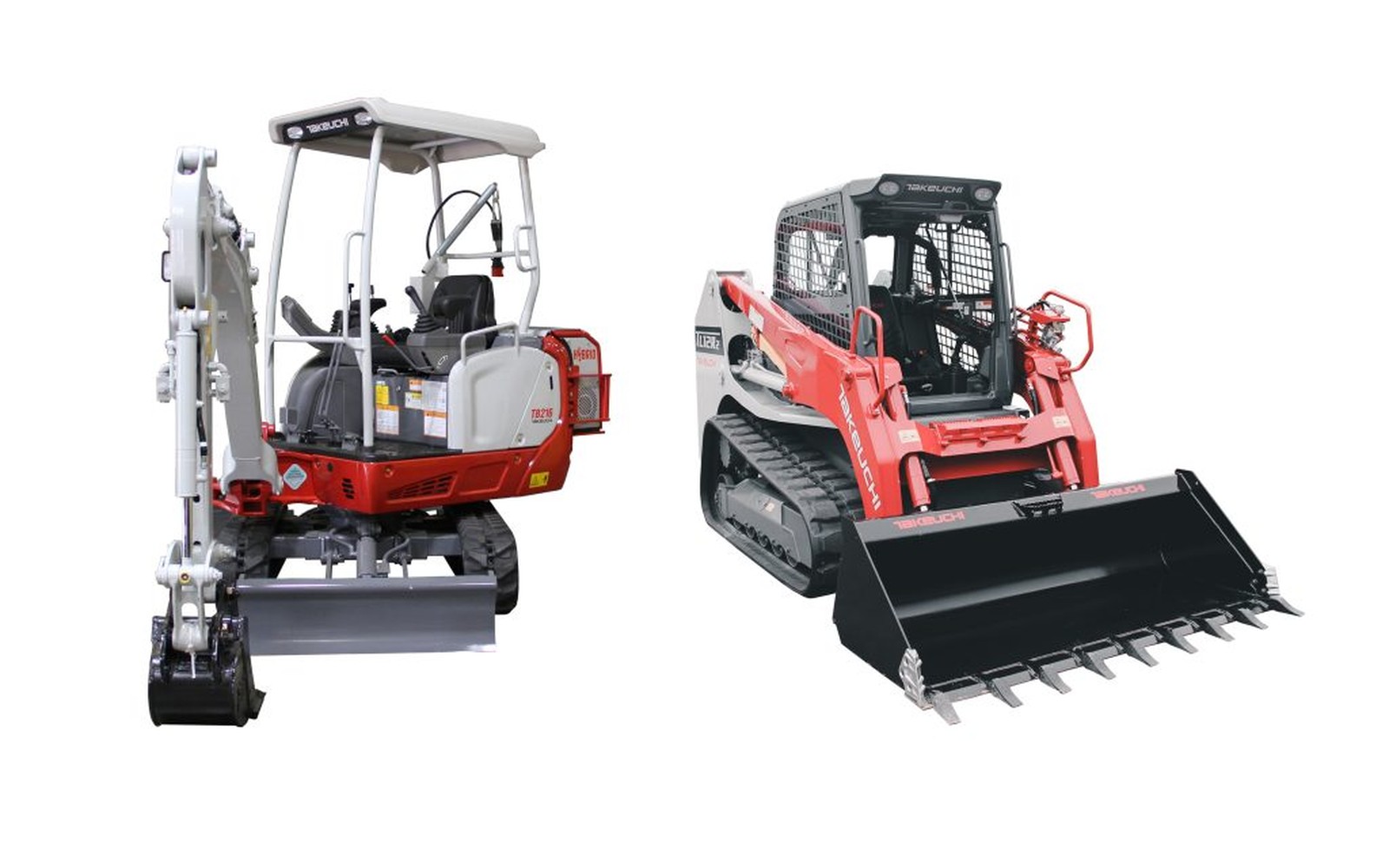
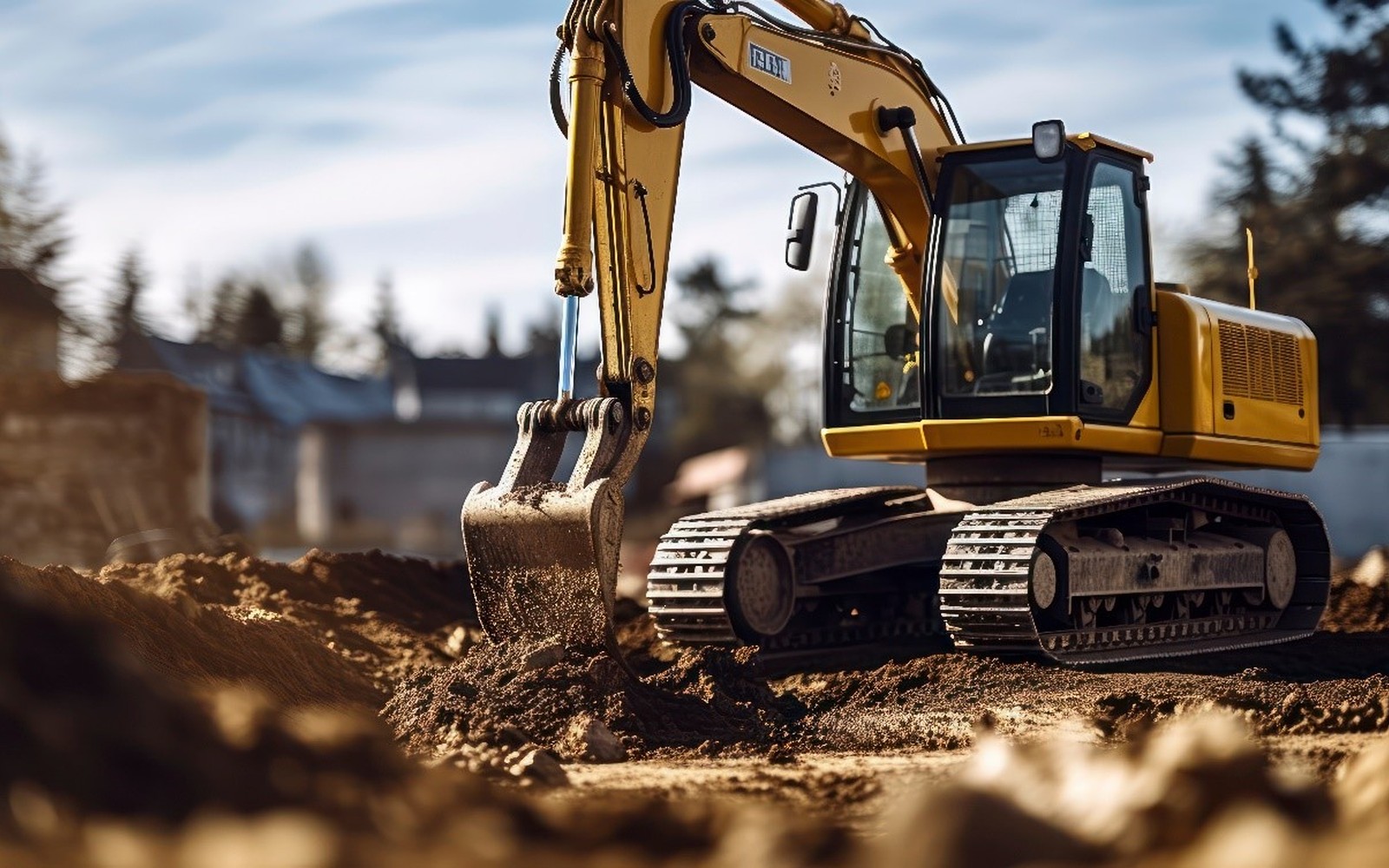
We finance tracked excavators fitted for land clearing, mulcher attachments, large crawler dozers, and compact track loaders used in brush clearing and debris management. Both new and used equipment qualify. Auction purchases and private-party buys are eligible too.
Minimum transaction: $50,000. Most land-clearing equipment deals fall between $150,000 and $500,000. Application-only approval up to approximately $400,000 for qualified borrowers. Funding within one to two weeks on completed files.
Types of Land-Clearing Contractors We Finance
Land clearing serves several end markets, and the equipment mix and deal structure changes depending on where the contractor's work comes from:
- Residential development clearing: Contractors working ahead of subdivision and housing development bulldoze timber, remove stumps, and rough grade lots for home builders. The job sizes are smaller per lot but volume is high in active growth markets.
- Commercial and industrial site prep: Large tracts being prepared for warehouse parks, data centers, or big-box retail require heavy clearing with production dozers and large excavators capable of handling significant timber diameter.
- Right-of-way clearing: Utility and pipeline companies subcontract right-of-way clearing to specialists who run mulching heads and track equipment along survey lines. This is steady, predictable work tied to transmission project schedules.
- Ag land conversion: Clearing timber for new cropland or pasture is a significant segment in the South and Southeast. Contractors doing ag clearing often also do land-leveling and drainage work, which expands the equipment list.
Regardless of which segment a contractor serves, we look at the same core factors: equipment value, business history, current cash flow, and backlog. The nature of clearing work creates lumpy revenue, and our evaluation reflects that.
Equipment That Land-Clearing Contractors Finance
Land clearing is hard on equipment. Undercarriage wear, hydraulic stress from mulching heads, and track damage from stump-filled ground are occupational realities. Lenders familiar with this sector understand the depreciation curve. Here is the equipment we finance most in land clearing:
- Large crawler dozers (D6 to D9 class): The production dozer is the workhorse of timber clearing. A D8 or D9 class machine with a tree pusher or KG blade can clear acres per day in moderate timber. These machines hold value well and finance easily at 48- to 72-month terms.
- 20-to-30-ton excavators with mulching heads: An excavator fitted with a forestry mulching attachment handles stumps, brush, and small timber without the need to windrow and burn. The base machine finances as a standard excavator; the mulching attachment can be bundled or financed separately.
- Compact track loaders with brush-cutting attachments: A compact track loader running a forestry cutter clears brush and small trees in areas where the big dozer cannot work. Kubota, Bobcat, and Caterpillar machines in this class are all financeable.
- Excavator attachments: Mulching heads, stump grinders, and root rakes used with a standard excavator can be financed as excavator attachments, either with the carrier machine or separately.
What Land-Clearing Contractors Need to Apply
Land-clearing contractors often have credit profiles that reflect the nature of the business: variable income, periodic large capital outlays on equipment repairs, and revenue that comes in project chunks. We work through specialty lenders that understand these patterns.
Basic documentation requirements:
- Three months of business bank statements (current, not year-end summaries)
- Business entity documentation (articles of organization, EIN letter, or equivalent)
- Equipment quote or purchase agreement from the seller
- For deals above application-only thresholds: business tax returns (most recent one to two years)
B and C credit programs are available for contractors who have had credit challenges. A meaningful equipment down payment (typically fifteen to twenty-five percent) often converts a marginal approval into a fundable deal. We tell you what it takes before you invest time in the full application.
Equipment insurance is required on all financed assets. Most land-clearing contractors already carry equipment floater coverage given the risk profile of the work, so this is typically not a barrier.
Related Financing Options for Clearing Contractors
Beyond the standard equipment loan, clearing contractors sometimes use:
- Auction financing: Late-model dozers and excavators appear regularly at Ritchie Bros. and IronPlanet auctions. Our auction and private-party financing program covers these purchases, which standard bank financing often does not handle.
- Fleet financing: Contractors building a multi-machine clearing crew can finance two or three units under a consolidated fleet financing arrangement, reducing the application overhead versus multiple separate deals.
- Sale-leaseback on owned equipment: A paid-off dozer or large excavator can generate operating capital through a Sale-Leaseback while remaining on the job. Clearing contractors use this to fund new contracts that require up-front mobilization costs.
Finance Your Land-Clearing Equipment
Dozers, excavators, mulching heads, or an entire clearing rig. Tell us the equipment and the amount, and we will bring you financing options within one business day. Submit your quote request to get started.