
You bid the copper-country job assuming you had the iron to run it. Tucson's Sonoran basin feeds a construction pipeline that stretches from the Rillito corridor south to the border and east toward the Rincon foothills, and contractors here burn through mobilization budgets fast. We put equipment financing behind operators who move dirt, pour foundations, and drive utility corridors across Pima County and beyond. Minimums start at $50,000, the sweet spot runs $100,000 to $150,000 and up, and our turnaround is roughly one to two weeks from application to funded.
Southern Arizona's dominant demand drivers are copper-related industrial site work, the continued growth of Tucson's semiconductor and defense manufacturing corridor along I-10, and residential tract development pushing outward from Marana and Sahuarita. Every one of those sectors needs excavators, loaders, and graders running. We finance all of them, new iron or used, and we work with B/C credit situations that most bank equipment desks turn away.
What Drives Dirt Work in Tucson
The Tucson metro sits in a unique position. Mining activity around the Santa Cruz and Sahuarita districts keeps haul-road and pit-prep work steady year over year. The TSMC-adjacent industrial buildout along the I-10/I-19 corridor has created a surge in graded pad and utility trench demand. Residential expansion in the Marana and Oro Valley submarkets has pushed site-development crews to capacity. Add the periodic flood-control and channel-maintenance projects the Army Corps of Engineers commissions throughout the Rillito and Santa Cruz watersheds and you have a market where a well-equipped excavating contractor rarely sits idle.
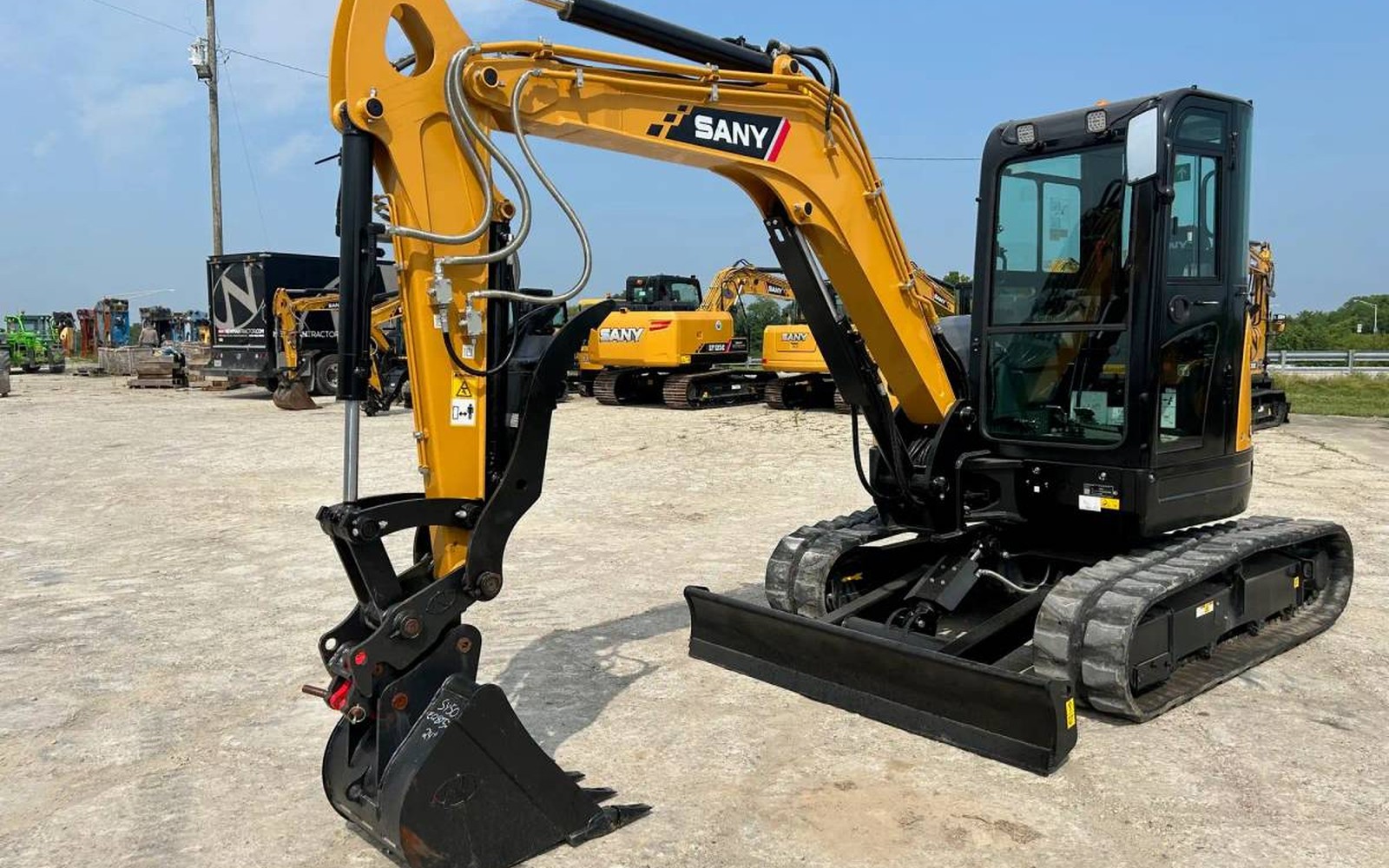
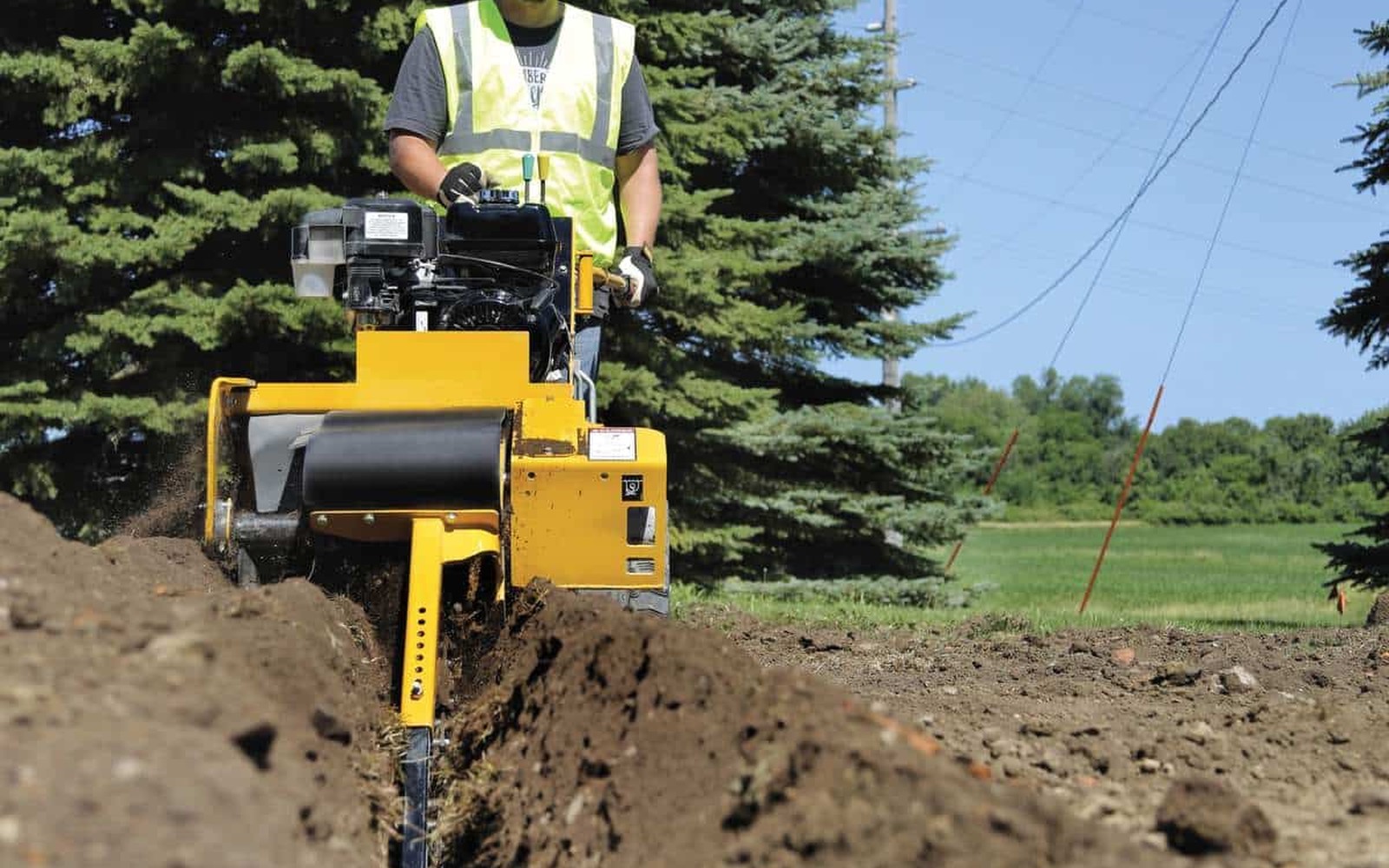
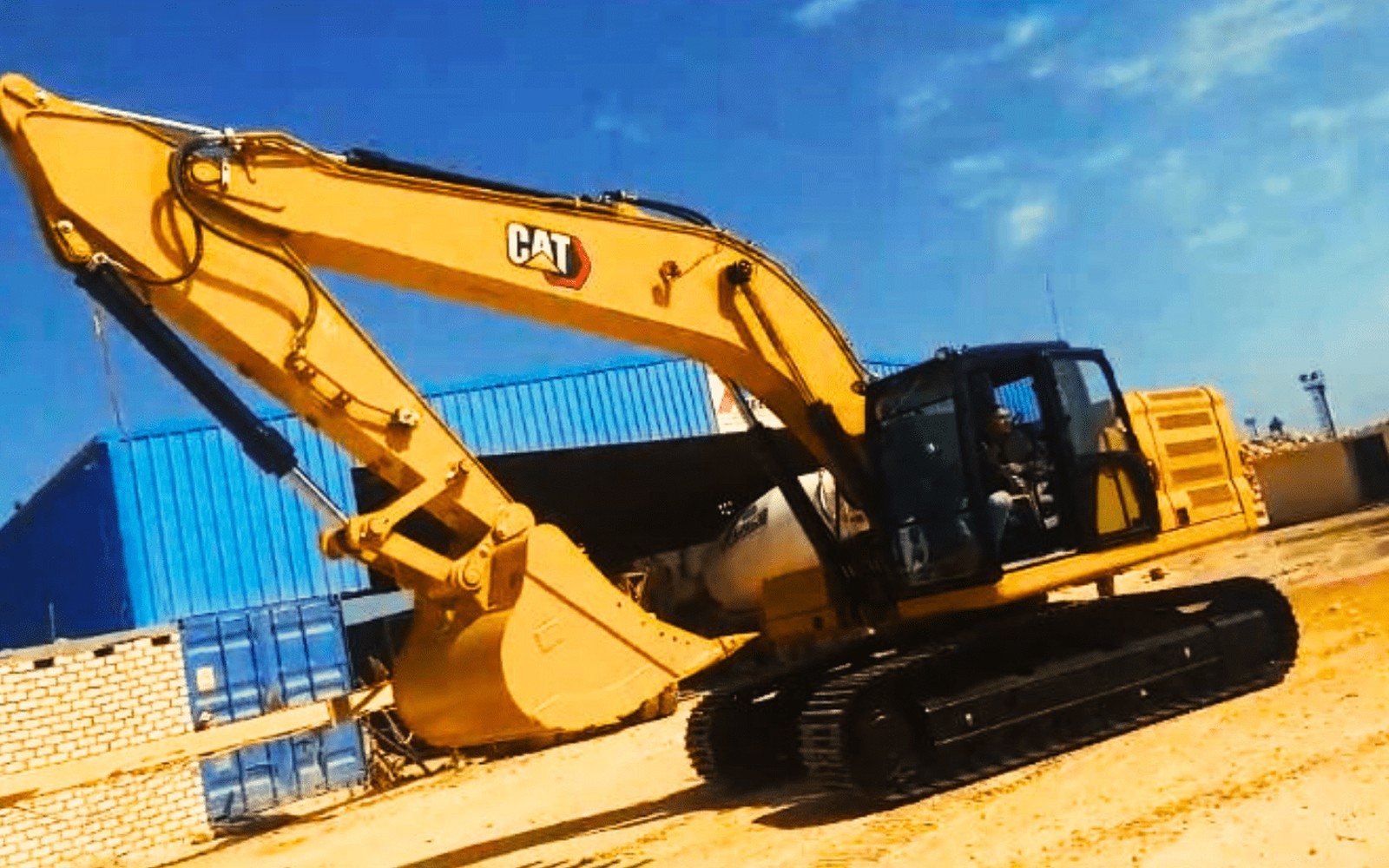
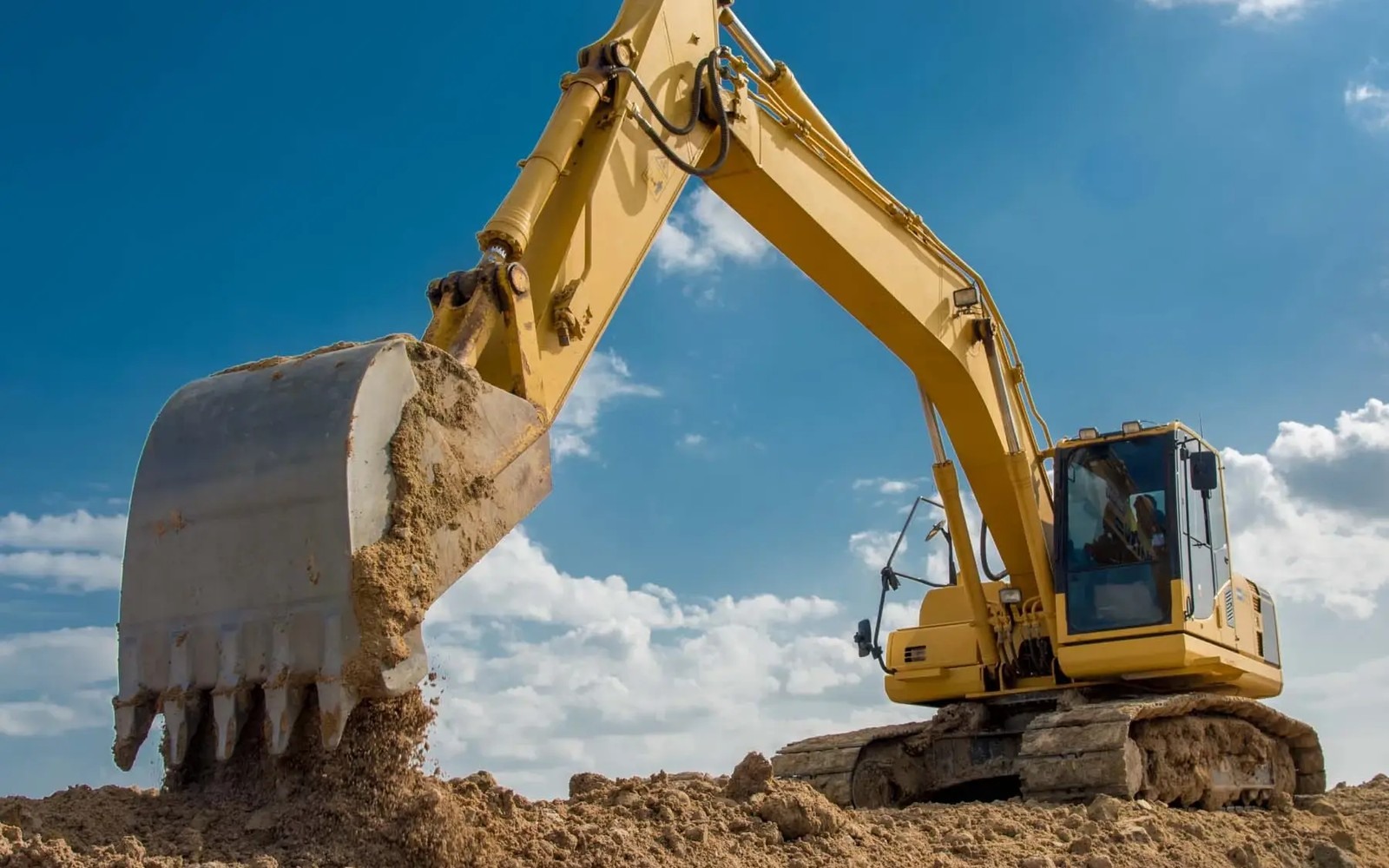
What that means practically: Tucson operators need machines that can handle rocky desert caliche in one corner of the county and sandy alluvial washes in another. Standard excavators in the 20- to 35-ton class handle most of the commercial pad work. Mini excavators are the go-to for tight infill lots inside the city grid. The I-10 and SR-210 utility corridors keep trencher demand strong among pipeline subs. We finance all of it.
How Our Process Works for Tucson Contractors
Submit an application and three months of business bank statements. For purchases up to roughly $400,000 we can often work on application alone, without a full financial package. Once we have what we need, credit decisions typically come back fast, and funding hits in about one to two weeks.
The structure depends on what you need the iron to do. A straight equipment loan keeps you moving toward ownership while you pay the machine off over the job schedule. An equipment lease can lower the monthly payment and preserve cash for mobilization, fuel, and labor. If you already own iron free and clear, a Sale-Leaseback converts that equity into working capital without selling the machine. We also handle equipment refinancing if the original note terms no longer fit where the business is.
Used equipment is fully eligible. We finance iron bought from dealers, at auction, or from a private seller, provided it meets condition and mileage thresholds. For operators with prior credit issues, B/C credit programs are available, often with a larger down payment or additional collateral.
Equipment That Works in the Sonoran Desert
Tucson's geology creates real wear demands. Caliche, which is the calcium-carbonate hardpan that underlies much of the southern Arizona basin, destroys cutting edges and bucket pins faster than sandy coastal soils. Operators here typically spec their attachments and bucket packages more aggressively and budget for faster undercarriage service intervals. We factor that into financing conversations, because the total cost of ownership on a desert machine is higher than the sticker suggests.
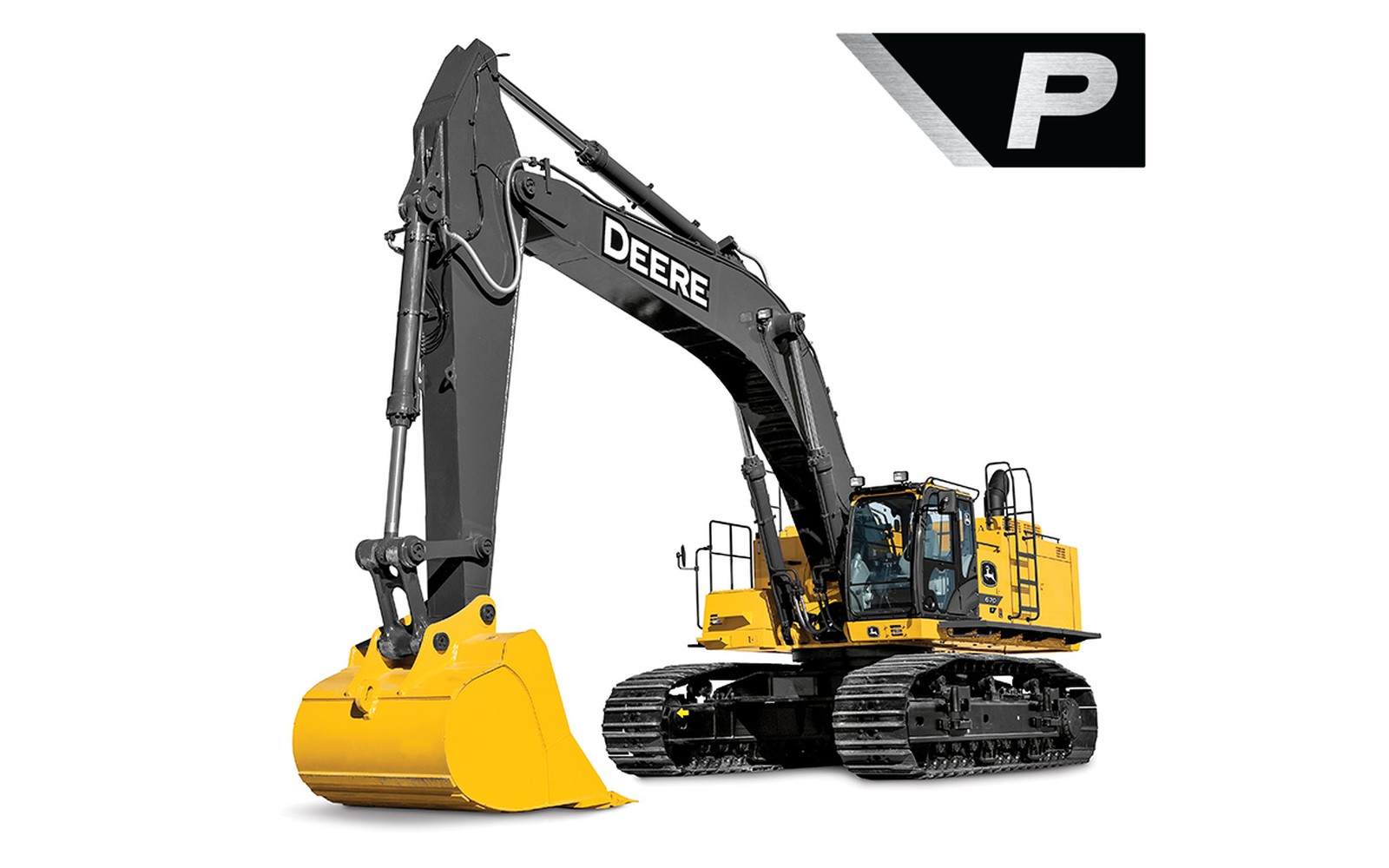
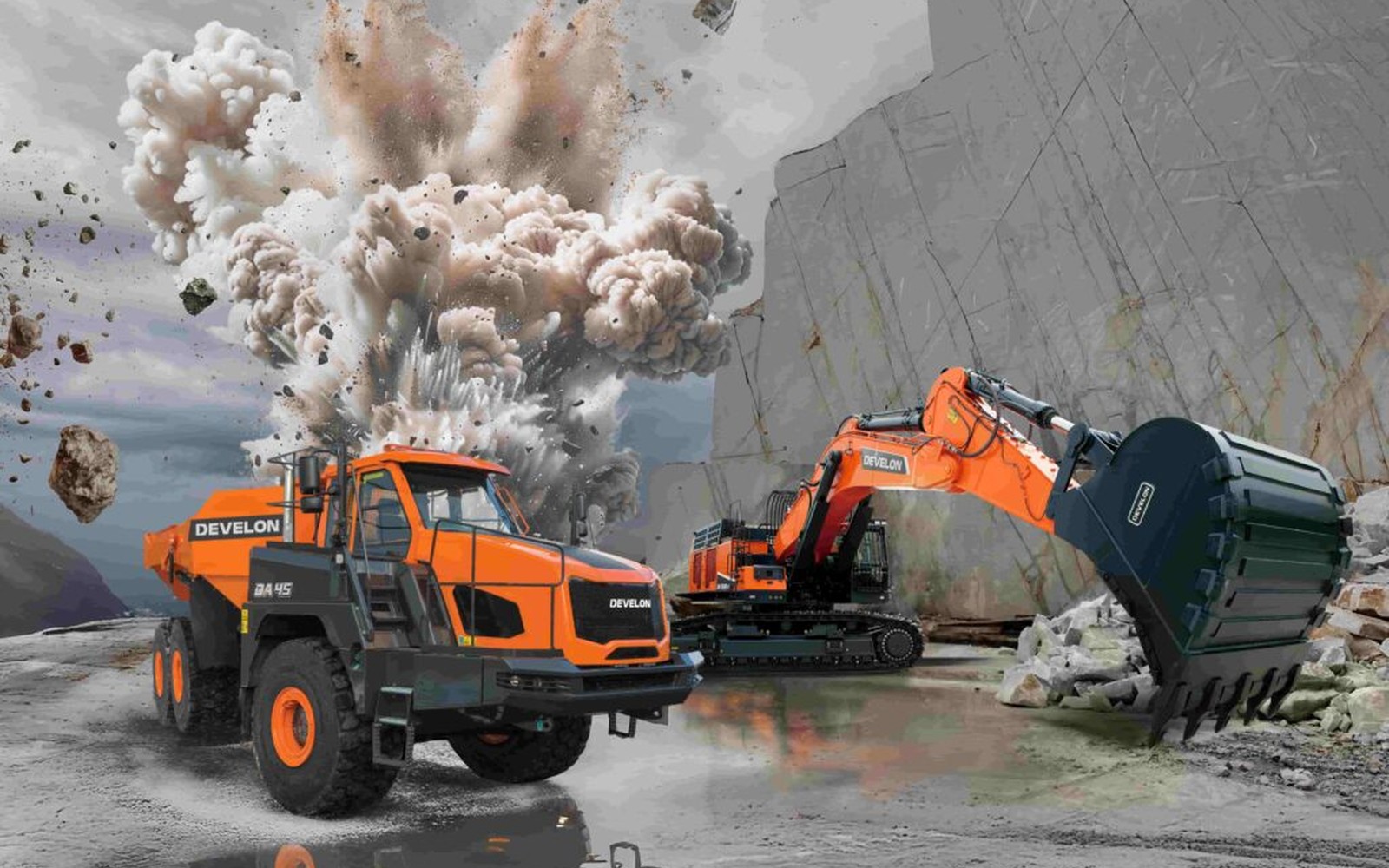
For the big copper-mine prep and haul-road work south of Tucson, large excavators in the 50-ton-plus class are the workhorses. Grade-control systems are standard on most modern machines in this market because the desert floor grades tolerances on industrial sites are tight. We finance the base machine plus factory-installed grade-control electronics as a single package.
What We Look At for Approval
We evaluate the business, not just the credit score. Time in business, revenue trend, and the machine's collateral value all factor in. Contractors with two or more years of operating history and consistent bank activity are the straightforward approvals. Newer operations or those rebuilding after a tough contract year still have options, including startup and new-business financing programs or structured deals with stronger down payments.
Documents we typically need: completed credit application, three months business bank statements, equipment invoice or purchase agreement. For larger deals we may ask for a profit-and-loss statement and prior-year tax returns. We do not require audited financials for most deals running about $50k to $400k.