
San Diego County is one of the more complex site-work environments in the country. Coastal bluffs, canyon networks, hillside terrain, and the region's constrained developable land means that virtually every significant construction project here involves substantial grading, cut-and-fill, or shoring work that demands capable equipment and experienced operators. Defense installation maintenance and expansion, Tijuana border region commercial development, and the county's ongoing residential construction in North County all feed a steady pipeline of dirt work. We finance excavators and heavy equipment for San Diego operators, starting at $50,000, with most of our activity at $100,000 and above, and funding in roughly one to two weeks.
The bid you win in San Diego assumes the machine is ready and the operator has California emissions-compliant iron. That double requirement, the right machine in the right compliance tier, narrows the field of who can pursue certain contracts. Operators who have current, well-maintained equipment can take work that their less-equipped competitors cannot, which means financing access is directly tied to bid access in this market.
San Diego's Site-Work Environment
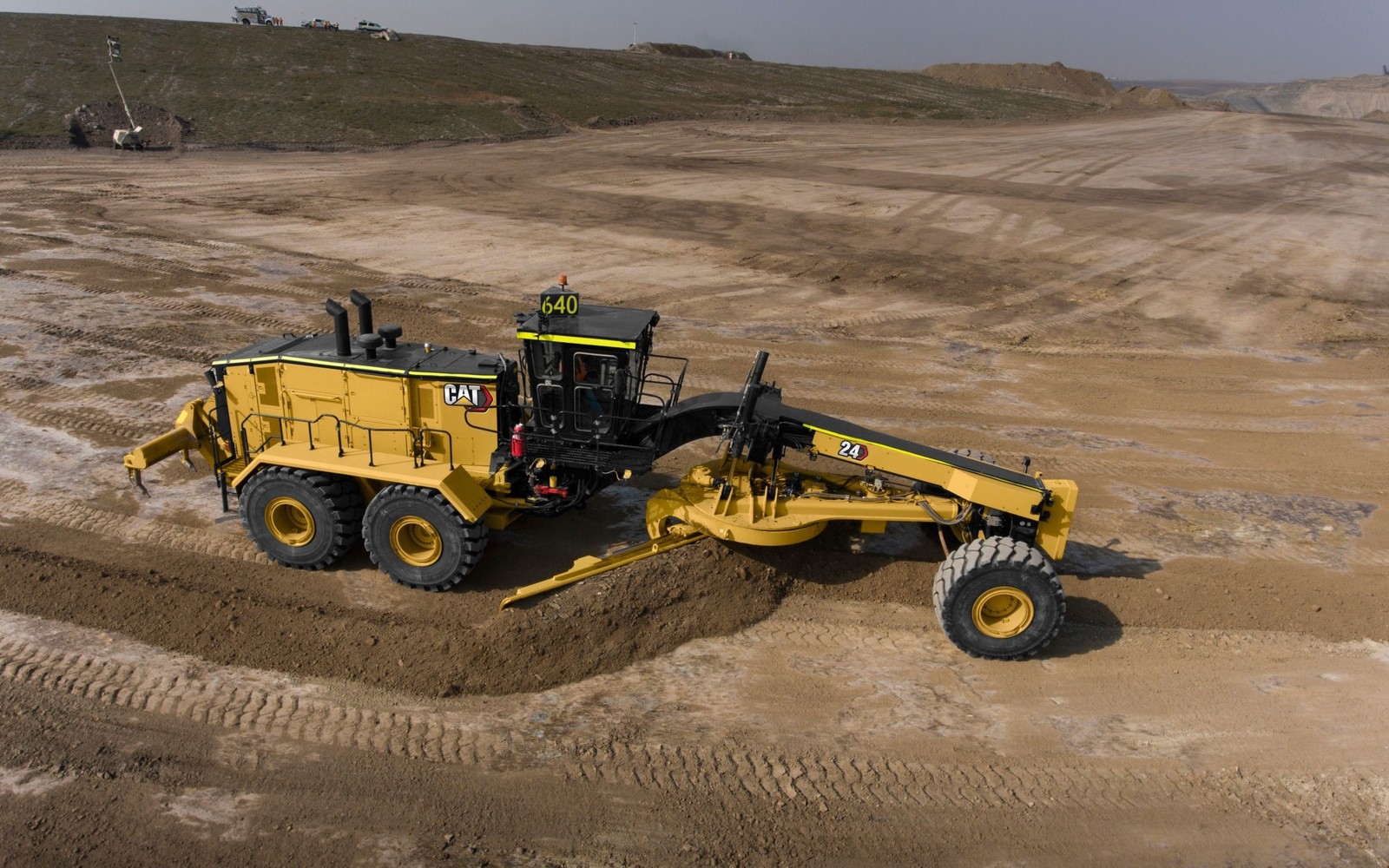
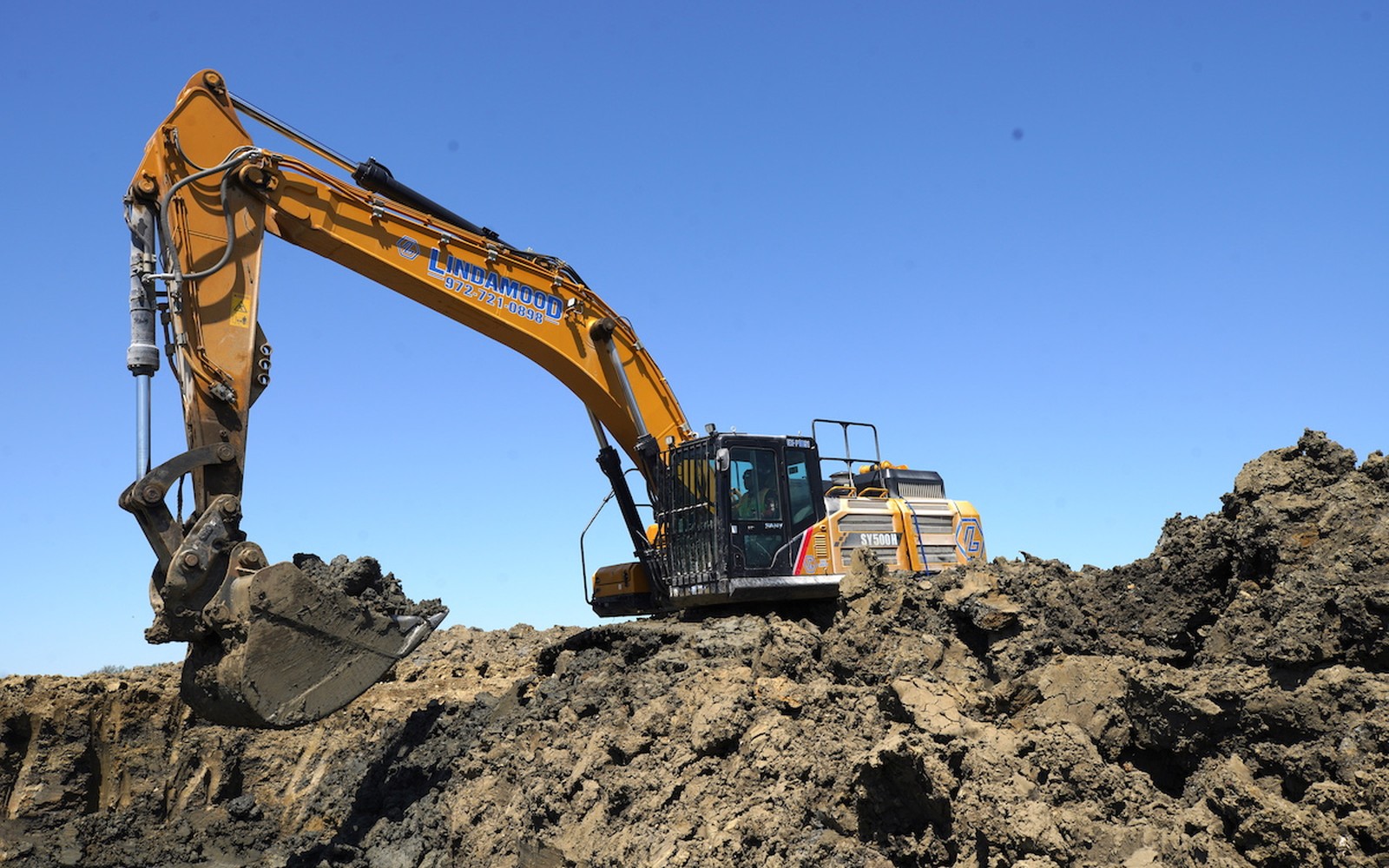
San Diego's topography is the defining constraint for site-work contractors. The county's canyon-and-mesa geography means that most developed areas required significant mass grading before they could be built. New development in the North County, East County, and Otay Ranch areas continues that pattern of large-scale cut-and-fill before the first foundation is poured. Motor graders and compaction equipment are essential on the mesa-cutting operations. Mid-size excavators handle the canyon-edge utility work and foundation excavation that the terrain demands.
The defense sector is a background constant in San Diego's construction economy. Naval installations, Marine Corps bases, and defense contractor campuses in Miramar, Coronado, and Camp Pendleton require periodic infrastructure work including drainage systems, underground utilities, and road improvements. Utility and underground contractors doing that work need tight-access equipment that can work near existing structures without damage. Mini and compact excavators are the right tool for much of that base-infrastructure work, where the working geometry is constrained by existing buildings, fencing, and active operational areas.
Otay Mesa's border-region industrial and commercial development has been steady. The intermodal activity around the Otay Mesa Port of Entry drives warehouse, logistics, and light manufacturing site development that requires graded pads, underground utility installations, and detention basin work. Contractors serving that corridor are dealing with a mix of flat mesa grading and the steep canyon edges where the mesa breaks toward the Tijuana River drainage.
Getting Equipment Financed in San Diego County
Credit application and three months of business bank statements start the process. For deals up to roughly $400,000, application-only review is typically sufficient, and we issue decisions in days rather than weeks. Funding closes in about one to two weeks after the equipment details are confirmed and the purchase agreement is in place.
An equipment loan works for operators who want to own the machine through its full service life. Fixed payments over a defined term, clear ownership at payoff. An equipment lease makes more sense for operators who want to stay current with emissions requirements or equipment technology, since California's rolling upgrade pressure on off-road diesel equipment is real and leasing makes machine rotation easier without a resale transaction.
For operators with existing equipment equity, a Sale-Leaseback on a paid-off machine can fund a second purchase or cover mobilization costs on a large project. We also handle cash-out refinancing if a machine has been paid down well below its current market value. San Diego's tight used-equipment supply and strong demand from multiple contractor sectors has kept used values elevated, which means sale-leaseback math often works in the operator's favor here.
Operators considering the TRAC lease structure should know that it is available here for trucking and equipment assets where you want the flexibility of a terminal rental adjustment clause at the end of the term. That structure is more common on rolling stock but applicable to excavators and earthmoving machines as well.
Credit and Qualification in San Diego
San Diego's contractor base includes experienced operators with long track records and newer businesses competing in the specialty grading and slope-stabilization niches. Both have paths to equipment financing here. Established contractors with two or more years of operating history and consistent bank activity are strong candidates for standard programs. Operators with B/C credit have options through our bad-credit equipment financing program, usually requiring a larger down payment or a supporting contract. Newer businesses can pursue our startup financing program.
Documentation for a standard deal is light: completed credit application and three months of bank statements. Larger deals or credit-challenged applications may require a year-to-date profit-and-loss statement and the most recent tax return. We do not require audited financials for most deals in our typical range. California contractors often carry more complex entity structures and insurance documentation than contractors in other states, but those factors do not complicate the financing process significantly.
Contractors We Work With in San Diego County
Grading and earthwork contractors managing cut-and-fill operations on hillside residential tracts in Chula Vista, Santee, and the North County communities. Site development firms building out the infrastructure for the border-region commercial development in Otay Mesa. Underground and sewer contractors handling the difficult trench work that San Diego's hilly terrain imposes on every utility project, where a straight trench on flat ground is the exception rather than the rule.
Single-machine operators doing residential grading work get the same process as a 15-machine earthwork firm. We have no minimum fleet size, only a $50,000 minimum deal size. If the business cash flows and the machine has collateral value, there is a path to funding. San Diego operators who have been running the same machine for five or six years are often better positioned to upgrade than they realize, particularly if they have kept up maintenance records and the unit would appraise well.
Demolition contractors working the redevelopment zones in downtown San Diego and the older Mission Valley commercial corridor also fit our programs. Demolition equipment in San Diego often has to be California-compliant tier equipment to access publicly funded project work, which means the compliance tier is a real factor in which machines a contractor can put on certain bids. We finance compliant machines and can help you think through the cost-benefit of upgrading older iron.