
Indy is flat, fast-growing, and hungry for site work. The outer ring of Marion County and the adjacent Hamilton, Hendricks, Boone, and Johnson counties have been absorbing residential and industrial development at a steady pace, and that pace has not let up. Contractors who win the bids in this market need equipment lined up before the mobilization notice arrives, not after. That is the problem we solve, and we solve it fast.
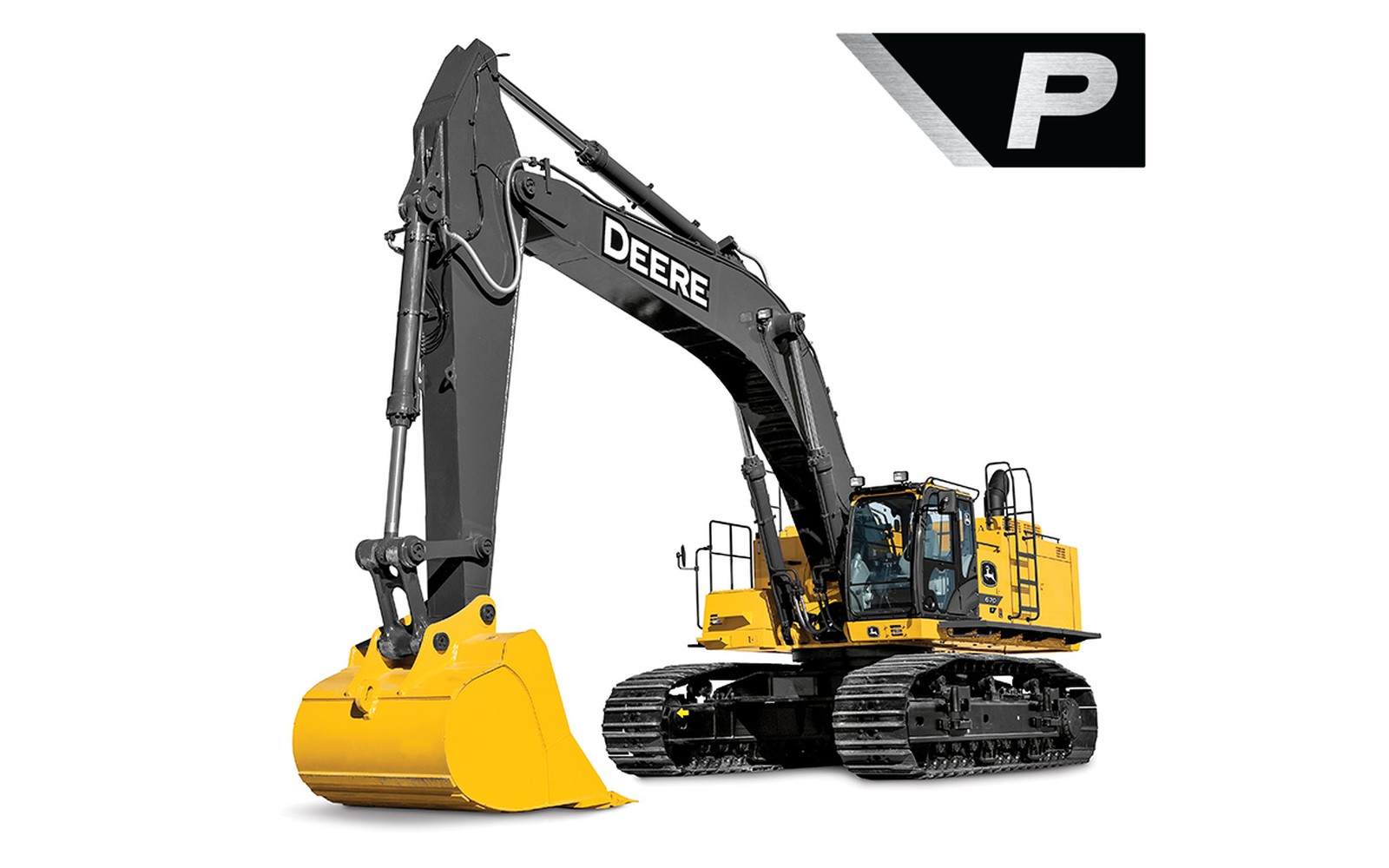
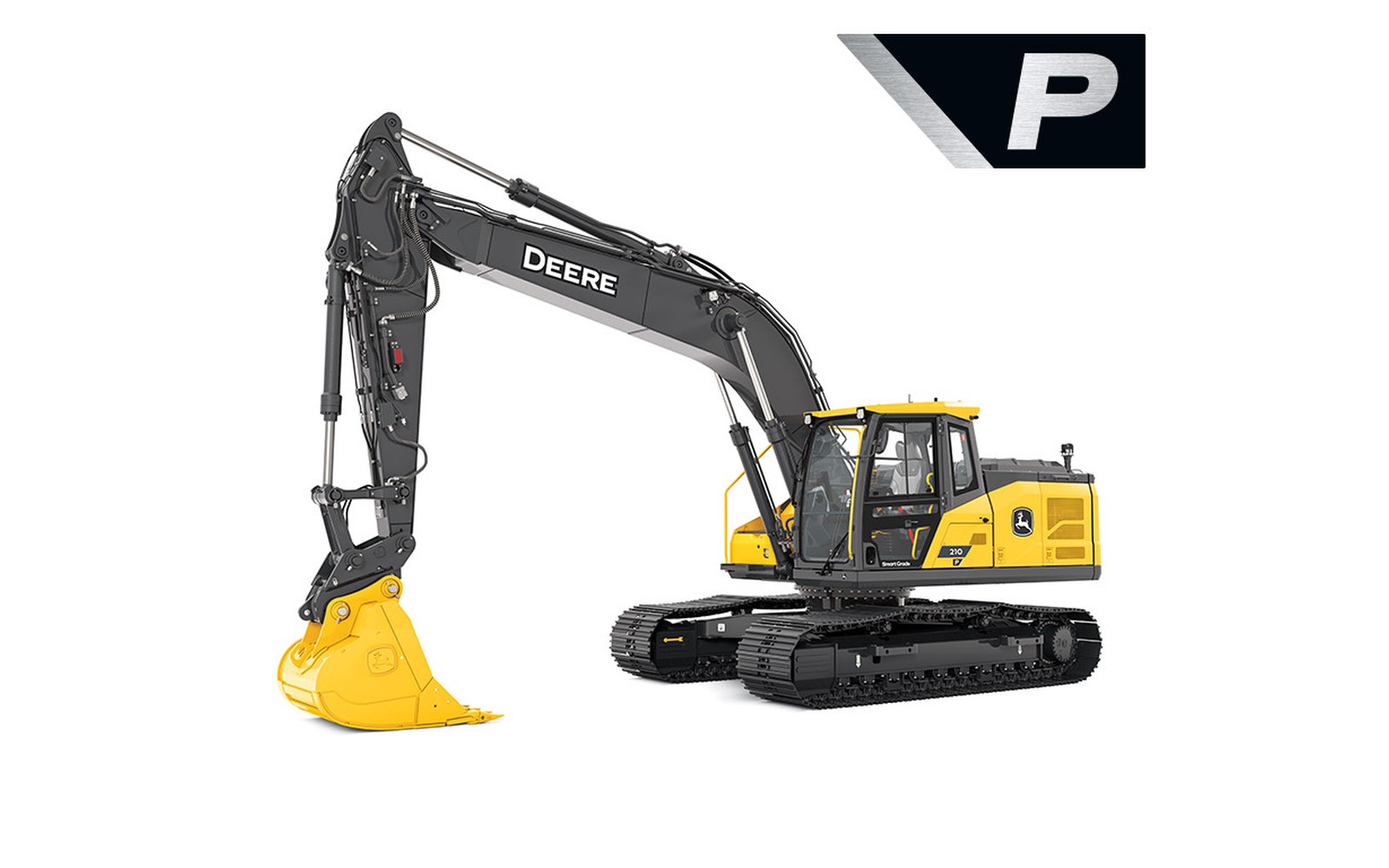
We finance excavators, wheel loaders, dozers, and related earthmoving equipment for Indianapolis-area contractors. Deals start at $50k, the comfortable range for most transactions is $100k to $150k and above, and application-only approvals cover most purchases up to roughly $400k without requiring full financial packages. New dealer units and used iron from auctions or private sellers both qualify.
Indianapolis Construction: Why the Machines Keep Moving
The Indianapolis metro has become one of the major inland logistics hubs in the country. Massive distribution and fulfillment centers along I-70, I-65, and I-74 have generated enormous amounts of site prep work: grading large flat pads, installing storm drainage, constructing access roads, and running utility infrastructure to buildings that can run a million square feet or more. Those are projects for big machines and busy schedules.
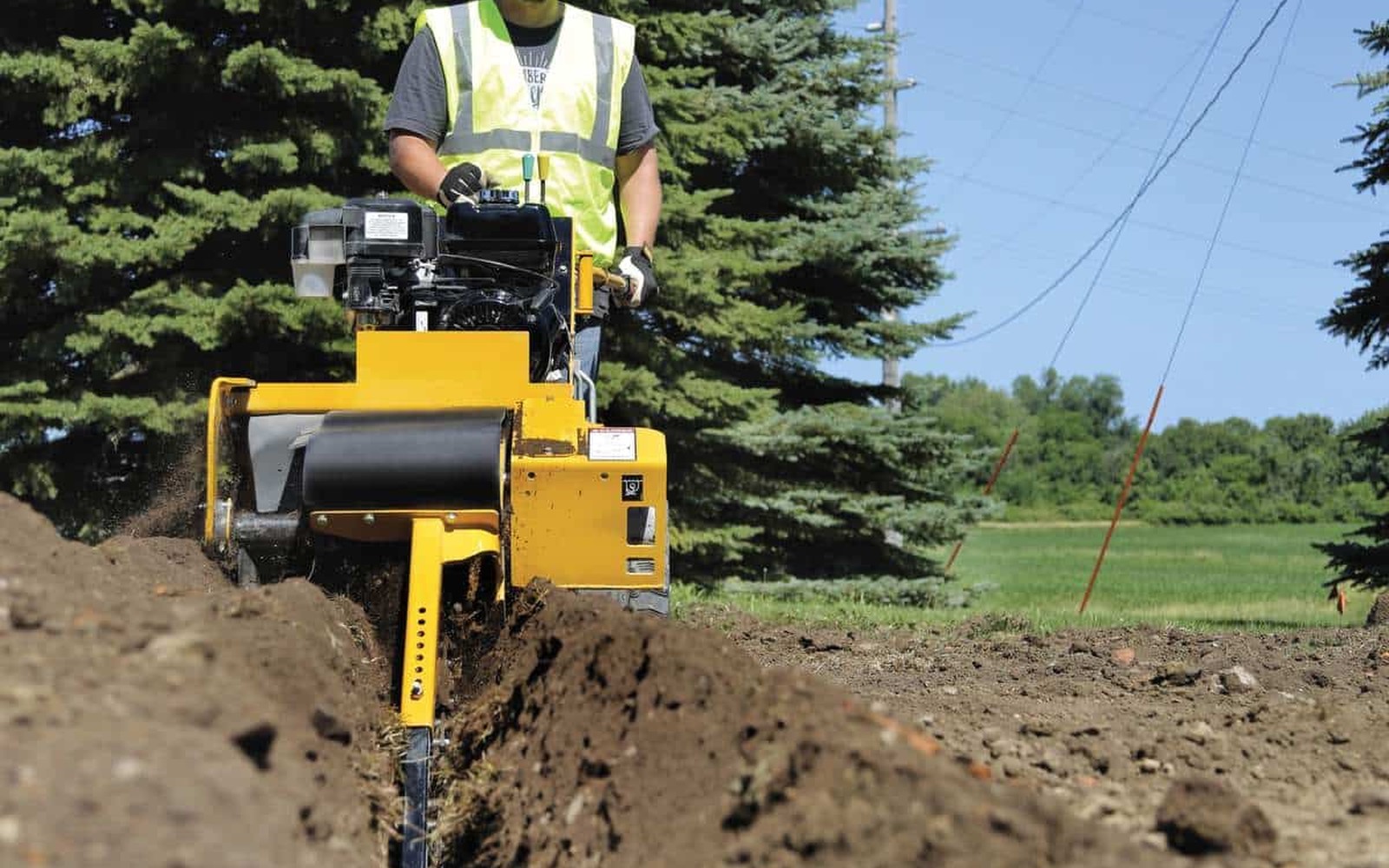
Residential development has followed the workforce that came with the logistics buildout. Fishers, Westfield, Carmel, Avon, and Greenwood continue to push outward, creating consistent demand for residential site builders who need reliable excavators and compactors to keep up with lot delivery schedules. Utility contractors working water and sewer extensions to new developments keep trenchers and compact machines in steady use.
Downtown Indianapolis has also seen redevelopment that requires careful site work, including foundation excavation in tight corridors near existing structures. The city's ongoing investment in road infrastructure keeps road and highway contractors busy with grading, milling, and paving sequences that demand a full range of earthmoving equipment.
What Equipment and What Businesses Qualify
Standard heavy construction equipment qualifies across the board: tracked and wheeled excavators, backhoe loaders, compact track loaders, bulldozers, motor graders, and articulated dump trucks. Used equipment qualifies up to most age thresholds lenders accept, typically up to ten years on standard machines in good condition with documented hours.
Businesses that qualify range from sole proprietors with a single machine and a steady contract history to established companies adding units to an existing fleet. Two or more years in business with documented cash flow is the most common qualification profile. Newer businesses, or those with credit challenges, are not automatically disqualified. B/C credit financing options exist for operators with scores below conventional thresholds, and startup financing programs are available for businesses under two years old that meet other criteria.
The best starting point is a conversation about the specific machine and your business profile. We will tell you quickly what is realistic.
Payment Terms That Match the Work
Standard equipment loan terms run 36 to 84 months depending on machine age, price, and borrower profile. Newer equipment and stronger credit profiles typically access the longer terms, which lower the monthly payment and preserve more cash for operations. Shorter terms cost more per month but build equity faster and reduce total interest paid.
An equipment lease is an alternative to a loan if you prefer lower monthly payments and the flexibility to upgrade at the end of the term. A dollar buyout lease functions like a loan (you own the machine at the end for a nominal amount), while a fair market value lease gives you a buyout option at the term's end at the then-current market price. For contractors tracking Section 179 deductions, a loan or dollar-buyout lease structure typically allows the deduction more cleanly. Your accountant should weigh in on which structure fits your tax situation.
Down payments vary. Application-only transactions on strong profiles can close with no money down. B/C credit transactions typically require ten to twenty percent down depending on the equipment and credit profile. We quote specific scenarios honestly so you know the real cost before committing.
Equipment Demand Across the Indianapolis Metro
The diversity of project types across the Indianapolis metro means contractors here cannot afford to run a single machine class. The logistics corridor demands large equipment for bulk cut and fill. Residential development in the outer ring runs on mid-size machines. Urban infill and utility work inside Marion County calls for compact equipment that fits in tight corridors. A contractor who can cover more than one job type with the right fleet wins more bids, and financing that handles multiple equipment classes in the same borrower relationship is worth having.
Excavating contractors who have been in the Indianapolis market through a full business cycle know that the machine mix has to evolve as the job market shifts. A new logistics park project brings in large excavator demand; a residential development phase brings mid-size machines back to the front; a downtown utility rehab calls for compact equipment. Financing that accommodates all three phases without requiring a full restart of the approval process each time is the right tool for this market.
For operators in underground and sewer contracting, the Indiana Department of Transportation's ongoing interstate and state highway work around the 465 loop and I-65 and I-70 corridors provides a steady stream of large infrastructure projects that keep trenching and excavation equipment in full use. Those contracts are predictable and well-funded, which makes them strong context for an equipment financing application. Contractors winning those bids often need to add equipment quickly when a contract phase kicks off earlier than planned, and our application-only process handles that timeline without the delays a traditional bank loan would introduce.
Get the Machine. Win the Bid.
Indianapolis site work moves fast and the contractors who have equipment available win more bids. Submit your application now and we will have a decision back to you before the competition has made a single call. Our process handles new dealer machines, used iron from auction, private-party purchases from other contractors, and refinancing on equipment you already own. Whatever the machine and whatever the credit profile, we run it through the right program rather than routing you to a dead end. The decision comes back in 24 to 48 hours and funding closes within two weeks. A refinancing option on existing equipment can also free up capital for the down payment on the next unit, making it possible to add to the fleet without additional cash out of pocket. Fill out the short form or call us to start.