
Sewer and underground work is some of the most demanding digging in the construction industry. Tight tolerances on invert elevations, confined trench conditions, shoring requirements, and the constant pressure to keep production up while managing safety on open-cut jobs means the equipment has to perform every shift. A machine that breaks down in an open trench in the middle of a city street is a problem with a price tag. We finance underground and sewer contractors with that reality in mind, putting equipment on-site fast and structuring deals that hold up through the full contract cycle.
Our program covers the excavators, compact machines, and specialty underground equipment that sewer and underground contractors run. New and used equipment both qualify. Application-only approval up to approximately $400,000 for strong credits, with larger deals available through full documentation. Funding in one to two weeks on most files.
Underground Contractor Equipment We Finance
Underground and sewer contractors run a specific mix of equipment shaped by trench conditions, right-of-way constraints, and the need to work around existing buried utilities. The asset mix typically includes:
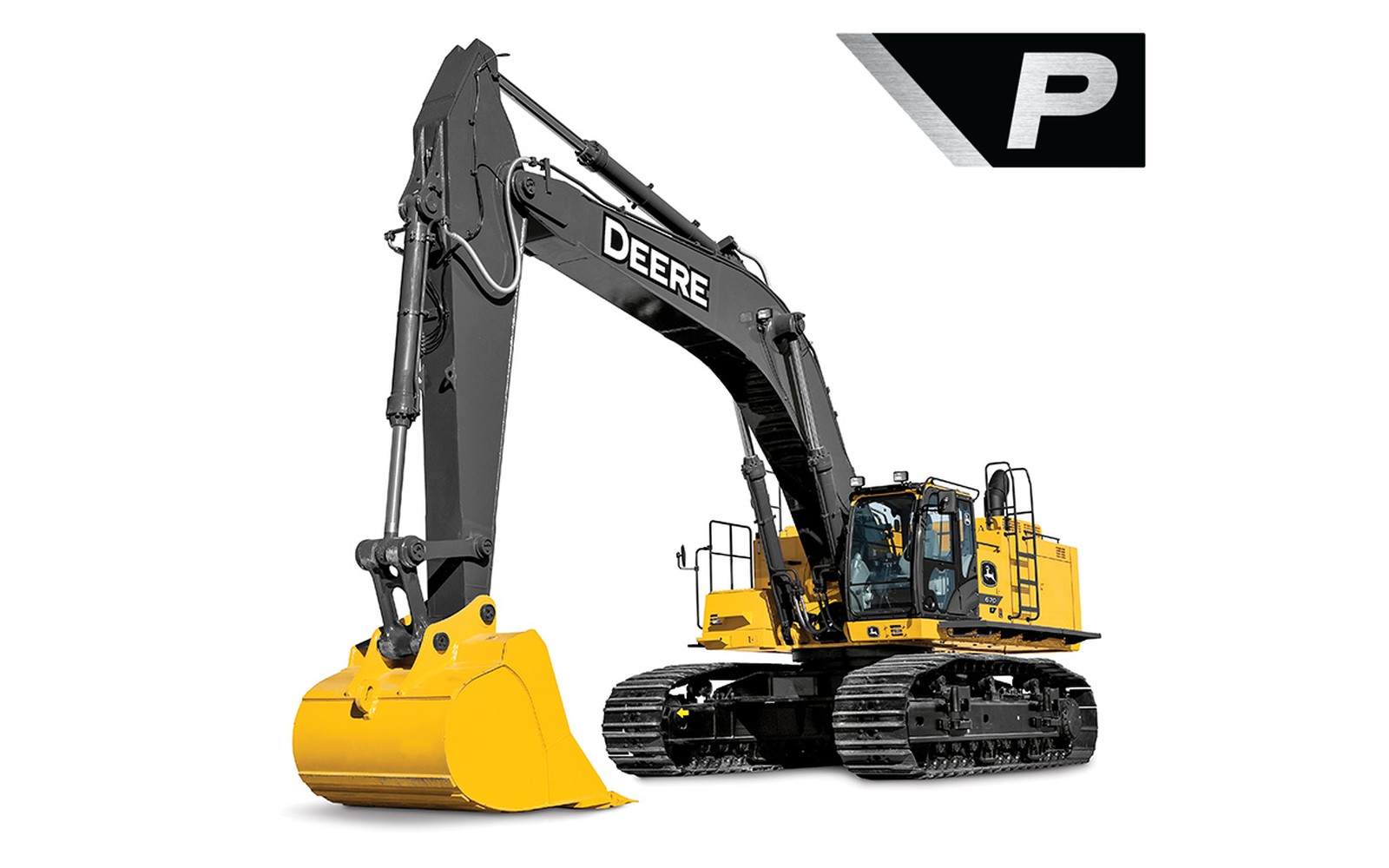
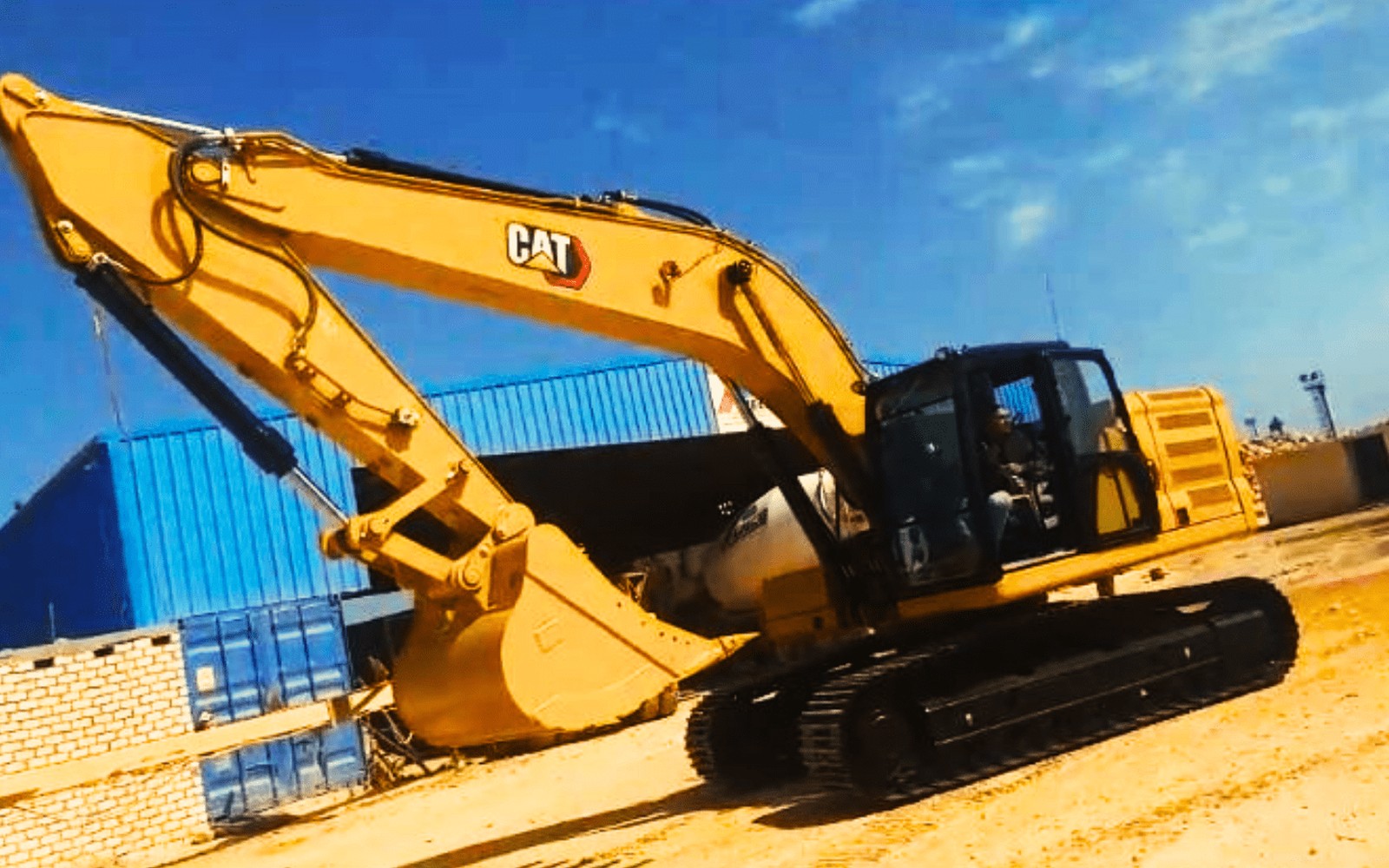
- 15-to-25 ton excavators: The primary digging tool on most sewer main installations. Deep manhole and large-diameter sewer work may require a larger machine, but the 15-to-25 ton class covers the majority of municipal and commercial underground contracts. A Komatsu PC210 or Caterpillar 320 is a common configuration in this segment.
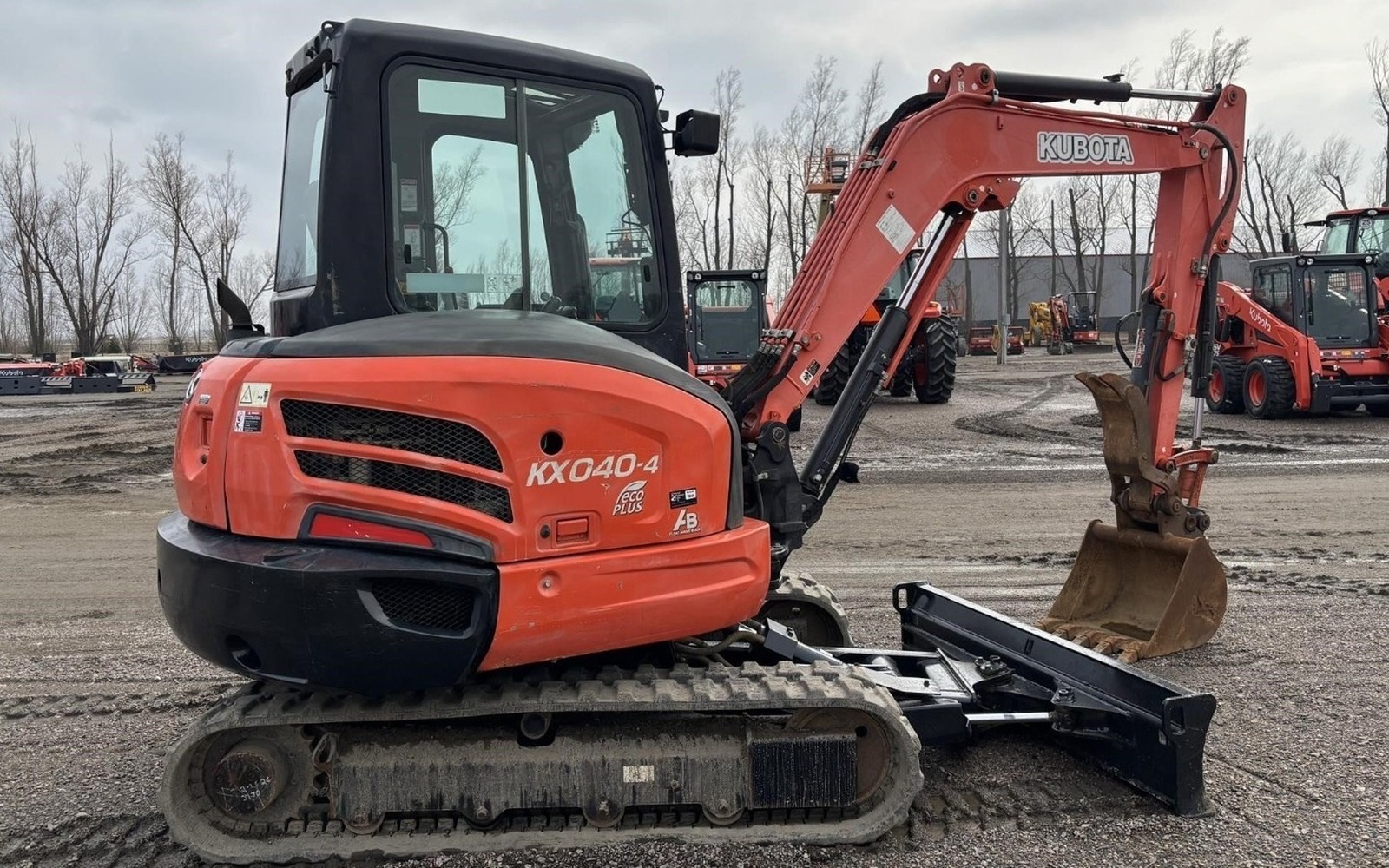
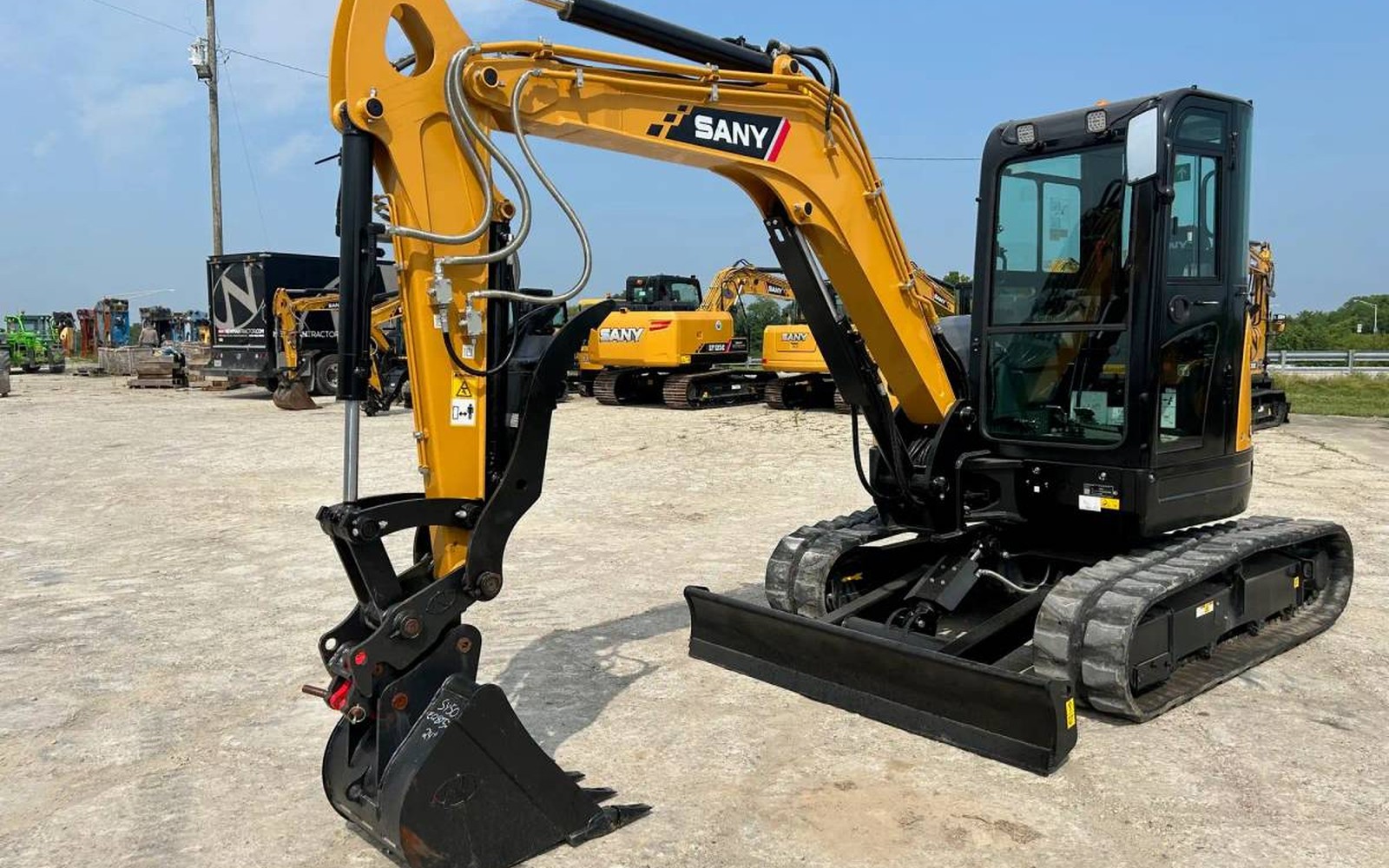
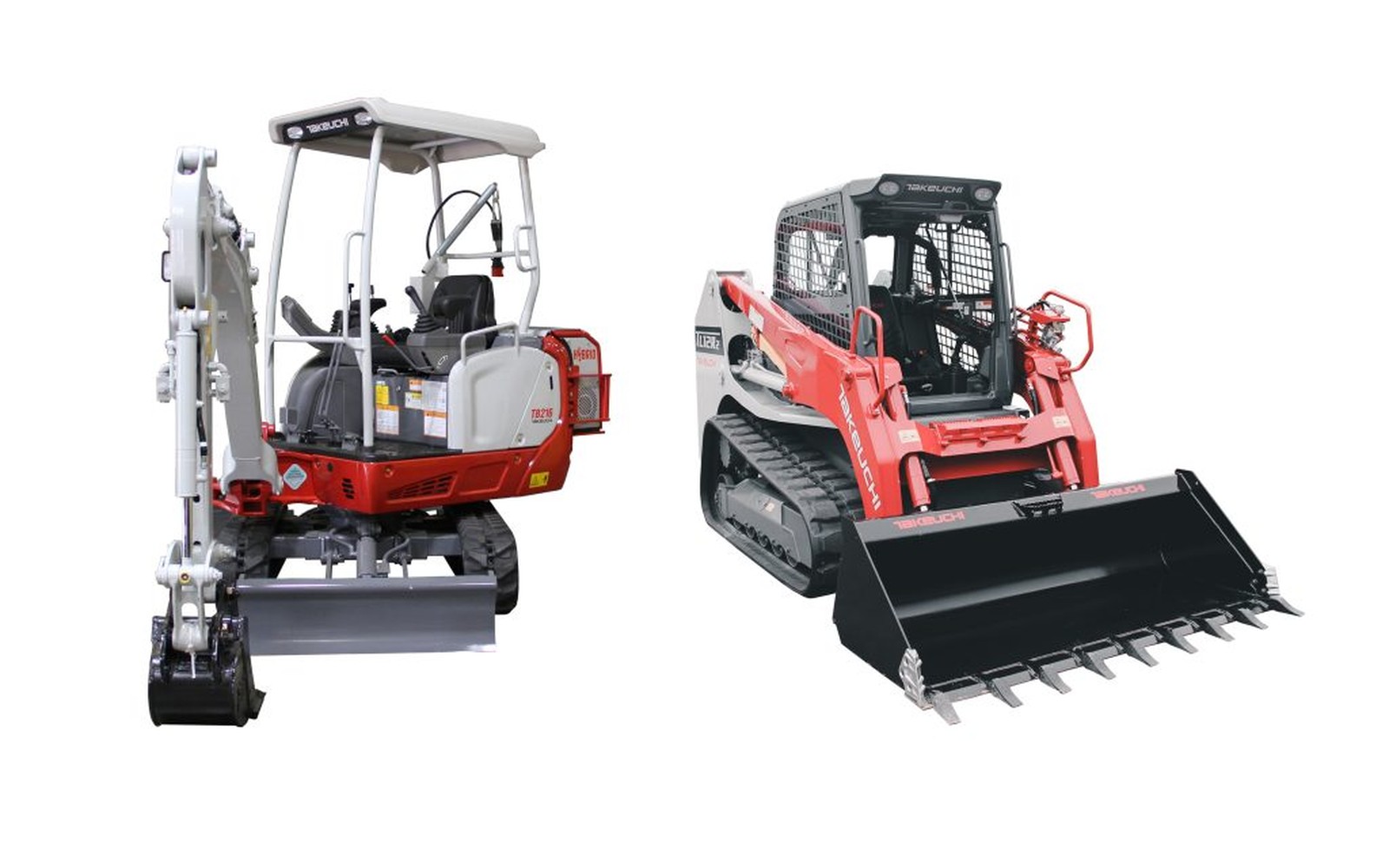
- Mini and compact excavators: Urban underground work in tight alleys, parking areas, and around existing infrastructure requires a small footprint. A mini excavator in the 3-to-8 ton range gets into spaces that shut out larger machines while still delivering meaningful production in the trench.
- Compact track loaders for backfill: After the pipe is in the ground and the shoring is pulled, backfill and compaction in a confined trench requires a machine that can work without damaging the newly installed infrastructure. A compact track loader handles that role efficiently.
- Vacuum excavation equipment: Safe digging around existing utilities uses hydrovac or air excavation systems. These specialized assets are financeable where the purchase price meets our minimum.
- Trench plates, shoring systems, and support tools: Some contractors finance aluminum trench shields, hydraulic shoring systems, and other trench safety equipment as part of a larger transaction.
Underground Contractor Profiles We Work With
Underground and sewer contractors range from single-machine owner-operators pulling residential service laterals to large municipal contractors running multiple pipe-laying spreads simultaneously. We finance across that spectrum:
- Municipal sewer main contractors: Contractors working under city and county public works contracts for new sewer main installation, sewer rehabilitation, and manhole replacement. These contractors typically carry bonding requirements and run multiple active jobs.
- Private sewer and drain contractors: Commercial and industrial site sewer work, parking lot drainage, and large private utility installation. The contracts are private, but the work requires the same production equipment as municipal work.
- Infrastructure rehabilitation contractors: Contractors doing cured-in-place pipe (CIPP) lining, pipe bursting, and trenchless rehabilitation. The equipment for trenchless work is specialized and sometimes more expensive per unit than conventional digging equipment.
Regardless of the sub-specialty, we look at the same core factors: business history, current cash flow, equipment value, and credit profile. Underground contractors often have variable monthly revenue due to project-based billing, and our underwriting reflects that reality.
What You Need to Apply
Getting started is simple. For deals under approximately $400,000 on strong credit, an application-only program skips the full financial documentation requirement. For larger transactions or borrowers with complex credit histories:
- Three months of current business bank statements
- Business entity documents
- Equipment quote or purchase agreement from the seller
- For deals above $400,000 or with credit complexity: most recent one to two years of business tax returns
B and C credit borrowers are considered. A meaningful down payment (typically fifteen to twenty-five percent) often makes a marginal deal fundable. We tell you upfront what structure is available for your specific situation rather than running you through a process that ends in a decline.
Insurance is required on all financed equipment. Underground and sewer contractors already carry general liability and equipment coverage given the risk profile of open-cut trench work, so this is rarely a barrier.
New vs. Used Equipment for Underground Contractors
New equipment from a major manufacturer comes with warranty, defined service intervals, and financing at the most favorable terms available. For an underground contractor who runs equipment hard in corrosive soil and tight trench conditions, warranty coverage on a new machine has real value.
Used equipment, particularly production excavators from Caterpillar, Komatsu, and Volvo with two to four years of age and moderate hours, represents a strong value proposition. A well-maintained used excavator at sixty to seventy percent of the new price delivers the same production at a lower payment. Our used equipment financing program covers machines in this range without requiring them to be dealer-sourced.
Very old or high-hour machines are still sometimes financeable, but the available loan-to-value and term length are more limited. We assess each machine on its individual merits rather than applying a blanket policy on machine age.
Finance Your Underground Contractor Equipment
Sewer excavators, compact machines, vacuum excavation equipment, or a full underground package. Submit your quote request and we will have financing terms in front of you within one business day. The trench does not wait and neither should your approval.