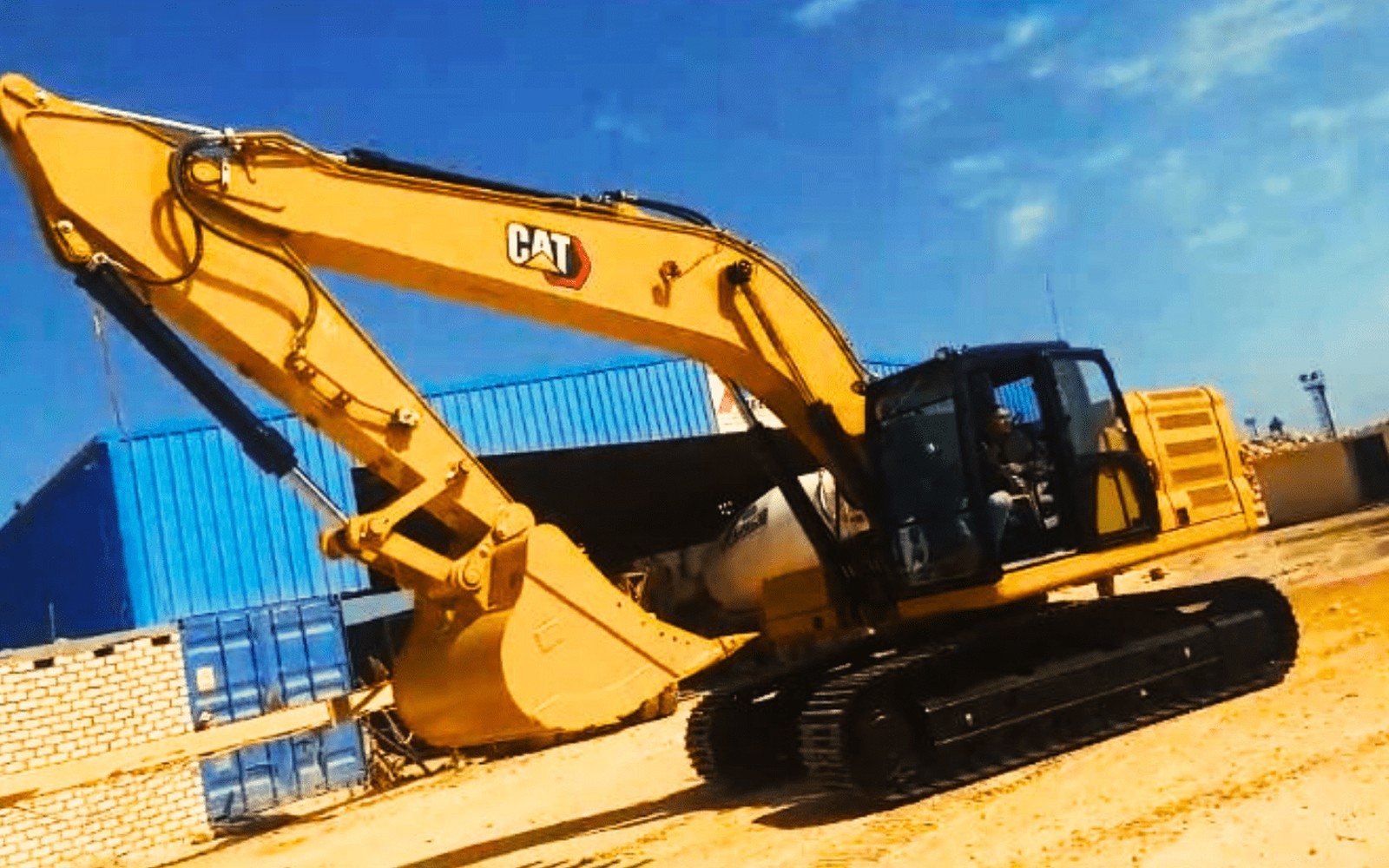

Rock does not move with a bucket. Concrete does not yield to a tooth. Hard material requires a hydraulic breaker, and a contractor without one is writing checks to the specialty subcontractor every time the ground changes under a project. A hydraulic breaker turns a standard excavator or backhoe into a demolition tool, a rock-breaking unit, and a frost-busting machine in northern climates. The cost is real but the payback is faster than most operators expect, because every job you can now self-perform is margin that stays in your pocket.
We finance hydraulic breakers as standalone attachments for machines you already own, or as part of a package deal when you are buying a base machine at the same time. The transaction works cleanly either way, and we handle it alongside our full excavator attachment financing program. Demolition contractors and concrete and foundation contractors are among the most frequent users of our breaker financing program.
Hydraulic Breaker Categories and What They Finance For
Hydraulic breakers range from compact models for mini excavators up to massive primary hammers for large rock excavation and quarry work. The carrier machine determines the breaker class, and the breaker class determines the impact energy and target application:
- Light breakers (under 500 ft-lb impact energy): Mounted on mini and compact excavators for light concrete demolition, frozen ground breakup, and small structure demo. These typically run $8,000 to $25,000, making bundling with the base machine usually necessary to reach the $50,000 minimum.
- Medium breakers (500 to 2,000 ft-lb impact energy): Suitable for midi and standard crawler excavators in the 8-to-20-ton class. Primary applications include utility trenching in rock, roadway demolition, and structural concrete breakout. Price range is roughly $20,000 to $60,000.
- Heavy breakers (2,000 to 8,000+ ft-lb impact energy): For 20-to-60-ton class machines and hard rock or primary demolition work. These units from Atlas Copco, Montabert, Furukawa, and similar manufacturers in the full-size category run $50,000 to $150,000 or more, easily qualifying as standalone financing transactions.
Manufacturers worth noting for their strong resale value and parts availability in North America: Atlas Copco (now Epiroc), Furukawa, Montabert, NPK, Kent, and Rammer. Resale market depth matters for financing because it affects how lenders value the collateral.
Financing a Hydraulic Breaker: Standalone vs. Bundled
Two paths to financing a hydraulic breaker through our program:
Bundled with base machine purchase: If you are buying an excavator and want a breaker as part of the setup, the cleanest approach is to bundle them in one transaction. The combined collateral value is stronger, the documentation is simpler, and you end up with one monthly payment covering everything. Our excavator financing program handles the base machine component.
Standalone attachment financing: For an existing machine, a standalone breaker deal requires the invoice or bill of sale, manufacturer and model details, and basic business application information. Standalone deals work best when the breaker value gets to $50,000 or above, or when you are buying multiple attachments together. Combining a heavy breaker with a set of extra chisels, a tool adapter, and a storage skid often reaches the threshold.
Terms for hydraulic breaker financing are typically shorter than base machine loans: 24 to 48 months is common. Breakers are high-wear items compared to a base machine, and the financing term reflects that. An equipment loan is the most common structure for attachments because it gives you clear ownership at payoff with no residual decision to make.
Who Buys Hydraulic Breakers on Financing
The operators who finance hydraulic breakers through our program share a common need: they encounter hard material regularly enough that renting is costing more than owning. Specific groups:
- Utility contractors working in rocky terrain in markets like Denver, Salt Lake City, or Reno, where frost and hard rock are routine obstacles to pipe and conduit installation.
- Concrete demolition specialists who are removing slabs, footings, piers, and retaining walls as part of site prep or renovation projects.
- Road and highway contractors who break out pavement sections for patching, utility crossings, or pavement rehabilitation projects.
- Quarry and aggregate operators using breakers for secondary breakout on large rock faces that cannot be shot efficiently.
- General contractors who want to self-perform small-scale demolition work rather than subcontracting every piece of it out.
Get a Hydraulic Breaker Financing Quote
Tell us the breaker model, the carrier machine, and the price. We will have a quote back the same day. Most breaker deals close in under two weeks from completed application.