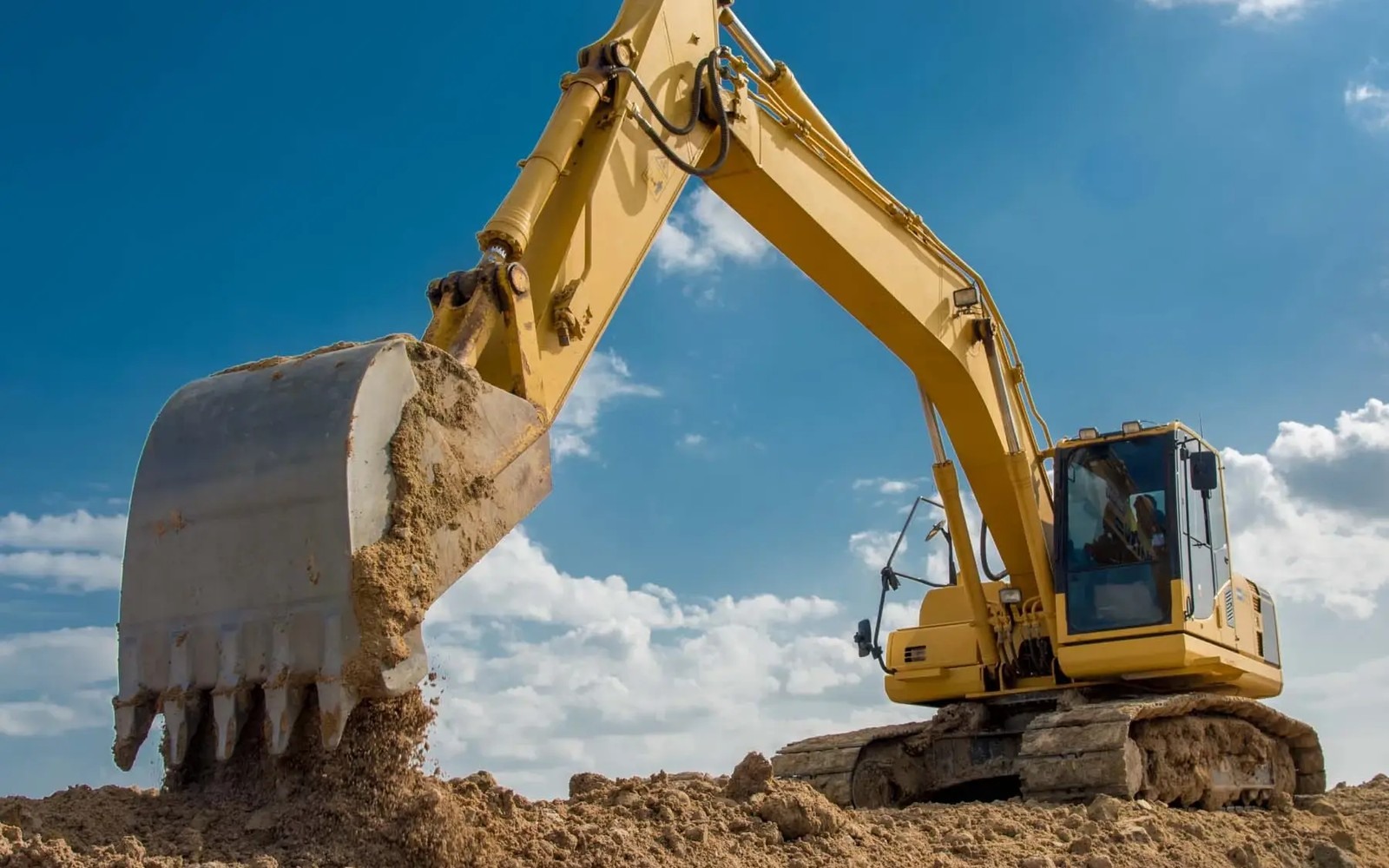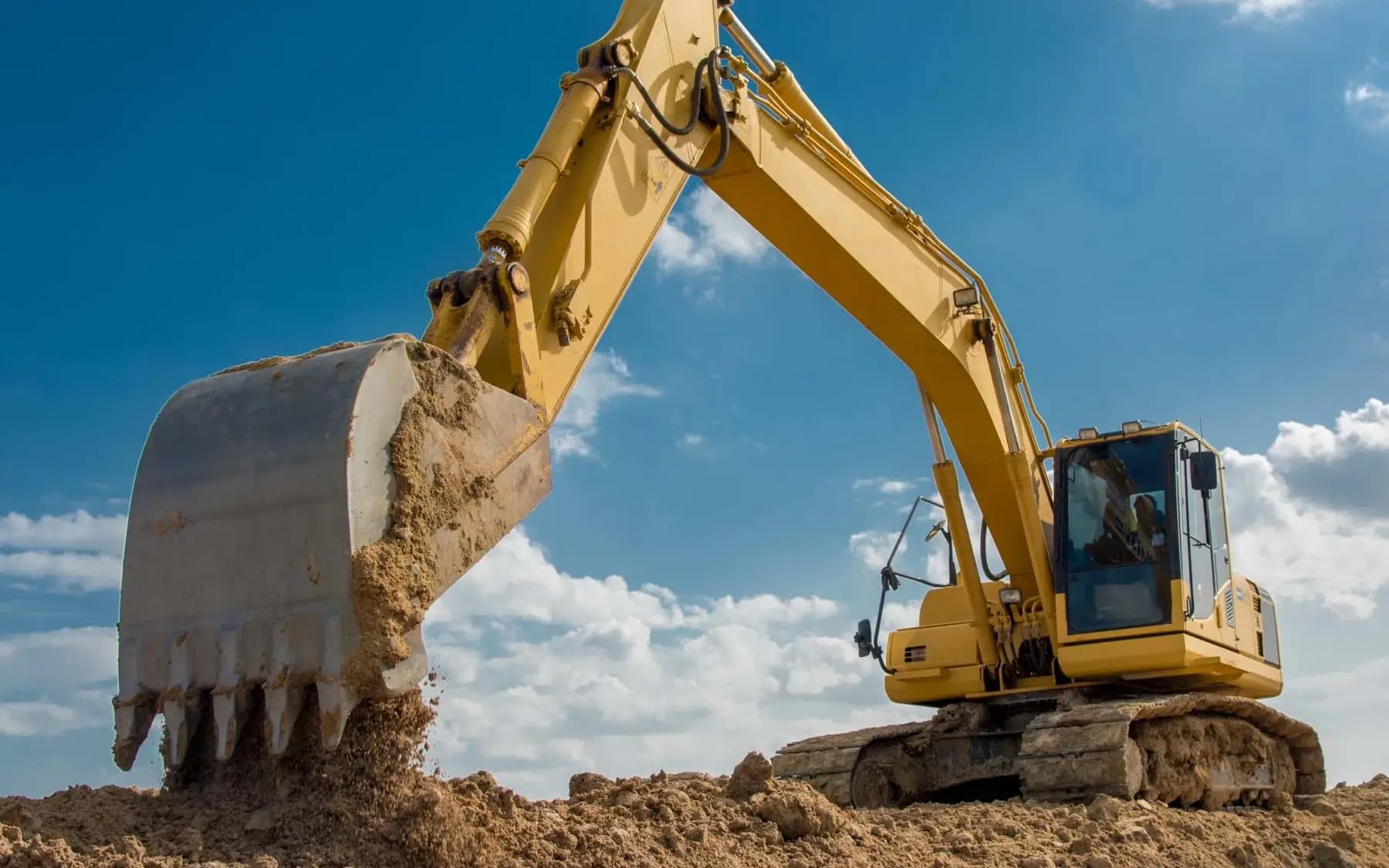

Boise has spent the last decade becoming one of the fastest-growing metros in the country, and the Treasure Valley construction machine has not had time to cool down. Micron Technology's expansion, the ongoing semiconductor and technology campus development, and the relentless residential push into Meridian, Nampa, Caldwell, and the eastern Boise foothills have all created demand that keeps excavating contractors running at capacity. We finance excavators and heavy earthmoving equipment for Treasure Valley operators, starting at $50,000, with most deals at $100,000 to $150,000 and above, and approvals in about one to two weeks.
The Treasure Valley's growth pace has consistently outrun the supply of available site-work contractors. Operators who can field the right equipment and mobilize quickly are winning bids at a rate that rewards capital access. If your financing is in place before you need it, you bid from a position of certainty instead of hoping the deal closes in time for the project start date. That is the competitive angle we help with.
Treasure Valley Construction Demand
Ada and Canyon Counties together form the core of the Treasure Valley market, and both have been in a prolonged construction cycle driven by in-migration. Meridian, Nampa, and Eagle have all seen multi-year residential absorption that keeps site development crews booked out well ahead. The Micron semiconductor campus expansion in Boise proper has driven significant commercial and infrastructure site work, including utility upgrades and graded pads for supporting buildings in the Southeast Boise industrial corridor. That kind of industrial anchor drives secondary commercial development that generates additional site-work contracts for subcontractors throughout the valley.
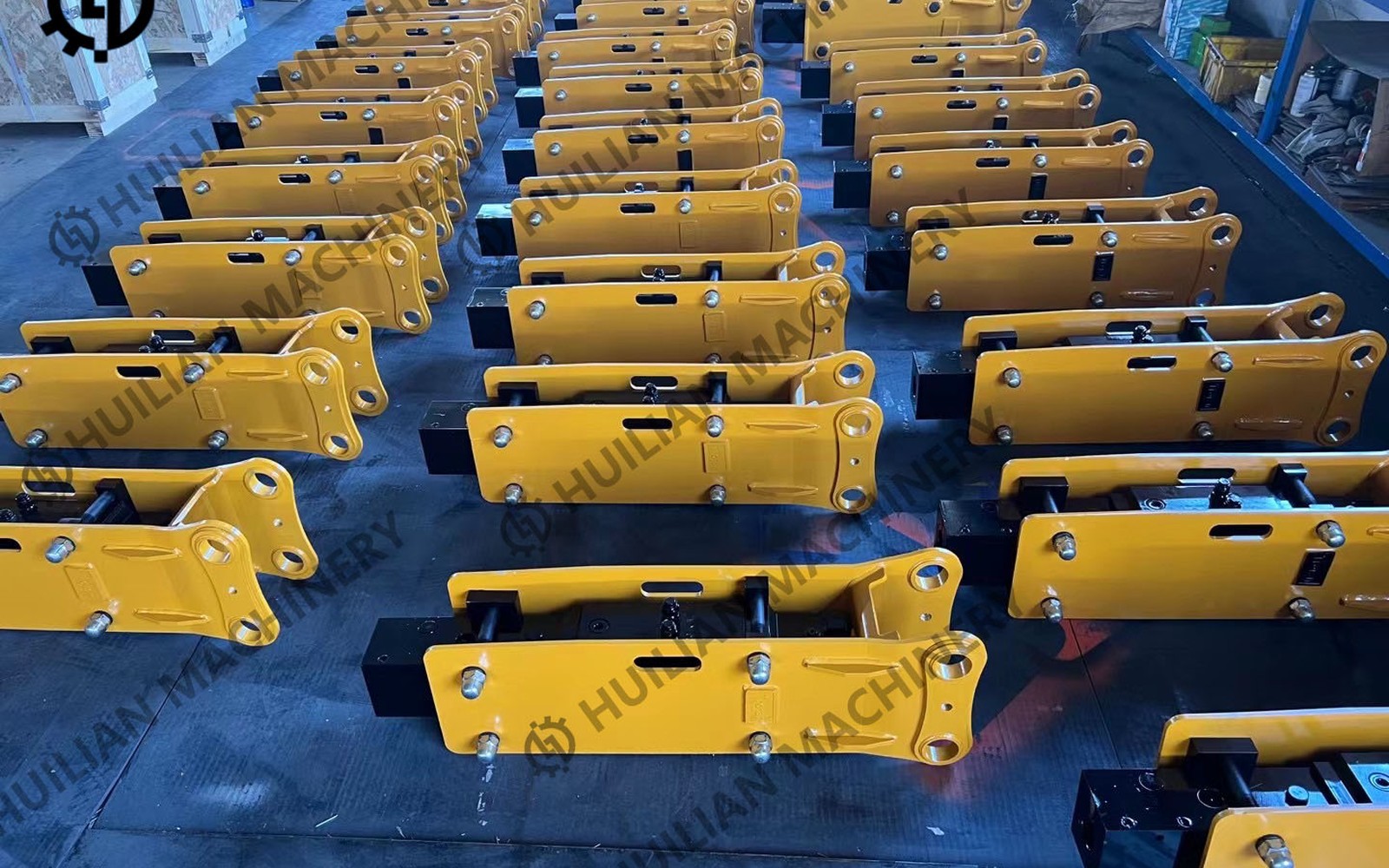
Idaho's agricultural base also feeds site-work demand. Irrigation infrastructure upgrades, grain storage facility construction, and the periodic drainage work on the valley floor around the Snake River Plain require standard excavators and trenching equipment. For operations near the foothills and canyon edges of the Treasure Valley, rocky basalt terrain is a factor that makes hydraulic breaker attachments common on crews working elevated ground. Contractors who work the valley floor and the hillside lots in the same season need equipment configured to handle both soil conditions without swapping machines.
The College of Western Idaho and Boise State University's campus improvements, along with Saint Alphonsus and St. Luke's health system facility expansions, add institutional construction to the mix. Large institutional projects typically require extensive underground utility work and site grading before vertical construction begins, which means months of excavation and underground-installation work before a crane shows up.
Equipment Financing for Boise Contractors
Credit application plus three months of business bank statements. Application-only processing handles most deals up to roughly $400,000. Decisions come back in days and funding completes in about one to two weeks after confirming the equipment details and the purchase terms.
An equipment loan gives you ownership at payoff, fixed payments, and the machine on your balance sheet from day one. When you own it, you also control the maintenance schedule, the attachment configuration, and the utilization pattern without a lessor's approval required. An equipment lease lowers the monthly number and gives you flexibility to swap into updated iron at lease end without selling. A dollar buyout lease blends both: lease-payment economics with guaranteed ownership for one dollar at term end.
Idaho does not carry California-style emissions mandates, so older machines are fully eligible for most Idaho projects. That keeps the used market wide open, and used equipment financing is a practical path for Boise-area operators who want capable iron without a new-machine price. We finance used machines from dealers, auctions, and private sellers across the Treasure Valley and neighboring states. For contractors who want pre-approval before heading to an auction, that is available and it changes the bidding position significantly.
Equipment That Fits the Treasure Valley
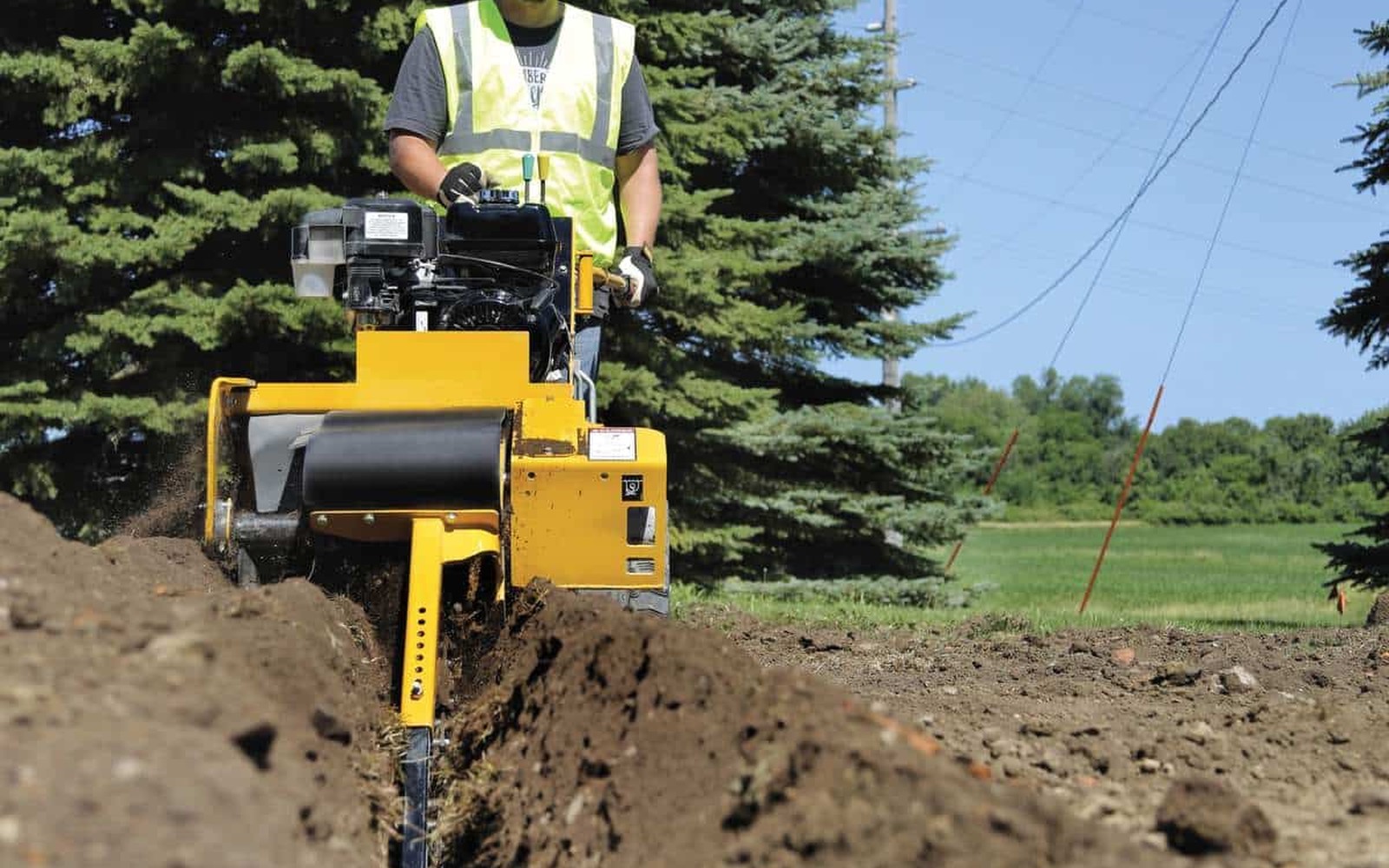
The predominant site work in Meridian and Nampa residential tracts calls for excavators in the 10- to 25-ton range. Those machines handle foundation excavation on standard lot sizes, utility trenching, and the final grading work that brings a scraped pad to finished grade. Compact track loaders are a constant companion on those same sites for cleanup, gravel spreading, and working in areas where the excavator is too large to maneuver. We finance both machine types and can bundle them into a single transaction.
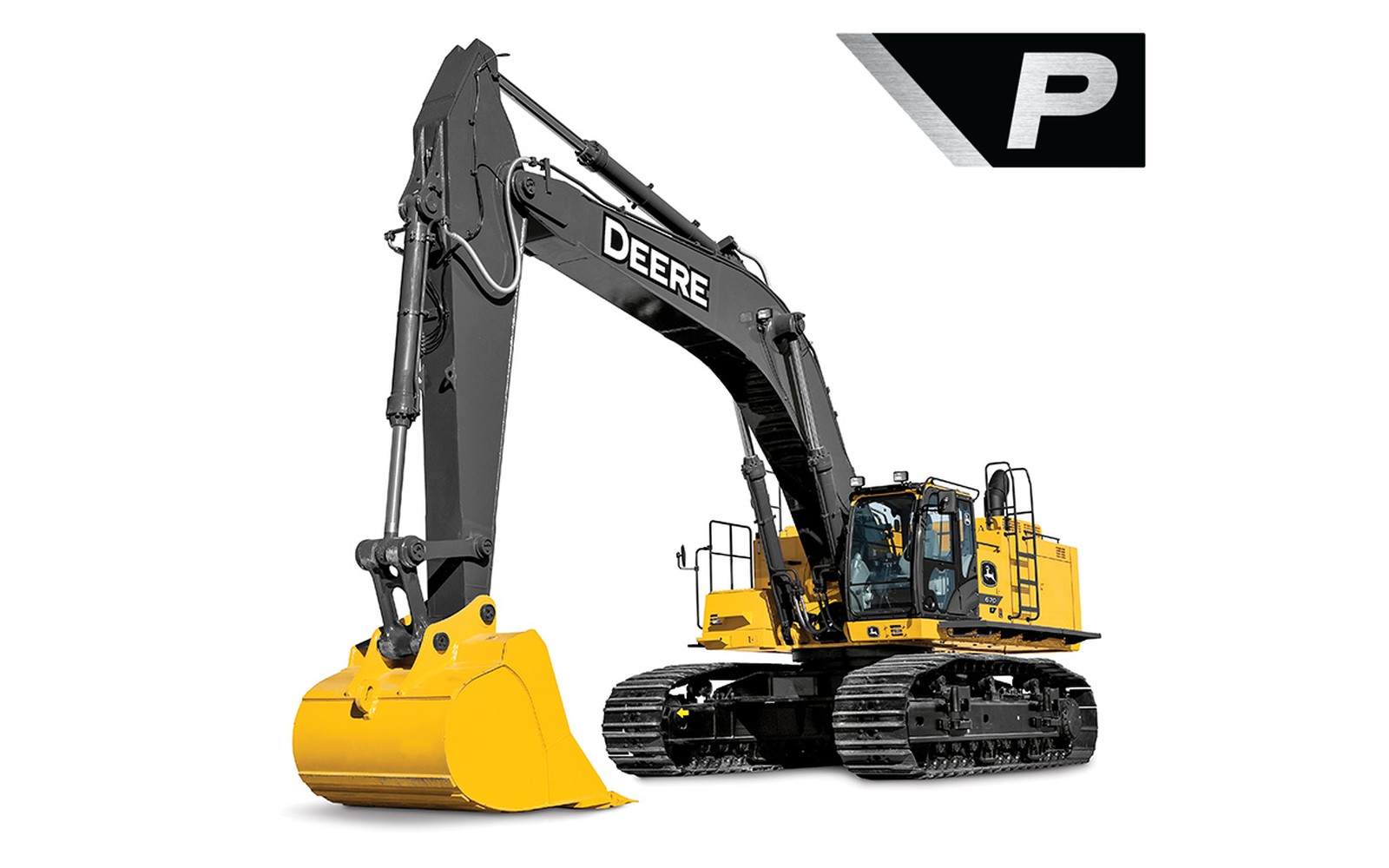
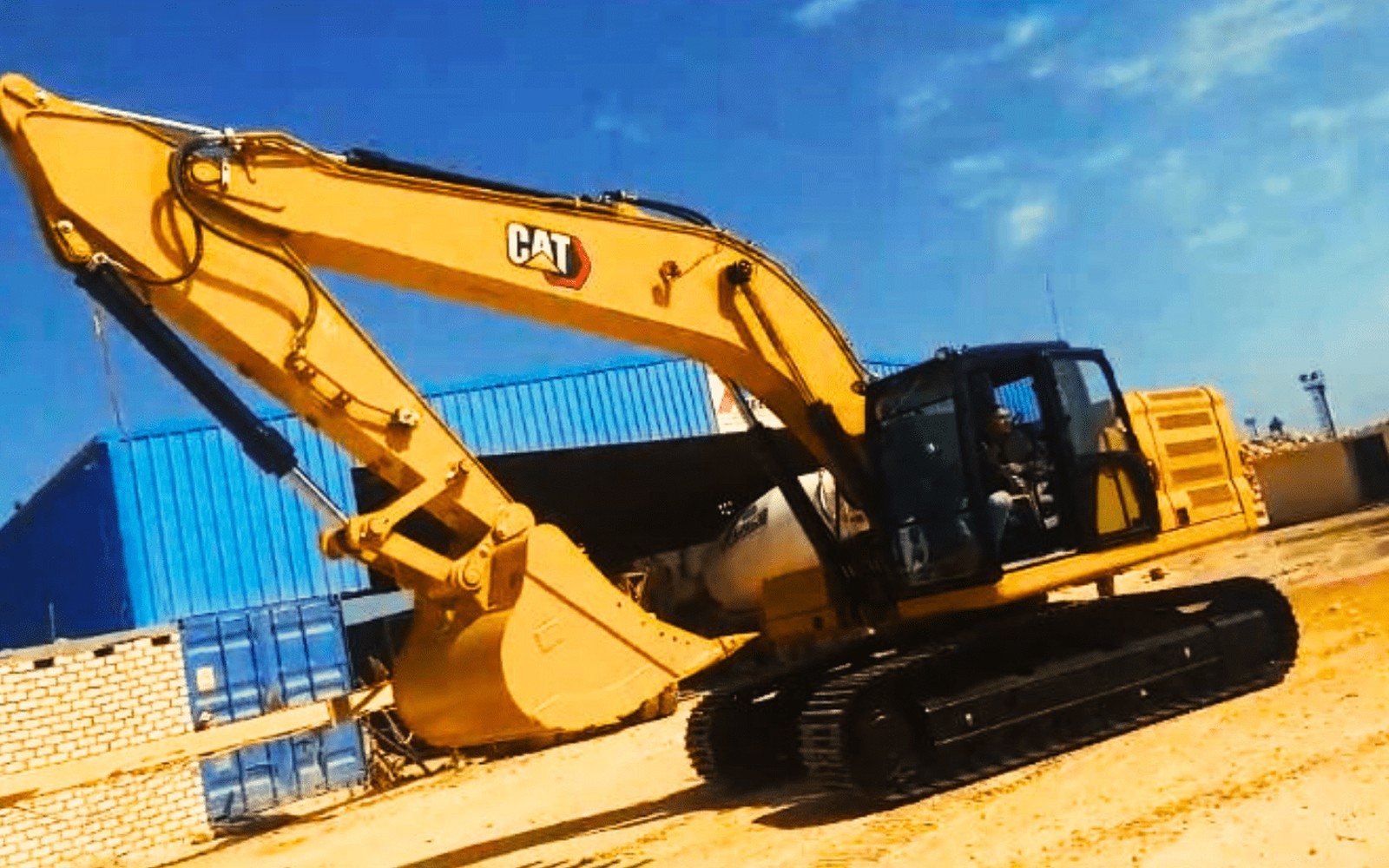
For the commercial and industrial projects in Southeast Boise and the Nampa-Caldwell industrial corridor, larger machines in the 25- to 40-ton excavator class are the right fit. Those sites involve deeper utility work, larger cut-and-fill volumes, and sometimes the hard basalt conditions that make a rock-equipped machine necessary. Motor graders for final finish grading on large commercial pads, and soil compactors for the lift-by-lift fill work, round out the typical commercial site crew package.
Operators We Work With in the Treasure Valley
Residential site builders developing the infrastructure for the Meridian and Nampa tract subdivisions that continue to absorb the valley's in-migration. Utility contractors running water mains, sewer lines, and irrigation infrastructure ahead of Boise's residential expansion. Grading and earthwork firms handling the commercial and industrial pad work in the Southeast Boise technology and industrial corridors.
Single-machine operators, established fleets, and everything in between. If your business is in the Treasure Valley, you bid against operators using well-financed iron every day. We help level that equipment access. Minimum $50,000, no maximum fleet size requirement. The paperwork is the same for a one-machine operation as it is for a ten-machine fleet.
Credit and Qualification in Idaho
We evaluate time in business, revenue trend, and the machine's collateral value together. Established contractors with two or more years of operating history and clean bank activity are standard approvals. Operators with prior credit challenges have options through our B/C credit program, which typically involves a stronger down payment or a signed contract to support the file. Newer Idaho businesses can pursue our startup financing program with supporting documentation and a personal guarantee.
Documentation is light for standard deals: credit application and three months of bank statements. Larger transactions or B/C credit situations may require a year-to-date P&L and the most recent tax return, but we do not require audited financials for the deals in our typical range. Idaho's business climate for contractors is straightforward, and the entity structures we see from Treasure Valley operators are generally simple to underwrite.