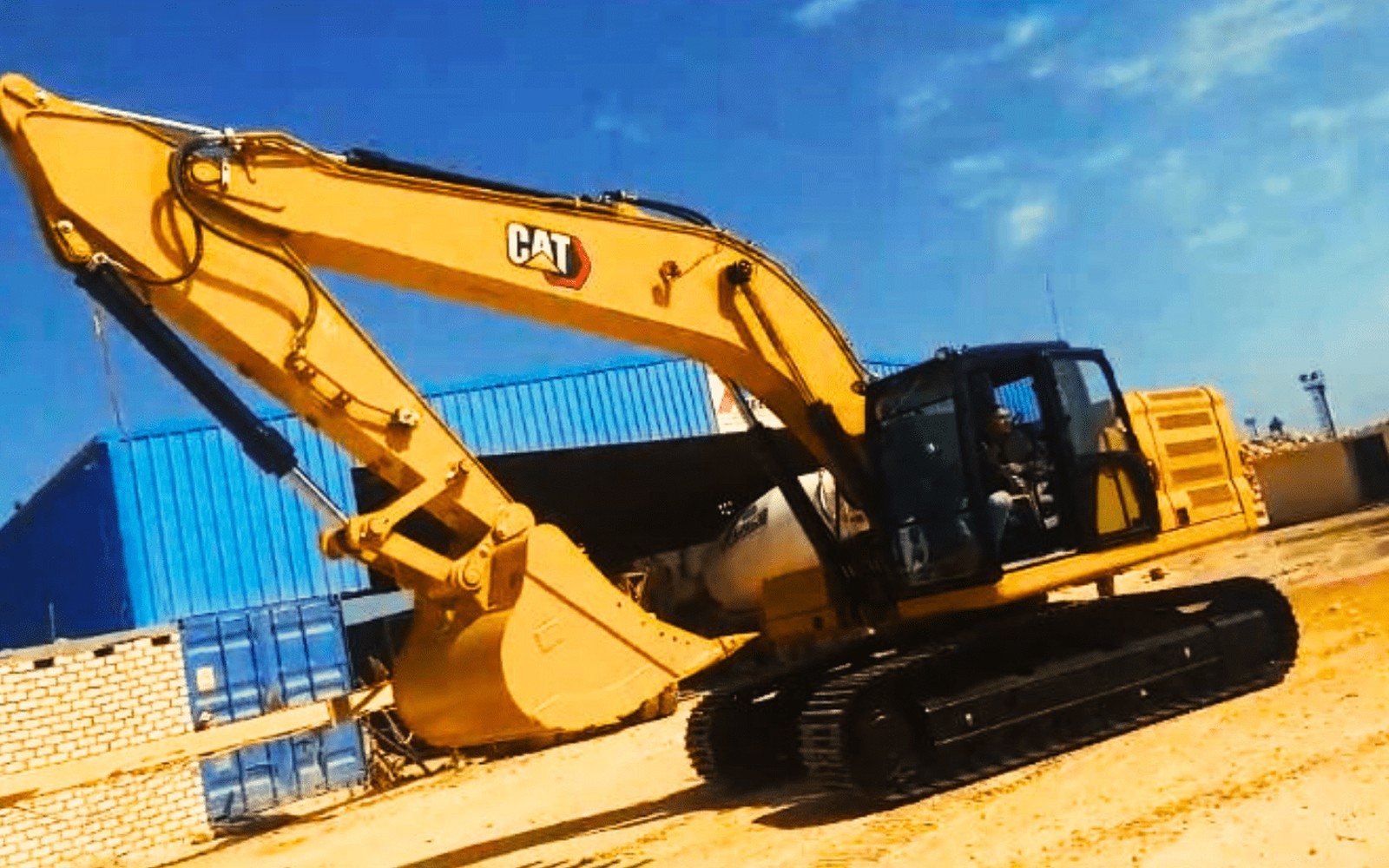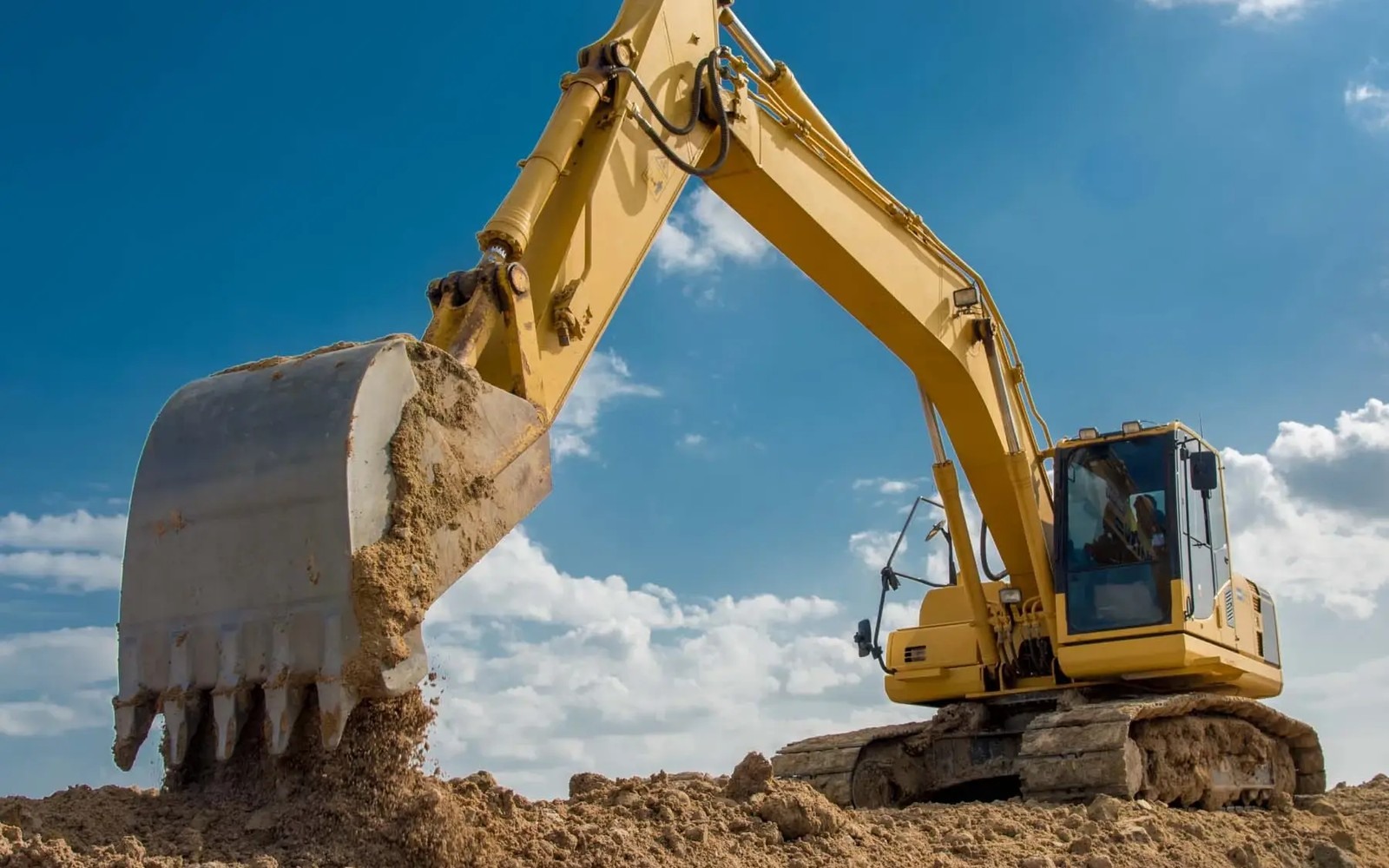

Birmingham's construction market runs on a foundation of highway infrastructure, industrial site development, and the residential expansion pushing the city outward into Shelby County and the communities along the US-280 corridor. The metro's history in iron and steel has been replaced by a healthcare, education, and manufacturing economy that generates steady commercial and industrial site-work demand. Jefferson County contractors here deal with the ridge-and-valley Appalachian terrain that makes every site a cut-and-fill problem, which means the equipment has to be right for rocky ground as much as open grading. We finance excavators and heavy earthmoving equipment for Birmingham area operators, starting at $50,000, most volume at $100,000 to $150,000 and above, and funding in about one to two weeks.
The bid that wins the job assumes the machine is already in the yard and ready to mobilize. Contractors who wait to secure financing until after the bid is awarded are at a disadvantage against operators who know their purchasing power before they pick up a pencil. Getting pre-approved changes that dynamic. We work with single-machine operators, growing fleets, and firms adding a specialist attachment to an existing crew, and we do not require a minimum fleet size, only a $50,000 minimum deal size.
Jefferson County's Site-Work Environment
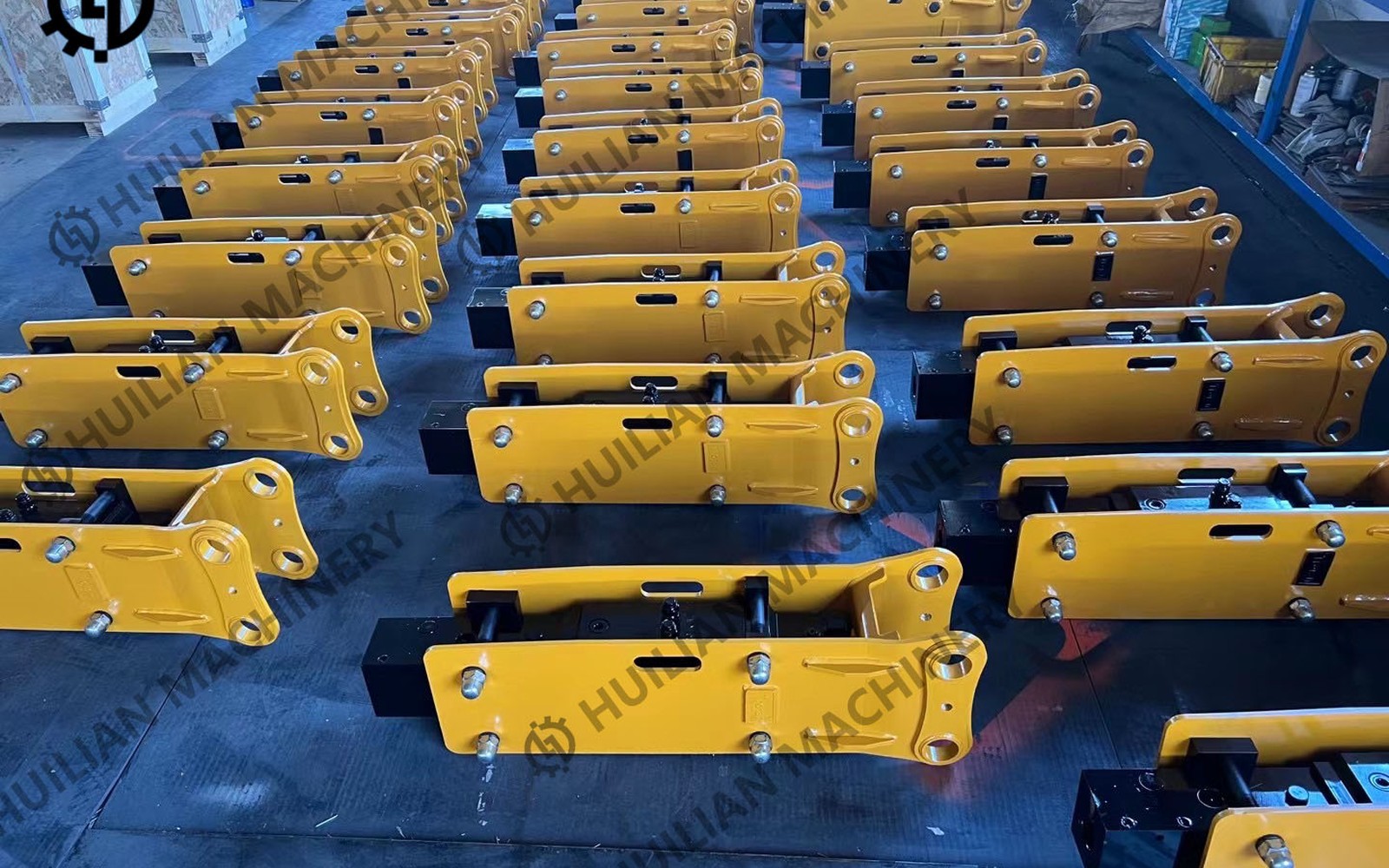
Birmingham's Appalachian Valley geology defines the difficulty of site work here. The limestone, chert, and shale bands that run through Jefferson and Shelby Counties mean contractors routinely hit rock at relatively shallow depth, which accelerates bucket wear and often requires hydraulic rock-breaking equipment alongside excavating machines. Operators who stay busy in Birmingham earn that work by having the right iron configured for hard material, and that configuration often starts with the undercarriage and bucket spec before anything else.
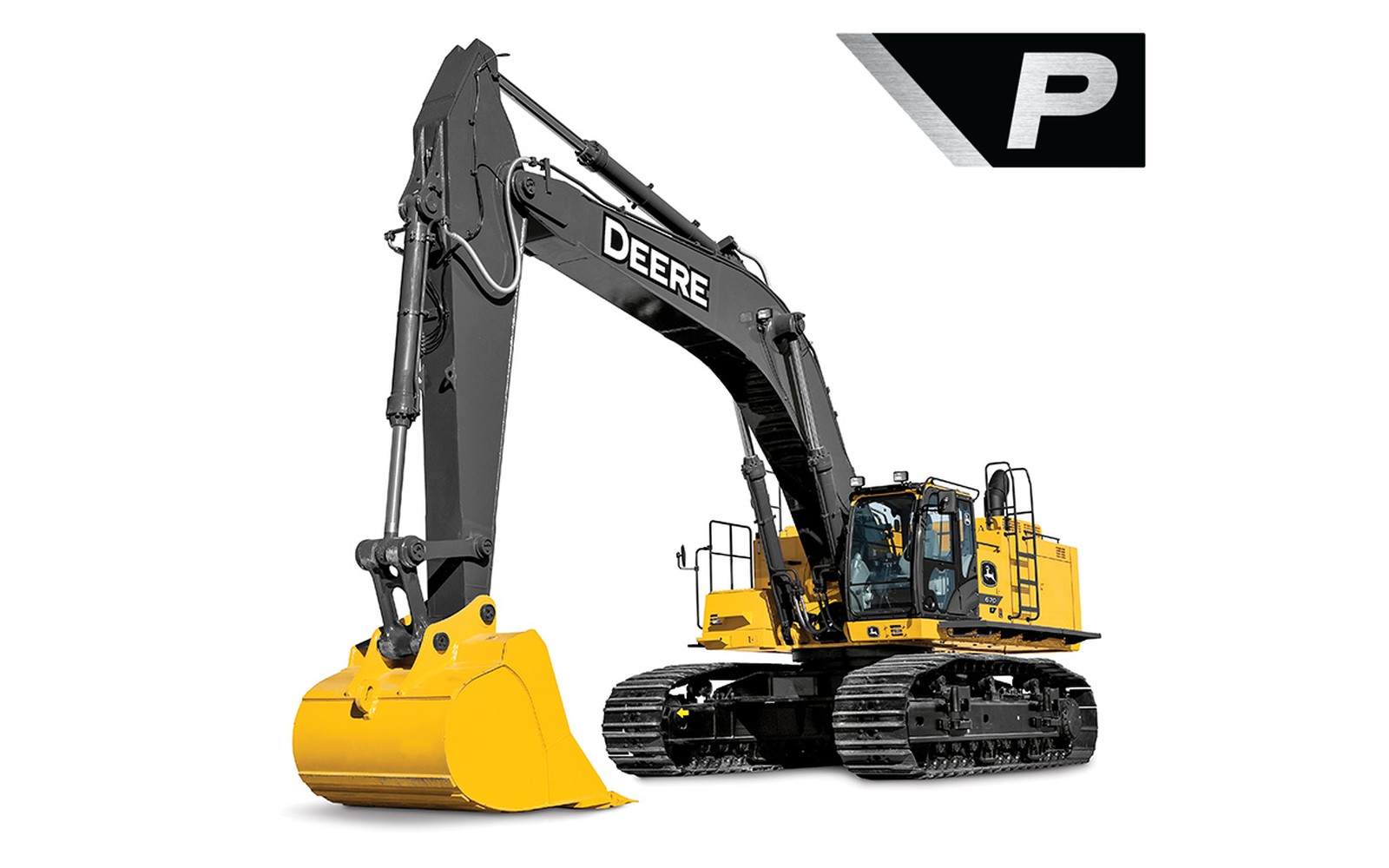
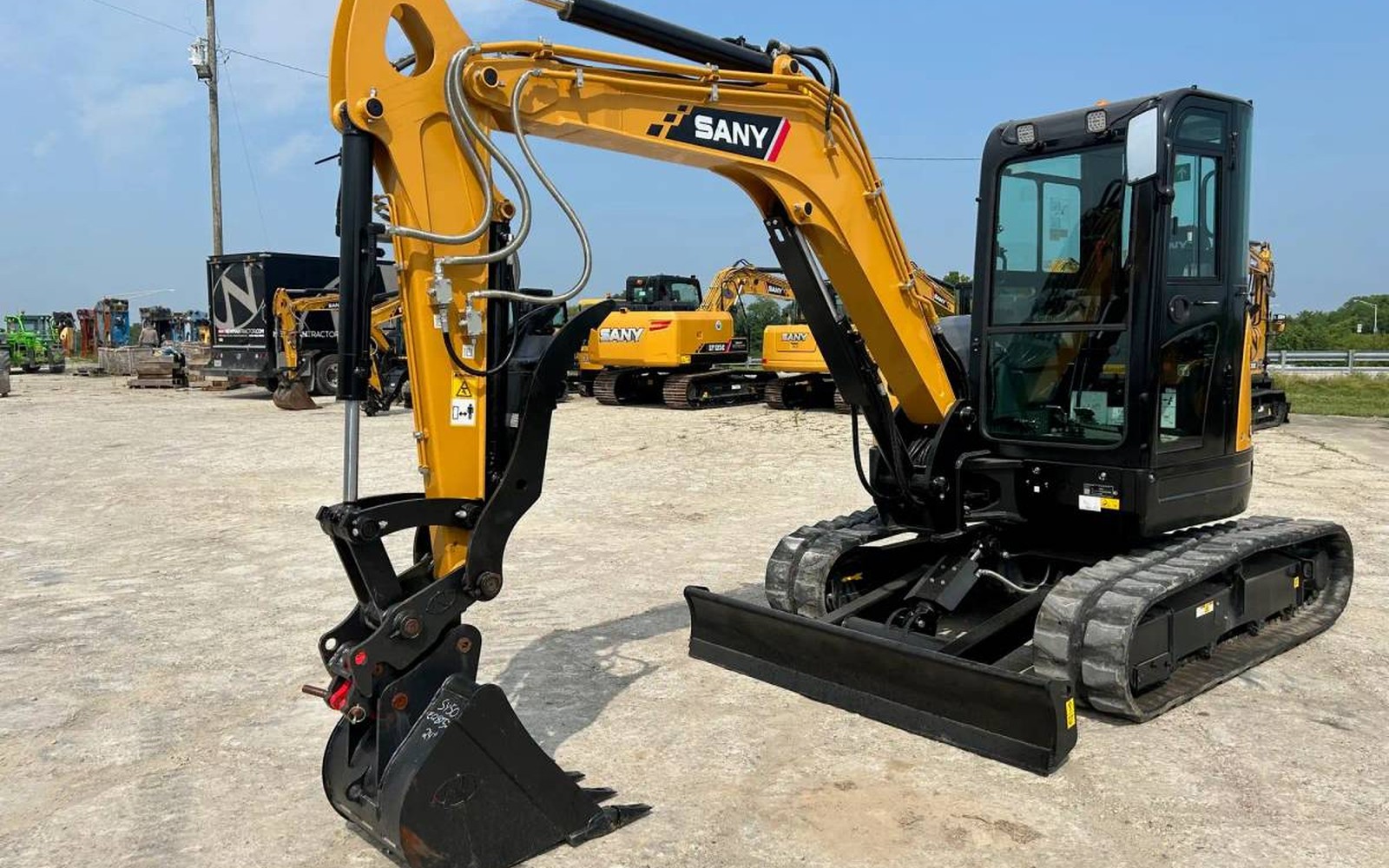
The US-280 corridor through Hoover, Vestavia Hills, and into Shelby County has been a sustained residential and commercial construction zone for years. Standard excavators in the 20- to 35-ton class handle the cut work on hillside residential lots. Mini and compact excavators are the tool for tight infill lots in the established Birmingham neighborhoods where larger machines cannot navigate the street access. Interstate work on I-20, I-59, and I-65 generates utility and drainage contracts for highway contractors working ALDOT projects. Those contracts are competitively bid but they are consistent work that funds equipment payments reliably.
The Southside and East Lake corridors have seen significant industrial and commercial redevelopment activity as Birmingham's legacy manufacturing footprint converts to mixed-use and logistics. Demolition, grading, and utility installation on those redevelopment sites requires capable iron and operators with experience working in tight urban geometry where swing and access constraints are constant factors.
Getting Equipment Funded in Birmingham
Three months of business bank statements and a completed credit application. Application-only review handles most deals up to roughly $400,000. Decisions come in days and funding follows in about one to two weeks after confirming the equipment details and finalizing the deal structure.
An equipment loan builds equity from payment one and delivers clear ownership at payoff. Fixed payments over a defined term give you a cost that does not float with the market, which matters when you are building a budget around a project schedule. An equipment lease keeps the monthly lower, which matters for contractors managing multiple machines at once where cash flow is spread thin across several projects.
A dollar buyout lease combines lease-payment economics with guaranteed ownership at the end of the term for one dollar, avoiding the residual uncertainty of an FMV lease. For contractors who know they want to keep the machine for seven or more years, the dollar buyout path secures ownership at a predictable monthly cost. For those who want to trade in three to five years, an fair market value lease offers flexibility to upgrade without being locked into aging iron.
New vs. Used Equipment in the Birmingham Market
Alabama has no off-road diesel emissions mandates comparable to California's, which keeps the full range of used-machine ages eligible for Birmingham-area projects. The regional used-equipment market draws from Tennessee, Georgia, and Mississippi, and local dealers and auction houses carry a reasonable inventory of well-maintained iron. For operators who want capable machines at secondary-market pricing, used equipment financing is a practical and fully supported path.
We finance used machines from dealers, auction, or private sellers. Pre-approval before an auction makes sense here because good rock-capable machines with reasonable hours do not sit around on the secondary market in the Birmingham area. Operators with B/C credit have options through our bad-credit equipment financing program, which looks at recent bank activity and collateral value alongside the credit score rather than using the score alone as a disqualifier.
The machine's configuration matters in this market as much as its age. A 2018 excavator with a heavy-duty rock bucket package and a documented undercarriage replacement is often worth more to a Jefferson County contractor than a newer machine in standard configuration that will need upgrades before it can handle the local ground conditions. We finance the machine that actually fits the work, not just the newest unit on the lot.
Who We Work With in the Birmingham Metro
Grading and earthwork contractors cutting hillside residential lots and commercial pads in the Shelby County and US-280 growth corridor. Demolition contractors tearing down Birmingham's older industrial buildings ahead of redevelopment in the Southside and East Lake corridors. Utility contractors running water, sewer, and gas lines through the mixed residential and commercial terrain of the Jefferson County suburbs.
From single-machine operators doing residential grading to multi-machine firms handling large ALDOT or commercial contracts, we work across the full range of Birmingham area contractor size. The paperwork is the same regardless of fleet size: a credit application and three months of business bank statements are the starting point. Minimum $50,000, no fleet-size requirement, no minimum number of years in business for operators who can show real revenue and a machine that has value as collateral.
Site development contractors working the commercial and mixed-use projects along the Lakeview and Avondale redevelopment zones in Birmingham proper also fit well. Those projects require careful machine work in close proximity to existing structures and utilities, and operators with the right equipment and experience in tight-geometry site work are in demand as the city's older neighborhoods continue to attract investment.