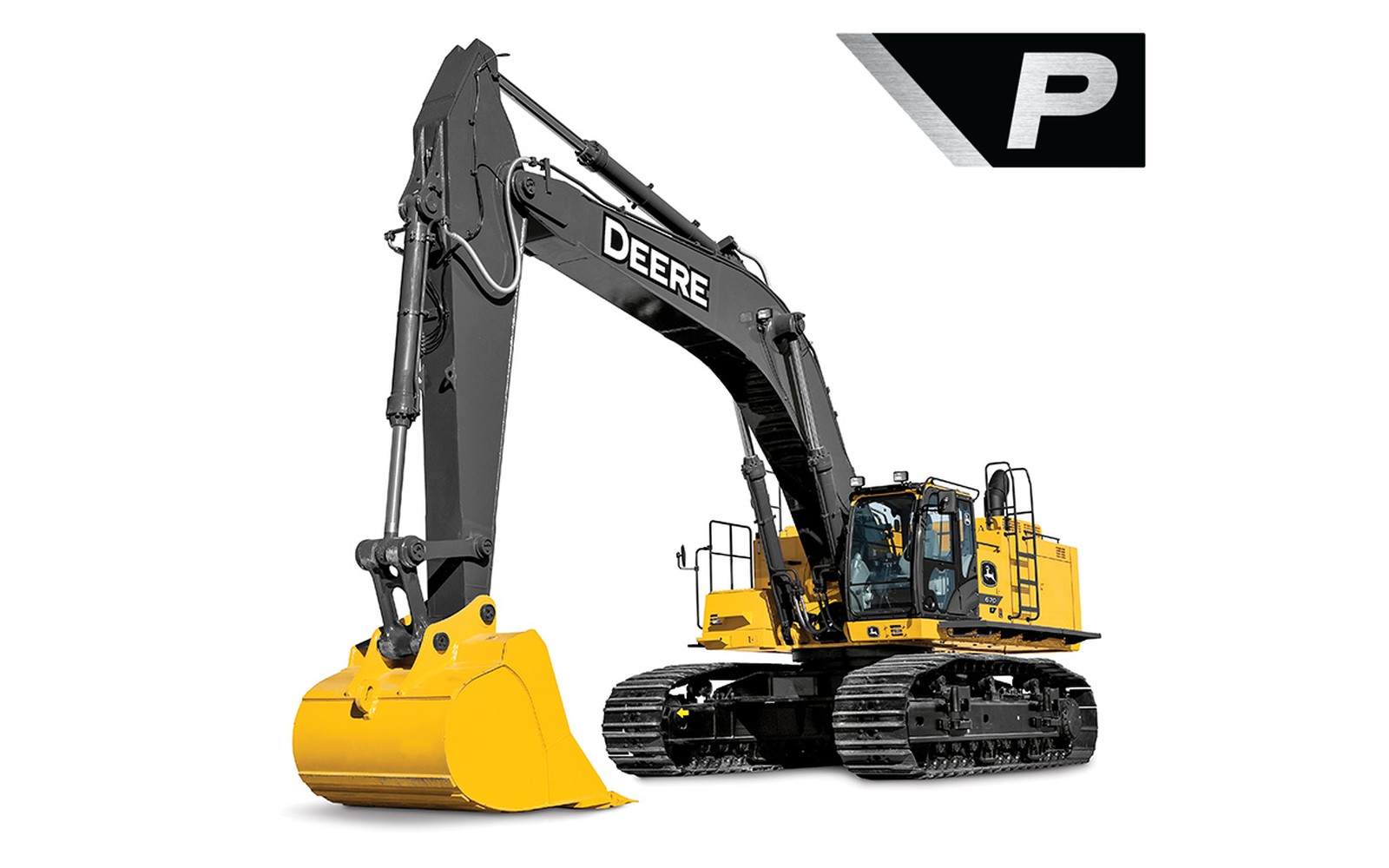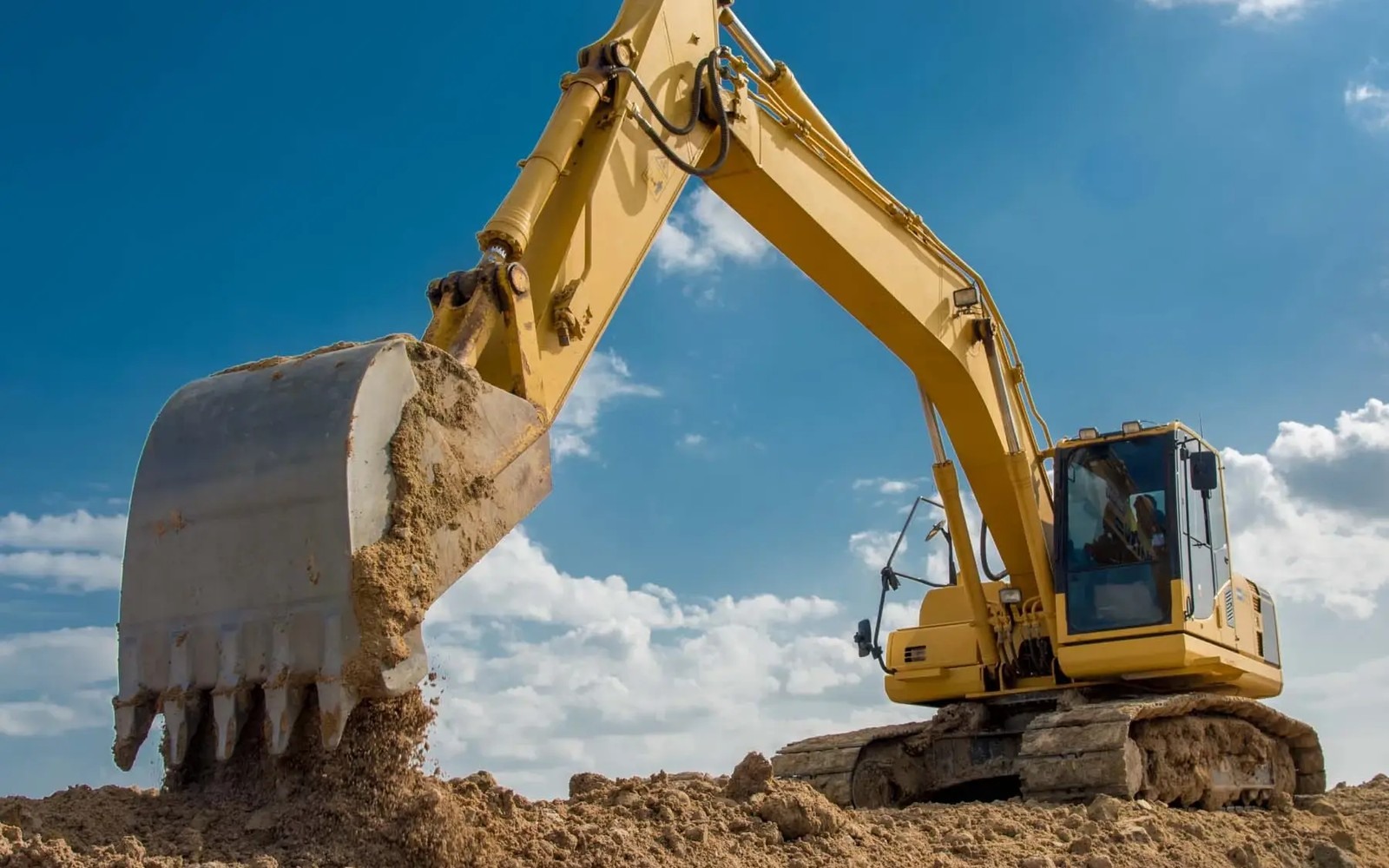

Austin's construction economy has been running at pressure for years and the earthwork demand underneath all that vertical construction is enormous. Every tech campus expansion in Round Rock, every mixed-use tower going up downtown, and every master-planned community spreading out toward Hutto or Manchaca starts with an excavator. The machines keeping Central Texas moving need financing that matches the pace of the market, not a bank approval timeline measured in months.
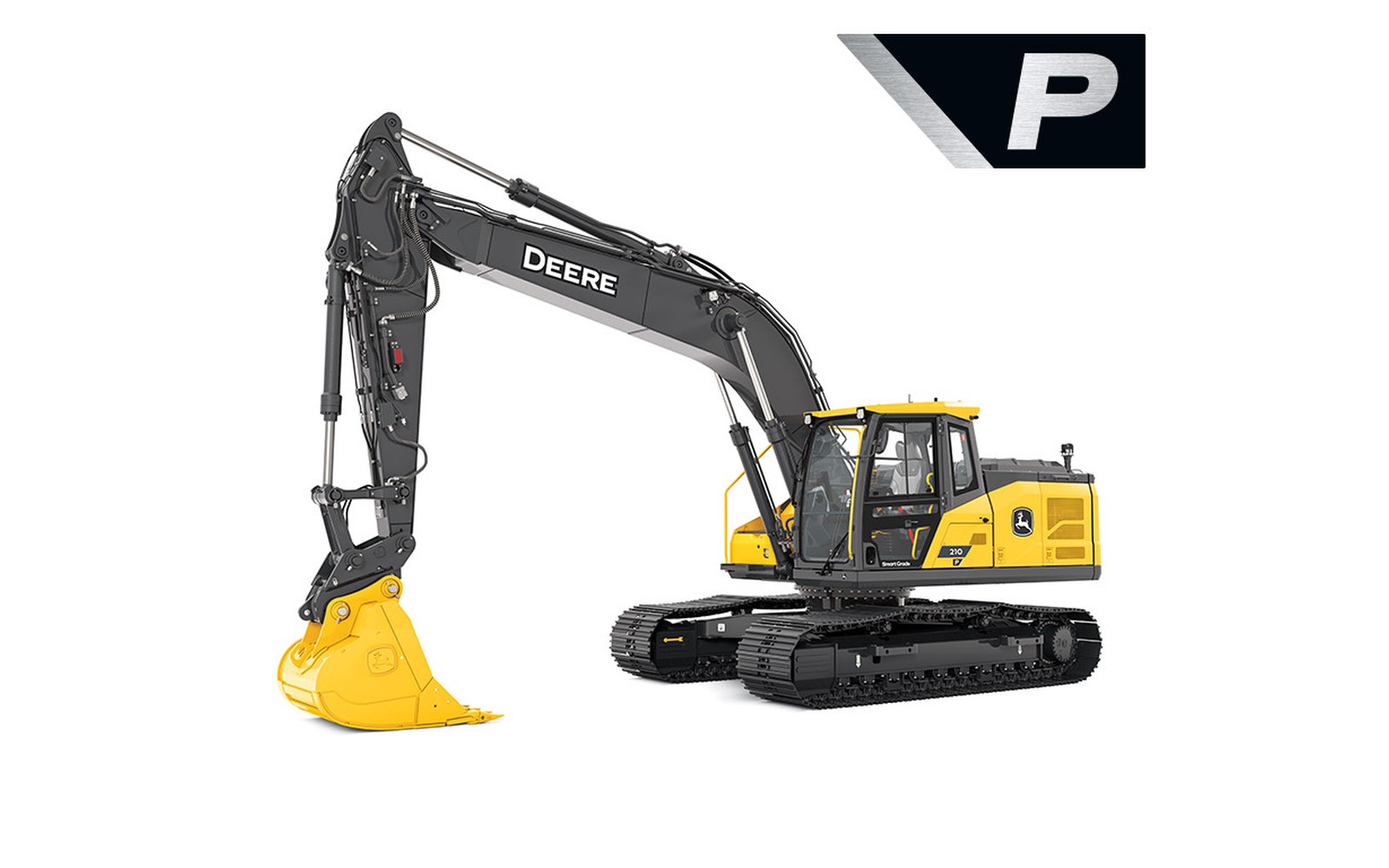
We finance excavators for Austin area contractors from single-machine operations to established fleets. New, used, auction finds, and private-party purchases all work through the same process. Our minimum is $50,000, our sweet spot is $100,000 to $200,000, and most approvals come back within 48 hours. Tell us about the machine and the business and we come back with real terms.
Austin's Ground-Level Reality
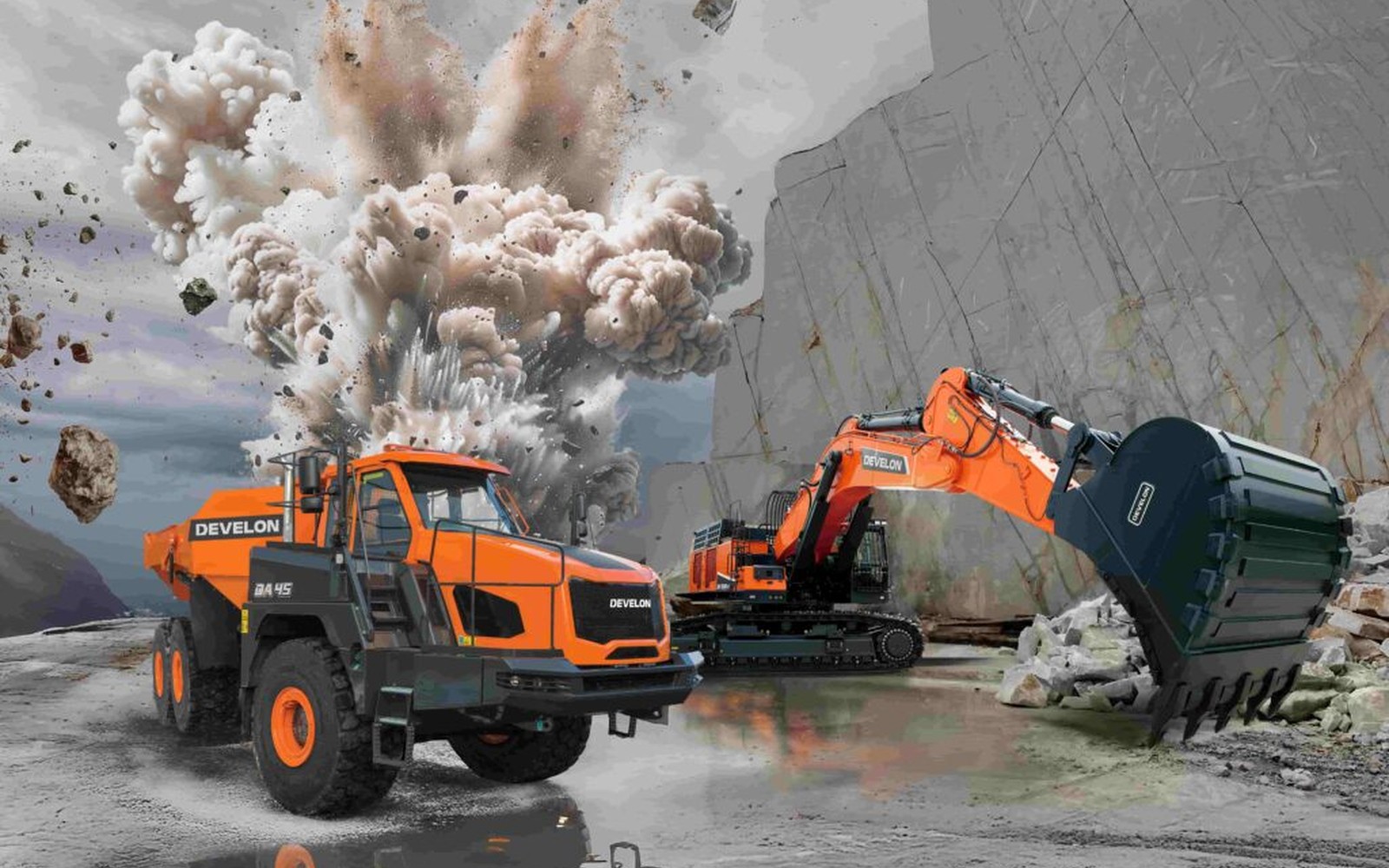
Austin sits on top of some of the most demanding geology in Texas for site contractors. The Balcones Escarpment runs right through the metro, which means sites west of MoPac often hit hard Austin Chalk or Edwards Limestone within inches of the surface. A machine without the right bucket or a hydraulic breaker attachment can lose hours on a job that should have been quick work. Grading and earthwork contractors in the hill country corridor know this well, and they keep their equipment configured for it.
East Austin and the areas toward Georgetown and Round Rock sit in the Blackland Prairie, where expansive clays create their own challenges: swell and shrink with moisture changes, which affects foundation excavation schedules and drainage work. Utility and pipeline contractors threading infrastructure across the metro deal with both geology types depending on which side of the escarpment a job falls.
Solar and wind site development in the Hill Country surrounding Austin has added a new category of excavation work. Foundation drilling pads, access road grading, and transmission line trenching on renewable energy projects have become a real revenue stream for smaller contractors willing to travel an hour or two from the city.
From Application to Keys
The process does not require a finance degree to navigate. Fill out a one-page application with your business information, three months of bank statements, and the machine details including seller or dealer, make, model, and price. We pull credit, underwrite the deal, and come back with a term sheet showing payment, term, and structure. Review it, sign it, and we fund to the seller. The whole sequence runs about ten to fourteen business days on a typical clean file.
For deals up to roughly $400,000, application-only underwriting means no tax returns, no audited financials. The machine and your recent business activity are the story. Larger transactions or borrowers with more complex credit situations may need additional docs, but we tell you that upfront rather than dragging it out mid-process.
Structure options include a standard excavator loan, a capital lease, or a Sale-Leaseback if you are trying to extract equity from a machine you already own. Austin contractors who bought iron outright during the boom years sometimes find a sale-leaseback is the fastest way to recycle that capital into a new bid or payroll reserve without selling the machine.
Credit and Documentation Reality
Austin's fast-moving construction market means contractors sometimes grow faster than their credit profile reflects. A business that doubled revenue in two years but had a late payment cluster during a slow cash flow stretch is not the same risk as a business that is genuinely struggling. We read the full file: bank statement deposits, payment patterns on existing obligations, and the strength of the machine as collateral.
B and C credit borrowers get real consideration here. A past issue that has resolved, a score that is rebuilding, or a business that is simply earlier in its credit history does not automatically mean a turndown. We look at what the business looks like today and structure accordingly, sometimes with a larger advance payment or a personal guarantee, but we find a path when one exists.
Operators who have never financed equipment before sometimes worry about the process. It is simpler than commercial real estate or SBA. The machine is the primary collateral, the application is short, and we do not need your complete financial history going back five years on a $120,000 deal.
Other Equipment to Consider
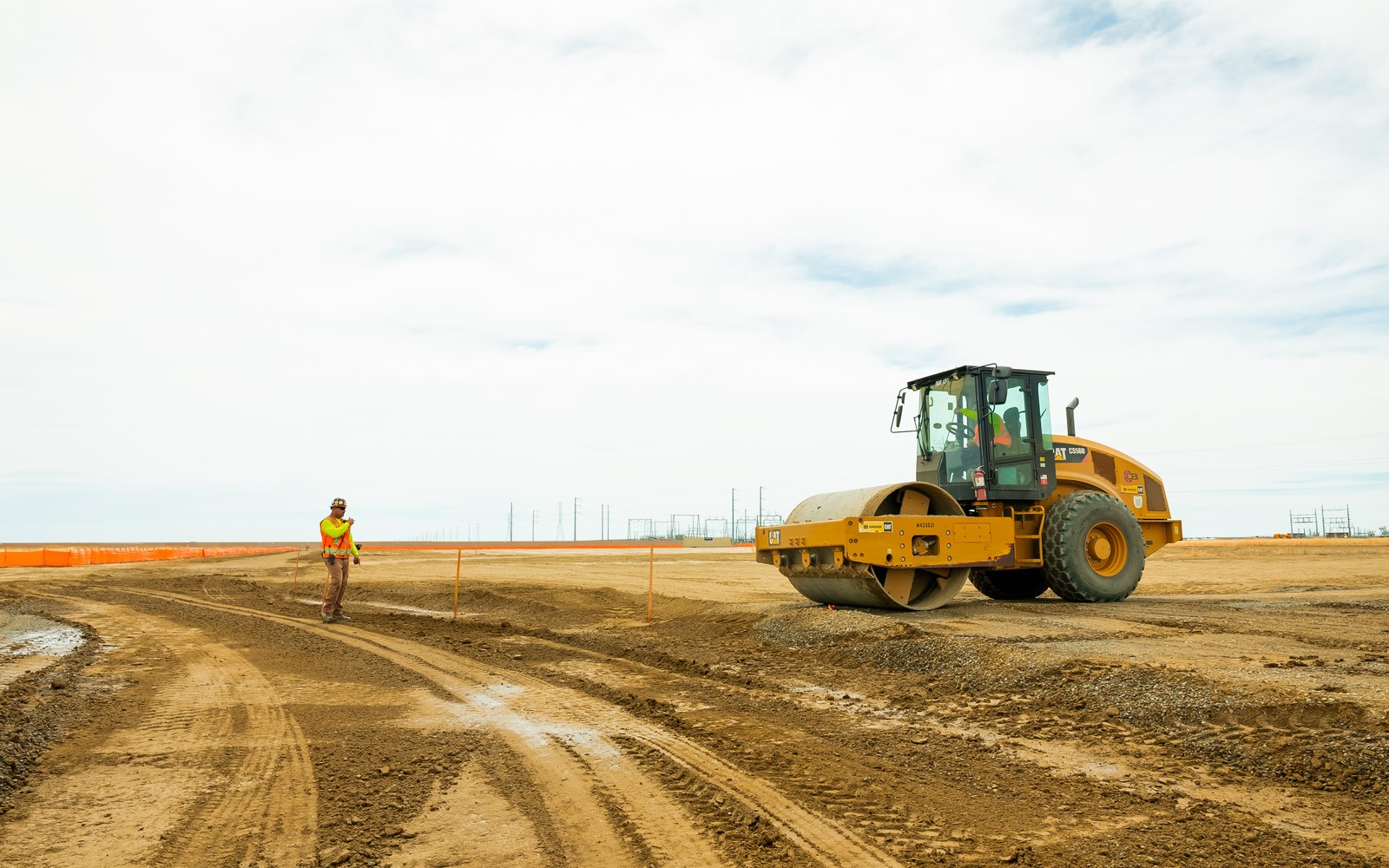
Austin contractors running excavators often need supporting iron. A compact track loader for material handling and backfill work pairs well with a mid-size excavator on residential and light commercial jobs. A motor grader matters for contractors doing road base grading on subdivision streets or commercial site access roads, where a dozer is too coarse and a skid steer lacks reach.
For contractors doing utility corridor work across the metro, a dedicated trencher often outperforms an excavator on straight runs and can handle it at a lower cost per linear foot. Some operations finance both, keeping the trencher for production work and the excavator for intersections, crossings, and tie-in pits where a trencher cannot maneuver.