
A logging crew that cannot put iron in the woods does not cut timber. Equipment ownership is not optional in this business; it is the entry cost to every timber contract. Whether the operation is a small family crew running a few skidders and a feller-buncher or a larger forestry company managing multiple active timber sales, the equipment is the business. Financing it properly, at terms that account for the seasonal and variable nature of timber revenues, is the job. That is what we do for logging and forestry operators.
Our program covers forestry-configured excavators, skidders, forwarders, feller-bunchers, and the support equipment that keeps a timber operation running. New equipment from dealers, used purchases, and refinancing on existing fleet are all within scope. Our minimum is $50,000, and most forestry equipment deals run from $150,000 into the mid-six figures for production equipment. B and C credit programs, including our bad credit equipment financing program, are available for operators whose credit history reflects the cycle-dependent nature of the timber industry. Operators moving toward a fleet program can also explore our fleet financing option for multi-unit purchases.
Logging and Forestry Equipment We Finance
The timber harvesting equipment category is specialized, and lenders who do not work in this sector regularly are often cautious. We work with specialty lenders who understand forestry equipment values and the operations that run them:
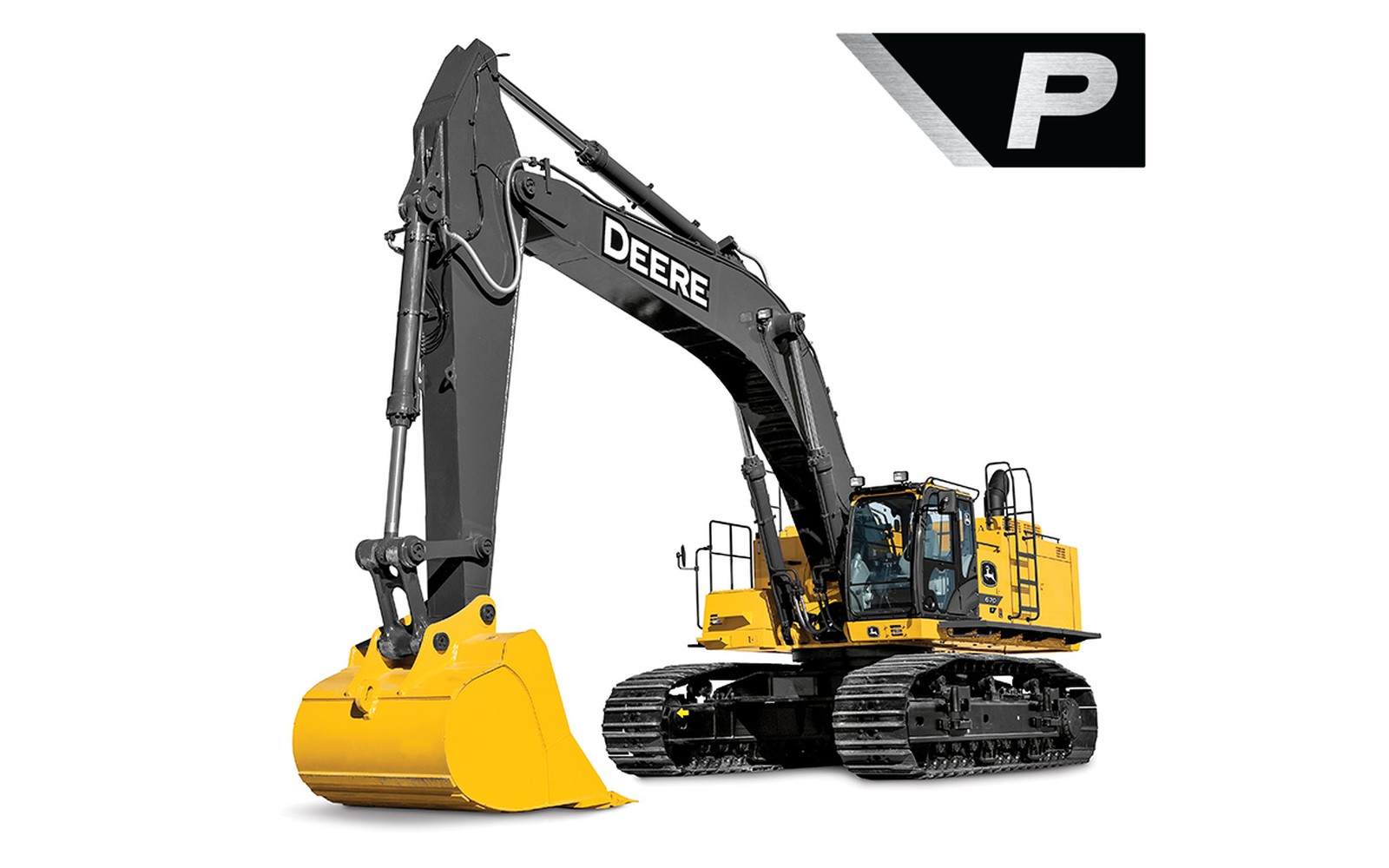
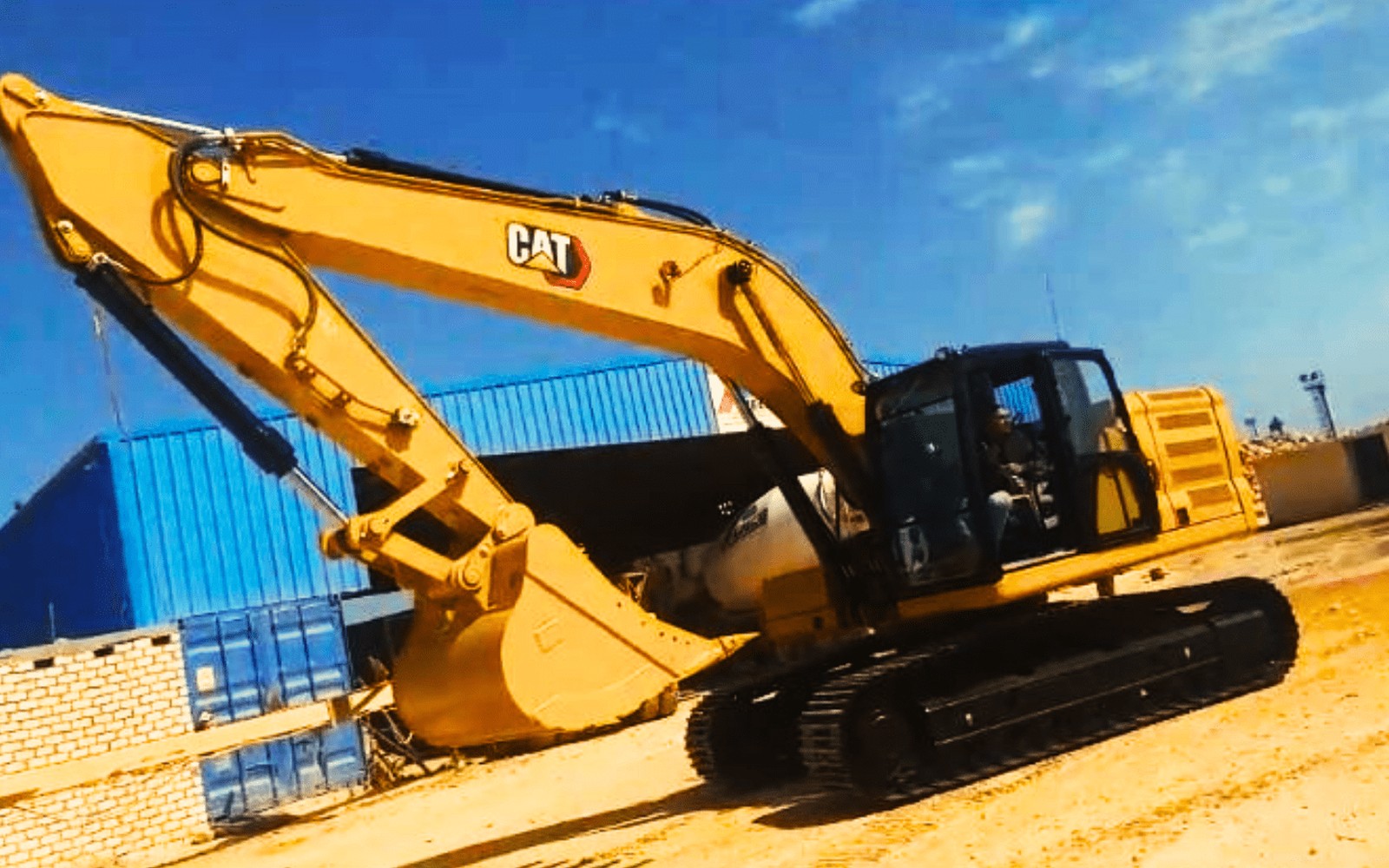
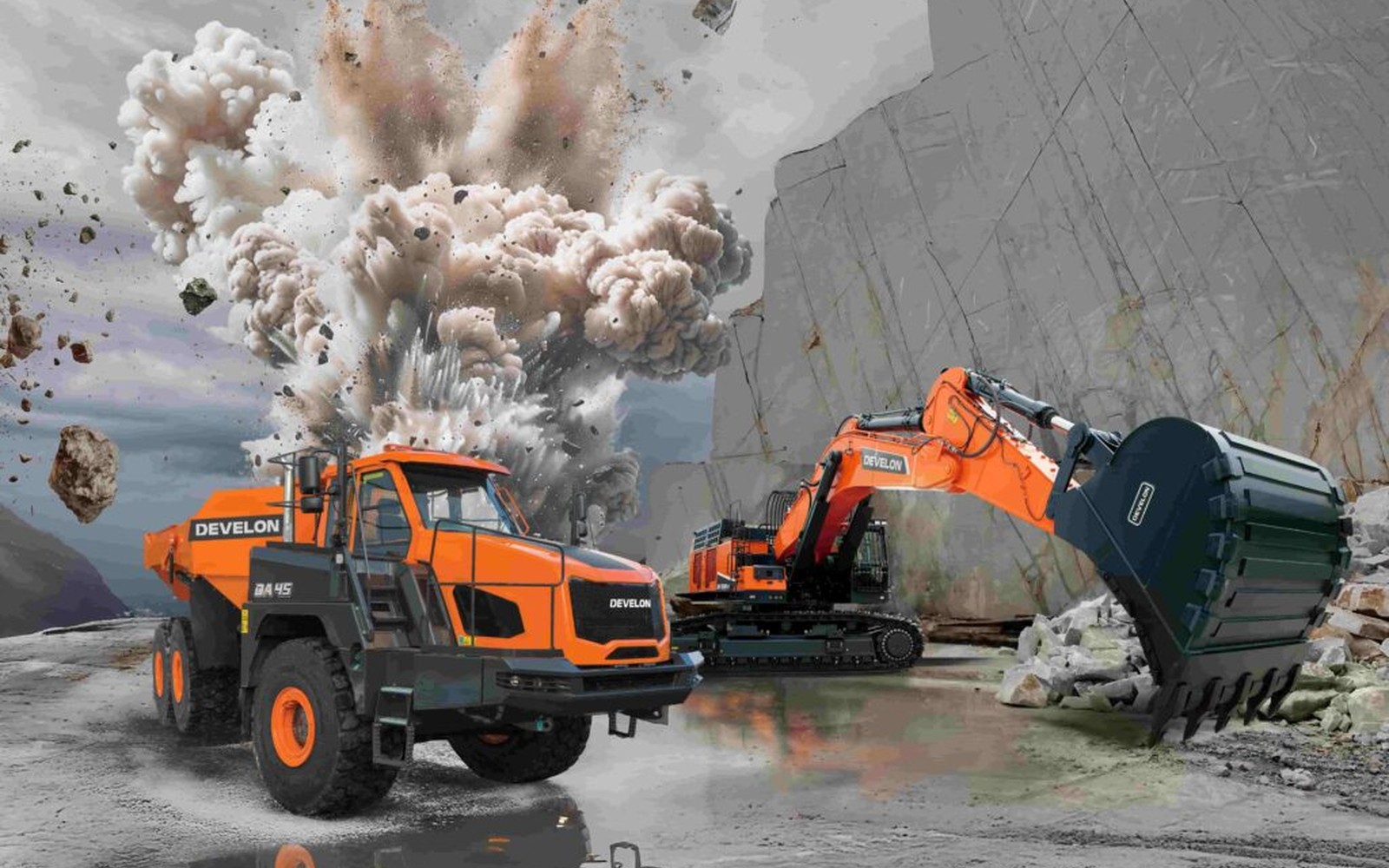
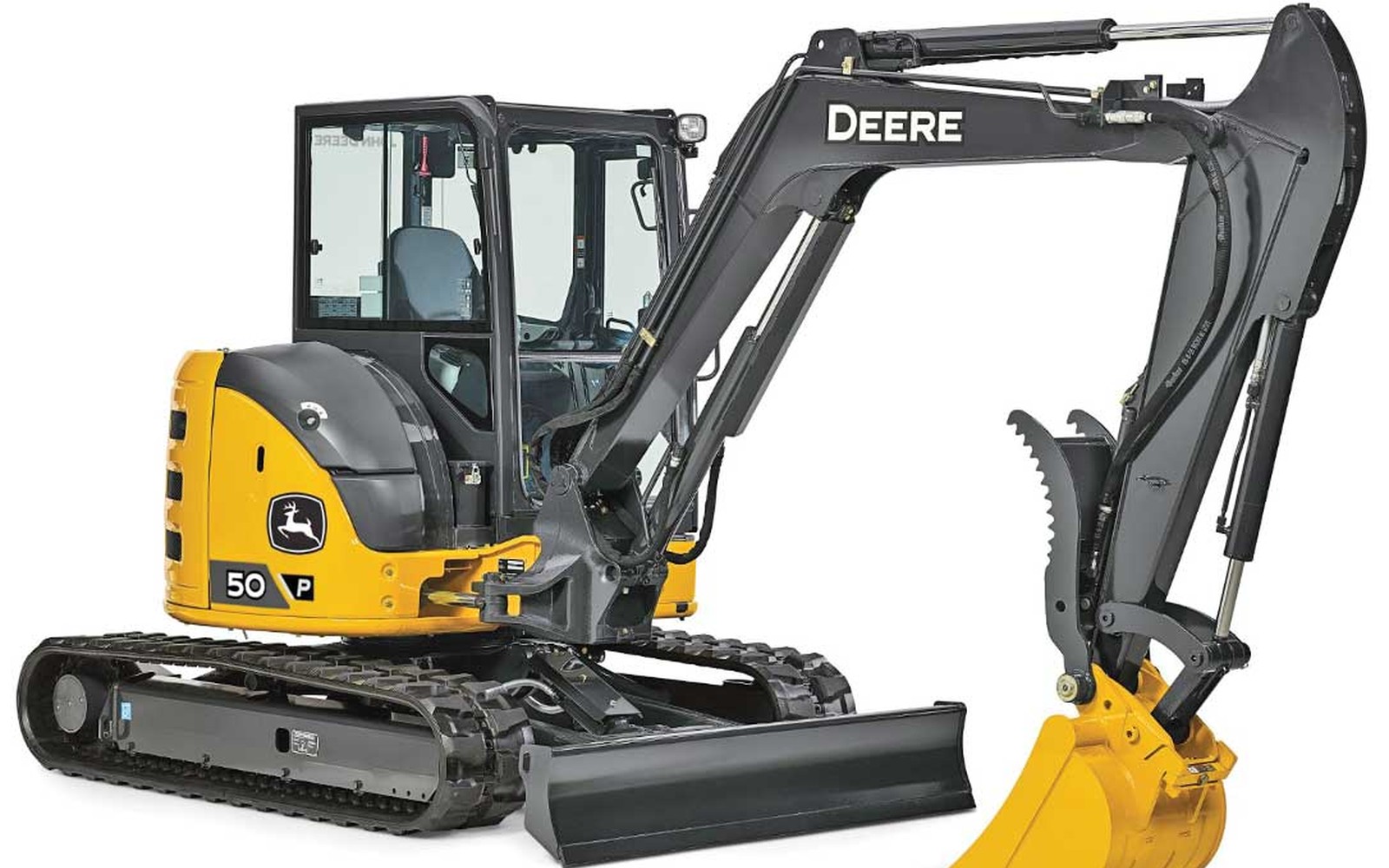
- Forestry-configured excavators: Excavators fitted with processing heads, mulching heads, and log-sorting grapples for mechanized timber harvesting. The base machine finances as a standard excavator, and the forestry attachment can be bundled or financed separately. Large excavators with forestry attachments for road building, landing construction, and slash management are also common.
- Feller-bunchers: Tracked and wheeled feller-bunchers are the production cutting tool in mechanized harvesting operations. These machines have significant resale value when well-maintained, and lenders familiar with the forestry sector know the asset. New feller-bunchers from John Deere Forestry and Tigercat are major dealer-sourced options.
- Forwarders: A rubber-tired forwarder that moves cut timber from the harvest site to the landing is a large capital item with strong OEM residual values from manufacturers like Ponsse, Komatsu Forest, and John Deere Forestry.
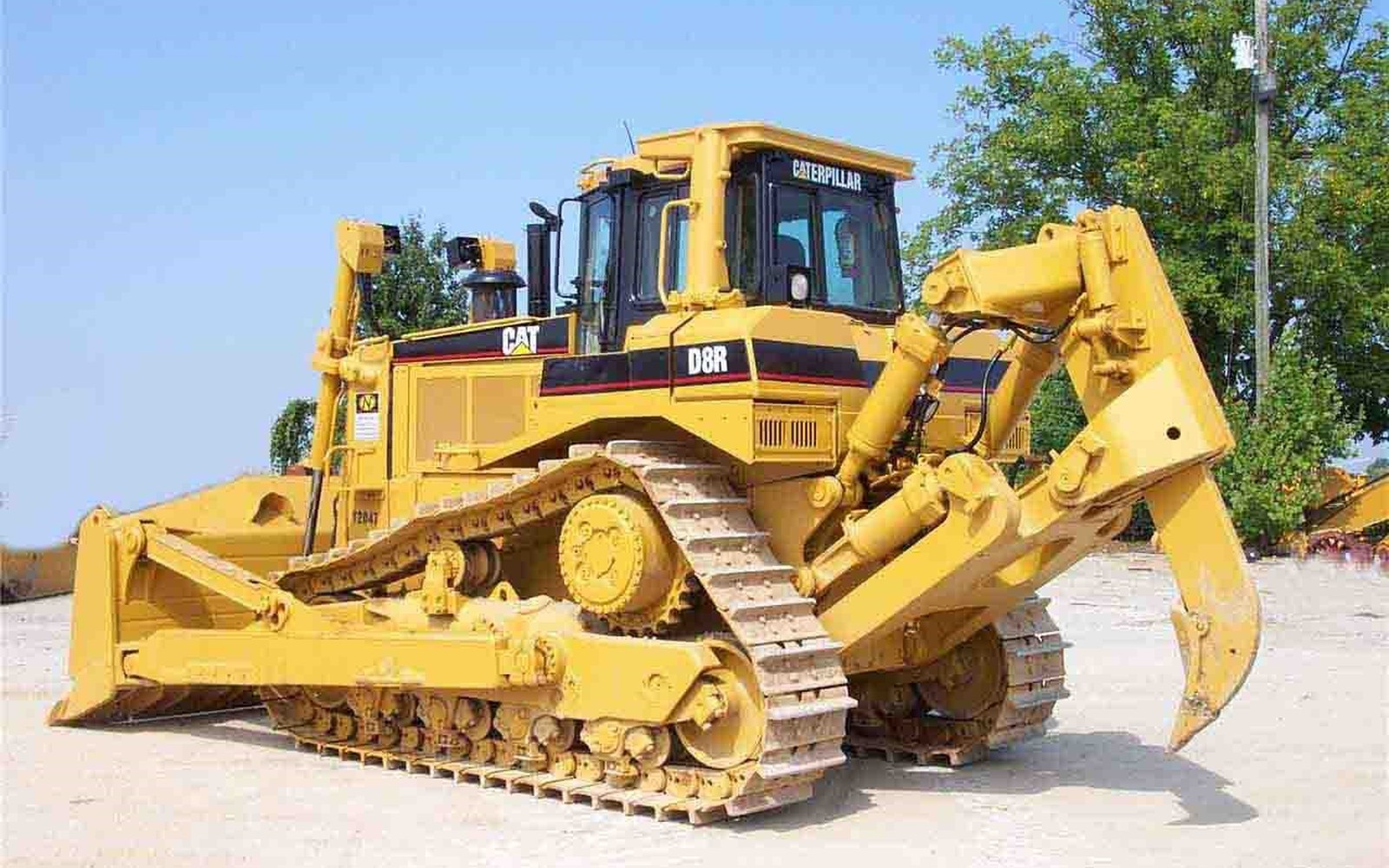
- Bulldozers for road building: Timber operations in rough terrain require road building to get equipment in and logs out. A crawler dozer in the D5-to-D8 class handles the road work that every active timber operation requires before harvesting can begin.
- Skidders: Grapple and cable skidders are used in conventional harvesting operations, particularly in steep or rocky terrain where forwarders cannot operate effectively.
Logging and Forestry Operator Profiles We Work With
Logging and forestry operations vary significantly in scale and operating model:
- Independent contract loggers: Owner-operator loggers who contract timber sales from private landowners, timber investment management organizations (TIMOs), or state and federal forest agencies. The equipment is owned by the logger; the timber rights belong to the client. This is the most common operating structure in the industry.
- Integrated timber and land operations: Larger landowners who own both the timberland and the harvesting equipment. Financing in this model covers both the equipment and sometimes the land, though we focus on the equipment side.
- Forestry support contractors: Companies doing site preparation, reforestation, road maintenance, and timber stand improvement rather than harvesting. These operators typically run smaller compact equipment but have similar financing needs.
- Biomass and chip producers: Operations focused on biomass material, chip production, and fiber supply to wood-using industries. Equipment in this segment includes chippers, grinders, and the excavators and loaders used to manage material.
What Logging Operators Need to Apply
Forestry and logging operations have financial profiles that reflect the business: variable revenue tied to timber prices and contract availability, high capital equipment costs, and a market that is intensely local or regional. Lenders who do not understand the forestry sector sometimes treat this variability as risk it is not. We present the file accurately.
Typical documentation requirements:
- Three months of current business bank statements
- Business entity records and EIN documentation
- Equipment purchase quote or agreement
- For larger transactions: one to two years of business tax returns and a current equipment list with lien status
Active timber contracts or purchase orders from mills and wood yards support the application by demonstrating identifiable future revenue. B and C credit programs are available with supporting documentation and a meaningful down payment.
New vs. Used Forestry Equipment Financing
New forestry equipment from OEM dealers carries full manufacturer warranty, defined service schedules, and the most favorable financing terms. For high-cycle machines like forwarders and feller-bunchers that run hard in demanding conditions, warranty coverage reduces operating cost risk in the early years of the loan.
Used forestry equipment is widely available, particularly for excavators with forestry attachments, older model feller-bunchers, and skidders. Our used equipment financing program covers these purchases. The important variable is the machine's current condition and documented service history. A well-maintained, mid-age forwarder or feller-buncher from a major manufacturer can be an excellent value if the prior operator kept it up.
Auction purchases of forestry equipment are handled through our auction and private-party financing program. Regional timber equipment auctions are a significant source of used forestry iron, and we work with the documentation those transactions produce.
Finance Your Logging and Forestry Equipment
Feller-bunchers, forwarders, skidders, forestry excavators, or a logging package. Tell us what the operation requires and we will come back with financing options designed for the timber industry reality. Submit your request for terms within one business day.